Medically reviewed by Maggie Moon, MS, RD
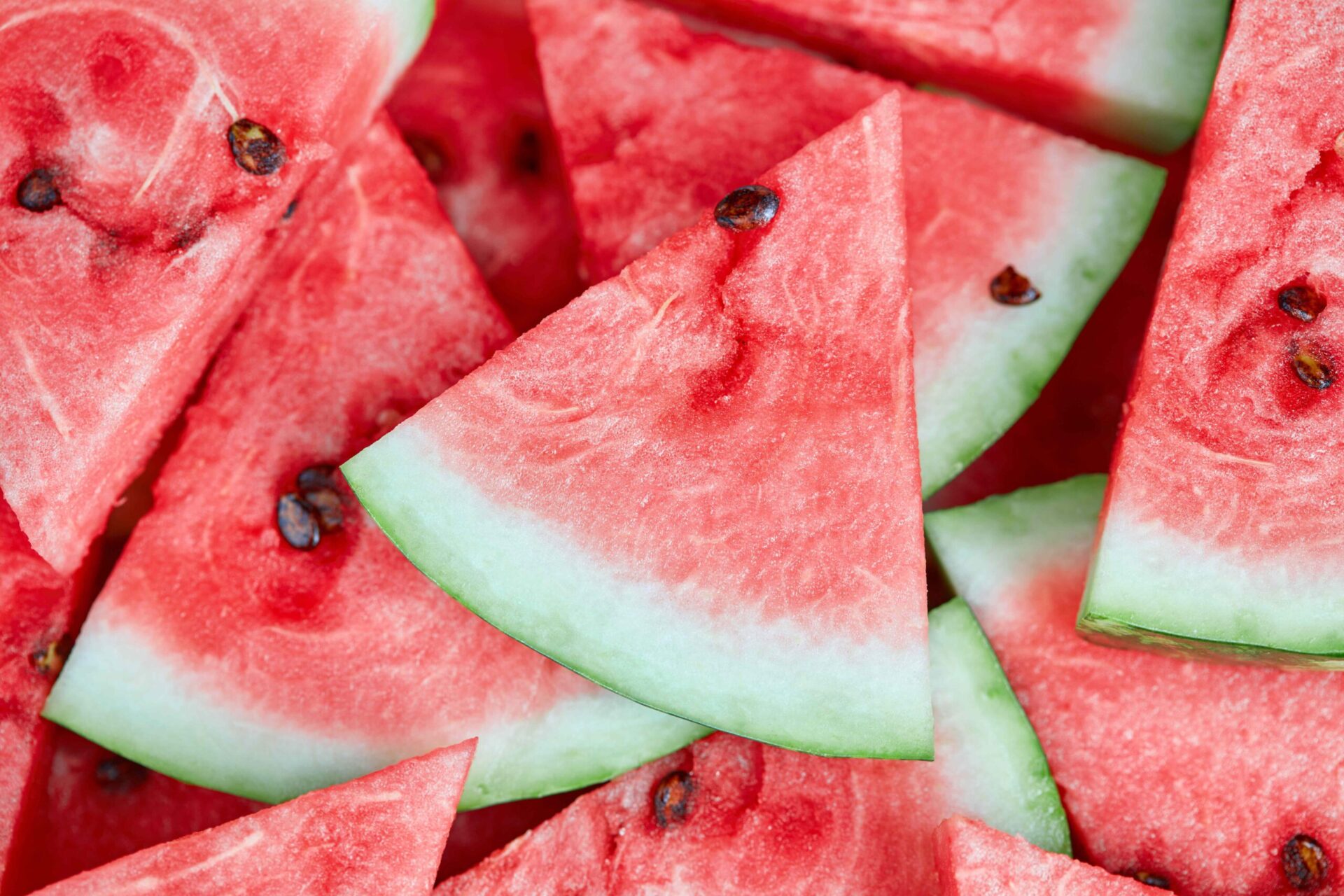
:max_bytes(150000):strip_icc():format(jpeg)/Health-GettyImages-1079971748-6a51abfd710c44a69a34892e99dc0944.jpg "Slices of watermelon arranged closely together")
Credit: Pineapple Studio / Getty Images
- Eating watermelon may have benefits like disease prevention and better skin health.
- Watermelon is a source of nutrients such as potassium, vitamins A, and vitamin C, as well as an important antioxidant called lycopene.
- Consuming watermelon may be unsafe for people with diabetes, digestive issues, or oral allergy syndrome.
Watermelon is a classic summertime snack—but making it a regular part of your diet is a great move for your health, too. This fruit provides a number of potential benefits, which largely come from its nutritional makeup of water, amino acids, vitamins, and an important antioxidant called lycopene.
1. Greater Hydration
Watermelon is about 95% water, which is why it’s called watermelon. One cup has about 5 ounces of water, similar to a yogurt container.
Consuming adequate fluids—including water-rich foods—has several health benefits, such as:
- Lubricating your joints
- Moving waste out of your body
- Preventing dehydration-related fatigue
- Protecting your spinal cord
- Regulating your body temperature
2. Increase in Disease-Fighting Antioxidants
Watermelon is one of the best sources of lycopene, an antioxidant known to combat cell-damaging free radicals. These unstable molecules can lead to a phenomenon called oxidative stress, which has links to chronic disease.
Because of this, lycopene may help lower the risk of diseases, including:
- Age-related macular degeneration (AMD)
- Alzheimer’s disease
- Cancers, including breast, lung, and prostate cancer
- Heart disease
- Type 2 diabetes
- Ulcerative colitis
To consume more lycopene, opt for traditional pink-flesh watermelon, which contains more antioxidants than yellow and orange varieties.
3. Potential for Better Blood Pressure and Blood Flow
L-citrulline is an amino acid in watermelon, especially in the white part of the rind. It helps your blood vessels relax and improves blood flow, which may lower blood pressure.
L-citrulline may improve muscle oxygenation and athletic performance during endurance exercise.
4. Possible Skin Benefits
Watermelon may help keep your skin healthy due to its vitamins C and A content. The fruit’s lycopene content may also protect against sun damage.
5. Support for Weight Management Efforts
Watermelon makes for a great snack if you’re craving something sweet. Choosing the fruit over sweet snacks like cookies can lead to weight loss, better cholesterol, and lower waist-to-hip ratios and blood pressure.
6. Less Muscle Soreness
People who drink watermelon juice before running may have less muscle soreness for up to 72 hours, some research suggests.
7. Better Digestion
Watermelon is not very high in fiber, but the fiber it contains helps support a healthy gut. The fruit contains fluid and prebiotics, which stimulate the growth of “good” bacteria in the large intestine.
Prebiotics help regulate immune function, anti-inflammation, and positive mood. They also boost mineral absorption, improve blood sugar and insulin sensitivity, and may protect against colon cancer.
What Nutrients Does Watermelon Offer?
One cup of diced watermelon has the following nutrients:
- Calories: 46
- Fat: 0.23 grams (g)
- Sodium: 1.52 milligrams (mg)
- Carbohydrates: 11.5 g
- Fiber: 0.61 g
- Added sugars: 9.42 g
- Protein: 0.93 g
Watermelon has vitamins A and C, potassium, magnesium, antioxidants, and B vitamins.
Are There Any Risks of Eating Watermelon?
For the most part, watermelon is a safe fruit to enjoy in moderation. Still, people with certain health concerns may need to take caution with watermelon. Those conditions include:
- Diabetes: Watermelon contains natural sugars, which may be a concern for people with diabetes. Eating watermelon with healthy fats and protein can help prevent blood sugar spikes.
- Digestive issues: Watermelon is a high-FODMAP food. FODMAPs are short-chain carbs, sugars, starches, and fibers that the small intestine does not absorb well. Instead, FODMAPs retain water and ferment in the colon, which causes gas and other digestive symptoms. People with irritable bowel syndrome (IBS) may need to limit watermelon.
- Oral allergy syndrome: Oral allergy syndrome is a type of pollen allergy. It can occur with foods related to ragweed pollen, like watermelon.
Tips for Adding Watermelon to Your Diet
At the grocery store or farmers market, look for a round, symmetrical watermelon with a yellow or cream-colored splotch to ensure that it’s ripe. Be sure to wash the watermelon before slicing it to remove any bacteria on the outer rind.
Since watermelon is so versatile, it can be added to your diet in numerous ways. You can try it:
- Cubed over fresh greens with balsamic vinaigrette
- Blended with coconut milk and dark chocolate, then poured into molds to make popsicles
- Diced up alongside cucumber, red onion, jalapeño, cilantro, and lime juice to make watermelon salsa
- Dipped into dark chocolate
- Grilled alongside chunks of avocado for a simple appetizer