Fact checked by Nick Blackmer
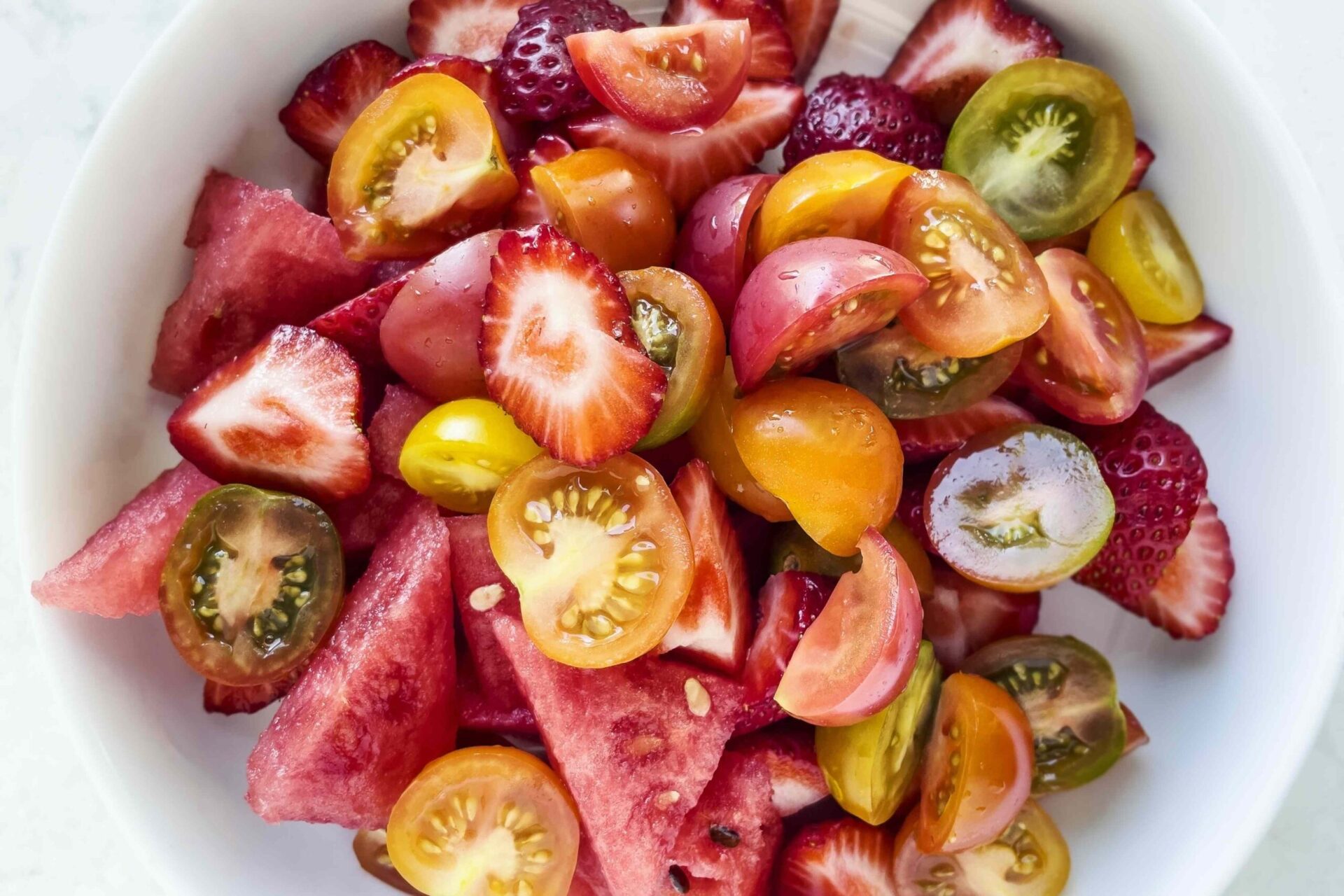
:max_bytes(150000):strip_icc():format(jpeg)/Health-GettyImages-1412534307-c471f44c08544cdb92db6e06d353d467.jpg "Most hydrating fruit, macro close-up of a bowl of strawberries, tomatoes, and wattermelon")
Credit: Claudia Totir / Getty Images
- Many fruits are high in water and can help support hydration alongside drinking water.
- Hydrating fruits like watermelon, strawberries, tomatoes, and cucumbers also provide fiber, vitamins, minerals, and antioxidants.
- Adding a variety of water-rich fruits to your meals and snacks is a simple way to boost hydration.
While drinking water is essential, it’s not the only way to keep your body hydrated. Many fruits are naturally high in water, making them a delicious way to stay hydrated. They also deliver fiber, vitamins, minerals, and powerful antioxidants your body needs to thrive. Here are eight fruits that can keep you hydrated at all times.
1. Watermelon

- Water content: 91.4%
- Benefits: Watermelon is naturally hydrating and is high in antioxidants, such as vitamin C, lycopene, and beta-carotene, which protect your cells from oxidative damage. In addition to acting as an antioxidant, vitamin C is also needed for collagen production, iron absorption, and immune function.
- How to enjoy: Enjoy chilled watermelon as a hydrating snack on hot days, or add watermelon to dishes like salads or smoothies.
2. Grapefruit

- Water content: 91.6%
- Benefits: Grapefruit is a sweet and tart, hydrating fruit that’s over 91% water. Eating grapefruit is a refreshing way to boost your antioxidant intake. In addition to being high in vitamin C, with a cup of grapefruit covering just under 100% of your daily needs, it’s also packed with the flavonoid antioxidants naringin and naringenin, which have powerful cellular-protective properties.
- How to enjoy: Add grapefruit segments to fruit salads or enjoy grapefruit in savory dishes like salads.
3. Strawberries

- Water content: 91%
- Benefits: Strawberries are one of the most nutritious and hydrating fruits you can eat. A cup of strawberries covers over 100% of your daily needs for vitamin C, and also provides antioxidant plant compounds like anthocyanins, phenolic acids, and flavonoids. Studies show that eating berries, like strawberries, could lower your risk of common health conditions like heart disease.
- How to enjoy: Add frozen strawberries to smoothies and protein shakes and enjoy fresh strawberries on oatmeal, chia pudding, and salads.
4. Tomatoes

- Water content: 92.5%
- Benefits: Not only are tomatoes one of the most hydrating fruits, but they are the main dietary source of the carotenoid lycopene. Lycopene has powerful antioxidant and anti-inflammatory properties and has been shown to protect your skin against sun damage. This makes tomatoes a great choice for sun-soaked days at the pool or beach.
- How to enjoy: Enjoy cherry tomatoes with mozzarella balls for a satisfying snack, pile fresh slices onto salads, pastas, and grain bowls, or whip up a homemade marinara with ripe tomatoes.
5. Cantaloupe

- Water content: 90.2%
- Benefits: One cup of refreshing cantaloupe delivers about 30% of your daily needs for vitamin A, a key nutrient that supports healthy vision, immunity, brain function, and reproductive health. Cantaloupe is also high in vitamin C and the carotenoid antioxidants beta-carotene, lutein, and zeaxanthin.
- How to enjoy: Cantaloupe is delicious in fruit salads and smoothies. You can also pair fresh cantaloupe with savory ingredients like prosciutto for a sweet and salty snack or appetizer.
6. Peaches

- Water content: 88.9%
- Benefits: Sweet, juicy, and hydrating, peaches deliver essential nutrients, like vitamins C and A, and potassium. They also contain a variety of phenolic antioxidants, like flavonols and anthocyanins, which support and protect overall health.
- How to enjoy: Peaches can be enjoyed fresh or cooked. Eat them as a hydrating snack, add sliced peaches into yogurt, cottage cheese, or oats, or bake peaches and serve them with whipped cream for a naturally sweet dessert.
7. Pineapple

- Water content: 86%
- Benefits: Composed of 86% water, pineapple is a tasty way to meet your hydration needs. In addition to being high in water, pineapples are packed with essential nutrients like vitamin C, vitamin B6, and copper, and are a source of powerful antioxidants, including gallic acid and ferulic acid.
- How to enjoy: Try snacking on chilled pineapple or adding frozen pineapple to smoothies for a tropical kick.
8. Cucumbers

- Water content: 95.9%
- Benefits: Boasting at 95.9% water content, cucumbers are one of the most refreshing ways to support your hydration. Cucumbers also provide vitamin K, a nutrient that’s important for skeletal health and blood clotting, as well as flavonoid antioxidants.
- How to enjoy: Cucumbers are a low-calorie base for chicken or tuna salad, and they can be added sliced to salads and rice dishes for a satisfying crunch.