
While Chase offers a robust portfolio of personal credit cards, the issuer also has a suite of business cards tailored to different types of companies and expenses.
Known as the Ink Business family, these credit cards earn either cash back or Chase Ultimate Rewards points. They generally offer lucrative welcome bonuses and high earning potential across multiple categories, making them a solid addition for many types of business owners.
Adding an Ink Business card to your wallet is a great way to separate personal and business finances. But you don’t have to be a traditional business owner to qualify. In fact, selling products on Etsy, doing freelance writing or running another micro-business can make you eligible.
With this in mind, let’s dive into these cards and see which works best for your business.
Chase Ink Business Cards overview
There are currently four Ink Business cards available:
Each card comes with its own welcome bonus, earning rates and annual fees, which we’ll cover below.

All of these cards offer the following benefits:
- Baggage delay insurance
- Extended warranty
- Primary car rental insurance (when renting for business purposes)
- Purchase protection

Reward your inbox with the TPG Daily newsletter
Join over 700,000 readers for breaking news, in-depth guides and exclusive deals from TPG’s experts
The Ink Business Cash, the Ink Business Premier and the Ink Business Unlimited earn cash-back rewards, while the Ink Business Preferred earns Chase Ultimate Rewards points.
Combining your rewards with other Ultimate Rewards cards
Before we get into each card’s details, it’s important to note that if you carry other cards that earn Ultimate Rewards points, you may be able to combine your rewards.
You can only combine your rewards from the Ink Business Cash, the Ink Business Preferred and the Ink Business Unlimited; rewards earned on the Ink Business Premier can’t be combined with other cards or transferred.
The cards you can combine with are:
Combining your rewards with one of these cards can further boost your earning and redemption options.
The Sapphire Reserve for Business is a premium business card from Chase that offers elevated perks. While it carries a $795 annual fee and isn’t part of the Ink Business family, it’s designed to deliver luxury travel and lifestyle benefits that may appeal to certain business owners. For a full breakdown of its features and rewards, read our full review of the Sapphire Reserve for Business.
With the basics out of the way, let’s learn more about each Ink Business card.
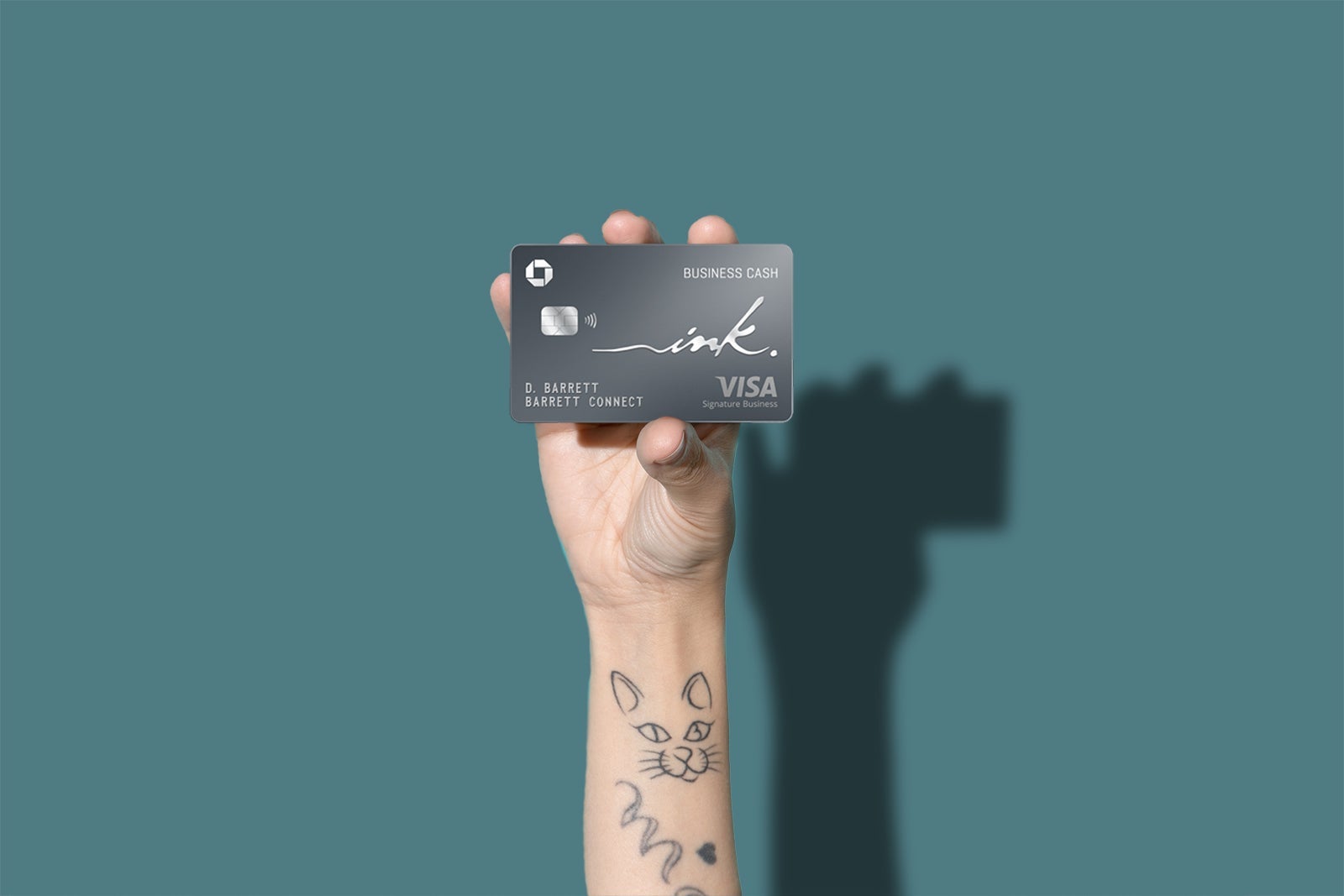
Ink Business Cash Credit Card
Welcome bonus: Earn $750 cash back after spending $6,000 on purchases in the first three months from account opening.
Annual fee: $0
Earning rates:
- 5% cash back at office supply stores and on cable, internet and phone services (on up to $25,000 spent in combined purchases each account anniversary year)
- 5% cash back on Lyft rides (through Sept. 30, 2027)
- 2% cash back at gas stations and restaurants (on the first $25,000 spent in combined purchases each account anniversary year)
- 1% cash back on all other purchases
Who should apply? Despite being one of Chase’s no-annual-fee business cards, the Ink Business Cash delivers strong value on everyday expenses. Its bonus categories are especially useful if you regularly purchase office supplies, cover phone services or manage a small office.
Even if you already have the Ink Business Preferred, this card can be a smart complement. It fills gaps by earning 2% cash back at gas stations and restaurants — categories that the Preferred doesn’t cover.
And if you hold a premium Chase card, you can combine your Ink Business Cash rewards into fully transferable Ultimate Rewards points for even greater flexibility.
To learn more, read our full review of the Ink Business Cash.
Apply here: Ink Business Cash
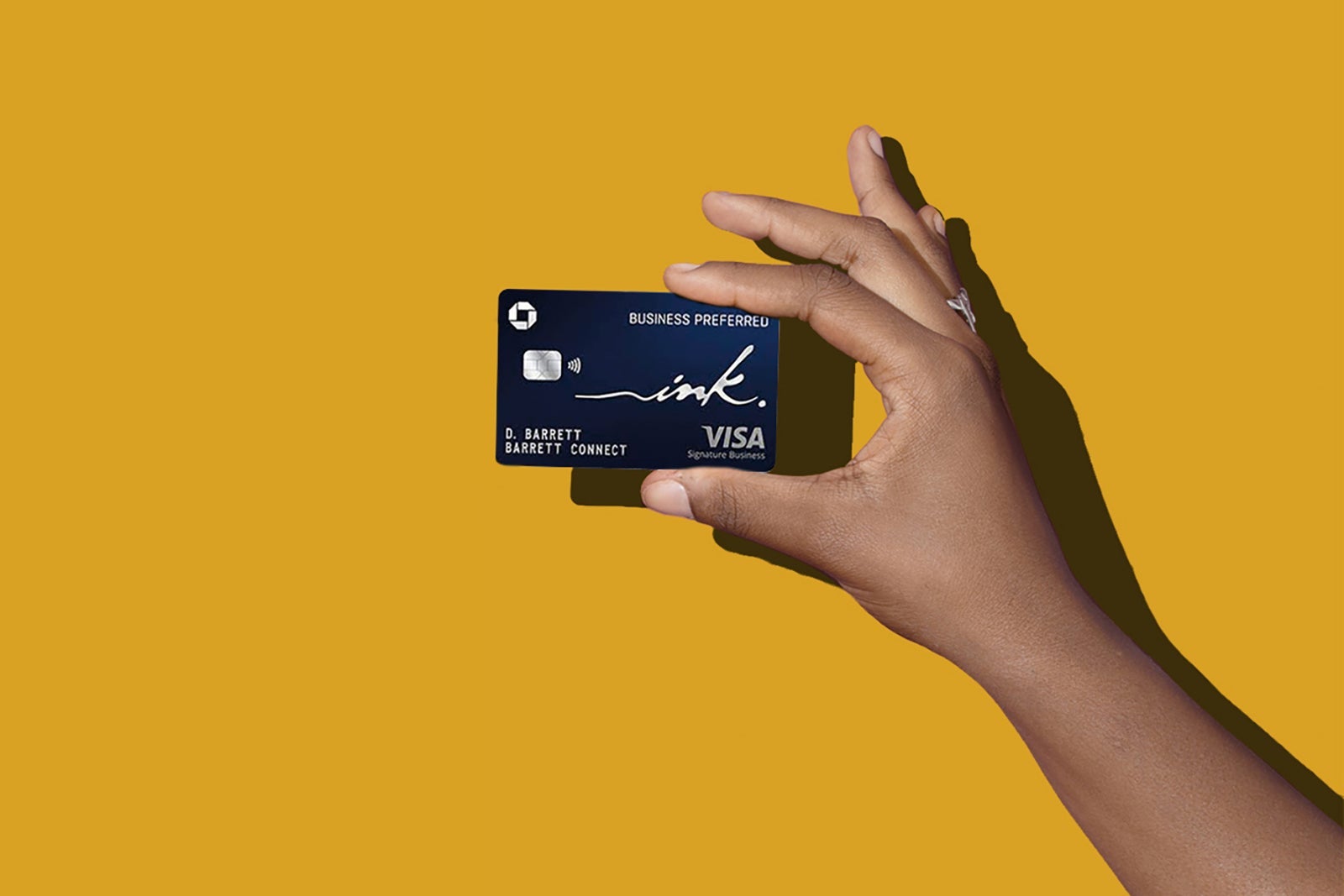
Ink Business Preferred Credit Card
Welcome bonus: Earn 100,000 points after spending $8,000 on purchases within the first three months from account opening.
This welcome bonus is worth $2,050, according to TPG’s May 2026 valuations.
Annual fee: $95
Earning rates:
- 5 points per dollar spent on Lyft rides (through Sept. 30, 2027)
- 3 points per dollar on travel, advertising purchases made with social media sites and search engines, shipping purchases and cable, internet and phone services (on the first $150,000 spent in combined purchases each account anniversary year)
- 1 point per dollar on all other purchases
Who should apply? This is the only Ink card that earns full-fledged Ultimate Rewards points — those you can transfer to airlines and hotels — on its own rather than cash back. It is also the only Ink card that earns bonus points on travel purchases, specifically.
The annual fee is low enough that freelancers and side hustlers can easily offset the cost, and the higher spending cap on business bonus categories makes it a nice card for established business owners with offices and employees.
To learn more, read our full review of the Ink Business Preferred.
Apply here: Ink Business Preferred
Related: Who is eligible for the Chase Ink Business Preferred?
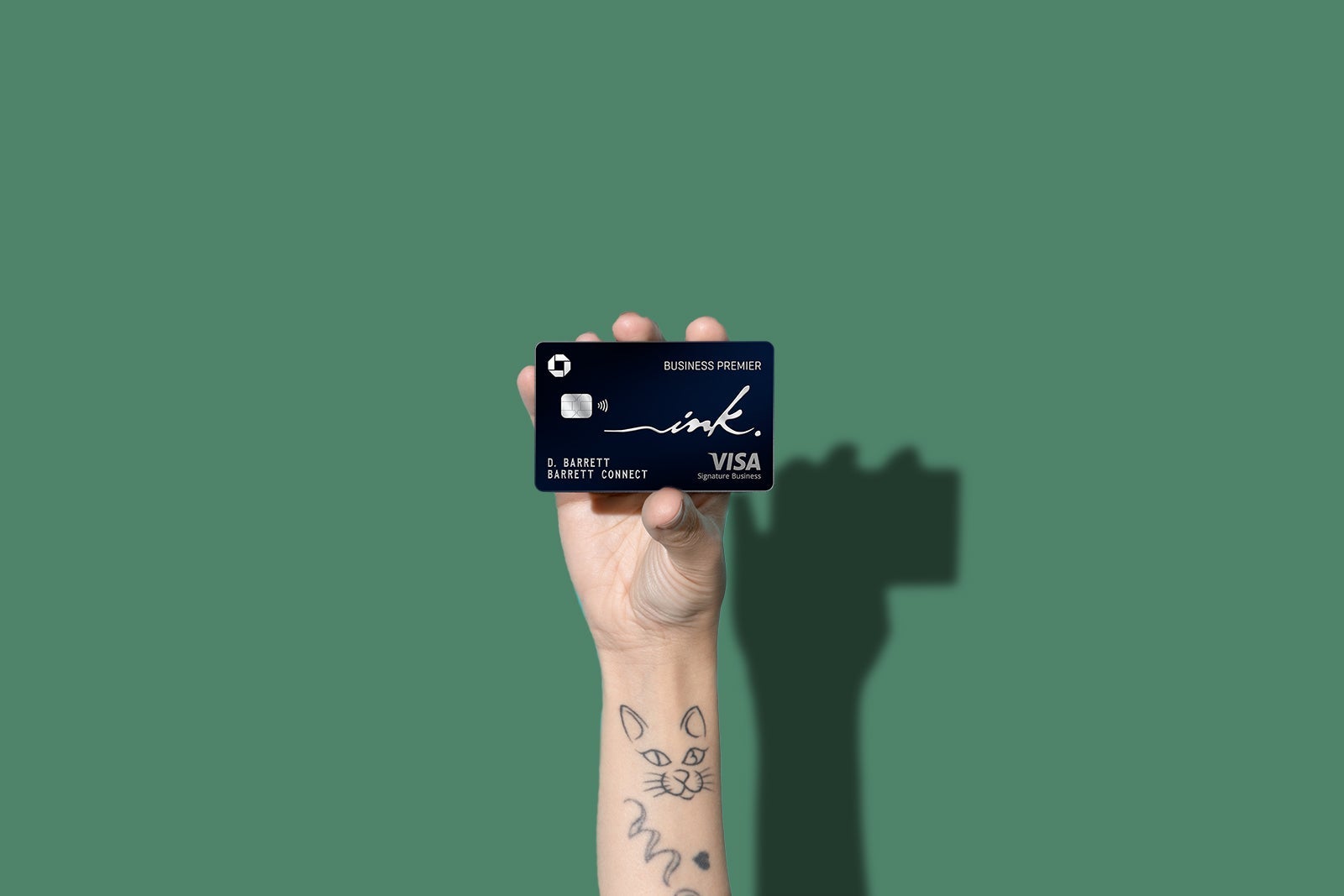
Ink Business Premier Credit Card
Welcome bonus: Earn $1,000 cash back after spending $10,000 on eligible purchases within the first three months of account opening.
Annual fee: $195
Earning rates:
- 5% cash back on travel purchased through Chase Travel℠
- 5% cash back on Lyft rides (through Sept. 30, 2027)
- 2.5% cash back on purchases of $5,000 or more
- 2% cash back on all other eligible purchases
Who should apply? The Ink Business Premier is the most premium cash-back offering in the Chase business card family, carrying a $195 annual fee.
Unfortunately, the Ink Business Premier does not earn fully transferable Ultimate Rewards points like its counterpart, the Ink Business Preferred. You also can’t transfer the rewards earned on the Ink Business Premier to other Ultimate Rewards cards.
Instead, Ink Business Premier cardholders can redeem their points for cash back, gift cards, statement credits and travel through Chase Travel. As such, this card is geared toward business owners with high operating expenses who want to recoup the $195 annual fee and earn cash back to invest back into their business (rather than earning travel rewards).
The Ink Business Premier is a niche option that likely won’t appeal to travel rewards enthusiasts but can be attractive to those who want a simple yet lucrative card with no preset spending limit.
To learn more, read our full review of the Ink Business Premier.
Apply here: Ink Business Premier
Related: Who should (and who shouldn’t) get the Ink Business Premier?
Ink Business Unlimited Credit Card
Welcome bonus: Earn $750 bonus cash back after spending $6,000 on purchases in the first three months from account opening.
Annual fee: $0
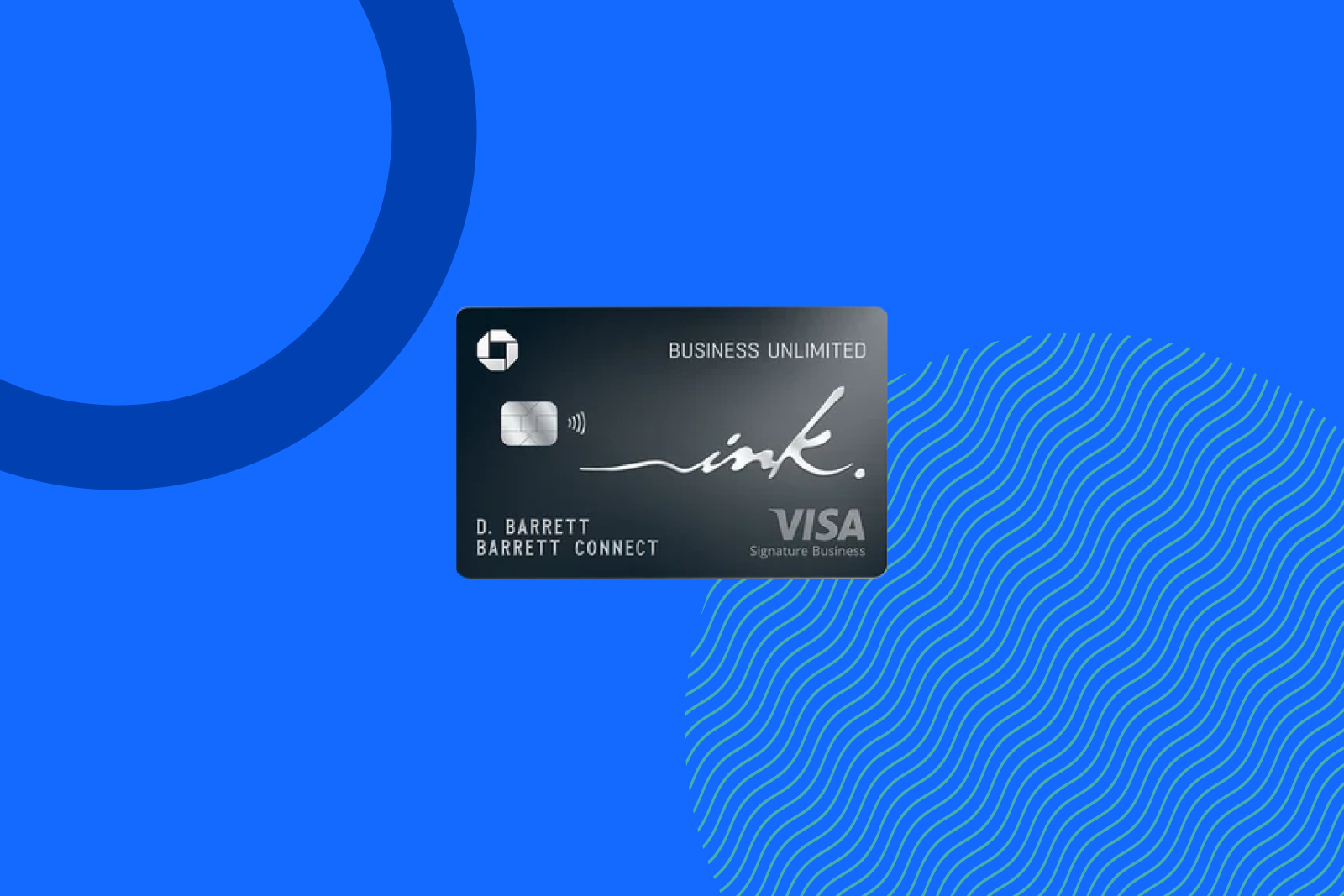
Earning rates:
- 5% cash back on Lyft rides (through Sept. 30, 2027)
- 1.5% cash back on all purchases
Who should apply? This is an excellent card for freelancers who want a card that earns well on every dollar without having to keep track of bonus categories. It’s also a great choice for business owners who need a card for their expenses that don’t fall under a bonus category with their other cards, since you get unlimited 1.5% back on every purchase.
For freelancers or those with side hustles, this means maximizing every purchase without juggling multiple cards with annual fees. For established businesses, this is a great card to pair with other Chase cards, covering purchases that don’t have extra earnings on other cards.
As with the Ink Business Cash, you have the ability to maximize your cash back by converting it to points with a premium Chase card.
To learn more, read our full review of the Ink Business Unlimited.
Apply here: Ink Business Unlimited
Which Ink Business card is right for you?
There are multiple factors to consider when you’re selecting an Ink Business card. Here are some top considerations:
- For office supply store and telecommunications service purchases: The no-annual-fee Cash earns 5% cash back at office supply stores and on telecommunications services (up to $25,000 of these purchases each account anniversary year).
- For benefits to complement cash-back Ink Business cards: The Preferred offers more rewards that can complement the Cash and/or Unlimited while only charging a minimal annual fee.
- For high-spending businesses: The Premier is a good option for businesses that spend thousands annually and want to earn a lucrative 2%-2.5% cash-back rate on all eligible purchases.
- For everyday spending outside of bonus categories: The Unlimited racks up 1.5% cash back on all purchases without category restrictions, spending limits or an annual fee.
While you’re weighing benefits, consider that the Preferred and Premier set themselves apart with cellphone protection. This can be valuable considering the high cost of smartphones.

The Preferred and Premier cards charge no foreign transaction fees, while the Cash and Unlimited cards charge a 3% fee on foreign transactions.
If you already carry the Cash or Unlimited, you might want to consider adding the Preferred to your lineup for four main reasons:
- Rewards earned on Chase cash-back cards, such as the Cash or Unlimited, can be transferred to the card and then used as full-fledged Chase Ultimate Rewards points with travel partners.
- The ability to earn 3 points per dollar spent on travel and advertising purchases made with social media sites and search engines (up to $150,000 of these purchases per account anniversary year).
- The cellphone protection benefit can easily justify the $95 annual fee.
- The high value of the welcome bonus.
But suppose your business doesn’t spend much on the bonus categories of the Cash or Preferred. In that case, you may be better off simply earning 1.5% cash back on everything with the Unlimited.
Related: How to complete a Chase business credit card application
Can I have more than one Ink Business credit card from Chase?
Yes, you can. This option can be appealing for businesses that are fully invested in the Ultimate Rewards ecosystem and want to maximize purchases across multiple bonus categories.
Here’s an example of how to approach this:
- Ink Business Cash: Use this card at office supply stores and on telecommunication purchases to earn 5% back (or 5 points per dollar spent), and use it at restaurants to earn 2% back (or 2 points per dollar spent).
- Ink Business Preferred: Use this card for travel, shipping and advertising purchases with social media platforms and search engines to earn 3 points per dollar spent. Plus, use it for all purchases outside the U.S. to avoid foreign transaction fees.
- Ink Business Unlimited: Use this card for all other purchases to earn 1.5% back (or 1.5 points per dollar spent).
If you then combine all of your earnings from these cards under your Ink Business Preferred, you’ll have a large balance of fully transferable Ultimate Rewards points.

Also consider the Ink Business Premier (as an alternative to the Unlimited) for all other purchases if you’re happy earning cash back or if you need a card with no preset spending limit when making large purchases.
Related: Why you may want the Ink Business Preferred over the Sapphire Reserve
Ink Business application restrictions
You can open each Ink Business card, earn the welcome bonus on each and even qualify for bonuses across multiple businesses. However, Chase’s standard application rules still apply.
Generally, it’s best to limit yourself to one personal and one business card application with Chase within any 90-day period. You’ll also want to keep the Chase 5/24 rule in mind: if you’ve opened five or more personal credit cards in the past 24 months, you’ll likely be denied for most new Chase cards. (The good news is that Chase business cards don’t add to your 5/24 count once opened.)
If you aren’t instantly approved, you may be asked to provide additional details about your business or submit supporting documents during a reconsideration call. A little extra effort can go a long way, unlocking the valuable rewards these cards offer.
Bottom line
Chase’s Ink Business lineup offers some of the most rewarding small-business cards on the market, with options for both cash back and transferable Ultimate Rewards points. By strategically pairing two or more Ink cards, you can cover a wide range of spending categories, unlock valuable travel protections and maximize every business purchase.
Whether you’re a freelancer, side hustler or established business owner, there’s likely an Ink card — or a combination of them — that can boost your rewards strategy while helping you keep business and personal expenses separate.
Apply here: Ink Business Cash Credit Card
Apply here: Ink Business Preferred
Apply here: Ink Business Premier
Apply here: Ink Business Unlimited Credit Card

Stacie Harris is a local resident and reporter of the Maple Grove area. Stacie reports on medicine and science for the Maple Grove Report.