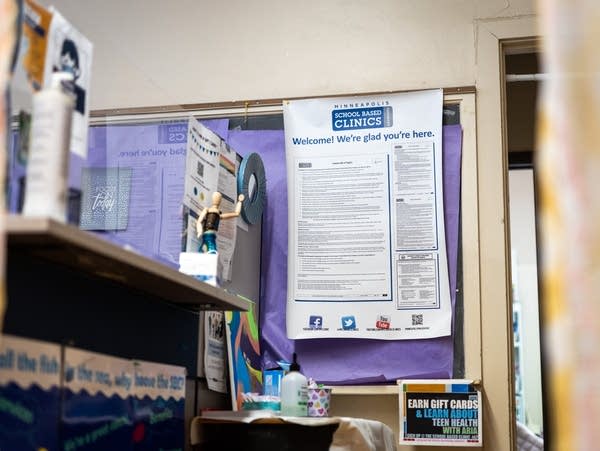

Pregnancy, birth rates, and sexually transmitted infections among Minnesota teenagers dropped significantly in 2024, continuing a decades-long downward trajectory, according to a new report by researchers at the University of Minnesota. But the study finds that there also continues to be sharp racial, ethnic, and geographic disparities in these rates here that are among the most stark in the country.
The 2026 Minnesota Adolescent Sexual Health Report, published by the University of Minnesota Medical School’s Center for Healthy Youth Development, found that:
From 2023 to 2024, the rate at which 15 to 19 year olds in the state gave birth decreased by 6 percent and the rate of the same aged teens getting pregnant decreased by 15 percent. Since their peak in 1990, teen pregnancy and birth rates in Minnesota have declined by more than 80 percent for adolescents under 20 years. Sexually transmitted infections declined between 2023 and 2024 with a 1.85 percent decrease in chlamydia rates and noticeably large 25 percent decrease in gonorrhea rates.
“We are seeing some pretty amazing and remarkable gains and wins here,” said Jill Farris, training and education director with the Center for Healthy Youth Development. “What we are seeing is some pretty big societal shifts in terms of how young people are making decisions about their sexual health and about sexual behaviors.”
Sexual activity amongst young people has reached historic lows. For example, in 1992, about a third of ninth graders reported having sex. More than 30 years later in 2025, only 7 percent of that age group reported having sex.
While sexual activity and being sexual is a normal and typical part of adolescence, Farris said the trend of teens having less sex is a positive development, as young people today may be seeking other ways of engaging in sexual intimacy. She said that more young people are defining relationships differently and increasingly identifying in more diverse ways than their parents or grandparents had.
“I think young people's definition of sex is way more broad than a lot of adults,” Farris said. “I think that young people are actually thinking a lot more broadly and creatively about their gender, about their orientation, and about all kinds of behaviors that work for them in their lives that I think are quite honestly maybe not even on the radar screen of the adults that are endeavoring to help.”
Minnesota’s teen pregnancy, birth and sexually transmitted infection rates are some of the lowest in the country, but Farris said the state also has some of the widest racial and geographic disparities in teen pregnancy, birth and STI rates.
For example, teen pregnancy and birth rates are higher in greater Minnesota and the state’s rural counties, where youth often don’t have adolescent-friendly reproductive and clinical health services easily within reach. And, of the reproductive health options that do exist, not all are confidential or accessible outside of school hours.
“Young people in a lot of rural counties have to go a pretty long distance to be able to get to a sexual health clinic, and a lot of counties don't even have a sexual health clinic in the county,” Farris said.
There are also large racial and ethnic disparities, especially in regard to sexually transmitted infections. Gonorrhea rates are 18 times higher among Black youth and seven times higher among American Indian youth.
“We should feel grateful and proud of these strides that young people have made, yet not every young person in Minnesota gets access to the same level of information and services and care,” Farris said.
The state is working to change that. During the 2024 legislative session, lawmakers passed a law to develop statewide health education education standards so there’s more consistency in how sexual education is taught and administered across the state. Farris said the standards are currently being reviewed by a judge, and they expect to learn more by the end of this month.
Minnesota is one of just a few states that doesn’t yet have these statewide standards. Sexual education in schools is often left up to the teacher’s discretion.
“If your teacher wants to teach this, isn't really put off by the topic, and knows how important it is, you might get some sex ed information,” Farris said. “You might also have a teacher that would really rather not touch this with a 40 foot pole.”
Sexual education alone can’t prevent pregnancies and STIs, but Farris said it’s far and away the best strategy to provide young people with the most accurate information about their changing bodies and their sexual health.
Moving forward, Farris said now is not the time to take the foot of the gas pedal. Increasing numbers of youth identify as LGBTQ+ and gender diverse, underscore the need for inclusive, affirming sexual health education and youth-centered health services at schools. And she hopes families and caregivers see this report as a call to action – a reminder of how important their role is as sexuality educators at home.
“That is something that reaches across [the] political divide, right?” Farris said. “It's not a controversial opinion to say that parents and kids should talk more.”