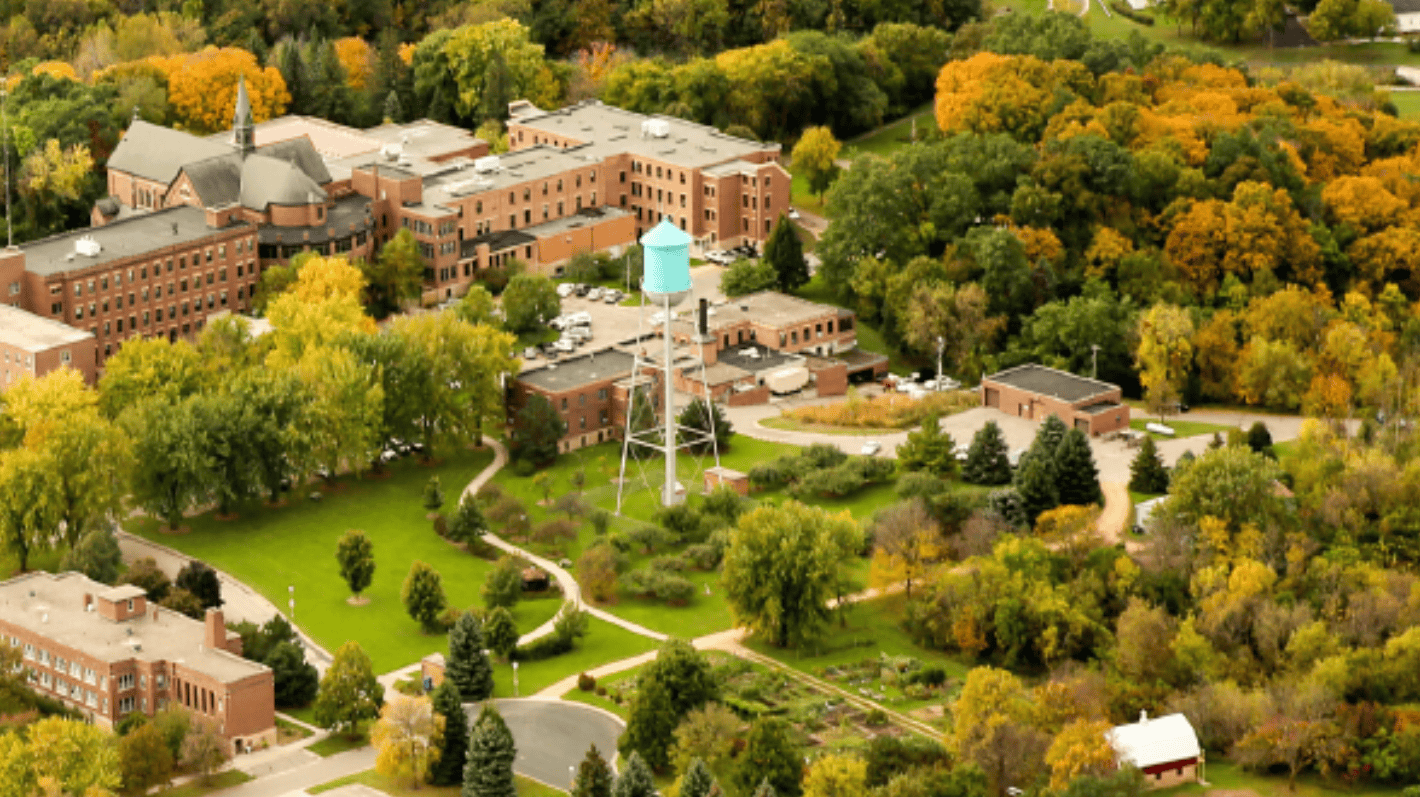
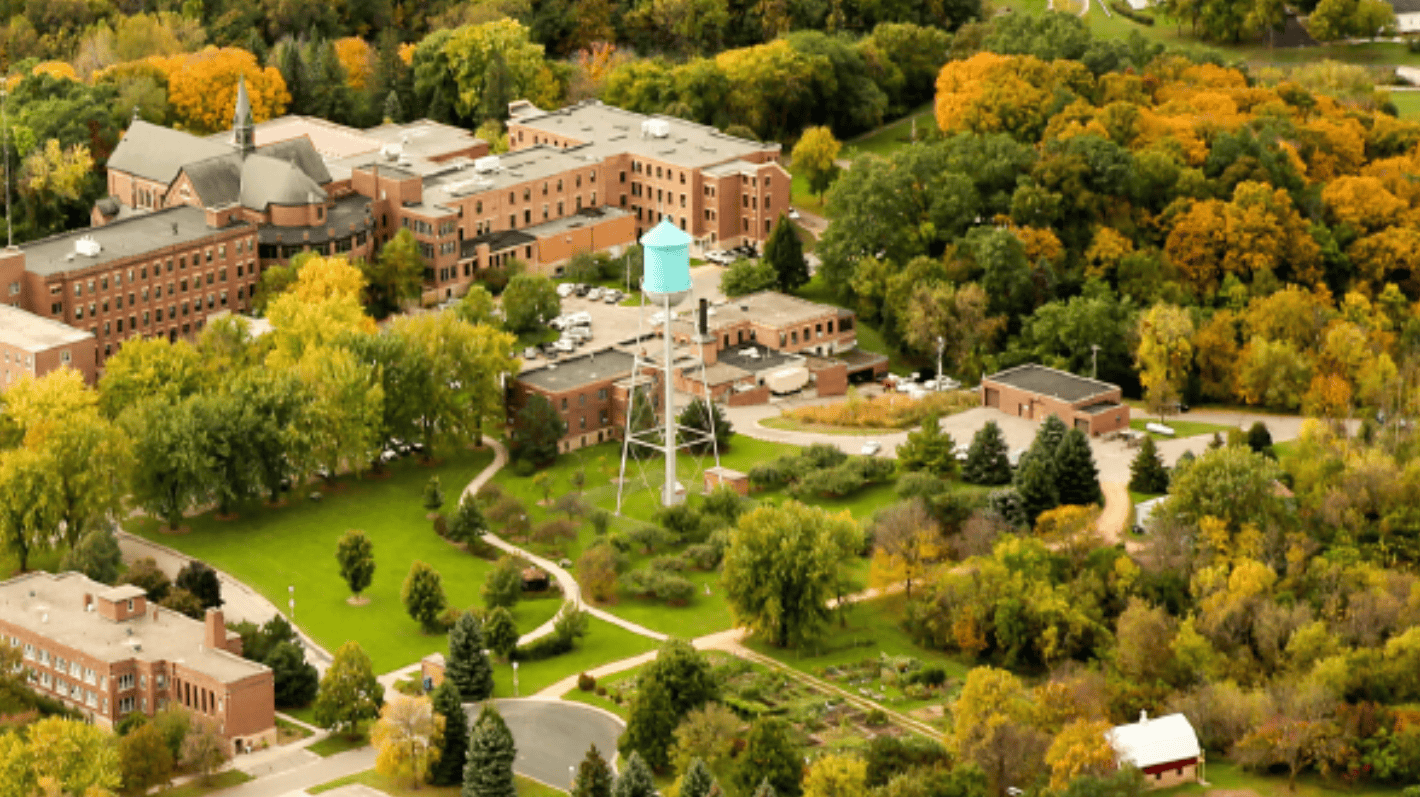
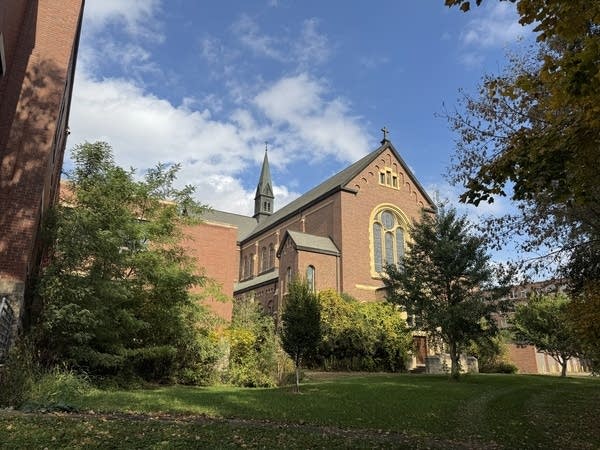
The sound of bulldozers, hammers and saws will fill the air where church bells once rang out and nuns sang hymns as construction work begins this week on new, affordable single-family homes on the grounds of the Our Lady of Good Counsel campus in Mankato.
The Southwest Minnesota Housing Partnership is about to break ground on Good Counsel Meadows as part of a redevelopment project at the former convent site, according to Jen Theneman, campus director of Good Counsel and the director of real estate and community initiatives at the affordable housing nonprofit.
Construction crews will start clearing land and evening out the ground, dividing the pasture land area adjacent to the Tourtellotte Park neighborhood into 11 single family home lots. Construction on eight of those homes is expected to be completed and the houses will be available to new homeowners by fall. Three additional single family homes will be built in 2027.
The homes will be sold below market prices through a community land trust, in which low-income buyers purchase the house while the nonprofit retains ownership of the land beneath it. Theneman said the unique setup helps lower purchase costs and limits future resale prices to preserve affordability.
“The land lease is good for 99 years and renewable for another 99, so it has longevity and sustainability,” she said. “[The buyers] can live there as long as they want, and they own the home, they pay taxes and they have the deed. They can pass it onto their children when they’re ready to or when they pass on. So it’s also a way for low-income families to build wealth.”
The historic campus was established in 1912 on a bluff overlooking the Minnesota River Valley as the home of the School Sisters of Notre Dame. Included in the purchase were buildings that were used as senior and assisted living housing for the nuns, the last of whom left the property in 2022 when they moved to an assisted living center in Shakopee.
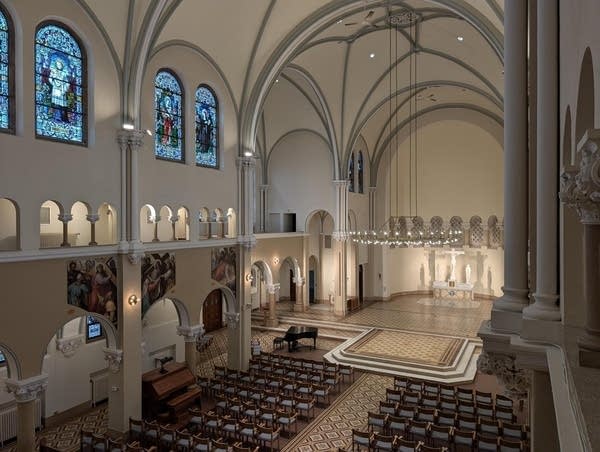
SWMHP plans to renovate the main complex of the sisters’ residential buildings on the hilltop portion of the property into about 50 apartments.
Due to the historic significance and connections the site has to the Mankato community, Theneman said the rollout of the redevelopment project needs to be done slowly.
“There’s so many people that have a connection to this campus,” Theneman said, “whether they went to school here, or they knew the sisters, or just appreciated the beauty of the landscape, or attended the gardens that are up here. So, there’s a lot of people that are connected and want to be a part of its future, and so we’re happy to continue to make that possible for people.”
The housing nonprofit closed on the nearly 100-acre property at the end of last December in order to redevelop the site as affordable housing.
A Mankato housing study published in April 2025 found that the overall rental vacancy rate in Mankato is just 1.7 percent. A healthy rental vacancy rate is considered to be closer to 5 percent. And Mankato has virtually no vacancy for people with disabilities or those seeking senior housing.
This isn’t an isolated problem. All of Minnesota’s 87 counties have a limited supply of affordable homes that are available to renters with extremely low income, according to the Minnesota Housing Partnership’s 2026 County Profiles. In almost 80 percent of counties, the shortage exceeds 100 homes; and in nearly one-third of counties, it exceeds 500 homes.
Statewide, home values rose faster than homeowner incomes from 2023 to 2024, and home values have increased in every county in the state.
At least one in four renters are paying more than they can afford for housing statewide. In 20 Minnesota counties, more than half of renters are cost-burdened, which means they spend more than 30 percent of their gross household income on housing and utilities.