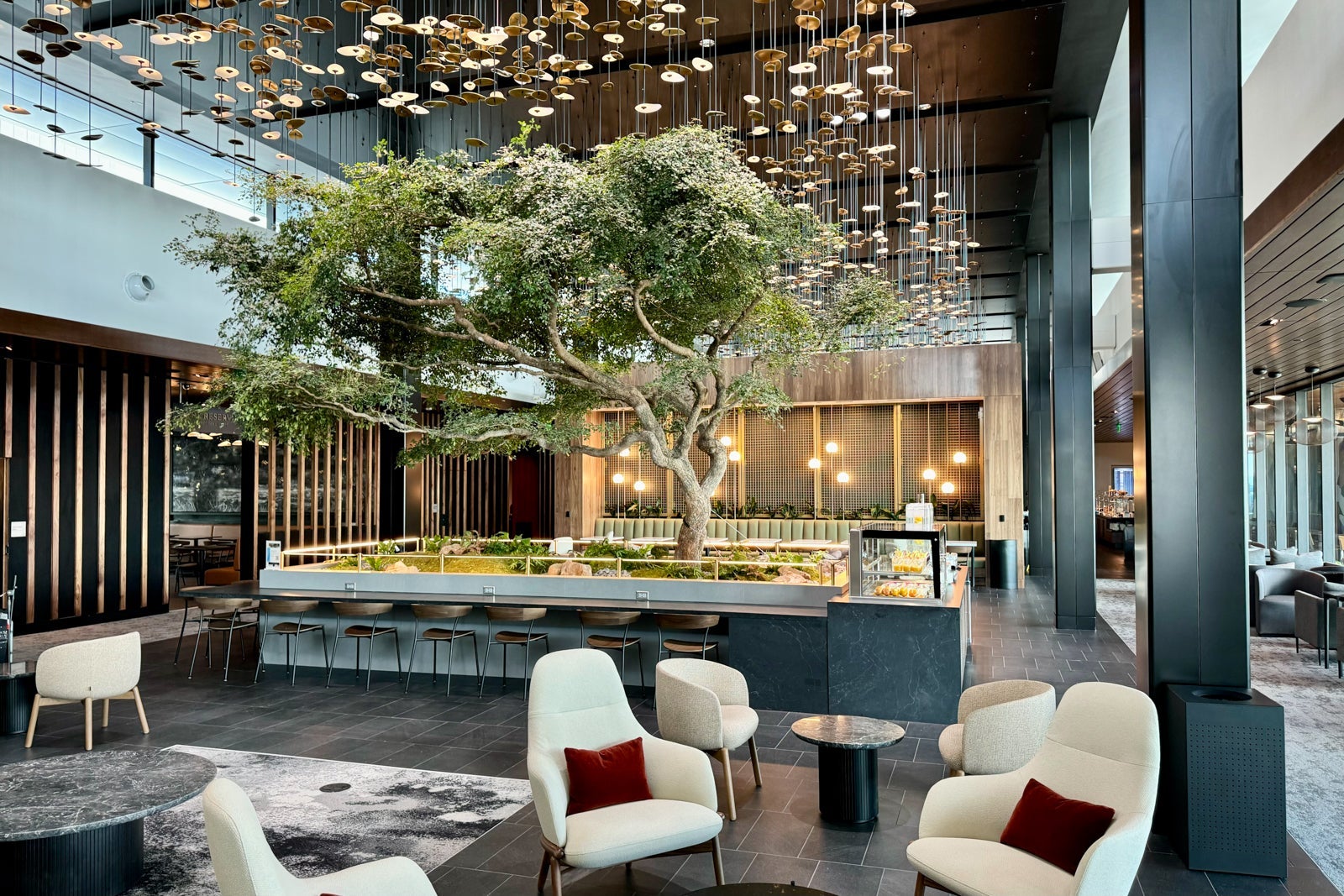

If I’m honest, Centurion Lounge access is the primary reason I’ve kept The Business Platinum Card® from American Express and my husband has kept his American Express Platinum Card®. We frequently fly through airports with Centurion Lounges and enjoy stopping in for a drink and a meal before departure or getting work done for a few hours during a layover.
American Express continues to open new Centurion Lounges and has changed its access policies several times since opening its first lounge. I’ll discuss what you should know about Amex Centurion Lounge access in this article.
Where are Centurion Lounges?
Here’s a list of the U.S. airports that currently have Amex Centurion Lounges and where you’ll find each lounge:
- Charlotte Douglas International Airport (CLT): At the intersection of concourses D and E
- Dallas Fort Worth International Airport (DFW): In Terminal D, across from Gate D12
- Denver International Airport (DEN): In Concourse C, near Gate C46
- George Bush Intercontinental Airport (IAH) in Houston: Via the elevator located in the Duty Free Shop near Gate D12
- Harry Reid International Airport (LAS) in Las Vegas: In Concourse D, opposite Gate D1
- Hartsfield-Jackson Atlanta International Airport (ATL): In Concourse E, next to Gate E11
- John F. Kennedy International Airport (JFK) in New York: In Terminal 4, beyond the security checkpoints and to the left of the escalators that take passengers downstairs to the gate level
- LaGuardia Airport (LGA) in New York: In Terminal B, before the Eastern Concourse pedestrian bridge
- Los Angeles International Airport (LAX): In the Tom Bradley International Terminal, before the bridge to the Great Hall
- Miami International Airport (MIA): In Concourse D, near Gate D12
- Philadelphia International Airport (PHL): In Terminal A West, near Gate A14
- Phoenix Sky Harbor International Airport (PHX): In Terminal 4, across from Gate B22
- Ronald Reagan Washington National Airport (DCA) near Washington, D.C.: In Terminal 2, before the entrance to the B gates
- Salt Lake City International Airport (SLC): In Concourse B, near gate B31
- San Francisco International Airport (SFO): In Terminal 2, Concourse D, right after the security checkpoint (this location is temporary; the permanent location in Terminal 3 should reopen in 2027)
- Seattle-Tacoma International Airport (SEA): In the Central Terminal, accessible from the food court by elevator or staircase
Related: How to choose a credit card for airport lounge access
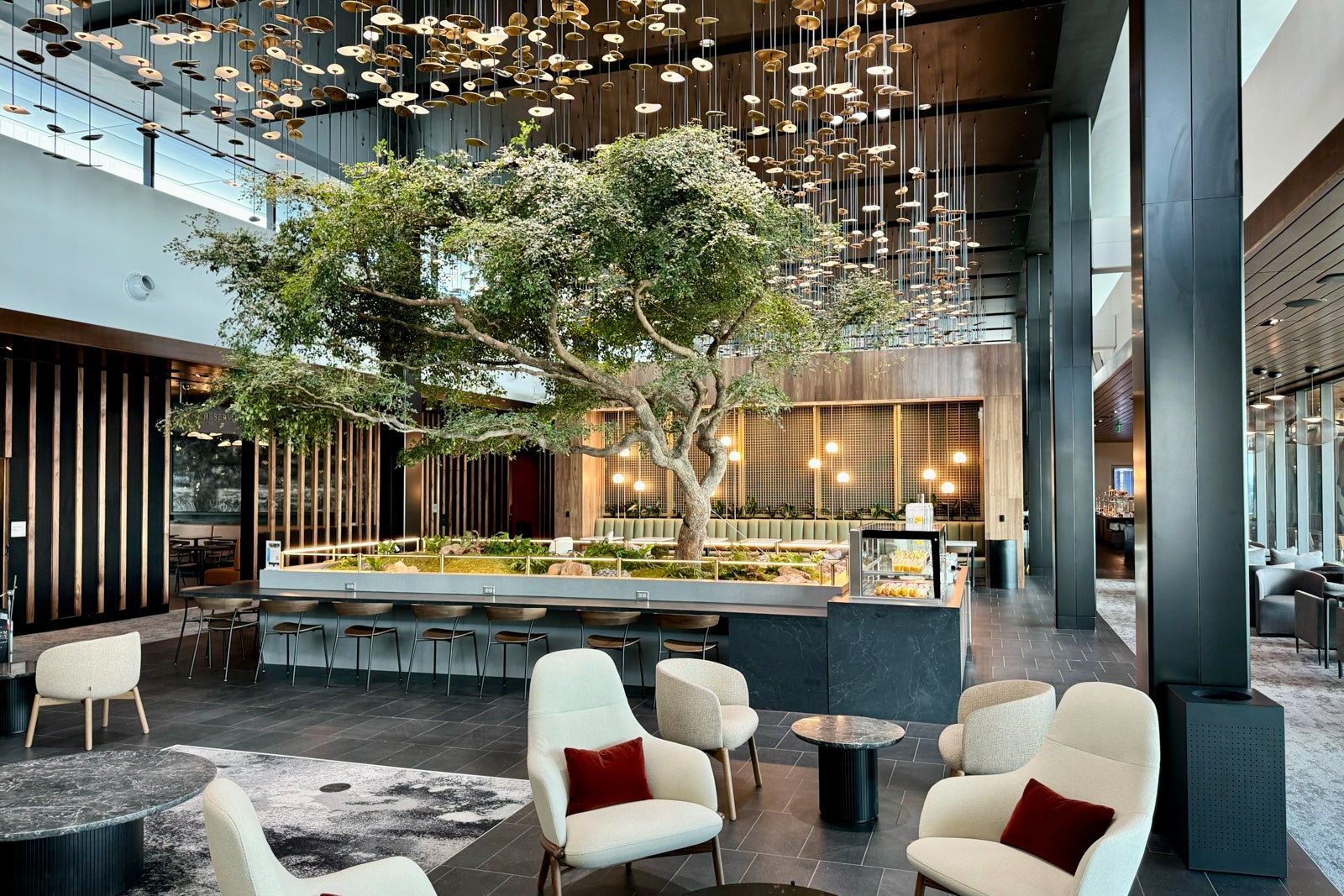
And here’s a list of the international airports that currently have Centurion Lounges:
- Chhatrapati Shivaji Maharaj International Airport (BOM) in Mumbai
- Ezeiza International Airport (EZE) in Buenos Aires, Argentina
- Haneda Airport (HND) in Tokyo
- Heathrow Airport (LHR) in London
- Hong Kong International Airport (HKG)
- Indira Gandhi International Airport (DEL) in New Delhi
- Melbourne Airport (MEL) in Australia
- Mexico City International Airport (MEX)
- Monterrey International Airport (MTY) in Mexico
- Stockholm Arlanda Airport (ARN)
- Sydney Airport (SYD)
Amex is also planning to open Centurion Lounges at Amsterdam Airport Schiphol (AMS), Boston Logan International Airport (BOS) and Newark Liberty International Airport (EWR).
Sidecar by the Centurion Lounge
American Express has recently debuted a new lounge concept called Sidecar by the Centurion Lounge. The issuer has opened one “speakeasy-style” location at LAS, and it has plans to open another at CLT in 2027.

Reward your inbox with the TPG Daily newsletter
Join over 700,000 readers for breaking news, in-depth guides and exclusive deals from TPG’s experts
Related: A guide to lounge access with the Amex Platinum and Business Platinum
How to get into Centurion Lounges
Now that you know where Amex Centurion lounges are, here’s how to get into these popular airport lounges with cards issued in the U.S.
Cards that provide Centurion Lounge access
The following American Express cardmembers get complimentary access to Centurion Lounges:
Delta Reserve and Reserve Business cardmembers only get Centurion Lounge access when flying on a same-day Delta-marketed or Delta-operated flight booked with a U.S.-issued American Express charge or credit card.
The information for the Corporate Platinum and Centurion cards has been collected independently by The Points Guy. The card details on this page have not been reviewed or provided by the card issuer.
Related: Amex Platinum vs. Business Platinum: Which premium Amex card is right for you?
Here’s a look at the welcome offers on some of the cards that offer Centurion Lounge access:
- American Express Platinum Card ($895 annual fee; see rates and fees): Find out your offer and see if you are eligible for as high as 175,000 Membership Rewards points after spending $12,000 on purchases within the first six months of card membership. Welcome offers vary, and you may not be eligible for an offer.
- The Business Platinum Card from American Express ($895 annual fee; see rates and fees): Find out your offer and see if you’re eligible for as high as 300,000 bonus points after spending $20,000 on purchases in the first three months of card membership. Welcome offers vary, and you may not be eligible for an offer.
- Delta SkyMiles Reserve American Express Card ($650 annual fee; see rates and fees): Find out your offer and see if you are eligible for as high as 100,000 bonus miles after spending $5,000 on purchases in the first six months of card membership. Welcome offers vary, and you may not be eligible for an offer.
- Delta SkyMiles Reserve Business American Express Card ($650 annual fee; see rates and fees): Earn 80,000 bonus miles after spending $12,000 on purchases in the first six months of card membership.
What you need for Centurion Lounge access
At the Centurion Lounge check-in desk, you must show the following:
- A valid card
- A same-day boarding pass
- A physical government-issued ID
For example, when I visited the Centurion Lounge in Atlanta, I handed over my Business Platinum Card and driver’s license before holding up my mobile boarding pass for the agent to scan.
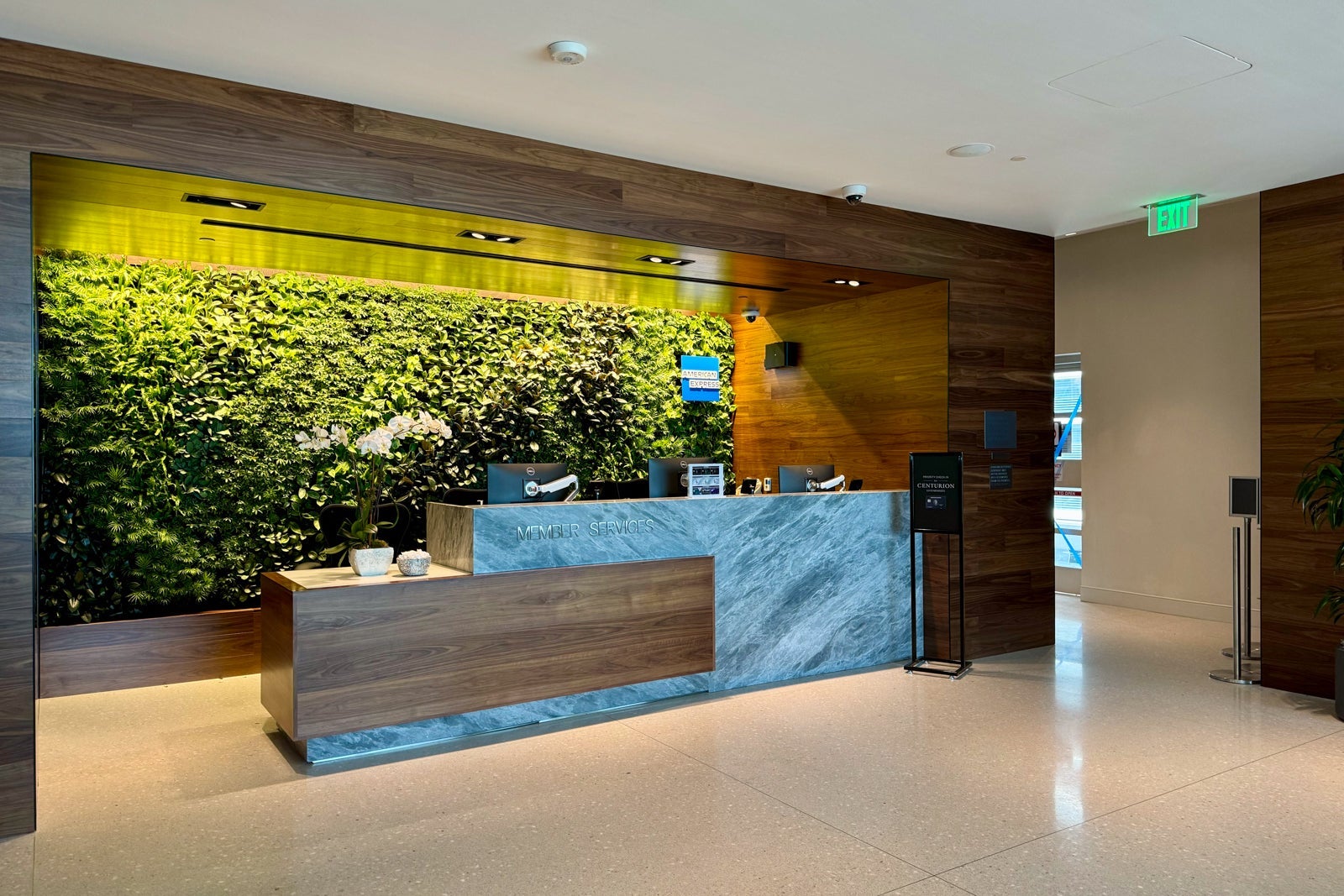
The name on your card, boarding pass and ID must all match. Additionally, Delta SkyMiles Reserve and Delta SkyMiles Reserve Business cardmembers can only visit Centurion Lounges in U.S. cities, Hong Kong, London and Tokyo when flying on a same-day Delta-marketed or Delta-operated flight that they booked with a U.S.-issued American Express charge or credit card.
Your boarding pass must show a confirmed seat or zone assignment, meaning that standby and nonrevenue passengers are usually not eligible for Centurion Lounge access. Amex also prohibits access to airline, airport and industry employees in uniform or wearing branded apparel, company ID or airport ID badges.
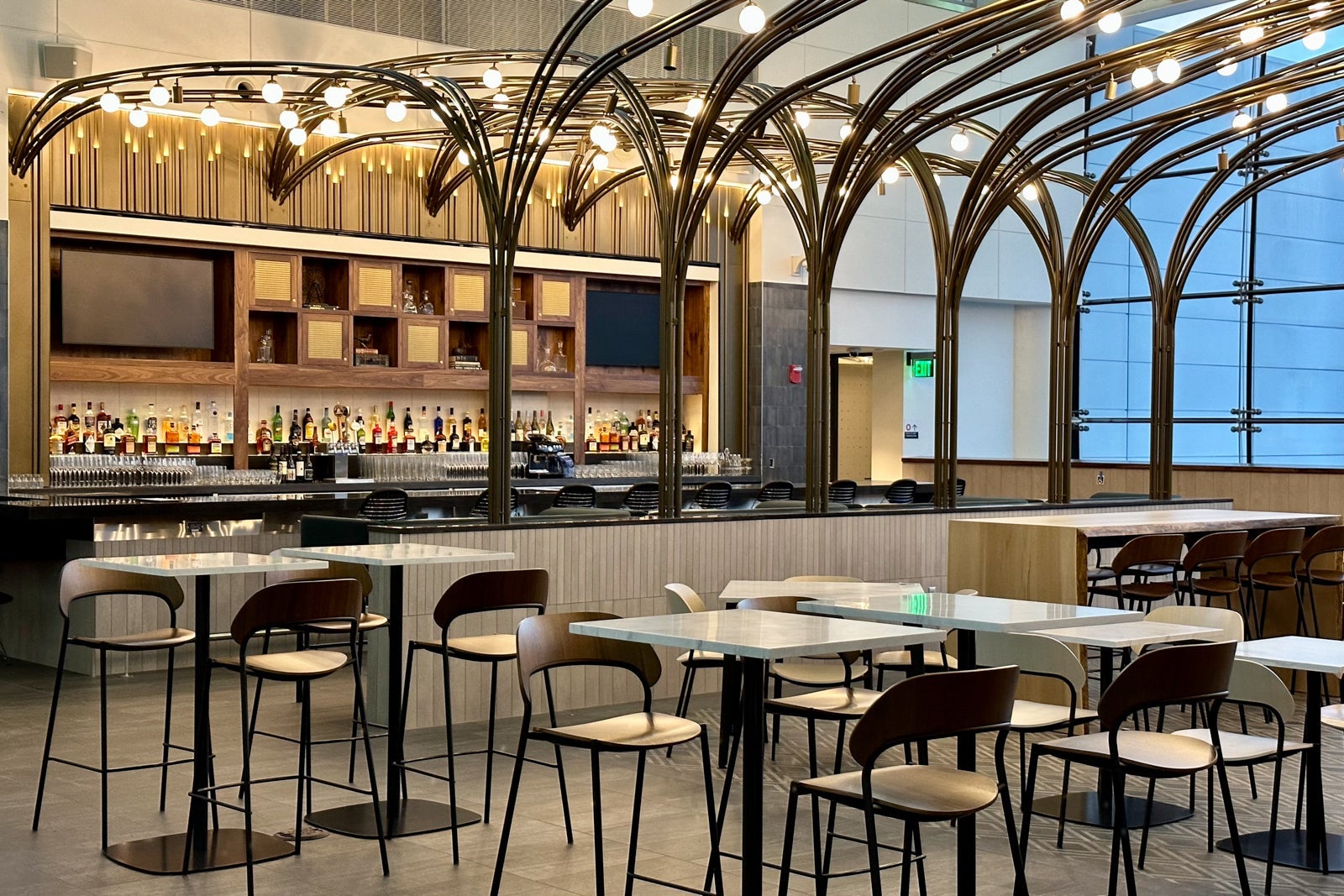
Currently, most Centurion Lounge locations in U.S. cities, Hong Kong, London and Tokyo only allow eligible cardmembers to enter within three hours of their departing flight. However, travelers on a same-day layover or connecting itinerary are generally exempt from that restriction, allowing them to access the lounge earlier during a connection.
Travelers whose departing flight leaves after the lounge closes may also be admitted up to three hours before the lounge closes, and some international locations allow you access if you have a same-day arrival itinerary.
Beginning July 8, American Express will introduce a new restriction specifically for layovers and connecting flights. Eligible cardmembers and guests will only be able to access participating Centurion Lounges within five hours of their departing connecting flight. The new policy will affect Centurion Lounges in the U.S. and select international locations, including Hong Kong, London, Melbourne, Sydney and Tokyo.
Centurion cardmembers may be exempt from some access restrictions, so check your specific lounge access terms for full details.
Related: The best lounge access credit cards to add to your wallet
Centurion Lounge guest policies
Even if you have Centurion Lounge access, you usually won’t be able to bring any complimentary guests, except children under 2.
However, Corporate Platinum Card members get two complimentary guests at Centurion Lounges in U.S. cities, London and Hong Kong, while Centurion members get two complimentary guests or immediate family members (spouse or domestic partner and children under 18) at no additional charge at all Centurion Lounges.
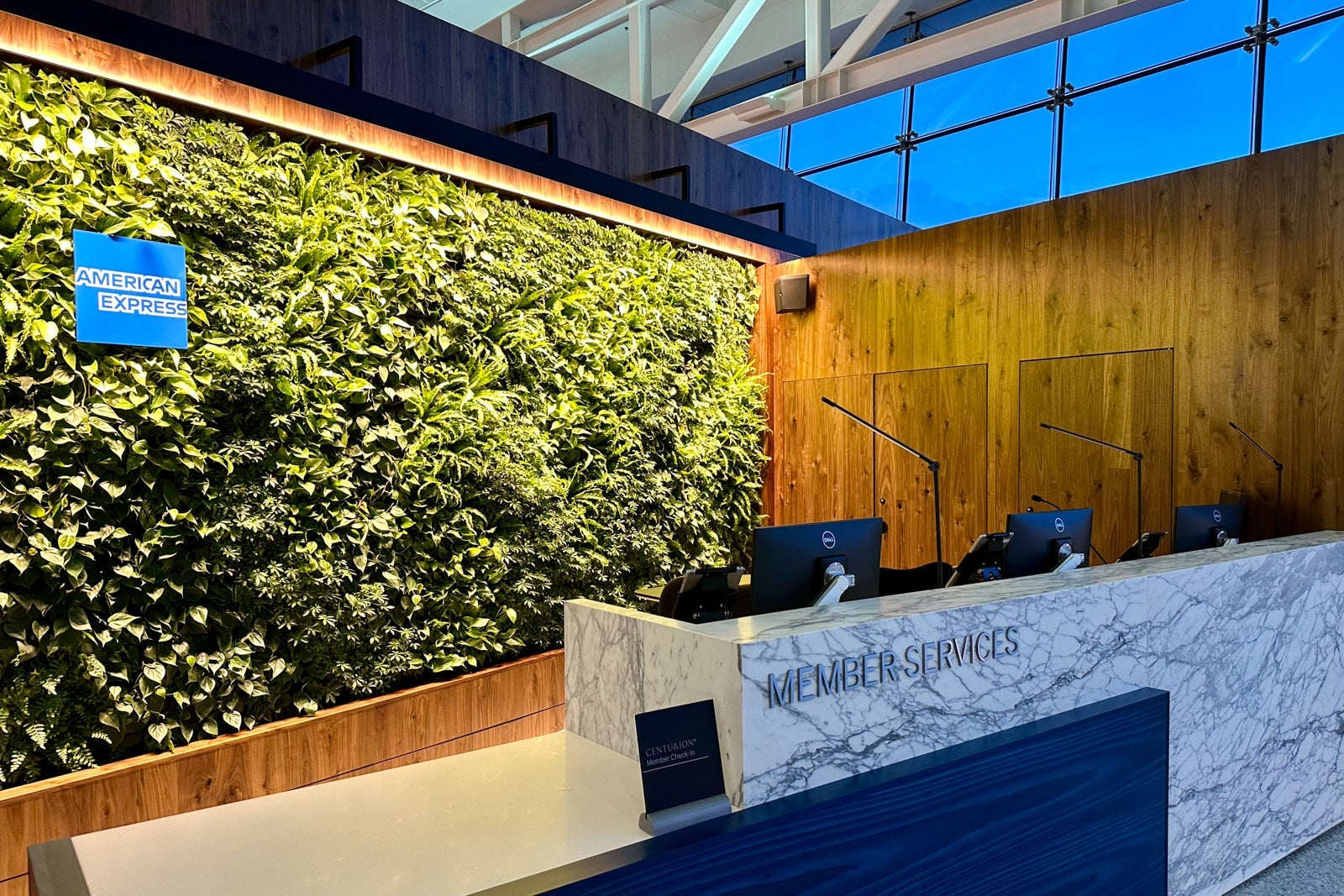
If you have guests that you must pay for, the cost is usually $50 per guest 18 and older and $30 per guest under 18. You can use any physical American Express card to pay for your guest fees, but Delta Reserve and Delta Reserve Business cardmembers can only pay for up to two guests (each of whom must be flying on a same-day Delta-marketed or Delta-operated flight).
American Express Platinum Card and Business Platinum Card members can avoid paying guest fees for up to two guests per visit by spending $75,000 or more on eligible purchases with their card in a calendar year. Once you reach this threshold, you’ll get complimentary guest access for the rest of the calendar year plus 13 additional months. Complimentary guest access is limited to two guests per cardmember, per visit, even if you earn this perk on multiple cards or accounts.
Starting July 8, guests of cardmembers must be traveling on the same flight as the cardmember to enter a Centurion Lounge. Previously, guests were not required to be on the same flight, which offered greater flexibility.
However, it’s worth noting that some international Centurion Lounge locations have different guest policies. For example, when I visited the Centurion Lounge in Stockholm, Platinum Card members got one complimentary guest. And Centurion Lounges in Mexico City charge $70 per guest. So, double-check the guest policies for the lounge you plan to visit on the Centurion Lounge website.
Related: Amex Platinum vs. Delta Reserve: Which card is best for Delta loyalists?
Bottom line
Amex Centurion Lounge access can be a valuable perk of select American Express cards, including the Amex Platinum and the Amex Business Platinum.
If you frequently travel from or through one or more airports with Centurion Lounges, that may be a compelling reason to get and keep a card that provides complimentary access.
Unfortunately, you’ll usually have to pay to bring even one guest to Centurion Lounges. So, this card perk is best used if you usually travel alone or with someone with a card that provides Centurion Lounge access. After all, I’d visit Centurion Lounges a lot less if I had to pay a guest fee for my husband each time.
For rates and fees of the Amex Platinum Card, click here.
For rates and fees of the Amex Business Platinum Card, click here.
For rates and fees of the Delta Reserve card, click here.
For rates and fees of the Delta Business Reserve card, click here.

Stacie Harris is a local resident and reporter of the Maple Grove area. Stacie reports on medicine and science for the Maple Grove Report.