If you’ve spent even a few minutes researching Chase credit cards, you’ve probably come across the infamous “5/24 rule.”
For many points and miles enthusiasts, it’s one of the most important — and frustrating — restrictions in the credit card world.
While Chase has never officially published the policy, countless applicant data points show that opening too many credit cards in a short period can make you ineligible for many of the bank’s most popular cards.
Here’s what you need to know about Chase’s 5/24 rule, including which cards are affected, what counts toward your total and whether there are any ways around it.
What is the Chase 5/24 rule?
In order to be approved for most Chase cards subject to 5/24, you cannot have opened five or more personal credit cards across all banks in the last 24 months (more on business cards in a moment).
WYATT SMITH/THE POINTS GUY
The 5/24 rule applies only to approvals for cards issued by Chase, but your 5/24 count includes credit cards from all banks.
Most Chase-issued rewards cards are subject to 5/24 for approval, including cobranded cards. The following are cards generally considered subject to the 5/24 rule:
Reward your inbox with the TPG Daily newsletter
Join over 700,000 readers for breaking news, in-depth guides and exclusive deals from TPG’s experts
*The information for these cards has been collected independently by The Points Guy. The card details on this page have not been reviewed or provided by the card issuer.
Reader reports also indicate that applying for too many Chase cards too quickly can lead to account scrutiny and shutdowns, regardless of your 5/24 status. Some online reports indicate that Chase will not approve more than two new accounts within 30 days.
Many experts recommend spacing out applications by at least three to four months.
For business cards, Chase may also request documentation, such as financial statements or articles of organization, to verify that you have a legitimate business or sole proprietorship.
We’ve found the easiest way to check your 5/24 status is to sign up for Experian‘s free credit report service. (Make sure you don’t accidentally sign up for a paid service.)
Using the Experian app, you can view all of your accounts and sort them by the date they were opened. From here, count all accounts opened within the last 24 months.
Chase only checks whether an account was opened, even if it has since been closed. Applications that were denied also won’t count against your 5/24 status.
MOMOPRODUCTIONS/GETTY IMAGES
According to the most recent data points, you will not technically be below 5/24 until the first day of the 25th month after your fifth account was opened. For example, if your fifth most recent account was opened in October 2024, do not apply for a new card until Nov. 1, 2026, at the earliest.
Authorized user cards from another person’s personal card opened in the past 24 months, as they’re reported on your credit report. (However, you can call the Chase reconsideration line and ask that these accounts not be considered.)
Specific store cards opened in the last 24 months that are part of a national payment system and can be used elsewhere. Some data points suggest that even store cards that can only be used at a single establishment also now count.
To be safe: Assume that if it’s a credit card and it shows up on your credit report, Chase will count it.
WESTEND61/GETTY IMAGES
The following accounts will not count toward your 5/24 standing:
Cards for which you applied but were ultimately denied. (Credit inquiries aren’t counted.)
Small-business cards from the majority of card issuers, with the known exceptions listed above.
Depending on how a bank processes a card conversion or upgrade (also known as a product change), it might not be reported as a new account. Before completing an upgrade or product change, ask the bank if a hard credit pull will be completed.
In addition, ask if you’ll receive a new account number after the switch.
If the answer to one (or both) of these questions is yes, that could be a sign that the account will be considered new and add to your 5/24 standing.
There have been some recent instances where cardholders bypassed the 5/24 rule through targeted “Just for you” offers.
To see if you’re targeted, navigate to “Just for you” under “Explore products” in the left-hand menu bar when you’re logged in to your online Chase account.
MSTUDIOIMAGES/GETTY IMAGES
If you want a card but are over the 5/24 limit, you can attempt a product change within the Chase Ultimate Rewards card family (assuming you’ve held the card you want to convert for at least a year).
However, unless you’ve been specifically targeted for a bonus to upgrade a card, you will not receive a welcome bonus for any product change.
Bottom line
Chase’s 5/24 rule is well established and shows no signs of disappearing anytime soon. This means you need to be extremely strategic with your application and rewards strategy to maximize your five allowed Chase slots.
If you’re starting in the realm of credit card rewards and aren’t close to 5/24, you’ll want to prioritize getting Chase cards first.
But remember not to try to fill your five slots with Chase cards too quickly. Take it slow and be smart about which cards you apply for and when you do it.
Major hotel companies have seen the value in investing in all-inclusive resorts in recent years, refreshing a formula that once felt tired. Thanks to their efforts, these properties routinely feature fresh, modern design, fantastic restaurants and curated experiences from snorkeling excursions to guided tours of historical sites, all for one reasonable price.
While Hilton’s all-inclusive portfolio is smaller than those of its competitors, its resorts pack a powerful, value-added punch. So, whether you’re a die-hard Hilton Honors member or a free agent just looking for a good deal, chances are there’s a Hilton all-inclusive for you.
Here are TPG’s favorite Hilton all-inclusive resorts to consider for your next warm-weather getaway.
Hilton Cancun Mar Caribe All-Inclusive Resort
CLINT HENDERSON/THE POINTS GUY
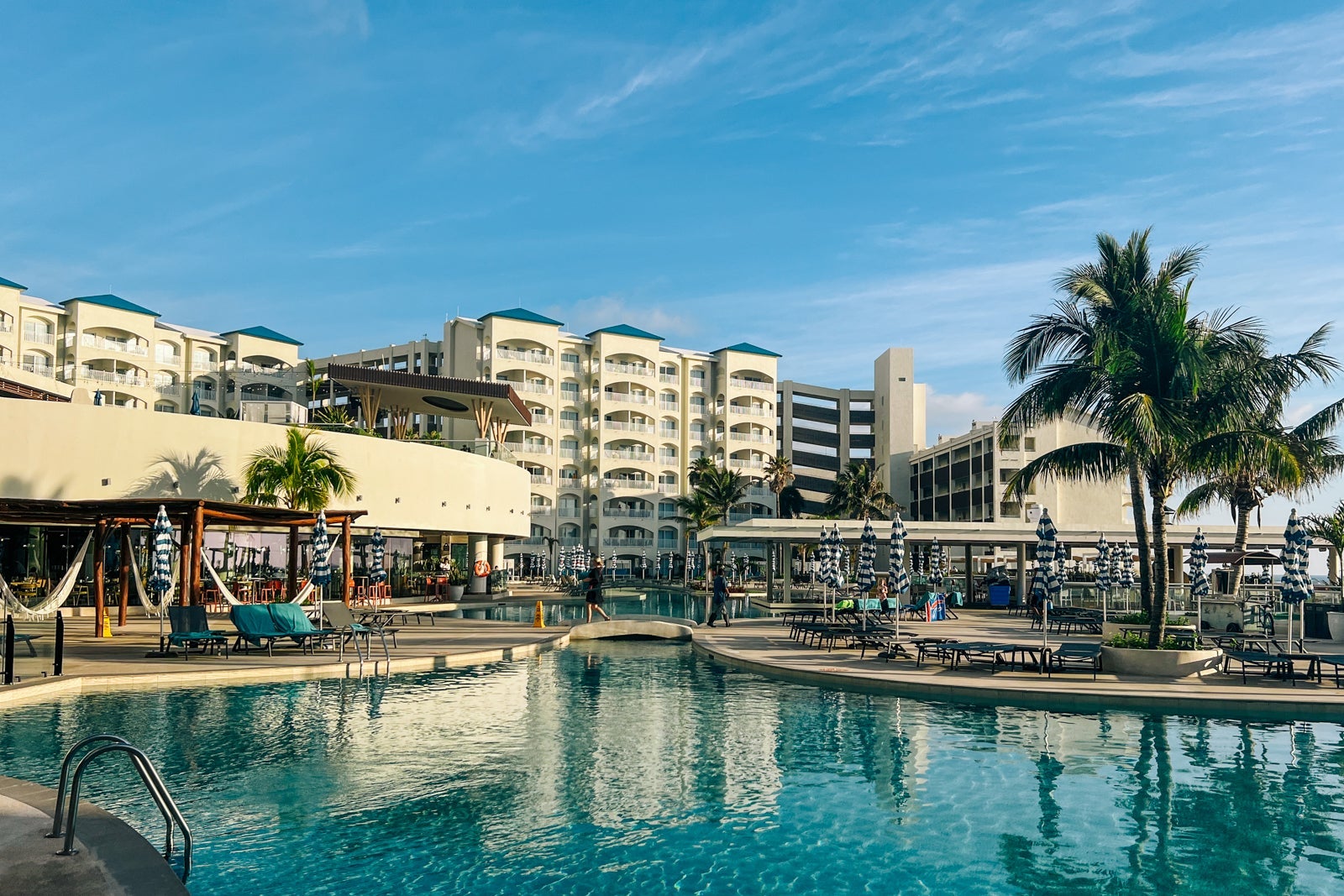
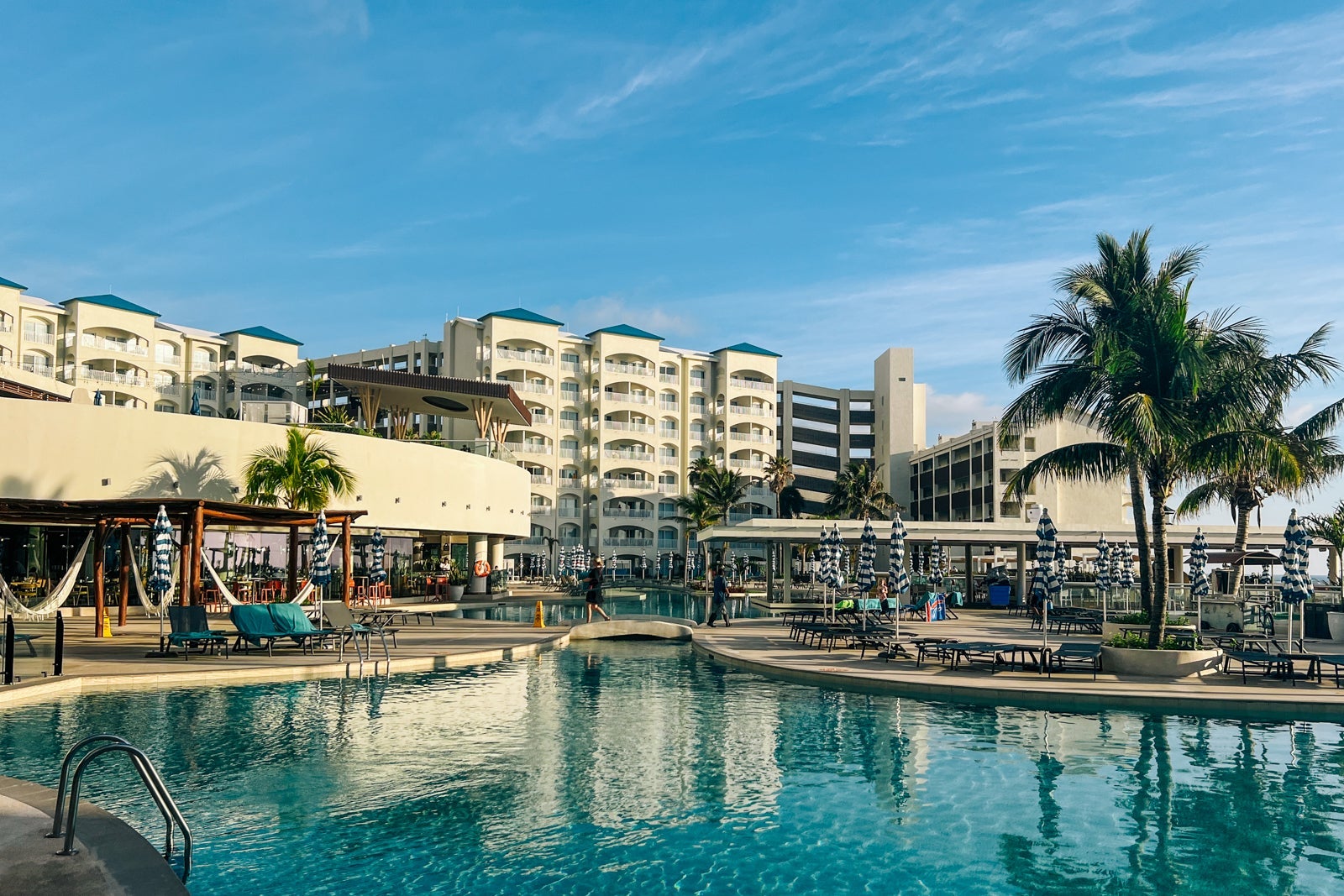
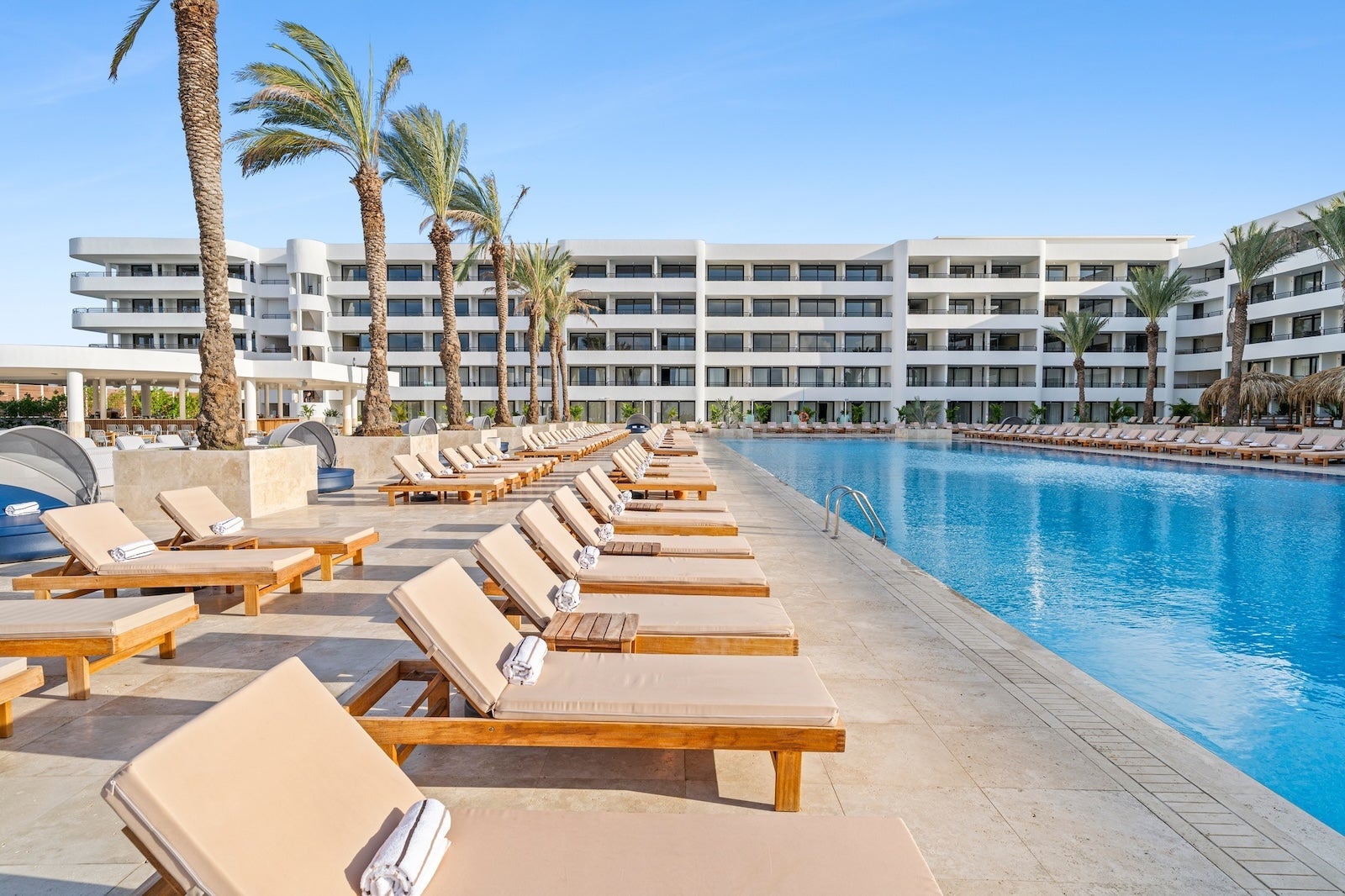
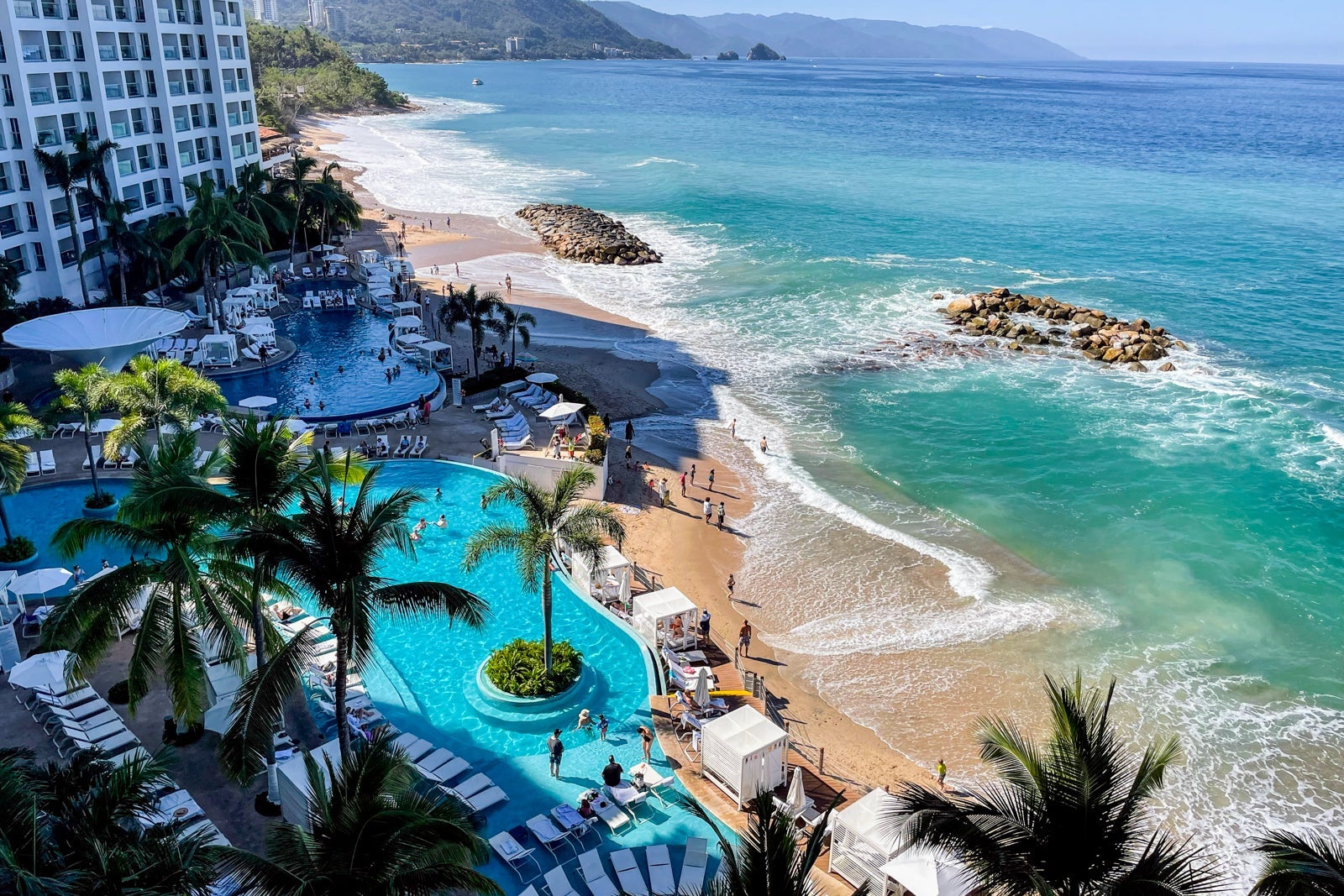
One of Hilton’s properties in Cancun, Mexico, this all-inclusive resort is a winner with its views and amazing restaurant lineup — as TPG found out when we checked in to the property. The Hilton Cancun Mar Caribe All-Inclusive Resort is just the place for you if you’re looking for a sunny getaway that earns top marks for service, has spacious rooms and suites, and keeps guests well fed.
All of the resort’s 540 guest rooms and suites come with balconies, and some suites even have private plunge pools. Modern furnishings with tropical flair, a complimentary minibar restocked daily, and either ocean or pool views are offered across all rooms and suites. If you’re in the mood to splurge, book an Enclave room or suite for a private lounge and pools, as well as special welcome amenities — some Enclave suites even feature direct beach access.
From the international breakfast buffet to poolside bites at Seasalt, the Hilton Cancun Mar Caribe keeps you well fed and hydrated all day long. We’re especially fond of Maxal, the resort’s Mexican fine dining restaurant. Of course, don’t forget to have fun in the sun: The resort features 13 swimming pools, kids and teens clubs, and a spa for those looking for a little more tranquility and rejuvenation in their getaway.
Reward your inbox with the TPG Daily newsletter
Join over 700,000 readers for breaking news, in-depth guides and exclusive deals from TPG’s experts
When we sent a reviewer out a few months after opening back in 2021, one thing was immediately clear at the Hilton Cancun, an All-Inclusive Resort: This place is wonderful for families.
About 20 minutes from Cancun’s Hotel Zone, this all-inclusive resort is in a shared complex with Hilton’s Waldorf Astoria Riviera Maya. Both resorts occupy more than 100 acres, giving visitors plenty of room to stretch out while vacationing in Mexico.
At the 715-room Hilton Cancun, guests are treated to modern accommodations with at least 430 square feet of space and amenities like wardrobes and spacious bathrooms. Plus, most rooms and suites have balconies or patios. Book a swim-up room for an even more memorable experience so you don’t have to go far to cool off.
With 12 different restaurants, bars and specialty snack shops, nobody will go hungry. The Hilton Cancun’s restaurants have a much more upscale vibe than what you’d expect to find at an older-generation all-inclusive resort, with options ranging from an international buffet to a taqueria with a walk-up window to an open-flame grill serving sizzling steaks and seafood. Should you crave a sweet treat, there’s even an ice cream and churro shop.
During the day, visitors can swim in two infinity pools or post up at the beach, where activities like soccer and volleyball are scheduled at regular intervals. Families will particularly love that teens and kids clubs have various activities to entertain younger guests throughout the day. Hilton Cancun also specializes in immersive experiences like a Full Moon Dining Series, snorkeling excursions to Isla Mujeres and guided tours of Chichen Itza.
Mangrove Beach Corendon Curacao All-Inclusive Resort, Curio by Hilton
MANGROVE BEACH CORENDON CURUCAO ALL INCLUSIVE RESORT/FACEBOOK
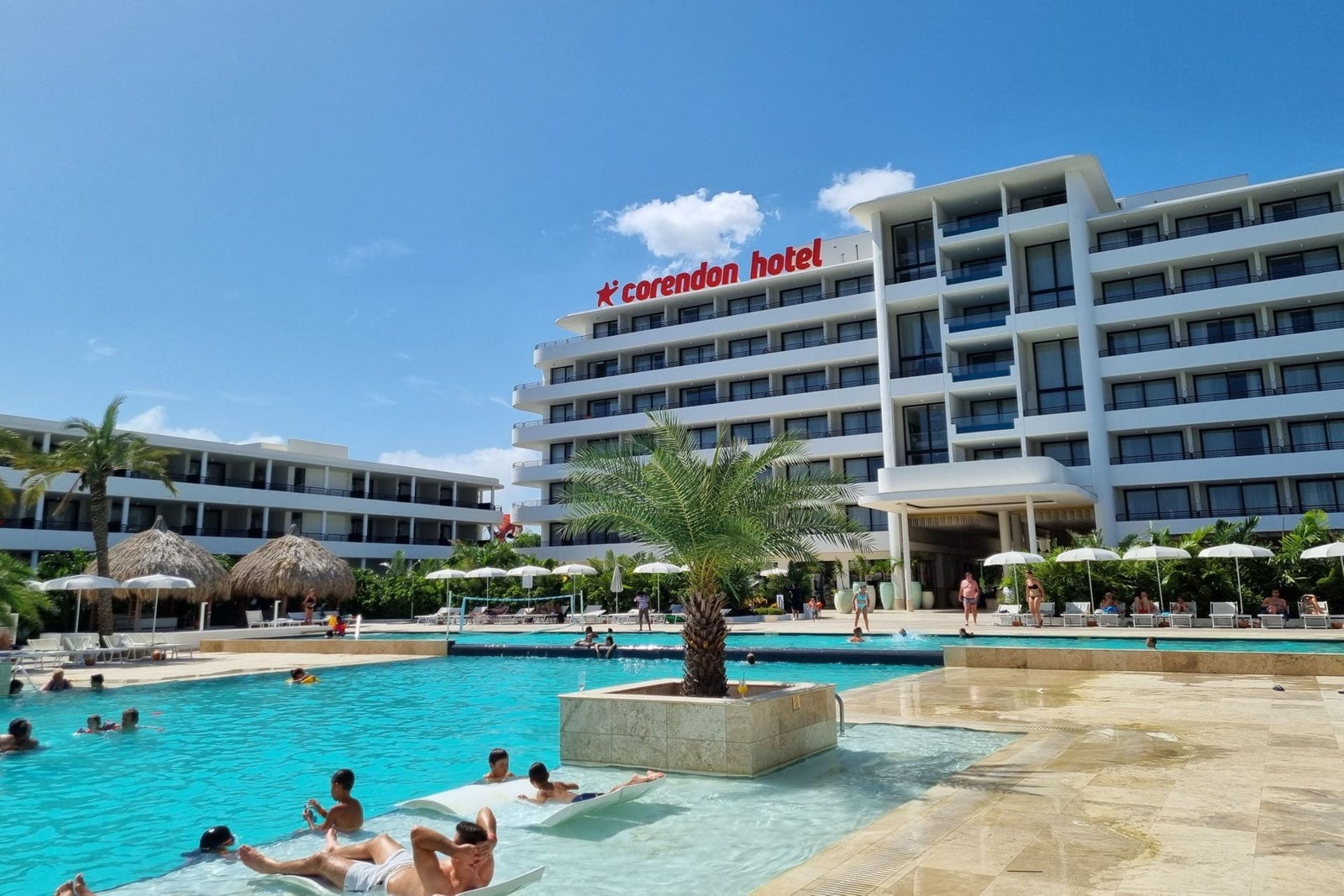
The Dutch Caribbean island of Curacao begs travelers to grab a beach chair and enjoy the crystalline waters of the Caribbean. This resort, part of Hilton’s Curio Collection, is another excellent family-friendly affair. It has a water park with a cobra-themed waterslide, four pristine swimming pools, a scuba diving center and sports like volleyball on the private stretch of sand. Kids can enjoy a playground and various daily activities specifically tailored to younger guests.
When we say this 399-room resort was built for families, we mean it, especially when you factor in that one of the room setups features a king-size bed plus two twins. But no matter what size of room you need, from a standard king to the two-bedroom presidential suite, expect modern decor with bold colors, private outdoor spaces and air conditioning.
There’s a restaurant to satisfy every palate, including Dushi Sushi Club, Ristorante Siciliano and Cor & Don’s BBQ Restaurant. Grab a drink at Pera Lobby Bar & Patisserie until midnight, while the Flamingo Beach Bar stays open 24-hours. Don’t miss The Don Cigar Lounge, where cigars and cognac are offered.
Guests can book a beachside massage in one of several thatched-roof cabanas to unwind. Bike rentals are also available for those who’d rather venture off-site to check out their surroundings.
Hilton’s first all-inclusive resort in Tulum, the Hilton Tulum Riviera Maya All-Inclusive Resort has a wow factor, and our reviewer was impressed with the laid-back vibe, top-notch amenities and eco-sensitive design.
Across the resort’s 735 rooms and suites, all of which have balconies or patios, guests will find natural touches reflecting the property’s environment and modern amenities like high-definition TVs and ample storage space. For a more premium experience, reserve an Enclave-level room with access to a private lounge with food, drinks and a concierge; exclusive reservations and dining options; two private pool areas; and special fitness and wellness activities.
There are a whopping 13 bars and restaurants to enjoy, ranging from the chic La Luce Italian restaurant and must-have sushi at Noriku to an elegant steakhouse and a poolside seafood restaurant. If you prefer lots of options, be sure to visit Vela Norte, where a variety of international and Mexican dishes are available buffet-style.
Activities are seemingly endless at this Mexican resort. You can relax by the pools (one of which has a special splash zone for kids), hit up the neighboring Conrad’s spa for a treatment, take advantage of the kids and teens clubs, partake in a yoga class, learn about local art and so much more.
The Rif at Mangrove Beach Corendon Curacao All-Inclusive, Curio by Hilton
The Rif at Mangrove Beach Corendon Curacao. FACEBOOK
If you feel like you’ve already read about Mangrove Beach Corendon Curacao All-Inclusive, Curio by Hilton above, you have. The Rif is that resort’s sister property, but with a more adult-leaning attitude (though technically it’s family-friendly).
The 384-room beachfront resort feels more intimate than some all-inclusives, with four restaurants and one centerpiece pool framed with palm trees and rows of sun beds. When The Rif guests want more dining options and family-friendly amenities such as a water park and playground, they only have to walk next door to the sister resort, Mangrove Beach Corendon Curacao. Meanwhile, The Rif remains a haven of calm. The private beach, where guests sometimes swim with sea turtles, is a tropical paradise surrounded by the Caribbean Sea and lush mangrove forests. Thatched-roof cabanas and wood loungers with cushions are tastefully tropical. On-property restaurant options at The Rif include the Turkish restaurant Sofra and the colorful Mexican restaurant Maya, specializing in shareable small plates.
Many of The Rif’s bright, modern guest rooms have balconies or swim-up pool terraces. The resort is just over a mile from UNESCO-protected Willemstad, Curacao’s capital, known for pastel-colored colonial buildings and a 19th-century fort.
All 444 rooms and suites have balconies with ocean views. Each accommodation has a spacious bathroom with a walk-in shower, a minibar, a Nespresso machine and a smart TV to help you catch some z’s in comfort. Should you wish to upgrade your experience, book an Enclave room to receive a welcome amenity, nightly turndown service, a minibar with premium goodies, and access to the Enclave Lounge. Breakfast, coffee, snacks and happy hour beverages are served there daily.
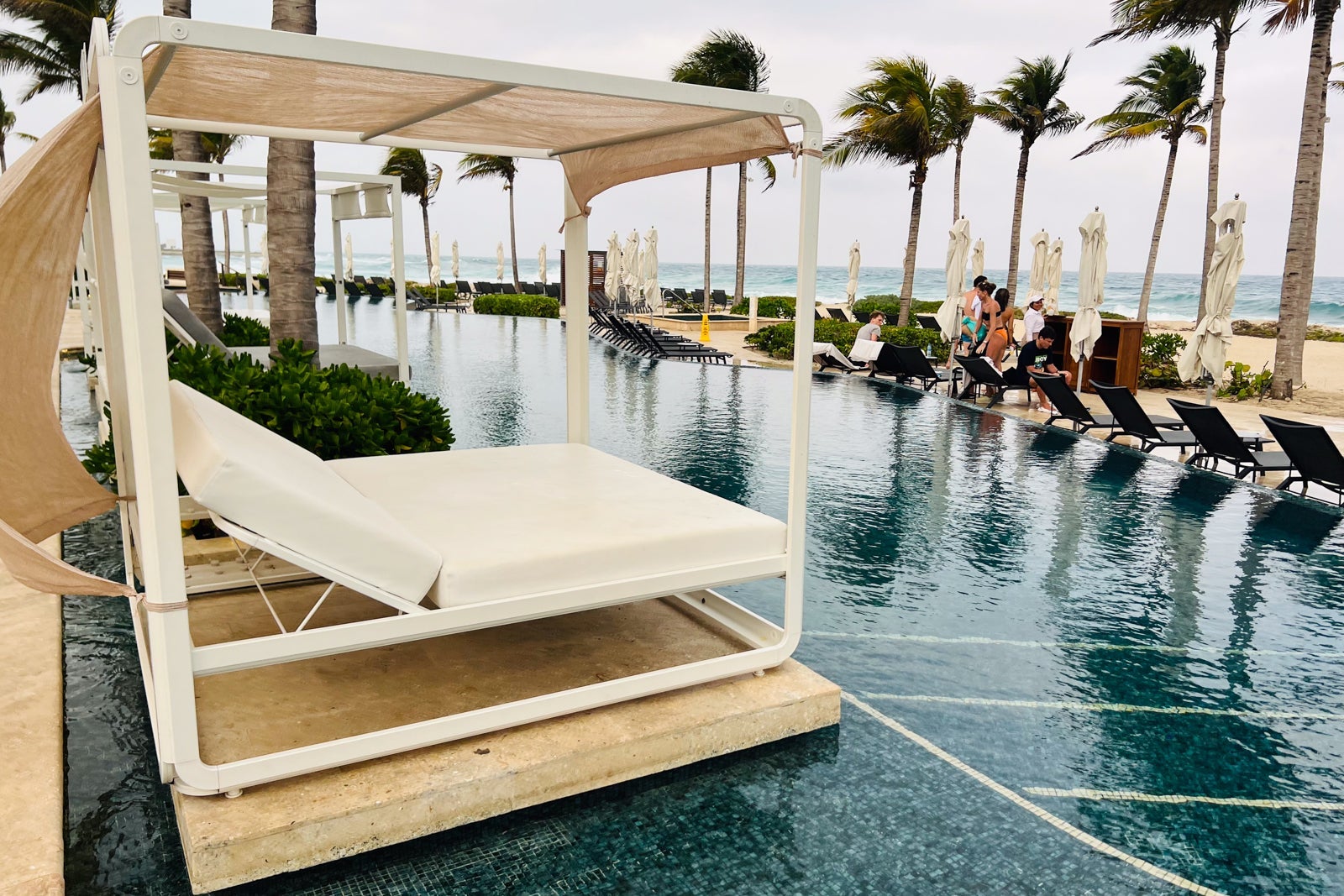
Activities and amenities abound, but nothing tops sidling up to one of the two oceanfront infinity pools and grabbing an ice-cold margarita from the swim-up bar. The Eforea Spa deserves praise for its impressive treatment menu, plus rejuvenating hydrotherapy pools. For more action, participate in beach sports competitions or attend the resort’s nightly pool parties.
Make sure to bring a healthy appetite. Maxal is the place to go for authentic Mexican dishes, while La Luce will satisfy your craving for trattoria-style Italian fare. If you’d rather savor a mix of Southeast Asian flavors, check out Sunan. Not to be missed are the Mojito Lounge, where you can sip a cocktail from an indoor swing, and the chic Sky Bar.
Whether you’re traveling as a family or a couple without kids, know that there’s space for everyone. The resort has an adults-only wing and kids and teen clubs with age-appropriate activities.
DoubleTree by Hilton Bodrum Isil Club All-Inclusive Resort
DOUBLETREE BY HILTON BODRUM ISIL CLUB RESORT/FACEBOOK
Not all of Hilton’s all-inclusive resorts are in Mexico and the Caribbean; a handful can be found in Turkey, including in stylish, A-lister-approved Bodrum. One of the region’s best resorts is an all-inclusive take on the popular DoubleTree brand.
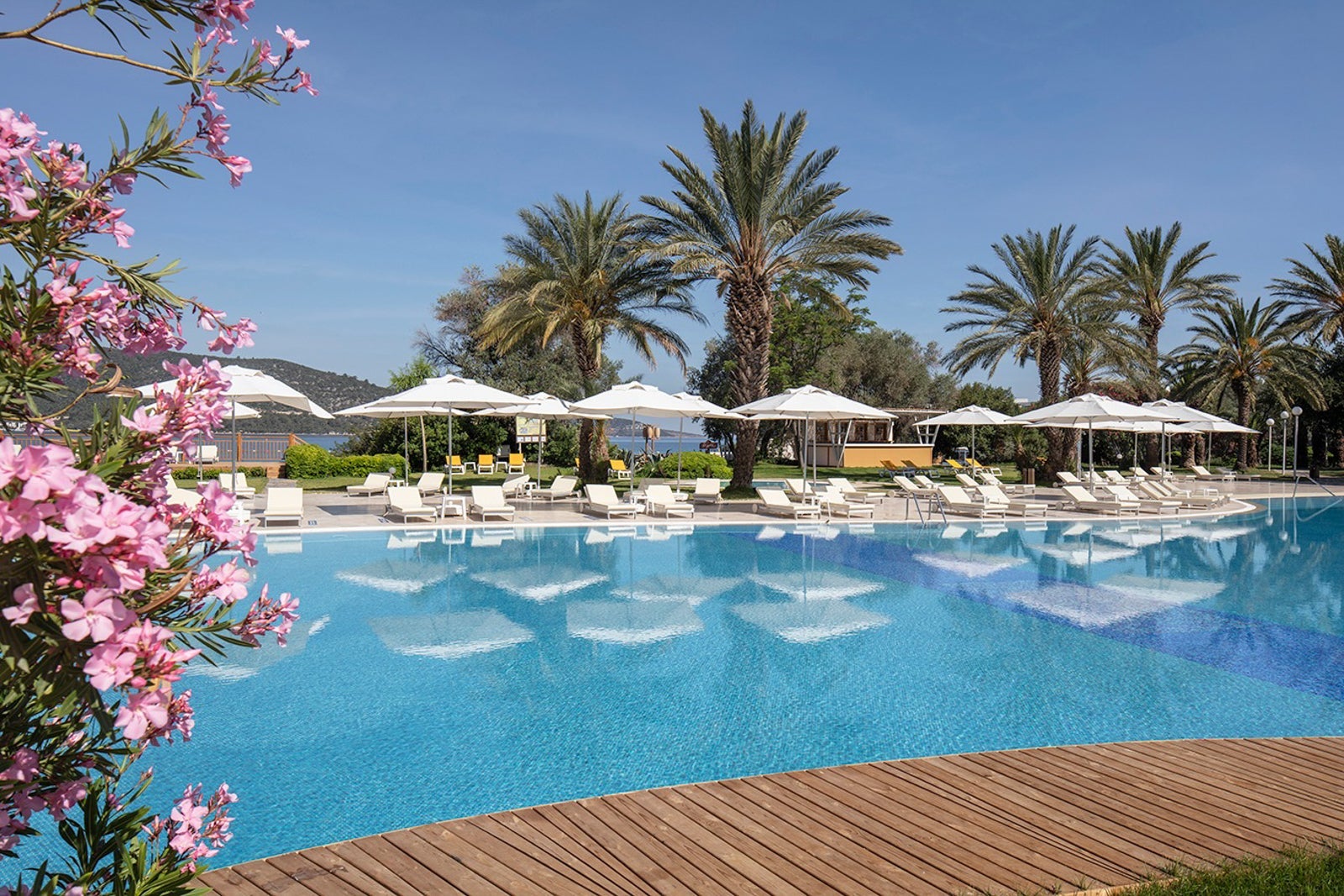
At the DoubleTree by Hilton Bodrum Isil Club All-Inclusive Resort, you can practice your backhand swing on a tennis court, play table tennis and lounge on the beach facing the Aegean Sea. Other highlights include a pool that looks out over turquoise waters and a kiddie pool with waterslides. There’s even an elevated spa with a full menu of treatments and a Turkish hammam.
When your stomach starts to grumble, you’ll have four dining outlets to choose from: an indoor-outdoor buffet open throughout the day, an Italian restaurant with beautiful outdoor seating, a seafood restaurant by the water, and a casual poolside spot for breakfast and snacks. The Sunset Lounge Bar is the most memorable of the three bars due to its location on a massive outdoor terrace.
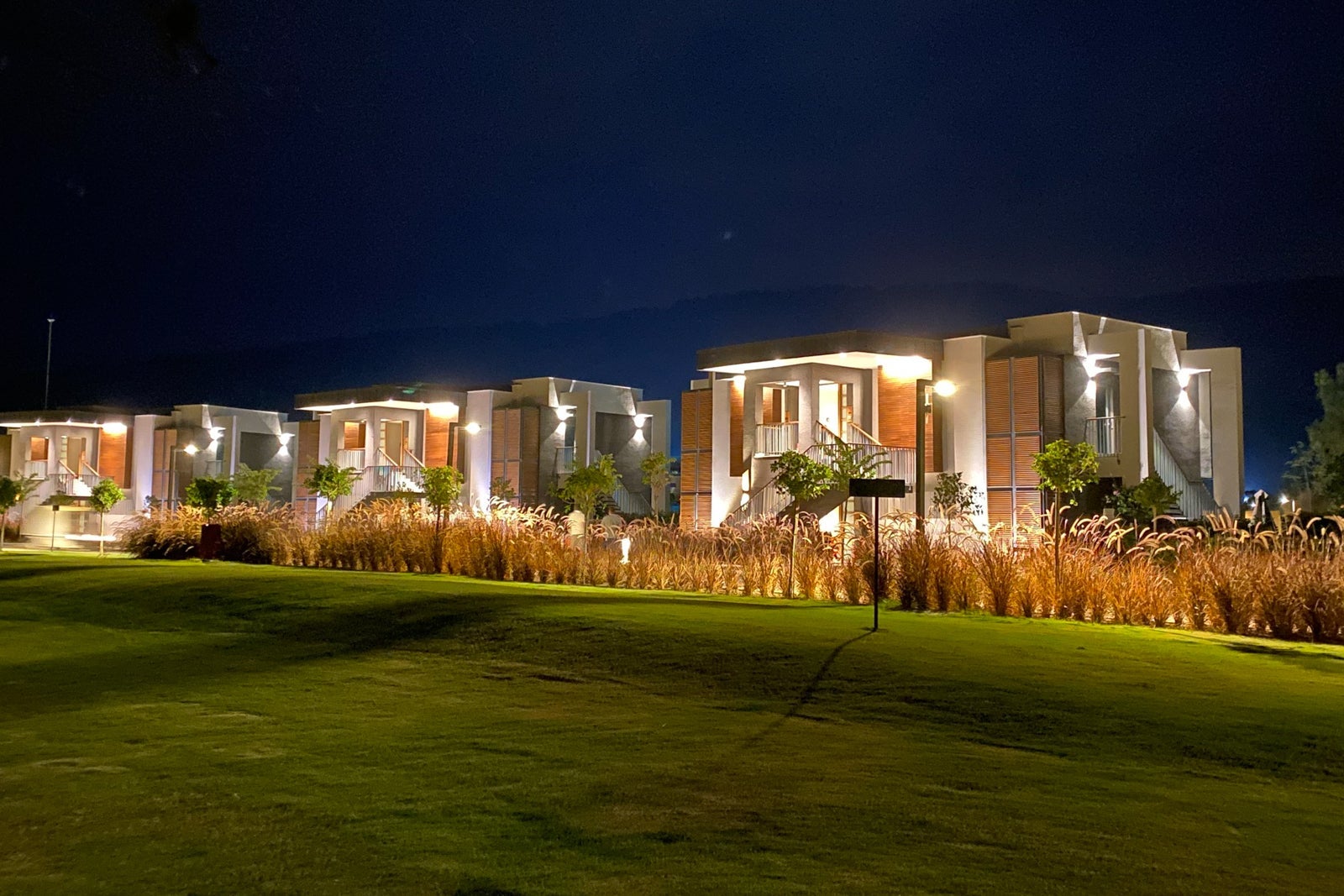
Inside the 277 guest rooms and suites, you’ll find all you need for a restful night’s sleep. The predominantly white spaces come outfitted with minifridges, high-definition TVs, walk-in showers, and attached balconies or terraces, among other modern-day amenities.
Another great Turkish Hilton all-inclusive resort is on the Aegean in Mugla, east of Bodrum. The Hilton Dalaman Sarigerme Resort & Spa also sits at the mouth of the Dalaman River, so the views are stunning.
At this 538-room resort, accommodations come in all shapes and sizes, from entry-level king guest rooms with balconies to luxurious Lake House villas with swim-up pool access, living rooms and soaking tubs. If you need to accommodate a large group, the three-bedroom presidential suite sleeps 10 and comes with butler service and round-trip ground transportation from the airport, plus a kitchen and four bathrooms.
Getting bored at the Hilton Dalaman Sarigerme is practically impossible. There are 10 pools to explore, waterslides to whiz down, a private beach, a kids club and a sprawling 24-hour fitness center. Adrenaline junkies can try water sports like kiteboarding and windsurfing. If relaxation is what’s calling, skip the adventure and plan a day of pampering at the Elysion Spa.
Food and beverage options range from an Instagram-cool teppanyaki restaurant and a glitzy Italian eatery to a piano bar and an international buffet. If you feel sluggish, head to Citrus Coffee & Bar for an authentic Turkish coffee pick-me-up.
To provide the best experiences, we use technologies like cookies to store and/or access device information. Consenting to these technologies will allow us to process data such as browsing behavior or unique IDs on this site. Not consenting or withdrawing consent, may adversely affect certain features and functions.
Functional
Always active
The technical storage or access is strictly necessary for the legitimate purpose of enabling the use of a specific service explicitly requested by the subscriber or user, or for the sole purpose of carrying out the transmission of a communication over an electronic communications network.
Preferences
The technical storage or access is necessary for the legitimate purpose of storing preferences that are not requested by the subscriber or user.
Statistics
The technical storage or access that is used exclusively for statistical purposes.The technical storage or access that is used exclusively for anonymous statistical purposes. Without a subpoena, voluntary compliance on the part of your Internet Service Provider, or additional records from a third party, information stored or retrieved for this purpose alone cannot usually be used to identify you.
Marketing
The technical storage or access is required to create user profiles to send advertising, or to track the user on a website or across several websites for similar marketing purposes.