
The Delta SkyMiles® Platinum Business American Express Card strikes a balance between airline perks and elite-status benefits.
While it doesn’t include Delta Sky Club access, it offers several valuable features that can easily justify its $350 annual fee (see rates and fees), including a yearly companion certificate, free checked bags, statement credits and a path toward Delta Medallion status.
The card is best suited for business owners who fly Delta multiple times per year and can consistently take advantage of its airline-specific perks. If you’re loyal to Delta but don’t need lounge access, the Delta Platinum Business Amex may be the sweet spot in the airline’s business card lineup. Card rating*: ⭐⭐⭐½
*Card rating is based on the opinion of TPG’s editors and is not influenced by the card issuer.
Delta Platinum Business Amex: The basics
The Delta Platinum Business Amex offers an impressive suite of benefits. Here are some of the card’s key details:
- Annual fee: $350
- Best for: Frequent Delta business travelers who want airline perks and help earning Medallion status.
- Rewards structure: Ability to earn bonus miles on Delta purchases, hotels worldwide, eligible transit, U.S. shipping and single purchases of $5,000 or more, plus miles on all other eligible purchases
- Key benefits: Annual companion certificate after renewal, first checked bag free on flights worldwide and second checked bag free on U.S. domestic flights, Zone 5 of 8 priority boarding, 15% off Delta-operated award flights through TakeOff 15 and annual Delta Stays and ride-hailing statement credits
- Rewards currency: Delta SkyMiles, best redeemed for Delta flights and partner award travel
Unlike flexible business rewards cards, the Delta Platinum Business Amex earns Delta SkyMiles directly. That means you’ll get the most value if Delta is your airline of choice and you regularly redeem SkyMiles for award travel.
Delta Platinum Business Amex pros and cons
| Pros | Cons |
|---|---|
|
|
Delta Platinum Business Amex benefits
Even without free lounge access, the Delta Platinum Business has many features that make it a worthwhile consideration for regular Delta business flyers.
Annual companion certificate
The annual companion certificate is arguably the card’s most valuable perk.

Reward your inbox with the TPG Daily newsletter
Join over 700,000 readers for breaking news, in-depth guides and exclusive deals from TPG’s experts
Each year after renewing your card, you’ll receive a companion certificate valid for a round-trip Main Cabin ticket. The certificate can be used on flights to all 50 U.S. states, Mexico, the Caribbean and Central America.

For many cardholders, this benefit alone can offset most (or even all) of the annual fee.
I generally view companion certificates as one of the strongest benefits offered by airline credit cards because they provide straightforward, tangible value without requiring complicated redemption strategies.
TPG director of partnerships Sophia Fen says the annual companion pass is one reason why she continues to carry the card: “My favorite perks are the annual companion pass and 15% off award travel. Having Resy and ride-hailing benefits are also an added bonus that I often forget about until I see the credits, which is always a nice surprise!”
Free checked bags and priority boarding
Cardmembers receive their first checked bag free on Delta-operated flights worldwide and a second checked bag free on domestic Delta flights.
The benefit extends to up to eight additional travelers on the same reservation.
You’ll also receive Zone 5 priority boarding, helping you secure overhead bin space before general boarding begins.

For business travelers who fly Delta regularly, these benefits can save hundreds of dollars per year while making the airport experience more convenient.
Medallion status benefits
The Delta Platinum Business Amex offers several ways for cardholders to earn Delta Medallion status.
Cardmembers receive:
- 2,500 MQDs automatically each calendar year
- 1 MQD for every $20 spent on the card

These benefits can significantly reduce the amount of flying needed to reach elite status.
For business owners who put meaningful spending on their cards, I think this is one of the card’s strongest advantages compared to lower-tier Delta cards.
Save 15% on Delta award flights
Through Delta’s TakeOff 15 benefit, cardmembers receive a 15% discount on the number of miles required for Delta-operated award flights when booking through through delta.com or the Fly Delta app and paying taxes and fees on the card.
If you redeem SkyMiles frequently, this perk can save thousands of miles over the course of a year.
Statement credits
The card includes several statement credits that can help offset its annual fee:
- Delta Stays statement credit: Receive up to $200 back annually on eligible prepaid Delta Stays bookings.
- Resy statement credit: Receive up to $120 annually in statement credits per calendar year (up to $10 monthly) at U.S. Resy restaurants.
- Ride-hailing statement credit: Receive up to $120 annually in statement credits with select U.S. ride-hailing providers (up to $10 monthly).
Enrollment is required for select benefits.
Global Entry, TSA PreCheck and other travel perks
Additional benefits include:
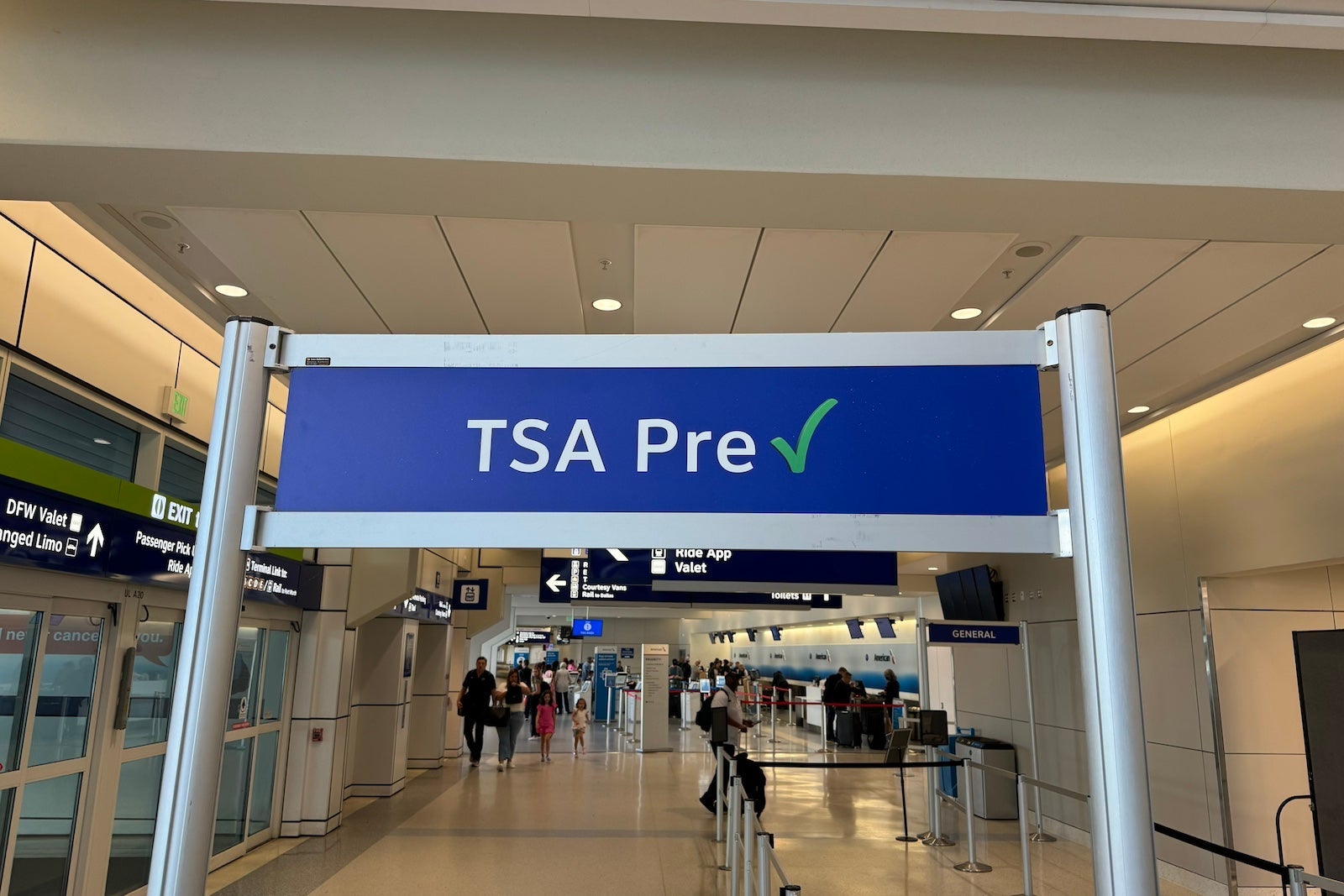
- Global Entry fee credit every four years (up to $120) or TSA PreCheck fee credit (up to $85)
- Complimentary Hertz Five Star status, a mid-tier elite status. (Enrollment in the Hertz Gold+ Rewards Program is required.)
- 20% back on eligible Delta inflight purchases
- Complimentary upgrades after Medallion members when available
These perks may not justify the annual fee on their own, but together they create a stronger overall value proposition.
Related: How to maximize the statement credits on the Delta Amex cards
How to earn and use your rewards
Earning Delta SkyMiles
With the Delta SkyMiles Platinum Business Amex, you’ll earn:
- 3 miles per dollar spent on eligible Delta purchases and directly with hotels worldwide
- 1.5 miles per dollar spent on eligible transit purchases, U.S. shipping purchases and on single eligible purchases of $5,000 or more (up to $100,000 in combined purchases annually, then 1 mile per dollar spent)
- 1 mile per dollar spent on all other eligible purchases

I especially like the elevated earnings on purchases over $5,000, which isn’t a benefit you’ll find on many airline business cards. Good Businesses that regularly make large inventory, equipment or operating purchases may find it easier to rack up SkyMiles than they would with other Delta cards.
That said, if your primary goal is maximizing rewards on everyday spending, there are business cards that offer more flexible rewards and stronger earning rates.
Redeeming Delta SkyMiles
The best way to use your Delta SkyMiles is typically for flights on Delta and its airline partners.
Because Delta uses dynamic pricing, award costs can vary significantly based on route, travel dates and demand. While that can make it harder to predict redemption values, there are still excellent deals available.
I particularly like using SkyMiles for Delta SkyMiles Deals, which frequently offer discounted award flights throughout the U.S., Europe and other international destinations.
For example, TPG principal spokesperson Clint Henderson recently redeemed 182,700 SkyMiles for a Delta One itinerary from Tokyo’s Haneda Airport (HND) to Los Angeles International Airport (LAX) and onward to John F. Kennedy International Airport (JFK) — a ticket that would have cost several thousand dollars if purchased with cash.

You can also redeem SkyMiles on SkyTeam partners and other partner airlines, including Air France, Virgin Atlantic, Korean Air and WestJet.
These partner redemptions can occasionally provide better value than Delta-operated flights.
While Delta also allows members to redeem miles for seat upgrades, Sky Club memberships, merchandise and gift cards, I generally don’t recommend these options because they provide significantly less value than flight redemptions.
Related: How to redeem your Delta SkyMiles for maximum value
Potential drawbacks of the Delta Platinum Business Amex
The biggest drawback of the Delta SkyMiles Platinum Business Amex is its $350 annual fee.
While the card offers enough benefits to justify that fee for many frequent Delta travelers, occasional flyers may struggle to extract enough value year after year.
Unlike the Delta SkyMiles® Reserve Business American Express Card, the Platinum Business version does not include Delta Sky Club access. If lounge access is important to your travel experience, you may find the Reserve card worth the additional cost.

Additionally, the card earns Delta SkyMiles rather than flexible transferable rewards. That means you’re committing yourself to Delta’s loyalty program rather than maintaining flexibility across multiple airlines.
Finally, while the card offers useful bonus categories, most everyday spending earns just 1 mile per dollar spent, making it less compelling as a primary spending card.
Delta Platinum Business Amex vs. Delta Gold Business Amex
If you’re considering the Delta Platinum Business Amex, you should also take a look at the Delta SkyMiles® Gold Business American Express Card.
The Gold Business card carries a lower annual fee of $150 ($0 introductory annual fee the first year; see rates and fees) and still includes valuable Delta perks such as:
- First checked bag free
- Second checked bag free on domestic Delta flights
- Priority boarding
- TakeOff 15 award flight discounts
However, the Platinum Business card adds several benefits that frequent Delta travelers may find worthwhile, including:
- Annual companion certificate
- MQD headstart
- MQD earning through spending
- Additional statement credits
- Complimentary upgrades when available
For occasional Delta travelers, I think the Gold Business card is often the better value. But for travelers actively pursuing Medallion status or looking to maximize Delta-specific perks, the Platinum Business card is likely worth the additional annual fee.
Is the Delta Platinum Business Amex worth it?
For small-business owners and frequent Delta flyers, yes.
I think the annual companion certificate is the card’s strongest offering because it can easily offset much of the annual fee when used strategically. Add in free checked bags, priority boarding, TakeOff 15 discounts and the card’s Medallion-status benefits, and the value proposition becomes even stronger.
That said, if you don’t fly Delta several times a year, the fee may be hard to justify. The lack of Sky Club access is also a significant drawback compared to premium alternatives, especially for travelers who value lounge access.
When to apply for the Delta Platinum Business Amex
New cardmembers can earn 100,000 bonus miles after spending $8,000 on purchases in the first six months of card membership. Offer available until July 15.
Based on TPG’s June 2026 valuations, which value Delta SkyMiles at 1.2 cents apiece, this offer is worth approximately $1,200.
Before applying, it’s worth comparing the current offer against the card’s historical welcome bonuses.

Like other American Express cards, the Delta Platinum Business Amex is subject to Amex’s once-per-lifetime welcome offer policy. If you’ve previously had this card, you may not be eligible for the bonus again.
American Express may also consider your overall relationship with the issuer when determining welcome offer eligibility.
Related: Current Delta card welcome bonuses
Other cards to consider if you don’t want the Delta Platinum Business Amex
Some other cards may be a better fit if you’re looking for a low annual fee or airport lounge access.
For additional options, check out our full list of the best travel cards and best American Express cards.
Related: The best business credit cards
Bottom line
The Delta Platinum Business Amex is a solid mid-tier option in Delta’s business card lineup.
If you check bags regularly, fly Delta multiple times a year and can make use of the included statement credits, the $350 annual fee can pay for itself.
I wouldn’t recommend it to travelers who rarely fly Delta or who want maximum flexibility from their rewards. But for business owners who regularly fly Delta, value airline perks and want a boost toward Medallion status, this card offers a compelling combination of benefits.
Apply here: Delta SkyMiles Platinum Business American Express Card
For rates and fees of the Delta SkyMiles Platinum Business Card, click here.
For rates and fees of the Delta SkyMiles Gold Business Card, click here.
For rates and fees of the Delta SkyMiles Reserve Business Card, click here.
For rates and fees of the Amex Business Platinum Card, click here.

Stacie Harris is a local resident and reporter of the Maple Grove area. Stacie reports on medicine and science for the Maple Grove Report.