‘Fast, free Wi-Fi’ hiccup: Slow service, outages plague some airlines


You know that fast, free inflight Wi-Fi your airline promised? If you’ve been on a flight lately and found it to be … well, kind of slow … you’re not alone.

The Wi-Fi provider that supplies on-board internet to several of the nation’s biggest airlines admits its service has been a bit sluggish recently as more customers than ever log on, stream videos and eat up precious bandwidth.

Elsewhere, passengers taking long flights to Europe and Asia have reported prolonged internet outages, lately, even when paying for the service.

And even more flyers have run into a frustrating reality: Some planes now have faster Wi-Fi than they enjoy at home — but on others, the service barely works at all.
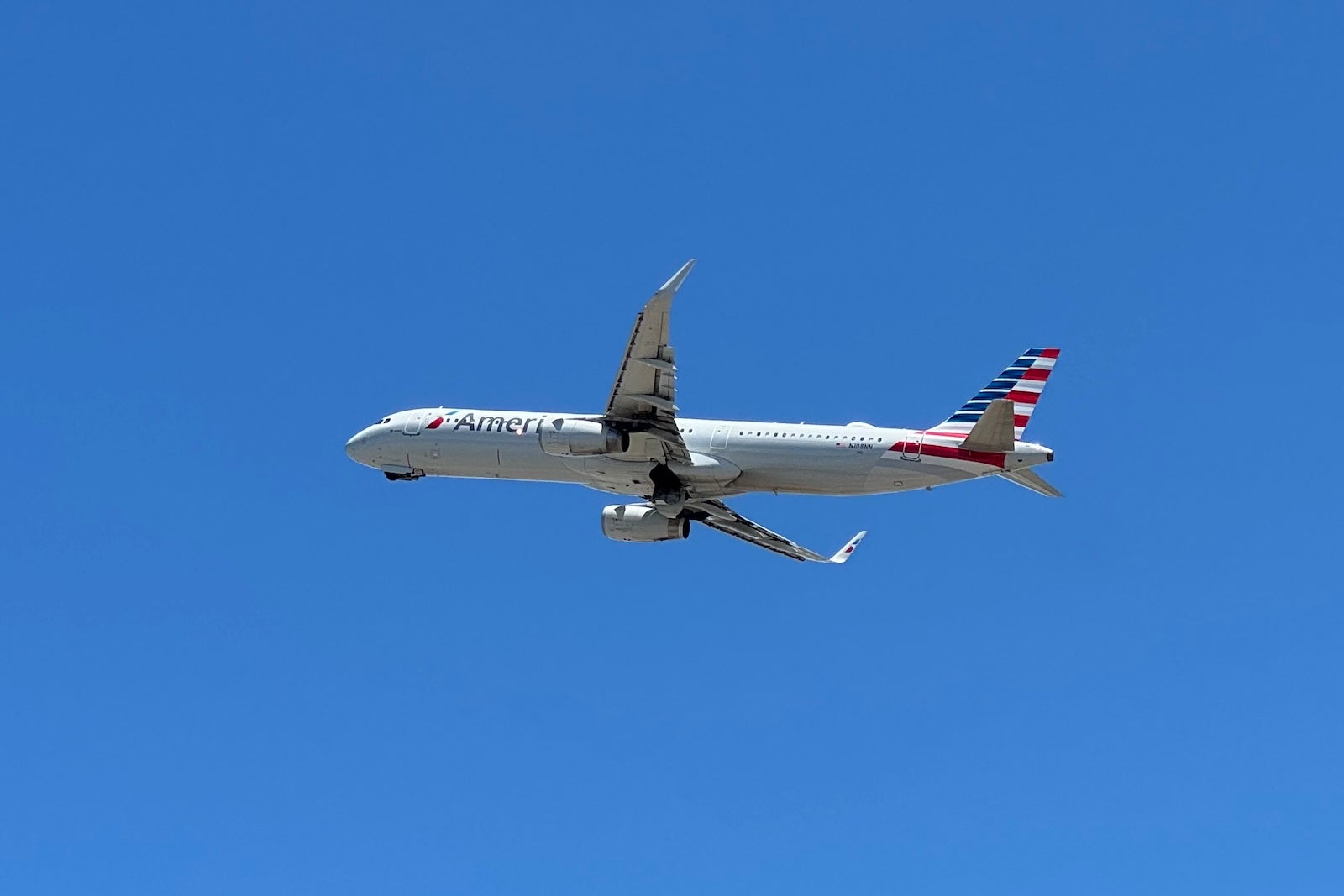
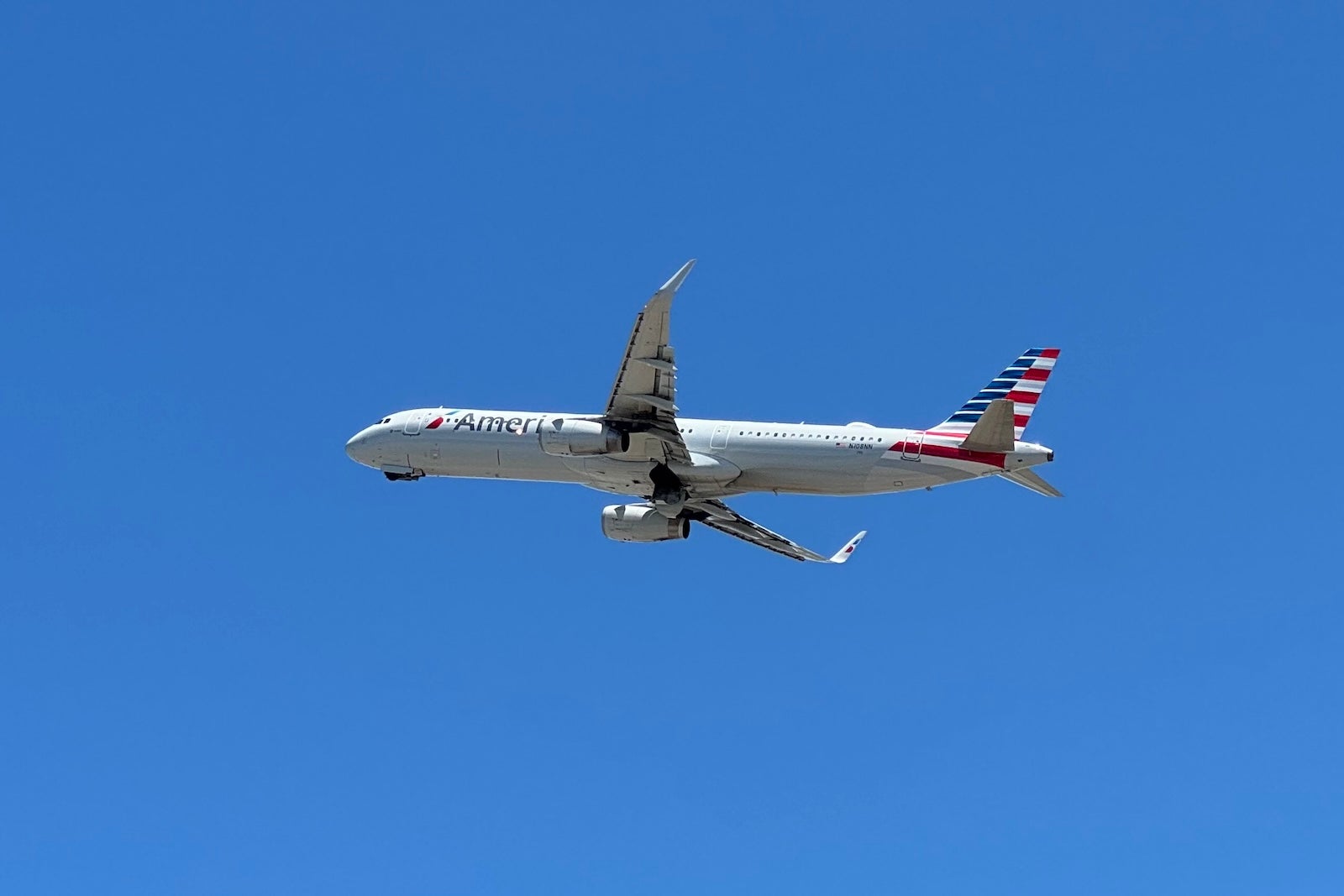
American Airlines Airbus A321 takes off. SEAN CUDAHY/THE POINTS GUY

These are the predictable growing pains as airlines race to make logging on at 30,000 feet the norm on every flight.

And it’s something to keep in mind before your next trip.

A speedbump in the ‘fast, free’ rollout

Trying to use internet while on a flight used to be a frustrating and expensive experience for passengers.

But over the last few years, the technology has improved rapidly. Along the way, U.S. carriers have moved to ditch Wi-Fi fees, opting instead to dangle complimentary access as a prime new perk for any passenger with a loyalty program membership.
ZACH GRIFF/THE POINTS GUY

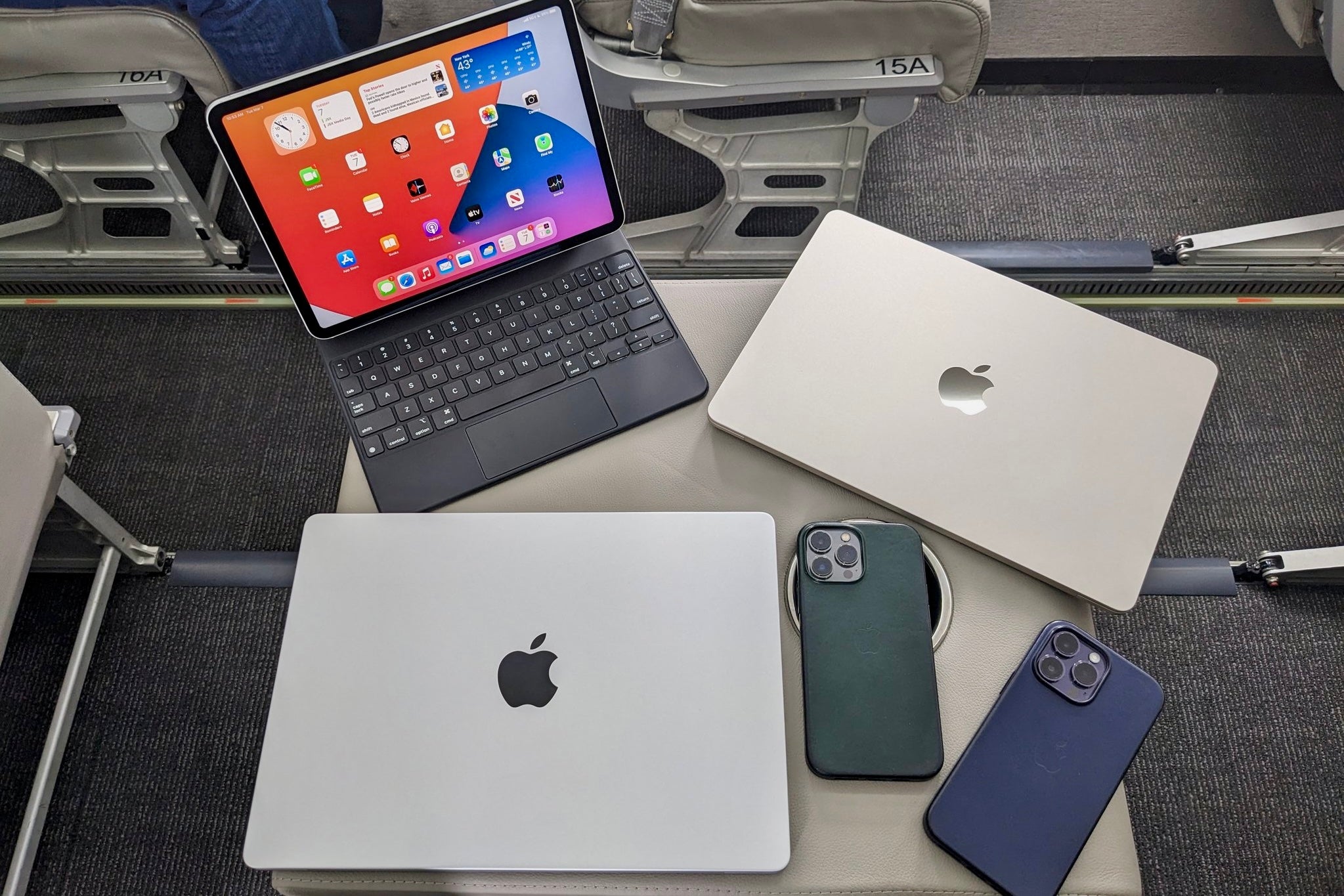
Not surprisingly, though, bandwidth hiccups have popped up as a deluge of flyers unburdened by $10 or $20 fees have connected multiple devices, streamed YouTube and scrolled TikTok while in the air.

Reward your inbox with the TPG Daily newsletter

Join over 700,000 readers for breaking news, in-depth guides and exclusive deals from TPG’s experts

Viasat satellite issue snarls web surfing

In recent months, data “supply and demand” constraints have plagued Viasat, a key Wi-Fi provider for American, Delta, Southwest Airlines, JetBlue and others.

A big reason: the company ran into problems with a satellite it launched into orbit in 2023, which was supposed to help shoulder the data load of multiple large airlines opening up their Wi-Fi to virtually all passengers.

“Unfortunately, we got caught in a little bit of a spot where there wasn’t as much capacity as we had planned to be on orbit,” Don Buchman, president of aviation at Viasat, told TPG. “It created a short-term problem.”

Frustration for flyers

Customers have noticed the recent slowdown. One loyal American flyer commenting on a recent TPG story said he wished the airline’s internet paywall was still in place.

“They opened it up to anyone,” he said, “and on my last seven or eight flights, the service has been absolute garbage.”
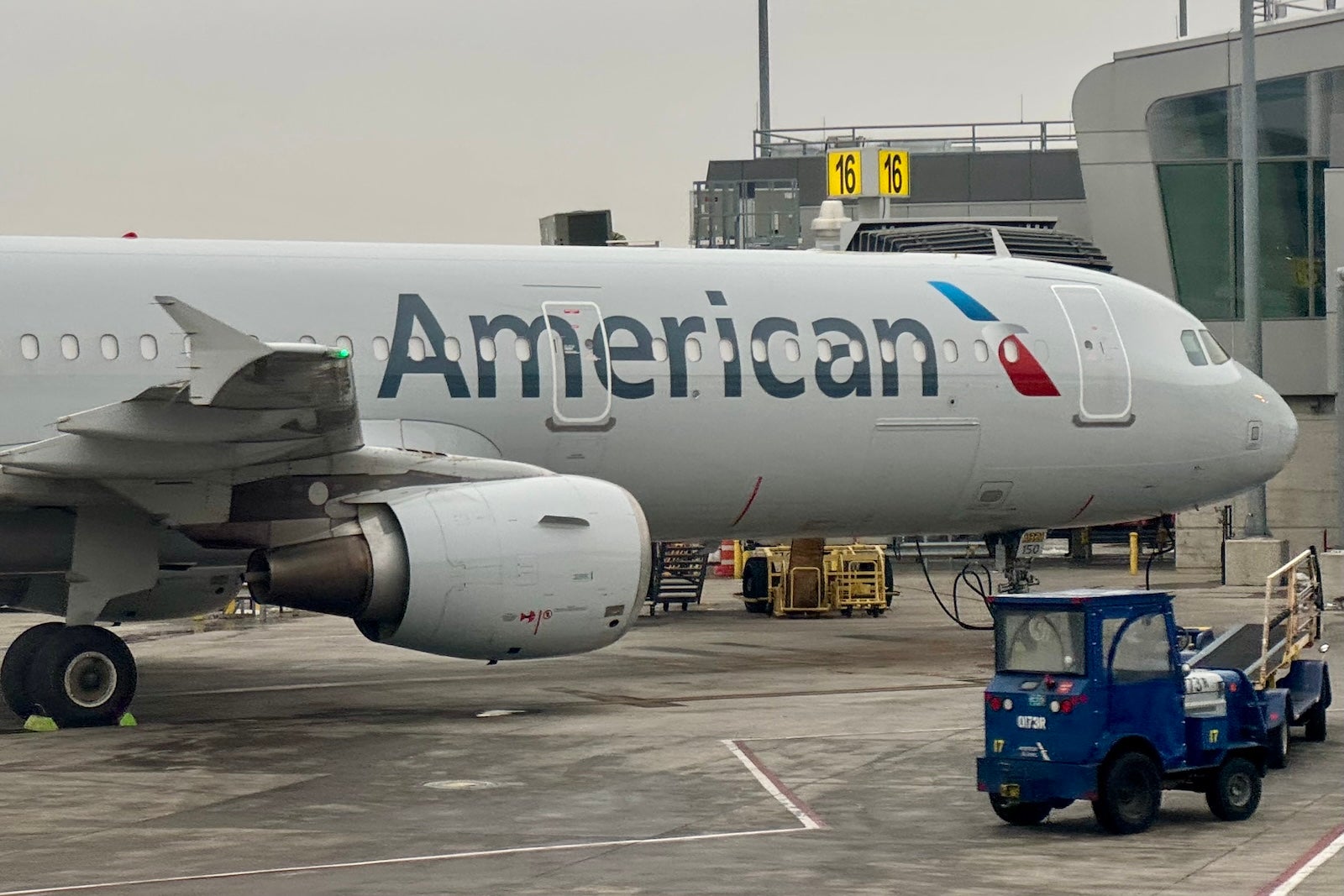
An American Airlines plane at New York’s LaGuardia Airport (LGA). SEAN CUDAHY/THE POINTS GUY

I’ve experienced the spottiness firsthand on some recent American and Delta flights — a shift from what was previously pretty reliable service that allowed me to easily work from the sky.

‘Light at the end of the tunnel’

Viasat says it’s confident things are about to get a lot better.

In April, the company launched a new satellite that will come online and double its data capacity — meaning way more bandwidth for passengers — by the end of the summer.

“It’ll be back to where it was and better,” Buchman said. “There’s definitely a light at the end of the tunnel.”
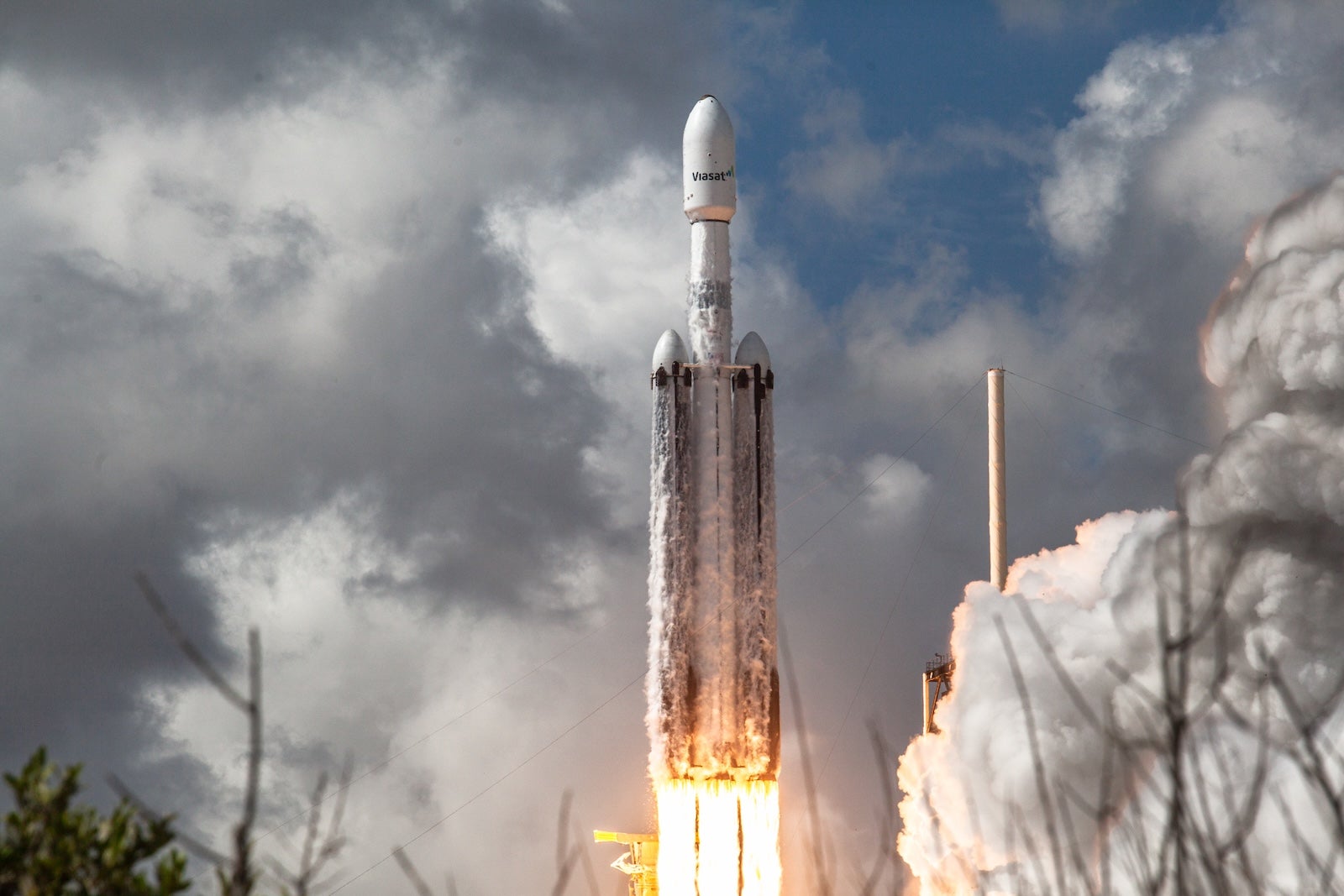
Viasat’s new satellite launching in April. MANUEL MAZZANTI/NURPHOTO VIA GETTY IMAGES

In a statement to TPG, Delta said it was “excited for soon-to-come upgrades” that will “unlock expanded service across the Americas” beginning in August.

Long-haul Wi-Fi woes

But the Wi-Fi hang-ups go well beyond the Americas.

Passengers on long-haul flights have run into significant internet outages in recent months.

In particular, some American and United passengers have reported virtually nonfunctional service on some transoceanic flights, especially on planes with older Wi-Fi tech from Panasonic — which supplies connectivity to many of the two airlines’ big twin-aisle jets.

The complaints have surfaced across Reddit and other online forums — and hit TPG staffers, too.

Last week, TPG founder Brian Kelly reported he had “horribly slow and unreliable internet” on a United flight to Rome.

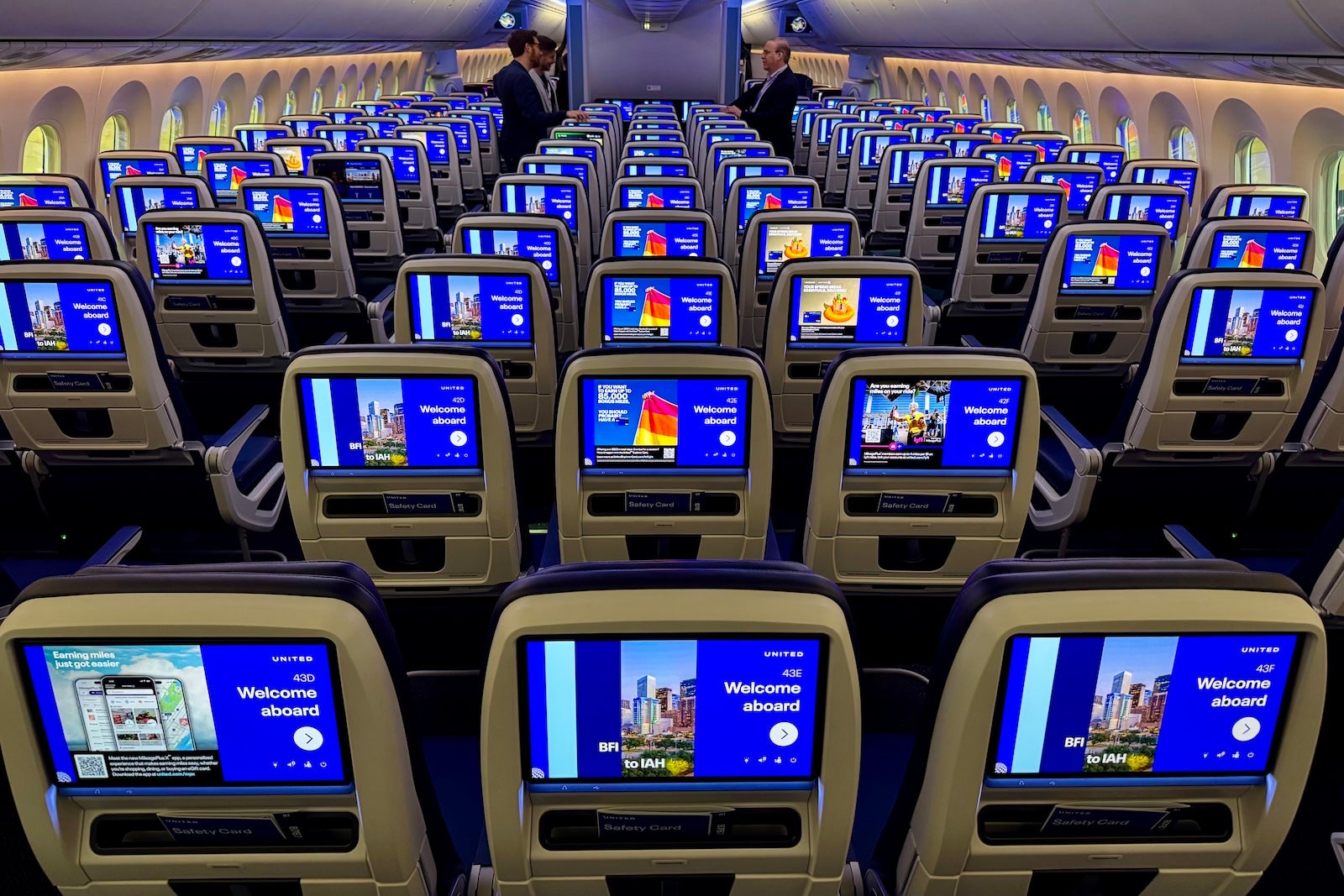
That mirrors my own experience: On a 17-hour United flight from San Francisco to Singapore in April, the Wi-Fi was effectively unusable. It wasn’t much better on an American flight from Europe the following month, where internet access cost $35.
SEAN CUDAHY/THE POINTS GUY

Those are long stretches in the air with little to no connectivity, especially at a time when passengers increasingly expect they’ll be connected while in the air.

Asked about the recent issues, Panasonic did not address the recent outages. Instead, the company simply said it was developing next-generation satellite service that would help it meet “the passenger expectations of tomorrow.”

“This is our principal area of focus,” a spokesperson told TPG.

United, meanwhile, said it was “actively engaged in conversations with Panasonic to address these issues.”

All-in on Starlink

Airlines are making moves, in the meantime.

United, Alaska Airlines and Southwest are each in the process of upgrading their Wi-Fi tech with Starlink, which at the moment is clearly (and reliably) the fastest internet in the sky.

ZACH GRIFF/THE POINTS GUY

Notably, United last week said it was accelerating plans to bring those Starlink satellites to its widebody airplanes, which should offer a major connectivity boost on long-haul flights.

American recently announced its own Starlink plans, while Delta and JetBlue have said they’ll upgrade many of their jets in the coming years with future Starlink-like service from Amazon.

Viasat, for its part, has longer-term upgrades in the works that the company says will significantly improve its Wi-Fi service on carriers in the coming years — beyond the boost that’s already expected to come next month.

Will the Wi-Fi work on your flight, or not?

Still, all of those innovations take time — not to mention countless hours of work from airlines’ maintenance teams.

Best bet in the meantime?

Dial it back to 2019: download that podcast before your flight, just in case. Load up the tablet with a movie. And let the boss know you could be out of pocket when the plane pushes back.

Sure, it’s possible your Wi-Fi might be better than what you have at home. It’s also possible it’ll be really spotty.

Because while the inflight internet renaissance is here, it’s also still very much a work in progress.

Related reading:


Source link

Leave a Reply

Subscribe to Our Newsletter

Get our latest articles delivered straight to your inbox. No spam, we promise.

Recent Reviews


Fortinet vs Palo Alto – Table of Content

In this blog, let us compare Fortinet and Palo Alto and understand their similarities and dissimilarities and their pros and cons. So Let’s get into it.

Palo Alto Network’s next-generation firewall monitors all the traffic, which includes content, applications, and threats, and connects it to the user, irrespective of where or type of device is. The NGFWs of the company are available in specially designed hardware devices between the PA-200 series and the high-end PA-7000 series, including a 100 Gbps threat prevention throughput and as virtual devices supporting a variety of cloud-based environments.

Fortinet, a next-generation firewall, provides complete visibility to users, applications, devices, and network threats, decreasing complexity and enhancing overall security posture. The devices of the company are vacant with several 100GbE interfaces for delivering scalable, high-speed security services.

       To gain in-depth knowledge with practical experience in Fortinet, Then explore HKR’s Fortinet Certification Course!

Recent Developments:

Palo Alto has just released version 8.1 of the PAN-OS OS, by the addition of over 60 new features, With increased granular control over SaaS applications and extended SSL decryption capabilities.

Fortinet has now released version 6.0 of its FortiOS OS by adding improved management and analysis, unified access, advanced threat protection, expanded multi-cloud support, and extensive support for IoT, emails, web applications, and endpoint security.

Fortinet Training

  • Master Your Craft
  • Lifetime LMS & Faculty Access
  • 24/7 online expert support
  • Real-world & Project Based Learning

Analysis:

According to Gartner, WildFire sandboxing option from Palo Alto is one of the top firewall providers. Its Application Command Center enables it to understand the flows and risks of the application quickly. Disadvantages include stable large and infrequent releases, along with prices and performance during the management of a wide range of devices. However, the researchers claim that users generally declare great satisfaction and loyalty.

According to Gartner, when performance or price is highly valued in the assessment, Fortinet is tough to beat. The company has a robust firewall, including high-quality hardware, visibility, reporting, and easy deployment. Yet Fortinet often ranks second in terms of other major competitors when it comes to technical assessments where basic features such as VPN, intrusion prevention, application control, management, and Sandboxing are highly weighted, and the lack of direct support from vendors is a disadvantage to large companies.

                                                                                                         Lets’s get started with Fortinet Tutorial online!

Next-Generation Firewall Product ratings and comparison: 

Below is eSecurity Planet’s perspective on some of the key features of Palo Alto and Fortinet.

Performance: 

Both of them, Palo Alto and Fortinet, rock in terms of performance. Palo Alto overcame every firewall tested in NSS Labs with a performance of 7888 Mbps, whereas Fortinet’s 6753 Mbps was impressive for a cost-effective solution.

Security: 

In terms of security, both vendors Palo Alto and Fortinet excel. FortiGate 500E from Fortinet got a 99.3% security efficiency rating from NSS Labs in recently published test results, while PA-5220 from Palo Alto received a rating of 98.7%.

Implementation and Management: 

Fortinet users usually report a better time. A Fortinet client summarized the situation in the following terms: “It is simple to understand, provides excellent data and is affordable.” Palo Alto users may experience greater complexity but praise many features of the product.

                                                                                                            [Related Blog: Fortinet Firewall]

, Cyber Security & SIEM Tools, fortinet-vs-palo-alto-description-0, , Cyber Security & SIEM Tools, fortinet-vs-palo-alto-description-1

Subscribe to our YouTube channel to get new updates..!

Value: 

The $2.00 TCO of Fortinet per protected Mbps defeated competition in NSS assessments, whereas the $7 TCO from Palo Alto came fifth out of 10 tested solutions.

Cloud features: 

Palo Alto was one step ahead here. Controlling cloud apps and visibility are a particular strength. However, Fortinet is making greater investments in its virtual firewall features.

Support: 

Palo Alto leads due to direct support from vendors, whereas Fortinet customers depend to a large extent on the quality of their partner channel. The stability of the rare major updates to Palo Alto is a complaint, whereas Fortinet users point out that firmware updates and new functionality can be of uneven quality.

Deployment:

Palo Alto NGFWs come in the form of hardware devices (PA series), along with the VM series to be used within a cloud or virtualized environment. Fortinet NGFWs are available in the form of a virtual machine, appliance and cloud, using the same solution that is available on the highest-performing public cloud platforms.

Pricing: 

Palo Alto Networks provides an extensive range of NGFW options. The latest released appliances of the company PA-5280, PA-3200, and PA-220R in terms of pricing varies between $2,900 and $200,000, whereas the PA-220 base price is $1,000. The 220 delivers a VPN speed of 100 Mbps and 64,000 sessions; the 5280 offers a VPN speed of 24 Gbps and 64 million sessions.  PA-5220 that NSS tests costs approximately $70,000, with additional support packages.

The entry-level appliances of Fortinet start at about $500, and high-end corporate rates may reach $350,000 for the 7060E-8. Pricing consists of the basic pricing of hardware and services that include FortiCare support options and FortiGuard subscription licenses. Hardware and services may be purchased individually or on a package basis. Cloud and Virtual machine offerings are based on a similar pricing model. 500E tested by NSS is priced between $5,000 and $22,000, based on the level of guarantee and support. 

Fortinet Training

Weekday / Weekend Batches

Conclusion:

Palo Alto and Fortinet firewalls are rated very well by users and analysts, and when independently tested, however, there is a difference between these two in terms of cost, performance, and features. Fortinet cannot meet users’ expectations, whose most important criteria are performance or price, whereas Palo Alto costs more. But Palo Alto often gets appraisals from buyers with the highest overall rating due to its advanced features. 

NSS Labs considered Fortinet to be the highest value of the firewalls tested (based on the total cost of ownership $2 per protected Mbps), While ensuring robust security and performance. Palo Alto firewalls cost more money, but clients say they compensate with their capabilities to satisfy performance needs within production environments, along with its cloud capabilities and support. It is thus up to the buyer’s needs and budget to decide between the two.

Other Blogs:


Source link