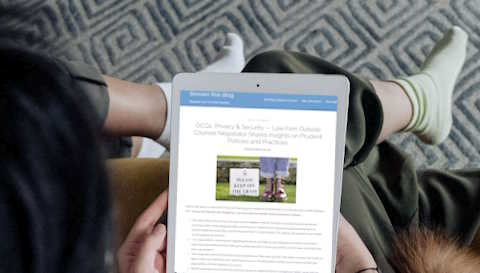
I don’t remember exactly when this happened, but over the years, I’ve developed a habit of getting sucked into social media. Whenever I get a second off work or see a notification pop-up on my phone, I pick it up and get sucked into the world of doomscrolling.
Whether it’s X, Threads or Instagram, I find myself scrolling through mindless videos for hours at a stretch, especially before bed. It’s enjoyable in the moment, but I’m not proud of this habit. It wastes multiple hours and makes me more anxious.
I miss the feeling of calm that comes with being without a smartphone. And I’m not the only one. A Pew Research survey from 2024 found that 72% of US teens say they feel “peaceful” when they don’t have their smartphone, while 44% say it makes them anxious.
Watch this: Ditching My iPhone for the Low-Tech Light Phone 3. Can I Survive?
But switching off is hard. Crucial personal and banking information is tied to my phone, and I’d still need it occasionally even if I tried switching to a second, simpler device.
So instead of breaking free, I found ways to reduce my screen time and phone addiction. I wish I could say it was through willpower, but nope. I relied on some of the same technology to get away from it.
I used my iPhone’s built-in features to curb my phone usage. It’s not a perfect solution, but these methods have helped me lower my screen time without swapping to a dumb phone.
Set up your iPhone for fewer distractions
Personally, these social media apps cause a lot of distraction.
If your phone addiction isn’t extreme, you can set up your iPhone to be less distracting.
It starts with easy things like disabling notifications and simplifying your home screen. I removed all social media apps from mine, and it helped me reduce the daily open rate. I was no longer mindlessly tapping those icons because I’m lazy enough not to swipe down and type the app’s name just to scroll through them.
Here are other iPhone settings that you can use to curb your phone addiction.
Use Focus Mode
I use the iPhone’s Focus mode to limit distracting notifications when I’m working and traveling — essentially for times when I want to be 100% present in things I’m doing.
This feature goes beyond the simple Do Not Disturb function. I need notifications from my family and favorite contacts to pass through, so I have set up different Focus modes instead of using a blanket Do Not Disturb mode every time. Here’s how to set up Focus mode.
Go to Settings > Focus and tap on the + icon.
Create and customize your own Focus mode.
1. Go to Settings > Focus.
2. Tap on the + icon (on the top-right corner) to create a Custom Focus.
3. Manage notifications by choosing which apps and contacts you want to hear from during your focus time. You can change individual settings here through People and Apps.
You can also create a custom home screen that activates when you switch on your new focus mode. For instance, I have Instagram on my home screen in Travel focus mode, and none of the social media apps are on my Work home screen.
To use a new home screen, you’ll need to set it up from the home screen and then link it to your new focus mode.
Set Screen Time limits
Apple’s Screen Time feature can help you create schedules and set limits for apps that are sucking the joy out of your life. If you’re adamant about having time away from your phone, you can block apps and notifications for those time periods.
For instance, I have Instagram set to 45 minutes per day and 30 minutes on weekends. Here’s how to set up Screen Time.
Go to Settings > Screen Time > App Limits and tap on Add Limit.
Select the apps you want to set time limit for.
1. Go to Settings > ScreenTime > AppLimits.
2. Tap on Add Limit.
3. Select the individual or categories of apps you want to set timers for.
4. Tap Next and set the amount of time you want to allow yourself on each app.
5. Tap Customize Days if you want to customize your limit’s schedule.
6. Tap Add in the upper right corner.
Once set, your iPhone sends a notification 5 minutes before approaching your set time limit. After the app reaches the Screen Time limit, it stops whatever it’s doing and displays a new screen. It prompts you to tap OK to exit the app. You can choose to tap Ignore Limit if you’re doing something urgent that requires more time to finish.
Schedule downtime
Go to Settings > Screen Time > Downtime and set a schedule.
Schedule downtime on iOS is part of the Screen Time feature, and you can use it to force yourself to put down your iPhone. I have set it up for weekends. Here’s how you can set up downtime on your iPhone.
1. Go to Settings > Screen Time > Downtime.
2. Toggle on the widget next to Scheduled.
3. Set your downtime schedule.
When downtime is enabled, only phone calls and apps that you choose to allow are permitted. Like Screen Time limits, when you schedule downtime, a 5-minute reminder is sent before it begins. You can then ignore the reminder or turn on downtime. It can be turned off at any time by turning off Scheduled.
Use Assistive Access
Assistive Access makes it easy to stay focused with only the essential apps.
Assistive Access is an accessibility feature in iOS. It provides a simplified user interface that aims to help people with cognitive disabilities use an iPhone with greater ease and independence. However, it can double as a feature that’s enabled when you want a more focused way to use your iPhone.
In a way, this feature dumbs down your iPhone. Apple says, “Assistive Access offers ways for people to navigate iPhone and communicate using visuals rather than text.”
It displays on-screen items in a large grid that emphasizes images and icons. You also get large text labels and high contrast buttons on the iPhone’s home screen and across essential apps like Calls, Messages, Camera, Photos and Music.
Here’s how you can set up Assistive Access on your iPhone.
Tap on Continue on these screens and customize what you want to see when your Assistive Access is turned on.
1. Go to Settings > Accessibility > Assistive Access.
2. Tap on Set Up Assistive Access and select Continue.
3. Choose the layout for home screen apps from either Rows (if you want items arranged in a list) or Grid (for bigger icons arranged in a grid).
4. You can now tap on the + icon to select apps available in Assistive Access.
5. The iPhone will prompt you to enter your passcode and set up an Assistive Access passcode. Follow the on-screen instructions, and you’re done.
To exit Assistive Access, you need to:
1. Triple-press the side button (for modern iPhones) or the Home button (for iPhones with Touch ID).
2. Tap Exit Assistive Access.
3. Enter the Assistive Access passcode you entered during the setup process.
I haven’t been able to use Assistive Access for more than a day because it limits the iPhone’s functionality down to a basic phone. It is great if you can live with just simple functionalities.
Otherwise, I recommend using the settings mentioned in the previous section to keep 100% of your iPhone’s functionality while reducing your screen time.
Make your iPhone minimalist with this Dumb Phone app
I made my iPhone Air semi-dumb by installing this app.
The Dumb Phone is a $3 per-month app (or $25 for a lifetime purchase) that lets you create a minimalist-style phone. Unlike the iPhone’s built-in Assistive Access feature, it creates a text-based launch menu for your most essential apps and hides everything else.
The setup process is simple with on-screen instructions, but you need to enable a few settings.
- Add Widget: Go to your home screen > tap and hold on empty space > Tap Edit > Add Widget > search for “dp” > Select Page 1 widget.
- Set the minimalist DP wallpaper: In the DP app, the second instruction takes you to an option to save a wallpaper. Save it and go to Settings > Wallpaper > Add New Wallpaper > Photos > select the recently saved black wallpaper > follow the rest of dp instructions.
- Enable Dark mode: Go to Settings > Display & Brightness > select Dark.
- Set Reduce Animations & Transparency to On: Go to Settings > Accessibility > Per-App Settings > Add App > Home Screen & App Library. Then, after it’s added, tap Home Screen & App Library > Reduce Motion, then tap On.
- Create a minimalist Home Screen: The app prompts you to uncheck all other home screen pages, suggests widget positioning and removes dock icons.
I added my essential banking and work apps to the dock and enabled all the other settings. The Dumb Phone app offers plenty of customization options to personalize your iPhone experience.
By default, all other settings and UI elements remain the same as before. You can still access all the other apps and add whatever you want to your home screen.
However, if you want the true dumb phone experience, you can turn on Detox Mode to block non-essential apps. It connects the app to the iPhone’s Screen Time setting, which can be used to permit or block app notifications and access.
It took me at least an hour to set up the Dumb Phone app to my liking, but once it was, it helped me reduce my screen time.
I like it because it didn’t force me to relearn the basic features of my iPhone. It simply adjusted my home screen and settings for a more focused, distraction-free interface. It made me realize that most of it comes down to muscle memory — because readjusting my home screen was a bigger win than expected.
By removing apps from my home screen or deleting them altogether, I am no longer mindlessly tapping on apps I don’t need.
Assistive Access is likely the most effective way to curb your phone usage. It gives you these big UI buttons within apps.
That said, there are two relatively obvious issues with this route. First, you’re paying additional money for the privilege of simplifying things. And secondarily, you’ll still need to rely on some willpower, because it’s not hard to swipe away from these customizations.
If you do eventually decide that you want a secondary device for staying connected while minimizing distractions, there are a lot of options. Newer keyboard-equipped phones, “minimalist” themed phones and the Barbie-themed flip phone offer different ways to still have access to communication while cutting back.
But you might not need the extra expense if some of these iPhone customizations provide a similar way to quiet things down. While I’m still on this journey, these iPhone settings have helped me limit my screen time. I hope they’ll help you too.

Stephan is the sports journalist for the Maple Grove Report.