
Minnesota officials hoped to phase in the state’s first-ever statewide K-12 health education standards by 2028, but that timeline is in jeopardy now after an administrative law judge objected to the state’s plan to implement the proposed standards.
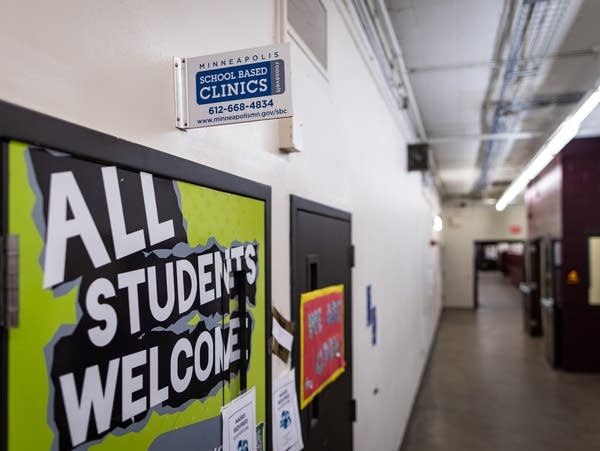
Dozens of educators, students and experts spent months putting together the new standards, which also include guidance on teaching CPR, nutrition, consent, media literacy and puberty as well as preventing abuse, pregnancy and suicide.
An administrative law judge review is typically a noncontroversial last step in the state rulemaking process.
On Thursday, however, Minnesota Chief Administrative Judge Jessica Palmer-Denig said the Minnesota Department of Education failed to comply with rulemaking requirements by not giving adequate notice to state lawmakers about the agency’s plan.
The department also failed to do an adequate job of providing the public information about the costs of implementing new education standards, and didn’t show the rule was related to the agency’s objective, she added.
“The lack of specificity in the rules affords the Department discretion beyond that allowed by the governing statutes,” Palmer-Denig wrote in her ruling.
The ruling included suggestions for next steps such as better defining some of the terms in the benchmarks such as “functional health knowledge” or “enhance health and well-being.”
Palmer-Denig also suggested the department withdraw the rule altogether.
Minnesota Department of Education officials say they are reviewing the order to “determine next steps.”
‘Devastating’ decision
Those who worked on creating the standards were shocked to find the process halted near the finish line.
“The first thing I thought about was the young people of Minnesota, and that they are going to once again be lagging behind other states and other places that do have health standards,” said Jill Farris, a standards committee member and director for training and education at the University of Minnesota’s Center for Healthy Youth Development.
She called the judge’s decision “devastating” and said she hoped that whatever next steps are taken will “build on the great content that 40 volunteers came together to create.”
Minnesota has teaching standards for science, math, English language and social studies, among others. But unlike most other states, it has never set statewide standards for health education, leaving those decisions to local school boards.
In 2024, with DFLers in control of the Legislature and the governor’s office, lawmakers passed a bill requiring standards to be developed.
State Rep. Sydney Jordan, DFL-Minneapolis, said she wanted to see the administrative law judge’s decision appealed.
“Every student has a right to a comprehensive health education. The judge’s decision to reject what were already long overdue standards imperils that right,” Jordan said in a statement. “This is not how we make our kids healthier, and I support MDE’s efforts to appeal this ruling.”
Rasana Mamdani, who also served on the health education standards committee graduated high school last month. She also said she was disappointed.
“Minnesota students can’t wait anymore for this type of education,” Mamdani said.
“Health and health knowledge is imperative to young people's success in life in what they're doing with their relationships and their bodies and their health,” she added. “The idea that we have to wait even longer for the standards to come about is just going to impact Minnesota students in such a big way.”
Meg Bartlett-Chase, executive director of Honest Sex Ed Minnesota, a nonprofit that advocates for comprehensive sex education, said she was “shocked and disappointed” by the decision.
“This is nearly two years of really intensive, meaningful work on the part of all the committee members who represent experts in several different health education fields, teachers themselves, community members, students and then thousands of public commenters that all had their voices, their opinions and their values implemented into these standards,” Bartlett-Chase said.
She said she hoped officials would be able to “find some way forward that doesn’t involve having to start from square one.”