
Marjane Satrapi, author of 'Persepolis,' dies at 56


Marjane Satrapi attends the 'La Bande Des Jotas' Photocall during the 7th Rome Film Festival on Nov. 16, 2012 in Rome, Italy.

Marjane Satrapi attends the 'La Bande Des Jotas' Photocall during the 7th Rome Film Festival on Nov. 16, 2012 in Rome, Italy.
Marjane Satrapi attends the La Bande Des Jotas Photocall during the 7th Rome Film Festival on Nov. 16, 2012 in Rome.
Ernesto S. Ruscio/Getty Images

Marjane Satrapi, author of the acclaimed graphic novel “Persepolis” and a leading champion for women's rights in Iran, died on Thursday. She was 56.

The office of the French presidency confirmed her death in a statement, highlighting the universal message of freedom her work carried.
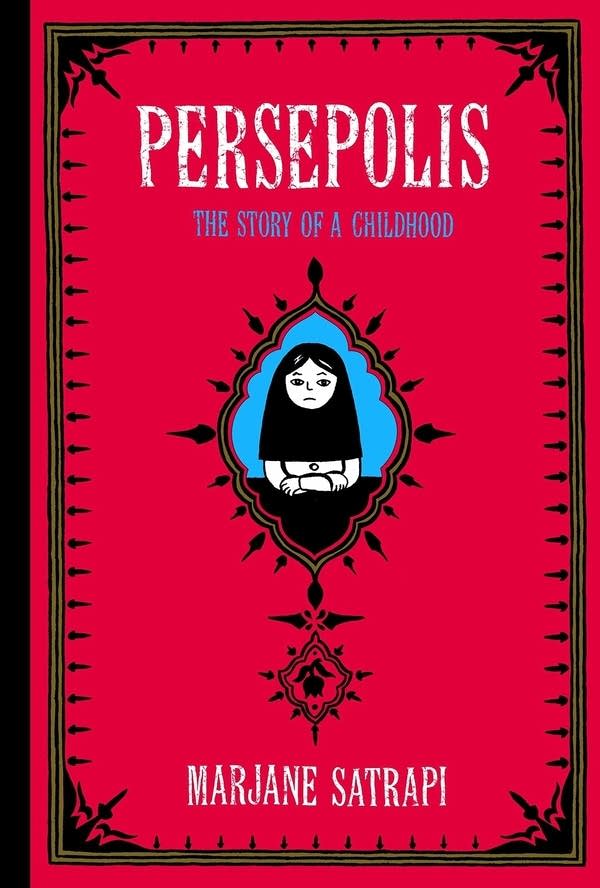
Persepolis by Marjane Satrapi
"Persepolis" by Marjane Satrapi
Courtesy of publisher

Satrapi was born in Tehran in 1969. Her childhood was one shadowed by polarization: Though she grew up in a communist-leaning household and studied abroad in Vienna and France as a young adult, the 1979 Iranian Revolution and its resulting theocratic regime indelibly altered her life.

Satrapi wrote about her adolescence in the new Islamic Republic — her rebellion, exile, return, and permanent departure — in “Persepolis.” Published in four French volumes between 2000 and 2003, Satrapi's autobiographical comic book became an international bestseller. It has since been translated into more than 20 languages.

"A comic has this advantage," Satrapi told NPR in 2024. "Because the first language of the human being is drawing."

In 2007, Satrapi co-wrote and directed an animated film adaptation of “Persepolis” with her creative partner Vincent Paronnaud. The film won the coveted Jury Prize at the Cannes Film Festival, and earned Satrapi an Academy Award nomination in 2008. She was the first woman in history to receive a nomination in the Best Animated Feature category.

"The real issue for me is human rights, it's the freedom of expression," Satrapi told NPR in 2007. "It's the freedom of thinking, you know."

Marjane in trouble
In "Persepolis" young Marjane's outspokenness gets her in trouble with some people in Tehran
Image courtesy Sony Pictures Classics

Following the Iranian Revolution, a young Satrapi (alongside every woman in Iran) found herself forced to wear a hijab. Satrapi said the covering barred her from her right to free expression: "Having to wear something I don't want to wear, just not being able to express exactly what I want to do, that was — that was something — I just couldn't handle it."

Satrapi continued to draw, write, act, direct and advocate throughout her adult life. Her last book, “Woman, Life, Freedom” (2024) is a collaborative anthology — assembled in just five months — bringing together works of artists and academics on the death of Mahsa Amini and the protests that followed in 2022.

Copyright 2026, NPR


Source link

Leave a Reply

Subscribe to Our Newsletter

Get our latest articles delivered straight to your inbox. No spam, we promise.

Recent Reviews


Hot on the heels of its recent GPT-5.5 release, OpenAI is updating ChatGPT’s default model to GPT-5.5 Instant. OpenAI touts GPT-5.5 as producing 52.5 percent fewer hallucinated claims in internal testing, and 37.3 percent fewer inaccurate claims when taking on conversations ChatGPT users had flagged for factual errors.

At the same time, OpenAI says it designed the new model to generate more direct responses, “while keeping the warmth and personality that makes ChatGPT enjoyable to use.” GPT-5.5 Instant is also allegedly better at asking fewer unnecessary followup questions and should generate less cluttered outputs, in part thanks to more subdued emoji use. Separately, OpenAI has made the new model faster at searching uploaded files, connected Gmail accounts and prior ChatGPT conversations to generate personalized responses. The upgrade should translate to users needing to repeat themselves less often.

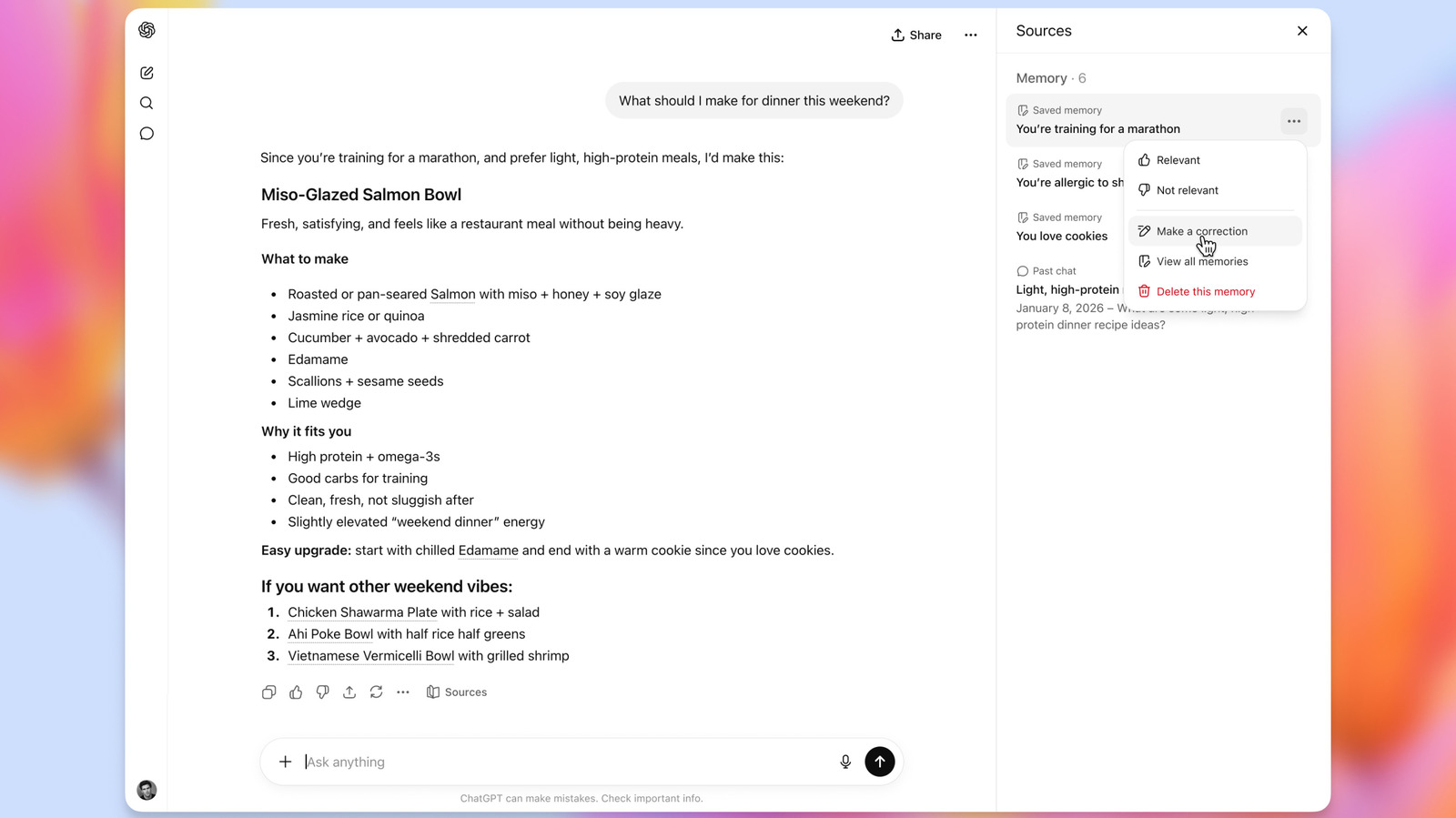
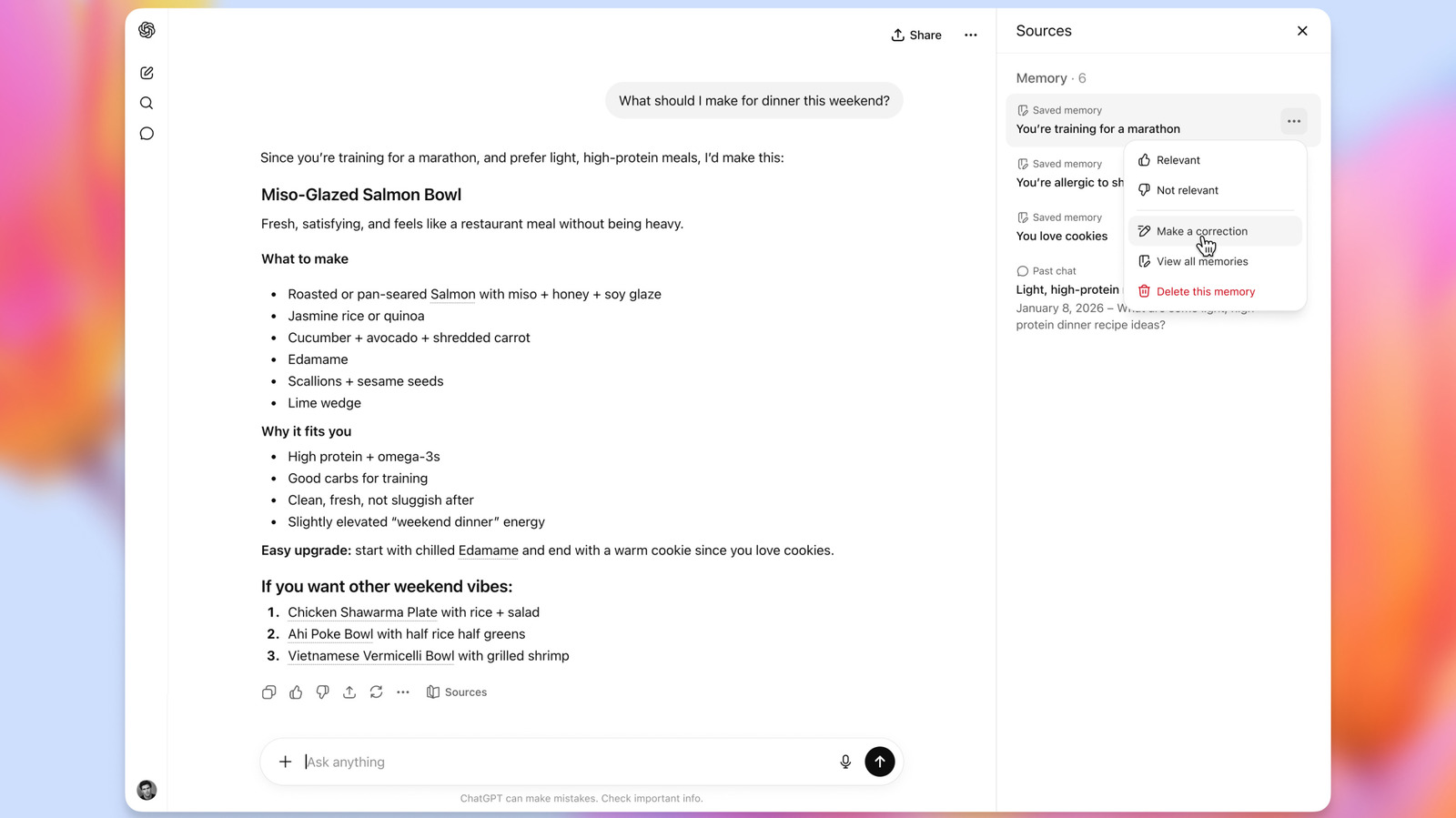
Alongside GPT-5.5 Instant, OpenAI is introducing a feature it calls memory sources, which is designed to give users more visibility over the context ChatGPT may have used to personalize a response. It also gives people the option to delete the information, or update it if it’s no longer relevant.

“Memory sources aren’t shown to others if you choose to share a chat,” OpenAI explains. “You remain in control of what’s in your memory: you can delete chats you no longer want to be cited, delete or change items in saved memories in settings, or use temporary chats that don’t use or update your memory.”

In its current iteration, the feature won’t display every bit of information ChatGPT might have used to inform one of its answers, but the company says it’s working on making it more comprehensive. OpenAI is rolling out GPT-5.5 Instant’s better personalization to Plus and Pro subscribers first, with Free, Go, Business and Enterprise users slated to get access in the coming weeks. All ChatGPT users will get access to the memory sources feature, on both the web and mobile, “soon,” according to OpenAI. As for GPT-5.5 Instant, OpenAI is beginning to deploy to everyone starting today.


Source link