Minneapolis mayor vetoes eviction extension, decriminalization of drug paraphernalia


Minneapolis City Hall

Minneapolis Mayor Jacob Frey on Thursday vetoed the city council’s second attempt to extend the city’s eviction notice timeline.

He also vetoed a council ordinance decriminalizing drug paraphernalia.

Both ordinances passed with the support of the progressive wing of the city council. The council can attempt to override the vetoes — but unless some council members change their votes, they likely don’t have the support to do so.

Eviction timeline extension

The ordinance would have required landlords to give tenants 45 days’ notice before officially filing to evict them — an extension from the 30 days currently required under city rules.

Council members supporting the extension said it would help people who are still struggling to pay rent after the federal immigration enforcement surge.

In his letter to the city council on the veto, Frey wrote that rental assistance money is the best way to support tenants — not extensions.

“The City of Minneapolis has a longer pre-eviction notice period than most cities in the country,” Frey said. “I am not convinced that more time will result in improved outcomes.”

He pointed to the eviction moratorium imposed during the pandemic in 2020, and the wave of evictions that followed when the moratorium was lifted. He said the same in March, when he vetoed a similar council ordinance that would have extended the notice timeline to 60 days.

Some shelter leaders and housing experts agreed with Frey, saying that more time without more financial assistance available to renters would put them further in debt.

But some noted that, this time, there is city funding available — the council and the mayor have approved $3.8 million in rental assistance, which residents can now apply for. Council members and housing experts supporting the eviction notice extension said it could help give renters time to access those funds.

The council would need nine votes to override the veto. Last week, the council passed it on a 8-5 vote.

Drug paraphernalia decriminalization

Frey also vetoed an ordinance that would have decriminalized drug paraphernalia in Minneapolis.

The ordinance was recommended by outreach workers, who said the city’s current policies discourage drug users from seeking help or getting clean needles and other materials, out of fear of getting in trouble. Under the city’s current rules, possession of drug paraphernalia is a misdemeanor.

In his letter to the council, Frey said the current rule makes it easier for police to investigate drug-related crimes, as they can stop people for having drug paraphernalia and investigate further.

He said the ordinance also is frequently used by Metro Transit police to keep people from using drugs on light rail trains.

“I remain a firm believer in harm reduction, but we need every tool available to combat addiction and related quality-of-life issues,” Frey said.

Advocates for the ordinance said the current law complicates their work.

Jay Orne is a researcher and manager of HIV prevention programs at the Aliveness Project. He oversees the organization’s outreach to people on the streets — which involves providing clean needles, plus Narcan and HIV testing. Orne said people who use that program have been stopped by police after picking up clean needles.

“That makes the folks that we work with hesitant to take the supplies that they need,” Orne said.

He worries that people will instead use old needles and less-safe practices — which can further the spread of HIV.

Orne said it creates a dilemma for outreach workers, too. Their work handing out safer supplies is funded by state and county dollars, but it’s technically illegal for drug users to carry the supplies they’re given.

“That’s — I think — the hypocrisy, or just the weirdness of the situation,” Orne said. “One hand is saying, ‘this is such an important public health strategy that we’re going to fund your program to be out there on the street’… and then another hand is saying, ‘that’s actually illegal.’”

Several council members said they worried that decriminalizing paraphernalia would lead to more drug use in public places and paraphernalia left on the streets.

Council member Elizabeth Shaffer said constituents report issues with litter left on the streets, including drug paraphernalia.

“Public health is not just about the health of the people engaged in the behavior being regulated. It encompasses the well-being of the entire community, including people who are not using drugs,” Shaffer said.

Several residents echoed those complaints in public comments.

Council member Jason Chavez said continuing to criminalize paraphernalia isn’t helping drug users or other residents in the city.

“This ordinance was brought forward to address public health and safety issues harming our communities,” Chavez said. “Not a single Minneapolis resident will see their health or safety improve because of the mayor’s action.”

The council voted 7-6 in favor of the ordinance last week. That leaves them two votes short of the required majority to overturn the mayor’s veto.




Source link

Leave a Reply

Subscribe to Our Newsletter

Get our latest articles delivered straight to your inbox. No spam, we promise.

Recent Reviews


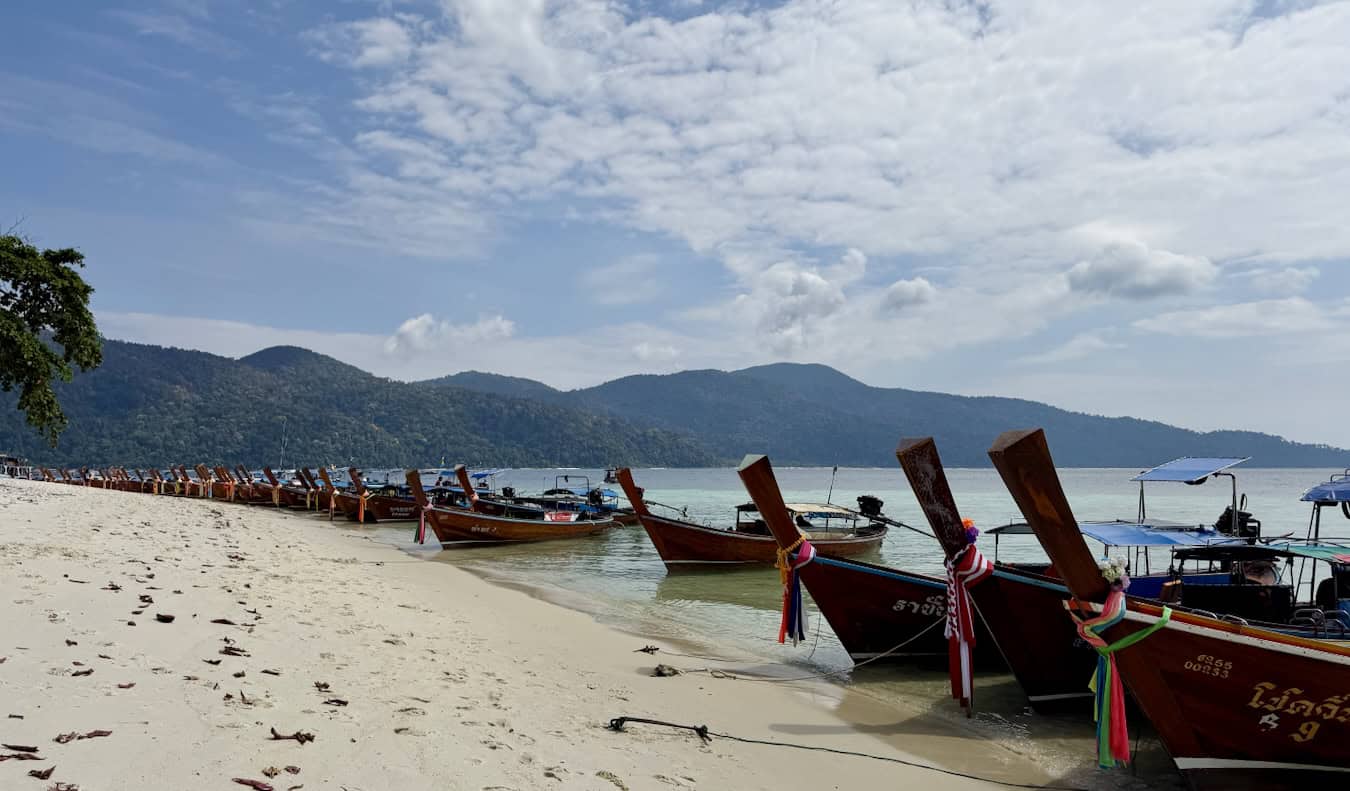
lots of longtail boats lining the beaches near the island of Ko Lipe in Thailand

After 19 years, I finally went back to Ko Lipe, the Thai island I spent close to a month on in 2006. Back then, it was one of those super off-the-beaten-path destinations that few but the most intrepid travelers visited, where electricity only ran a few hours a day, basic bungalows right on the beach cost something like $2 USD, and there really was a last boat for the season.

There was much to do here but that was the point. You hung out on the beach, read a book, went snorkeling, went back to the beach, drank beers at the one beach bar on the island, rotated meals between the five restaurants there, and went to bed early.

It was paradise – and a place a lot of people got stuck. Days easily turned into weeks here.

If you asked me what the highlight of all my travels was, I would be the time I spent on Ko Lipe. I made incredible friends, lounged around, got to know the locals, learned a bit of Thai, and, overall, lived that idyllic backpacker life we all dream about.

Over the years, I’ve avoided going back to Ko Lipe because the memory of my time there is so strong that I didn’t want to ruin it. Any re-visit would simply be trying to recreated a magic that couldn’t be recreated because the people that it special wouldn’t be there. I’d be chasing travel ghosts. And, since I know my sleepy paradise has been developed greatly over the years, I was also too afraid seeing that would make me sad.

Tourism in Thailand tends toward the unsustainable. No island really develops in a good way. It’s all build, build, build.

And I didn’t want to see my Ko Lipe like that.

But as I was planning my recent trip through Southeast Asia, returning to Ko Lipe made sense. I was heading down the Indian Ocean side of Thailand on my way into Malaysia and I’d pass by it.

And, since I was looking for a lively place for New Year’s Eve, it seemed liked the best choice. I knew there would be travelers there and there were no other nearby islands that would work, especially since Ko Lipe has a boat to Langkawi, which was my next stop.

So, I sucked it up and went.

And I’m sad to report that Ko Lipe took the Ko Phi Phi model of tourism and is now extremely overdeveloped.

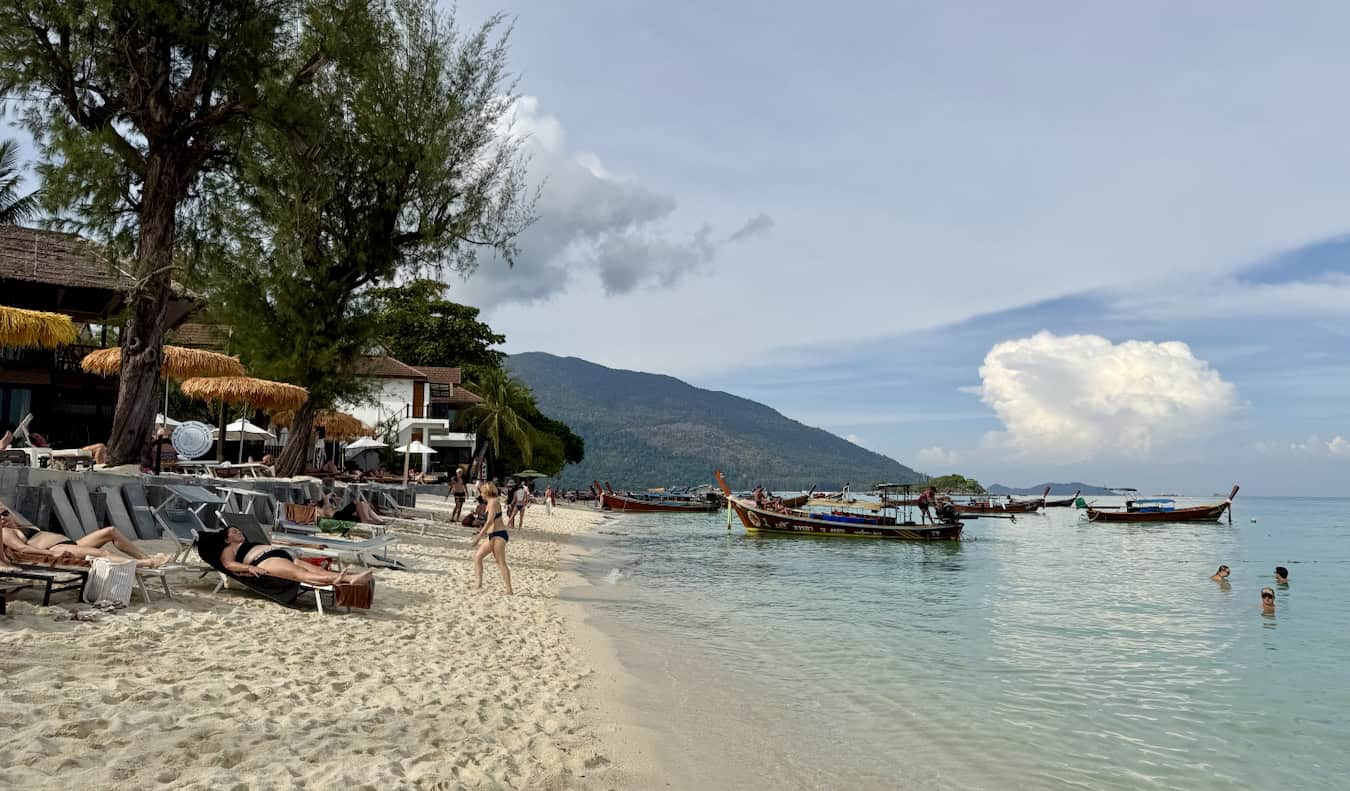
An overdevelopment of a beach on Ko Lipe, Thailand

Unsustainably so.

Most of the island is now paved over, the old dirt footpaths having become concrete for the cars and construction trucks. Swaths of palm trees are now the sites of high-end resorts with pools (on an island with no natural water supply). Construction of more resorts continues at a fast pace. The coral around the island is dying, a victim of all the boats, anchors, pollution, and overfishing. Beaches are now lined with boats, their exhaust spilling into the ocean, leaving a shiny film you can see as you swim. And the restaurants cater to tourists looking for bad Western food, not great Thai cuisine.

The island’s boom has displaced many locals, who were forced to sell to mainland developers, and much of the island’s workforce is now from the mainland. They see little of the benefits this tourism boom.

So lies Ko Lipe, another victim of Thailand’s all too common overdevelopment and exploitation of limited resources.

I met lots of people there who loved the island. If it’s your first time, I can see why you would love it. After all, the area is postcard perfect, the water is perfectly an azure blue, the sand is a beautiful white, and since you’re surrounded by a national park, a lot of tours take you to some secluded islands.

And, in comparison to Ko Phi Phi, Krabi, or Phuket, it is less developed so I can’t fault someone stepping here for the first time going “wow!”

But, as I reflect on the island and its overdevelopment, I have come to the same conclusion I have about Ko Phi Phi: people shouldn’t visit.

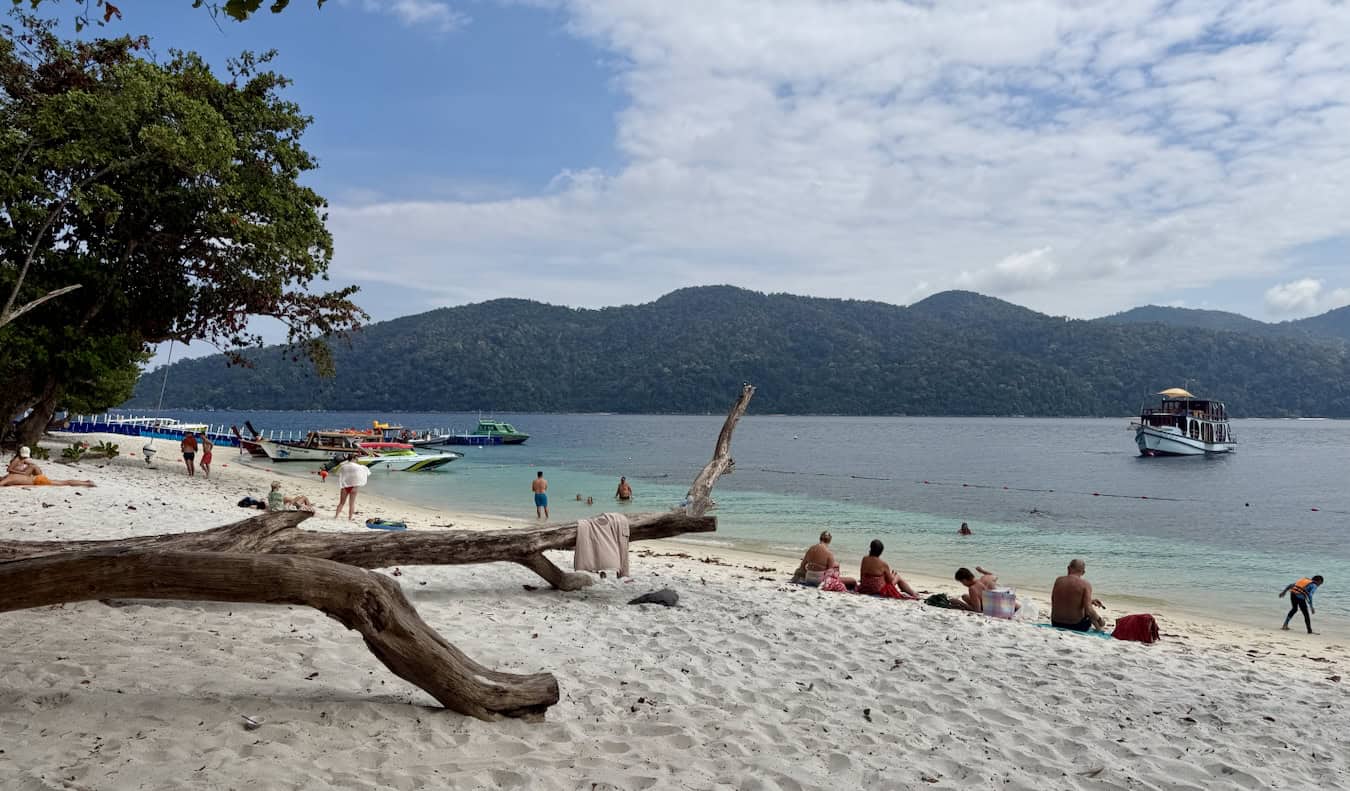
Tourist and boats on Ko Rawi in Thailand on a beach

I’m not against growth, but I’m against this kind of growth. It’s not sustainably managed and going there will only tax the island’s limited resources even further. You can’t put the genie back in the bottle and no local is going to say “sure, I’ll stay broke so you can an idealized vision of the world.”

But this is not the way.

And, with so many other islands to visit that are well managed (Ko Lanta, Ko Jum, and Ko Mook, to name three nearby), I think you should skip Ko Lipe.

A visit there will only make things worse.

It pains me to say that, because it was such a beautiful place, and my original visit had a huge impact on my life. But if we’re going to be good stewards and travelers, sometimes you just have to say enough is enough.

And Ko Lipe is a place where enough is enough.

Go somewhere else that is better managed.

Because your choices do have an impact.

Riding elephants in Thailand went away when consumers became more conscious of it. Eco lodges got big because of consumers. Overtourism is talked about by consumers as much as it is by locals.

Maybe if enough people start to do something, Ko Lipe will change.

I doubt it but one can hope.

But, at the very least, by not going you are at least no contributing to the problem.

Get the In-Depth Budget Guide to Thailand!

Get the In-Depth Budget Guide to Thailand!

My detailed 350+ page guidebook is made for budget travelers like you! It cuts out the fluff found in other guidebooks and gets straight to the practical information you need to travel around Thailand. You’ll find suggested itineraries, budgets, ways to save money, on and off-the-beaten-path things to see and do, non-touristy restaurants, markets, bars, safety tips, and much more! Click here to learn more and get your copy today.

Planning a Trip to Southeast asia

Get all my best Southeast Asia travel tips & free planning guides sent straight to your inbox

GET YOUR GUIDES HERE

Book Your Trip to Thailand: Logistical Tips and Tricks

Book Your Flight
Use Skyscanner to find a cheap flight. They are my favorite search engine because they search websites and airlines around the globe so you always know no stone is left unturned!

Book Your Accommodation
You can book your hostel with Hostelworld as they have the biggest inventory and best deals. If you want to stay somewhere other than a hostel, use Booking.com as they consistently return the cheapest rates for guesthouses and cheap hotels.

Don’t Forget Travel Insurance
Travel insurance will protect you against illness, injury, theft, and cancellations. It’s comprehensive protection in case anything goes wrong. I never go on a trip without it as I’ve had to use it many times in the past. My favorite companies that offer the best service and value are:

Looking for the Best Companies to Save Money With?
Check out my resource page for the best companies to use when you travel. I list all the ones I use to save money when I’m on the road. They will save you money when you travel too.

Want More Information on Thailand?
Be sure to visit my robust destination guide to Thailand for even more planning tips!


Source link