A new film featured at the Minneapolis St. Paul International Film Festival is celebrating Indigenous dance.
Meskwaki filmmaker Oogie Push is also making her feature directorial debut at the 45th Minneapolis St. Paul International Film Festival with “Why We Dance” — a documentary rooted in the Twin Cities that pushes back against the way Indigenous stories have long been told on screen.
"It's a love letter to each character," Push said. "It's a love letter to the land. It's a love letter to our dancing. It's a love letter to our ancestors."
“Why We Dance” had its world premiere at MSPIFF on Sunday night. It will screen again on April 18. A panel with Indigenous filmmakers from Minnesota whose work is also featured in the festival will follow.
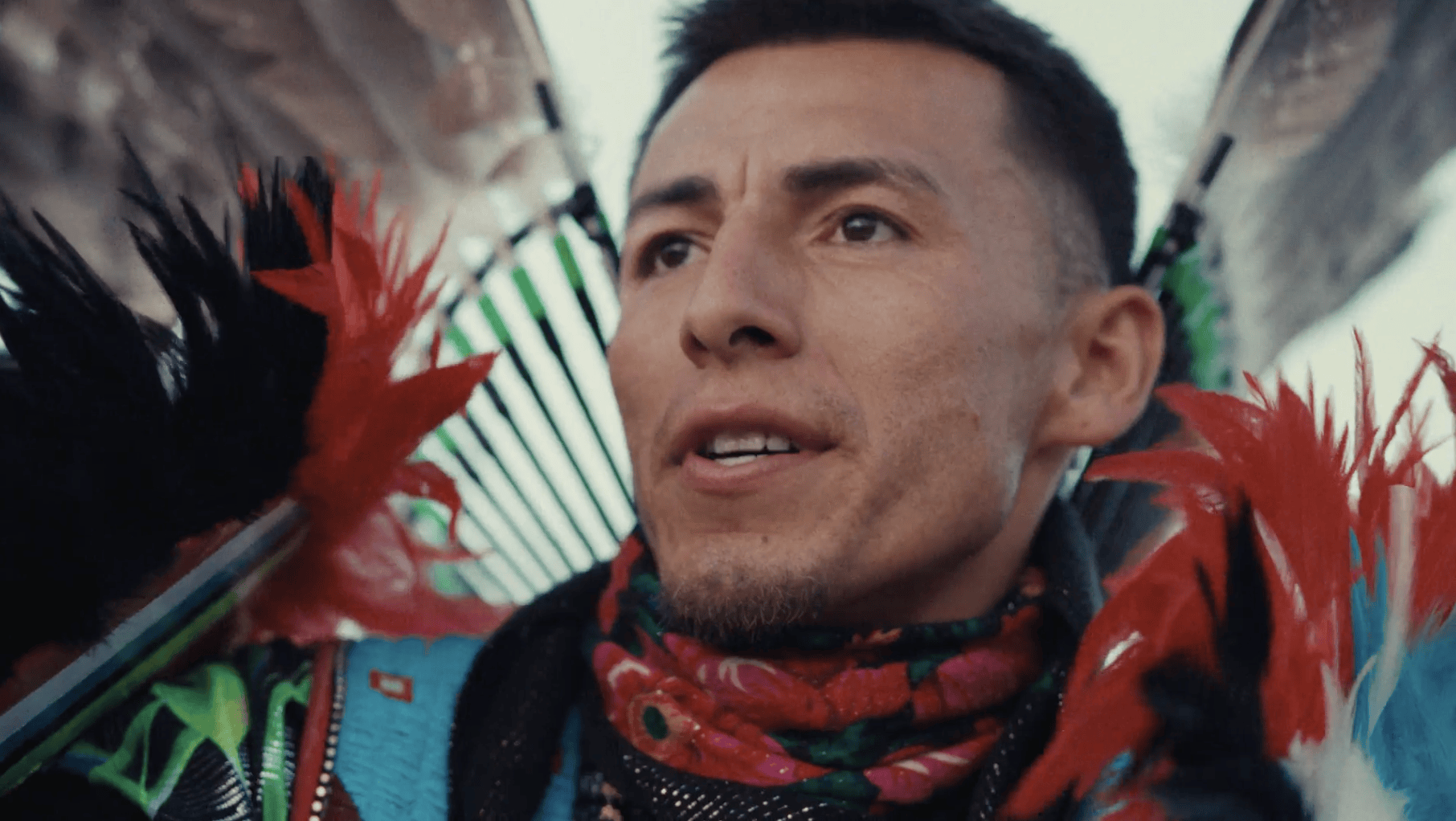
“Why We Dance” follows indigenous people from across the United States, Hawaii and Mexico who share a deep connection to their culture through dance. The film opens on the wind-swept prairie of the Rosebud Reservation, following fancy dancer Canku OneStar across his homelands.
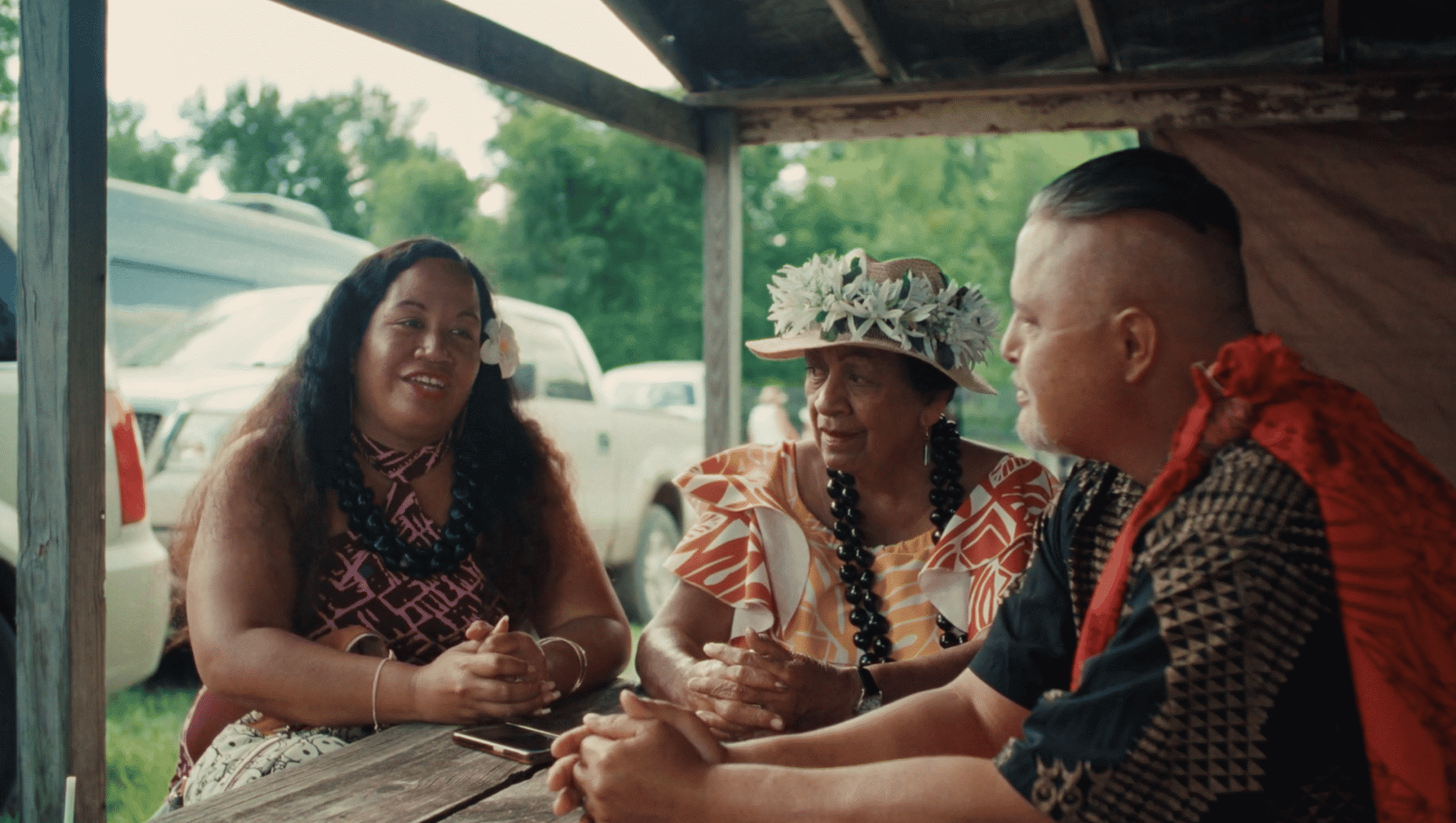
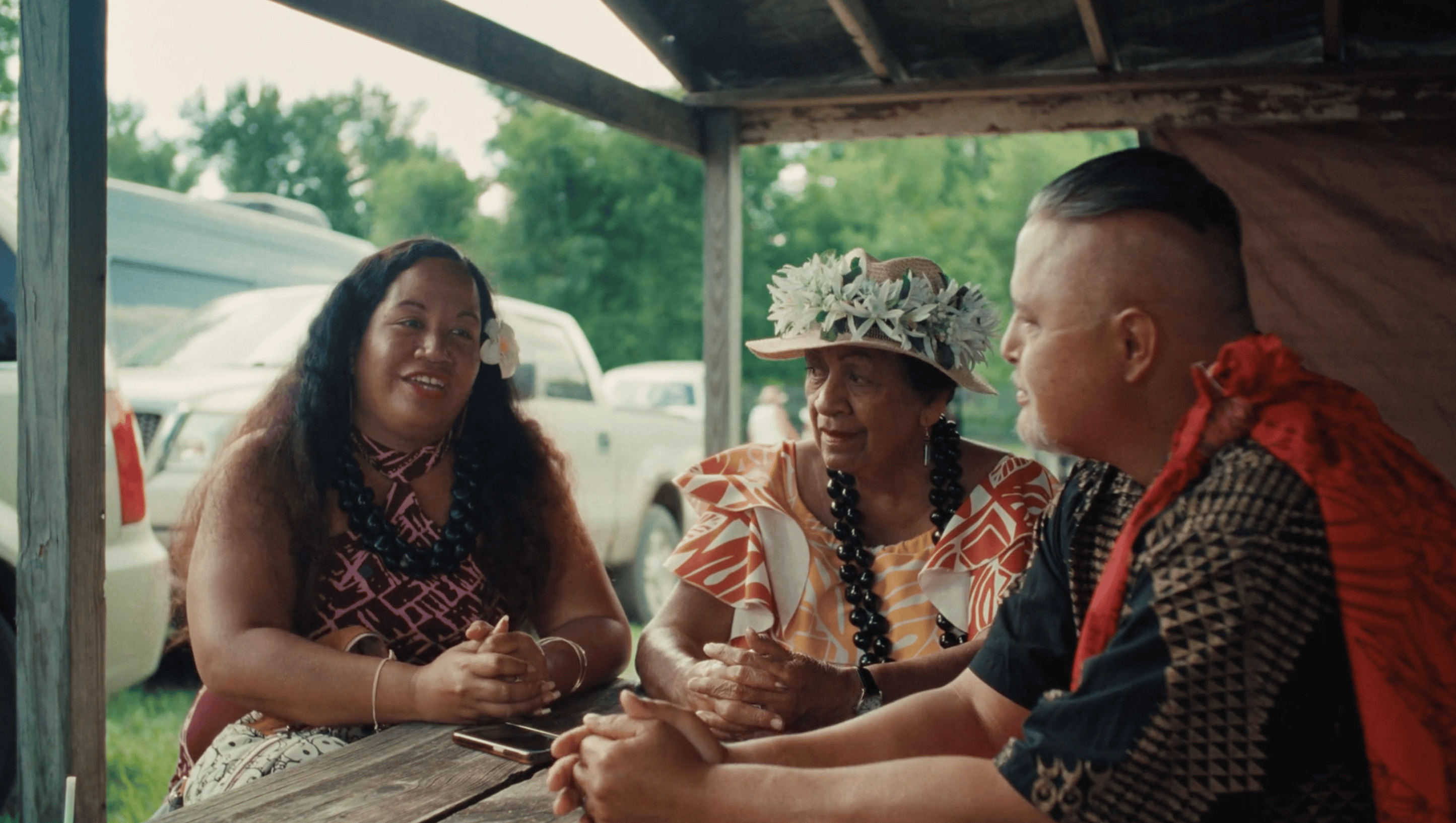
The film also visits O'ahu and Honolulu, where Pualeilani Paia Kamahoahoa and Paisley Paiea Kamahoahoa of the Kingdom of Hawai'i speak candidly about the challenge of practicing their cultural traditions authentically — beyond the cultural tourism that shapes how visitors to the islands experience Indigenous life.
The film also follows Mary Anne and Sergio Quiroz of Indigenous Roots Cultural Center in St. Paul and their travels to Mataxhi, Mexico. The film introduces Loa Miles Simoes, a Meskwaki tribal member adopted into a non-Native family and raised in Hawai'i, whose journey back to her homeland is central to the film's emotional arc.
Deep roots
The stories each have deep roots.
One has to do with how the Meskwaki people purchased their land back in Iowa. In 1923, the U.S. Department of the Interior sent a letter to more than 500 Native American tribes demanding an end to traditional religion, cultural celebrations and social gatherings, including social dances like pow wows.
The threat was not abstract — tribes faced the potential withholding of medical services and trade opportunities, and even the seizure of more land. Many were forced to speak their native languages and practice their ceremonies in secret.
The Meskwaki resisted. What had already been celebrated as a traditional harvest gathering — a multi-week celebration of corn, horse races, games and dance — had by the 1920s evolved into something with broader reach, drawing visitors from across the region as pow wow culture spread across the United States and Canada. When the tribal pow wow committee recognized the onlookers gathering to watch the celebration, they began charging admission.
"That's how we bought our land back," Push said.
The film began as something far more modest.
Push's cousin, Jarod Pushetonequa, approached Push about shooting footage of pow wow dancers for his performance company. Push connected him with Ryan Stopera, a Minneapolis-based filmmaker, and the team began shooting around the Twin Cities: at Minnehaha Falls, Crosby Lake Farm and eventually Dreamland, a black box theater that became the project's first real home.
Push first came on the project as an interviewer. When the original director stepped away, Stopera — acting as the film’s producer and director of photography — asked if she wanted to step in. What followed was a close creative partnership — with editor Ryan McGuire also central to the process — that Stopera says was defined less by disagreement than by the effort to keep Push's own voice where it belonged.
"The only pushback with Oogie and I was her humility in not wanting to center herself, and I encouraged her strongly to do so," Stopera said, "because her story and her voice is so powerful."
The thread of dance
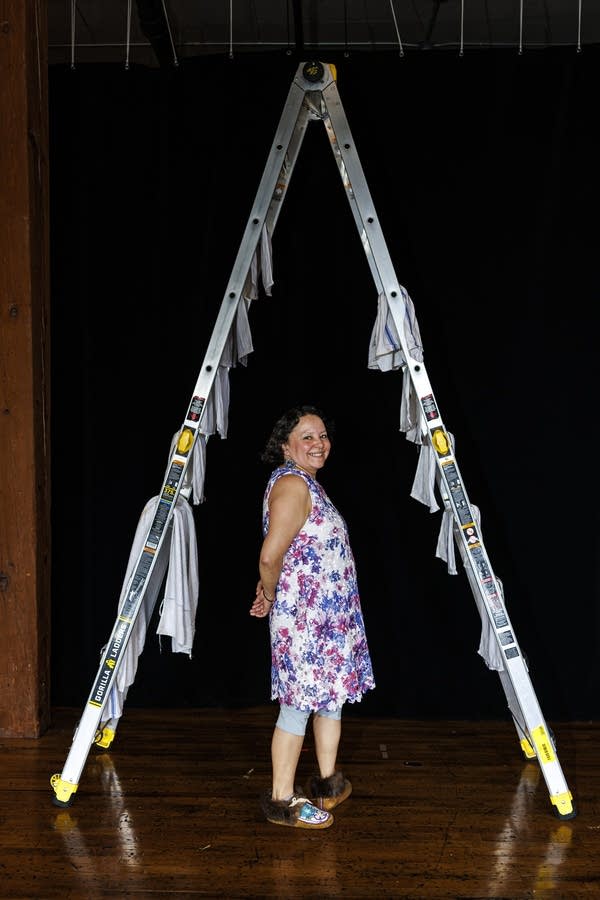
Push herself appears as a character, tracing the history of the Meskwaki Settlement and the pivotal role the pow wow played in buying it back. Over 76 minutes, a supporting cast of dancers, family members and community organizers add texture and depth. Each one is a thread in a larger tapestry about why dance matters culturally and politically.
"I really believe that if you are with the right people, magic happens," Push said. "You just create this synergy and create something beautiful."
The film draws on deeply personal territory for Push. Her uncles are interviewed in it, and her grandfather created the Eagle Dance that appears on screen. Push is also developing a separate collection of Meskwaki cultural documentaries, including a full-length film on the history of the pow wow.
Stopera says learning that history of how the Meskwaki purchased their land back has been one of the most galvanizing parts of the project for him.
"The joyful resilience and defiance of the no dancing letter, the economic ingenuity of the tribe just down the line is really inspiring and motivating," said Stopera.
"We just kept following the relationships and the stories that all connected together," said Stopera.
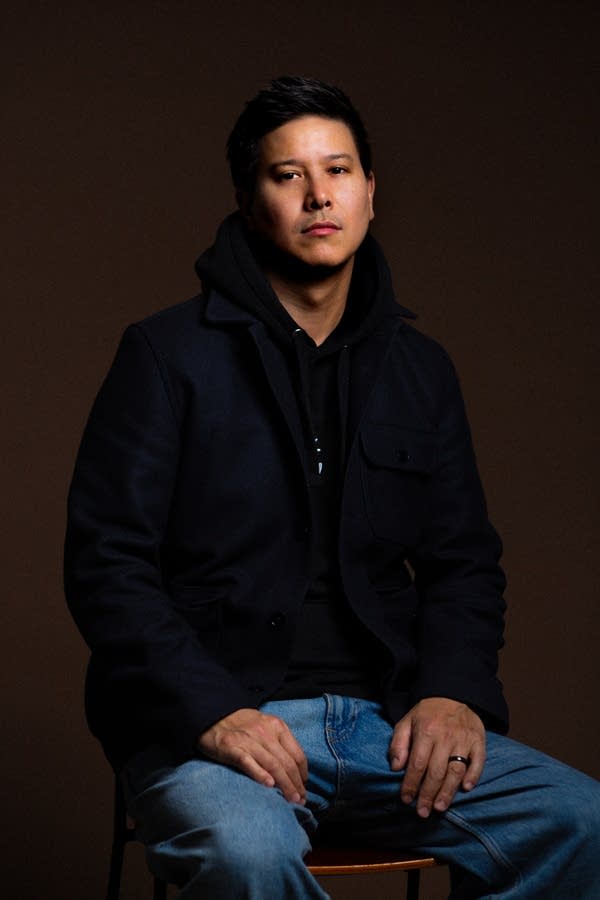
Both Push and Stopera were deliberate about the film's emotional register.
"A lot of fellow doc filmmakers and I are critiquing how much trauma is used to gain attention in the field," Stopera said. "We know that there's so much more depth to the stories, specifically of BIPOC communities, that need not center trauma."
Push agreed, saying that the film focuses more on cultural resilience.
"It's more about our joy and our love for dancing and how it makes us feel and how it connects us to everything. I just love that people will be able to see our people, our homelands, our joy, and see that no matter where we come from, we're all the same."
Push said she hopes audiences carry something with them when they leave the theater.
"I hope that ‘Why We Dance’ adds a blessing to the audience's life, to their day, that they carry it with them when they leave the theater and they're reminded of their own connection to this land, regardless of where they came from, and connection to their ancestors and how we're all interconnected."
Still Showing: Indigenous & Aboriginal Films at MSPIFF 45
-
Why We Dance — Sat 4/18, 4:15 p.m., The Main 1
-
The Condor Daughter — Tue 4/14, 2:00pm, The Main 5, Fri 4/17, 9:30 p.m., The Main 5
-
Mārama — Tue 4/14, 9:50 p.m., The Main 1
-
The Boom (short) — Tue 4/14, 7:05 p.m., The Main 1 & Sat 4/18, 4:15 p.m., Film North
-
Aki — Wed 4/15, 2:30 p.m., The Main 2
-
Comparsa — Fri 4/17, 2:15pm, The Main 2 & Sun 4/19, 11:20 a.m., The Main 2
-
Source to Sea: A Winter Migration — Sat 4/18, 7:00 p.m., The Main 2 & Sun 4/19, 12:00pm, Edina
-
Medicine Ball — Sat 4/18, 2:00 p.m., The Main 2
-
Legend of Fry-Roti: Rise of the Dough (short) — Sun 4/19, 1:55 p.m., The Main 2