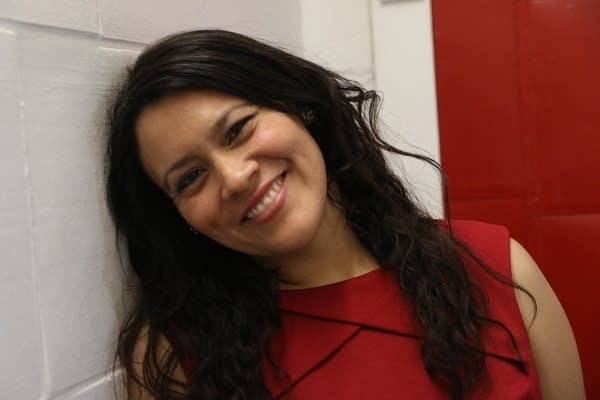
Founder of St. Paul-based New Native Theatre, Rhiana Yazzie, directs a new play titled "The Bird Blind," which she says explores the question: What are healthy relationships? Heavy topics like addiction and domestic violence are woven into the story, two topics she says are seen in Native communities.
“You're watching a story that feels very real and at the same time very heightened, theatrical,” Yazzie said.
“The Bird Blind” follows several characters as they make healthier choices to improve their lives and become positive influences on a young boy's life.
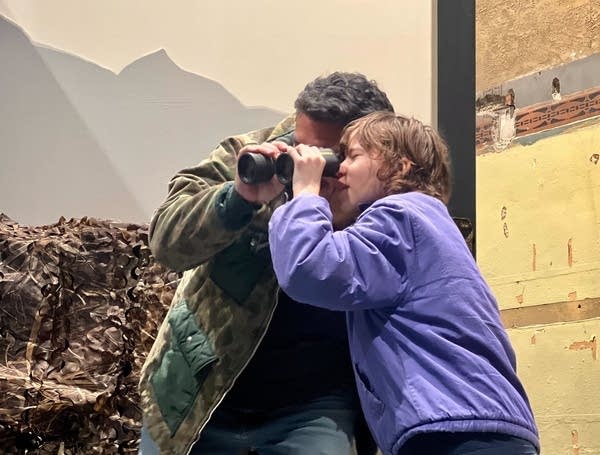
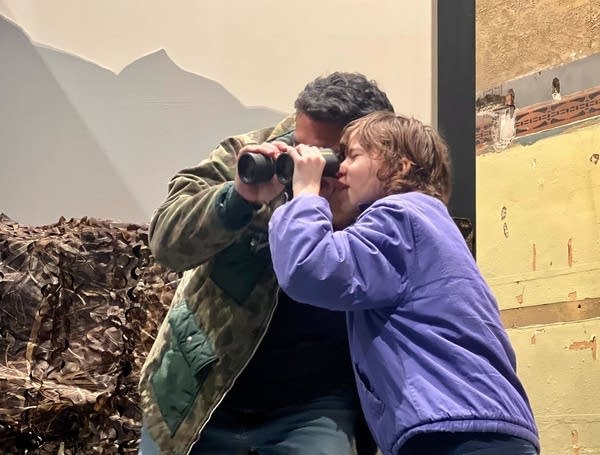
The young boy named Tim forms a friendship with a hunter who has his own struggles. Together, they examine their relationships while sitting in a bird blind, a shelter they use to stay hidden while hunting birds.
“It features Tim, a little bit of his family, and how his family slowly heals from everything that's been happening, and how he meets other people,” 13-year-old River Lane, who plays Tim, said.
Healing for future generations
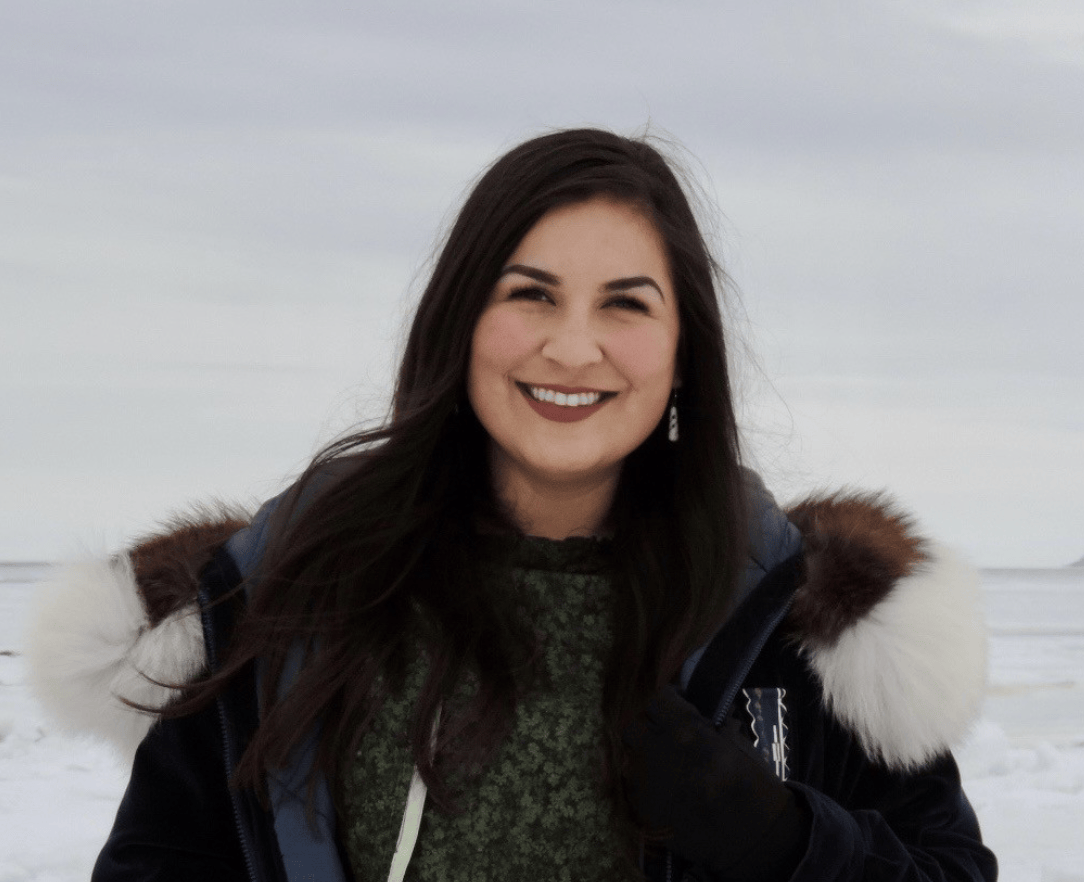
Alaska Native playwright Kira Apaachuaq Eckenweiler says the play explores how healing oneself can benefit future generations.
“How could we [be] thinking about, [and] how could we always try to be there for our future generations so that they could be healthier than us,” Eckenweiler said. “That they could live a life that's beautiful.”
She says inspiration for the play came from her own life and the relationships she's experienced or observed in her home village of Unalakleet.
“Life is so far from perfect, and it's messy. It's beautiful, it's wonderful, but it is messy sometimes,” she said. “I think my play has a lot of that. It shows the messiness of life, but also the beauty in it.”
For actress Susanna Piquk Lowndes, who plays Tim's mother, theater arts is its own type of beauty. She says that for her, as an Alaska Native, the theater provides an opportunity to express herself through storytelling, and even more so when those stories center Native voices.
“It's very healing and cathartic to be able to directly represent our people on stage, and I can't wait for our community to come together and heal through art with the story,” Lowndes said.
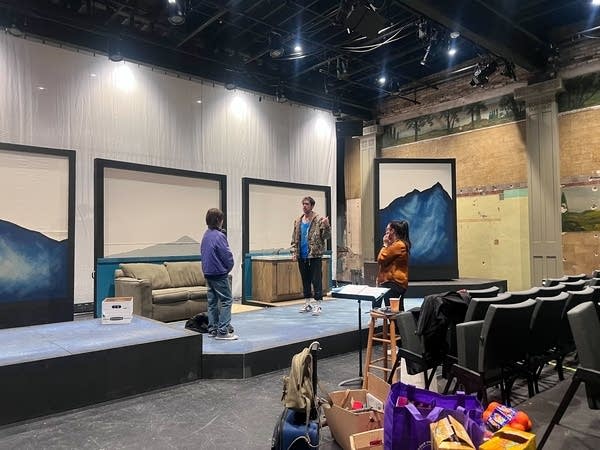
Actor Mato Wayuhi says the production has been a safe place to explore those heavier topics being portrayed. He plays Tim's father, a character who has been affected by the ripples of generational trauma — in his case, alcoholism. Wayuhi says that while he isn't the most likable character at the start, audiences may still be able to feel for him.
“My favorite thing about the role is I get to find those little moments of his heart and his playfulness and his humanity and his love for his people,” Wayuhi said.
He feels that the play has tangible takeaways, whether the audience knows it or not.
“I want people to see us on stage and say, ‘Oh, I've felt like that before. I've seen that before.’ And it might be a jump scare, however, to know that you're not alone, and to know that we're all going through this together,” Wayuhi said. “We can find solutions together.”
Frank Henry Kaash Katasse plays the role of the “troubled hunter” who befriends Tim. Being from Alaska himself, he says the play gives insight into the daily life of an Alaska Native community in the vast state.
“This play can transport you to literally a different part of the country, and you find things that are strange about being in that part of the world, but you also find things that you can relate to and connect to,” Katasse said.
Eckenweiler hopes audiences will take away the points of finding healing and growth, and seeing that life is filled with its ups and downs.
“Our youth look up to us. Our youth adore us. They love us, just even when we're broken. They still love and want, need us to be there for them,” Eckenweiler said.
“The Bird Blind” has showings at 825 Arts in St. Paul, located off University Avenue, through May 10.
Chandra Colvin covers Native American communities in Minnesota for MPR News via Report for America, a national service program that places journalists into local newsrooms to report on undercovered issues and communities.