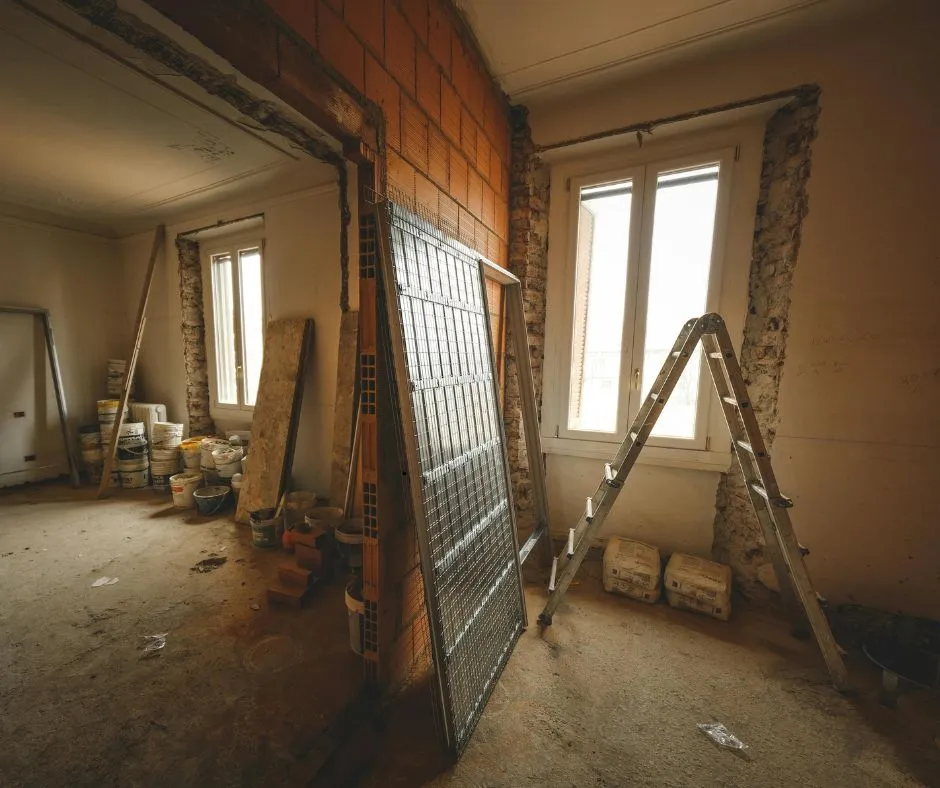
Most small business owners treat building repairs as something to deal with later. The faucet still runs, the back door still closes if you lean on it, the stain on the ceiling tile hasn’t spread much, so it all gets pushed down the list behind sales, payroll, and everything else that feels more urgent. The trouble is that deferred repairs don’t sit still and wait politely for a slow week. They compound. And the longer they wait, the more they end up costing you, usually in ways that never show up as a single obvious line on your books.
Quick Takeaways
|
Deferred Maintenance Is a Financial Decision, Not a Maintenance One
When you put off a repair, you’re not avoiding the cost. You’re choosing to pay it later, with interest. The U.S. Department of Energy has found that a functioning preventive maintenance program runs roughly 12 to 18 percent cheaper than letting equipment and fixtures fail and then fixing them reactively. A long-cited rule of thumb in facilities management puts it more bluntly: every dollar of repair you defer tends to turn into about four dollars of work down the road, because small problems almost never stay small.
That’s the real argument for treating professional upkeep of a commercial property as a standing line item rather than an emergency call you make at the worst possible moment. A trained crew catches the worn caulk before water gets behind the wall, the soft spot in the subfloor before it becomes a trip hazard, the flickering circuit before it takes out a whole panel. Catch the issue at that stage and you’re paying for an hour of labor and a tube of sealant. Wait, and you’re paying for the labor plus the damage it caused plus the disruption while someone tears into the wall to fix both.

Part of why this trap is so easy to fall into is that reactive repairs feel cheaper in the moment. Doing nothing has no invoice attached, so the running cost of a problem stays invisible right up until the day it suddenly isn’t. Preventive work, by contrast, shows up as a real expense on a calm Tuesday when nothing appears to be wrong, which makes it the easiest thing in the world to skip. That asymmetry is exactly how a fifty dollar fix quietly becomes a five hundred dollar one.
The Costs That Never Make It Onto the Invoice
The repair bill is the part you can see coming. The expensive part is usually everything wrapped around it.
It also costs more per repair when you wait. An emergency call carries a premium that a scheduled visit doesn’t, because you’re paying for someone to drop what they’re doing and come now. Often that means overtime or after-hours rates on top of the base price, since the cooler never seems to fail at ten in the morning on a quiet day. Planned work gets done at a planned price, and that gap shows up every single time you let something slide into a crisis.
Start with downtime. A bathroom you have to lock, a walk-in cooler that quits, a section of floor roped off because a tile cracked and lifted. For a business that lives on foot traffic or billable hours, a day offline isn’t just a maintenance headache, it’s revenue you don’t get back. And reactive repairs tend to happen on the repair person’s schedule, not yours, which means the fix often lands right in the middle of your busiest stretch.
Then there’s what your space quietly says to the people walking into it. Peeling paint, a water-stained ceiling, a door that sticks and scrapes every time it opens. Customers don’t see those things in isolation. They read them as a signal for how you run everything else, including the work they’re paying you for. A clean, well-kept space builds a little trust before anyone says a word. A tired one chips away at it just as quietly.
And there’s liability, which is the one that can really hurt. Uneven flooring, a loose handrail, a faulty outlet, a sagging ceiling. None of that is cosmetic. It’s the kind of thing that turns into an injury claim, a failed inspection, or an insurance problem, and any one of those will cost you far more than the repair you skipped. Addressing hazards while they’re still minor is a lot cheaper than explaining to anyone why you didn’t.
What a Maintenance Habit Actually Looks Like
You don’t need a facilities department to get ahead of this. You need a habit and a small amount of money set aside, and most of the work is just deciding in advance instead of reacting in a panic.
Start with a walkthrough on a real schedule, not whenever something breaks. Once a quarter, go through the building the way a stranger would and write down what you see. The faucet that drips, the scuff that’s turning into a gouge, the exterior trim that’s starting to rot. A written list turns a vague feeling that the place needs work into a short, fixable set of tasks you can actually budget for.
Set aside a maintenance reserve so repairs stop feeling like surprises. Even a small slice of monthly revenue, parked specifically for the building, changes the whole dynamic. A repair becomes a planned expense you’ve already covered instead of a scramble that pulls money away from something else you needed it for.
Then decide what’s in-house and what isn’t, and be honest about your own time. Swapping a bulb or tightening a hinge is fine to handle yourself. Anything involving water, wiring, structure, or a full Saturday of your attention is usually worth handing to someone who does it every day. You didn’t start your business to spend your weekends patching drywall, and the hours you burn doing it are hours you’re not spending on the work that actually grows the place.

Your Building Is an Asset, So Treat It Like One
Just about every other asset in your business gets regular attention. You service the vehicles, you update the software, you track the inventory. The building tends to be the one thing that gets ignored until it forces its way onto the list by failing. That’s a strange blind spot, because for a lot of small businesses the physical space is one of the largest assets they have and one of the most visible to every customer who walks in.
A property that’s consistently maintained holds its value, supports the experience you’re trying to deliver, and doesn’t blow up your week with emergencies you could have seen coming. The owners who get this stop thinking about repairs as annoying interruptions and start treating steady upkeep as part of running a profitable operation. It’s not the exciting part of the business, but it’s one of the few line items where a little discipline now reliably saves you real money later.
Looking for proven strategies used by famous business coaches?
Frequently Asked Questions
A few of the questions small business owners ask most often when they start taking building upkeep seriously.
How often should I have my building inspected for repairs?
For most small commercial spaces, a walkthrough once a quarter is a sensible baseline, with a closer look before and after harsh weather. Older buildings and high-traffic spaces like restaurants or busy retail floors usually warrant more frequent checks, since they wear faster and the cost of an unexpected closure is higher.
Which repairs can I handle myself, and which should I hand off?
Swapping a bulb, tightening a hinge, or touching up paint is reasonable to do in-house. Anything involving water, wiring, structure, or safety is usually worth handing to a professional, both because the risk of getting it wrong is real and because your own hours are better spent running the business than troubleshooting a leak.
How much should I budget for building maintenance?
There’s no single right number, but setting aside a small, fixed slice of monthly revenue specifically for the building works well for most owners. The point isn’t the exact figure, it’s having money already earmarked so a repair is a planned expense instead of a scramble that pulls cash away from something else.
Is preventive maintenance really cheaper than just fixing things when they break?
In most cases, yes. The U.S. Department of Energy has found that a functioning preventive maintenance program runs roughly 12 to 18 percent cheaper than a reactive approach. The savings come from catching small issues before they cause secondary damage and from avoiding the rush premiums that emergency repairs almost always carry.
What are the signs my commercial space needs attention now?
Visible damage like cracks, peeling paint, water stains, or lifting tile is the obvious one. Just as important are the operational signals: flickering lights, doors that stick, slow drains, or anything that’s become a daily annoyance. Those small frustrations are usually early warnings, and they’re a lot cheaper to address while they’re still small.