
San Francisco doesn’t need the World Cup to prove anything.
The food – the dim sum in Richmond, the Mission burrito with a cult following that spans decades and continents, the sourdough that fully earns its mythology – makes most American cities look like they’re not even trying.
The neighborhoods feel like separate cities stacked inside seven miles by seven miles. North Beach carries the ghost of Kerouac and Ferlinghetti. The Castro carries decades of history and still refuses to be ordinary. The Haight is half museum, half something still alive.
And then the World Cup arrives. Levi’s Stadium in Santa Clara – 45 miles south of the city, technically. But nobody who has spent time in the Bay Area is calling this Santa Clara’s World Cup. This is San Francisco’s. The city will treat it exactly that way.
Six matches. Five group stages. One knockout round. One of the most spectacular backdrops in the world. If the US wins Group D, they play their Round of 32 here. The energy of that possibility alone is worth building a trip around. Here is your San Francisco World Cup 2026 Guide:
Why San Francisco for World Cup 2026

San Francisco is the smallest city on the US World Cup host list by land area – 47 square miles, fewer than 900,000 people. It is arguably the most singular.
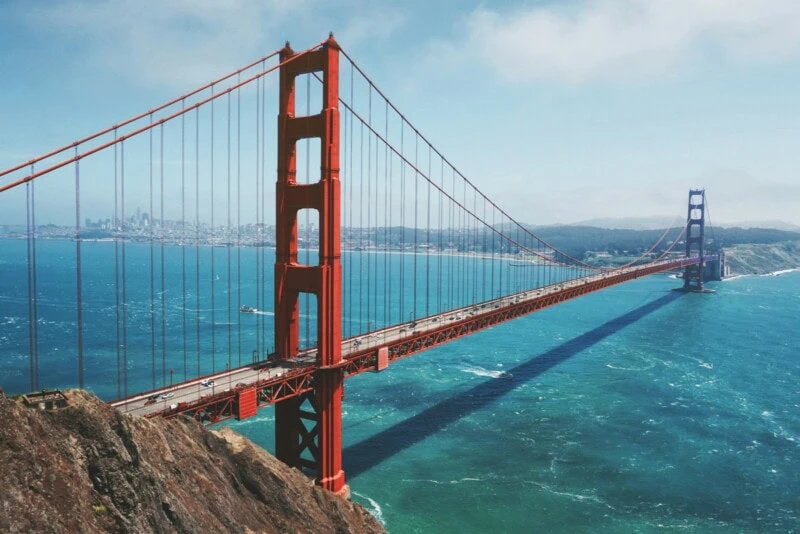
No other American city looks like San Francisco. The Victorian painted ladies cascading down hills toward the bay. The Golden Gate emerging from fog like it was placed there deliberately by someone with an extraordinary sense of composition. The bay itself – Alcatraz floating offshore, the East Bay hills in the distance, the water everywhere. The light in the afternoon, which is different here than anywhere else and has attracted painters and photographers for a century.
The personality of the city is specific in a way that’s hard to define and unmistakable once you feel it. The people who live here – the ones who chose it and stayed – tend to be the kind who came to become something. That self-selection produces a city with a peculiar, wonderful, maddening energy that you either love immediately or miss years after leaving.
The food scene pioneered farm-to-table before the term existed. The Bay Area has 28+ Michelin-starred restaurants – more per capita than nearly anywhere in America. The dim sum in the Richmond District rivals anything in Hong Kong. The sourdough at Tartine Bakery requires a morning queue and earns every minute of it. The Mission burrito is not just a food item – it’s a civic institution with regulars who will argue at length about which taqueria is correct.
For World Cup fans traveling to multiple US host cities: San Francisco is the most visually stunning stop on the list. Build the extra days in. The city demands slow exploration in a way that the more horizontally-sprawling host cities don’t.
The San Francisco World Cup Strategy
- Stay in San Francisco, not Santa Clara – Levi’s Stadium is 45 miles south, but the city is where the World Cup will feel like the World Cup. Caltrain connects you directly to the stadium. The hotel inventory in Santa Clara is fine. The experience of being in San Francisco is irreplaceable.
- Caltrain is your stadium transport – San Francisco’s 4th and King Street Caltrain station runs match-day service directly to Santa Clara (transfer required). Approximately 60–70 minutes each way. Do not drive. Parking at Levi’s on World Cup day is a significant mistake.
- Pack layers every single day – June in San Francisco is famously cold and foggy. Mornings can be in the low 50s. Mark Twain may or may not have originated “the coldest winter I ever spent was a summer in San Francisco” but whoever said it understood something true. Bring a fleece or light jacket regardless of what the weather app shows.
- Note the Santa Clara weather difference – The stadium sits 45 miles inland, protected from the bay fog. Match days at Levi’s will be warm and sunny – potentially 75–85°F – while the city is cool and overcast. Pack sunscreen and moisture-wicking kit for the stadium; bring your layers back to the city for evenings.
- Book restaurants ahead – The Bay Area dining scene is world-class and deeply reservation-driven. Popular spots book weeks in advance under normal conditions. June 2026 will not be normal conditions.
- Walk more than you think you should – The hills are punishing but every one of them pays off with a view. San Francisco is one of the most walkable cities in America once you accept that it’s also a workout.
- Explore beyond Union Square – The Financial District and downtown are fine. The Mission, North Beach, the Castro, the Richmond, the Haight, and the Embarcadero are where the actual city lives. Spend your non-stadium time there.
Levi’s Stadium – What to Know

Levi’s Stadium sits in Santa Clara, California, home of the San Francisco 49ers. During the 2026 World Cup it will be officially known as San Francisco Bay Area Stadium – FIFA’s standard policy of removing commercial naming rights during the tournament to maintain sponsor neutrality.
Key stadium facts:
- Capacity: 70,000 (expandable to 75,000 for World Cup)
- The 49ers invested $200 million in upgrades ahead of the tournament – premium seating overhaul, new scoreboards, infrastructure improvements throughout
- Open-air stadium. No roof. Santa Clara weather is significantly warmer and clearer than San Francisco – plan for sun on match days
- LEED Gold certified, one of the greenest NFL venues in the country – rooftop solar panels, recycled water systems throughout
Getting there – Take the Caltrain from San Francisco’s 4th and King Street station to the Mountain View station. Transfer to the VTA Light Rail Orange Line to the Great American Station stop, where you’ll be right at the San Francisco Bay Area Stadium. Buy your Clipper Card or use the Caltrain app before match day – don’t rely on cash. The best value is the Caltain + VTA Day Pass. BART connects you to 4th and King from most SF neighborhoods.
Do not drive – The parking situation around Levi’s on World Cup days will be expensive, slow, and entirely avoidable. The Caltrain ride is part of the experience – thousands of fans from multiple nations, the energy building the whole ride down the peninsula.
Arrive 90 minutes early minimum – World Cup security for an international tournament of this scale is thorough. Build the buffer in and treat it as part of the day rather than dead time.
Bag policy – Standard FIFA restrictions apply – bags no larger than 12″x6″x12″, no outside food or beverages, no professional camera equipment. Verify the specific 2026 restricted items list on the official FIFA stadium guide before match day.
The 2026 World Cup Matches at Levi’s Stadium
San Francisco Bay Area Stadium will host six matches – five group stages, one Round of 32.
Based on the official FIFA release schedule (January 29, 2026), the following matches are assigned to Levi’s Stadium:
|
Match |
Teams |
Date |
Time (PT) |
Group |
|
Match 8 |
Qatar vs. Switzerland |
Saturday, June 13 |
12:00 PM |
Group B |
|
Match 20 |
Austria vs. Jordan |
Tuesday, June 16 |
9:00 PM |
Group J |
|
Match 31 |
TUR/ROU/SVK/KOS vs. Paraguay |
Friday, June 19 |
9:00 PM |
Group D |
|
Match 44 |
Jordan vs. Algeria |
Monday, June 22 |
8:00 PM |
Group J |
|
Match 60 |
Paraguay vs. Australia |
Thursday, June 25 |
7:00 PM |
Group D |
|
Match 81 (Round of 32) |
Group D Winner vs. 3rd Place (B/E/F/I/J) |
Wednesday, July 1 |
5:00 PM |
Knockout |
USMNT – The United States is in Group D with Paraguay and Australia. If the US finishes first in Group D, they play the Round of 32 at Levi’s Stadium on July 1. A home World Cup knockout game in one of the most cinematic cities in America – expect demand for that match to be unlike anything on the regular schedule. If you’re building a trip around potential USMNT games, San Francisco on July 1 is a date to circle.
Group J context – Argentina and Algeria are in Group J. Argentina plays their group stage matches elsewhere, but Group J knockout implications play out here through Jordan and Algeria’s matches on June 16 and 22.
Where to Stay in San Francisco for World Cup 2026
Stay in the city. The stadium is in Santa Clara, but Caltrain handles the transit. Don’t sacrifice the San Francisco experience for proximity to a stadium you’ll visit a handful of times.
Union Square / Downtown
The obvious choice for first-timers – central, hotel-dense, walking distance to major attractions. Cable car access, easy BART and Muni connections. The neighborhood itself is tourist-centric but the location is hard to beat for transit logistics.
Best for: First-time SF visitors, groups wanting central access to everything.
The Embarcadero / Ferry Building
One of the best positions in the city. The Ferry Building farmers market on Saturdays, water views in every direction, easy connections downtown. Slightly less saturated with tourist infrastructure than Union Square – the experience of the neighborhood is more local.
Best for: Visitors who want the city to feel like a city rather than a hotel district.
Mission District
The heart of San Francisco’s Latino community and the city’s most dynamic neighborhood for food and nightlife. Walk to taquerias, bars, murals, and a street-level energy that downtown doesn’t have. Requires slightly more transit awareness – plan your Caltrain connections from elsewhere in the city.
Best for: Visitors who want to eat and drink well and experience the actual neighborhood character of SF.
North Beach
The old Italian-American neighborhood adjacent to Chinatown and walking distance from the waterfront. Excellent cafes, historic bookshops, good bars. The most European-feeling neighborhood in the city – quieter than downtown, genuinely charming.
Best for: Visitors who want a neighborhood feel with easy access to the waterfront and historic SF.
Getting Around San Francisco and To the Stadium

BART – Bay Area Rapid Transit is the backbone of SF transit. Connects SFO airport directly to downtown, runs to Oakland and Berkeley across the bay, stops throughout the city. Get a Clipper Card at the airport on arrival.
Muni – San Francisco’s city-specific transit system. Buses, light rail, and the historic cable cars. The cable cars are slower than buses but an experience worth doing once – specifically the Powell-Hyde line from Union Square to Fisherman’s Wharf.
Caltrain + VTA Light Rail to the stadium – From 4th and King Street station, Caltrain to Santa Clara is your match day transport. Transfer at Mountain View station to the VTA Light Rail and the stadium is located at the Great American Station stop. Clipper Card or app payment. 75-90 minutes each way. Do not drive.
On foot – San Francisco is highly walkable between neighborhoods once you accept the hills. A 20-minute walk in SF often covers meaningful ground and always provides better views than any transit option.
Rideshare – Uber and Lyft are heavily used. Expect surge pricing around match times near the stadium. Fine for within-city movement.
Renting a car – Unnecessary within San Francisco. If you’re planning a day trip to Wine Country, car rental makes sense for that specific excursion.
Getting from the airport:
- SFO → BART → Downtown: ~30 minutes, ~$10. The right answer for most visitors.
- Oakland Airport → BART → Downtown: ~45 minutes, similar cost. A viable alternative if Oakland fares are lower.
Where to Eat in San Francisco

The Bay Area food scene is one of the great dining cultures in America. The farm-to-table movement was born here. The cuisine diversity reflects a city shaped by Gold Rush–era immigration that never really stopped. This is where you eat well.
Mission District – Essential Taquerias
The Mission burrito is its own category. Large, wrapped in foil, filled with rice, beans, meat, guacamole, and sour cream in proportions that shouldn’t work and do. The debate over which taqueria is the correct one has been going on for decades.
- La Taqueria – 2889 Mission St. Often cited as the best. No rice in the burrito, which some consider heresy and devotees consider purity. James Beard Award winner.
- El Farolito – 2779 Mission St. Open late, reliably extraordinary, massive burritos.
- Taqueria El Buen Sabor – Mission stalwart. Lengua taco if you’re adventurous.
Richmond District – Dim Sum
Richmond is San Francisco’s other Chinatown – less touristy than Chinatown proper, more local, better food. Saturday dim sum here is among the finest you’ll find in North America.
- Dragon Beaux – 5700 Geary Blvd. Premium dim sum, beautiful space, worth the splurge.
- Good Luck Dim Sum – 736 Clement St. Takeaway dim sum at prices that feel wrong for the quality. Cash only.
- Hong Kong Lounge – 5322 Geary Blvd. Family-owner Chinese restaurant serving nearly 20 varieties of dim sum.
Tartine Bakery 600 Guerrero St, Mission District. One of the most famous bakeries in the world. The country loaf sells out by early afternoon. The morning bun is extraordinary. Go early, expect a line, don’t skip it.
Zuni Café 1658 Market St. A San Francisco institution. The roasted chicken for two with bread salad requires a 45-minute advance order and is one of the great dishes in California dining. Reserve ahead.
Swan Oyster Depot 1517 Polk St. Counter-only seafood since 1912. Cash only. Opens at 10:30am. The line starts before the door unlocks. Gulf prawns, Dungeness crab, clam chowder in a sourdough bowl. No reservations. Worth every minute of the wait.
Bix 56 Gold St, Financial District. Hidden on an alley in the Financial District. Cocktail bar first, restaurant second, jazz venue throughout. One of the cooler rooms in the city.
Liholiho Yacht Club Mission District, Hawaiian-influenced cooking from a James Beard Award winner. One of the more fun and inventive restaurants in the city.
Pre-match eating: The neighborhoods around the Caltrain station – SoMa and the Embarcadero – have solid options for pre-departure meals. Easier to eat in the city before boarding than to scramble for food in Santa Clara.
Where to Drink & Watch Games in San Francisco

San Francisco’s bar scene is excellent and genuinely neighborhood-specific. The same city contains Irish dive bars, craft cocktail temples, rooftop lounges with bay views, and soccer-specific pubs that will be absolutely packed for every World Cup match.
Soccer-specific bars:
- The Blarney Stone – Tenderloin. One of the city’s original soccer bars. Will be at capacity for every knockout match.
- Bus Stop Saloon – Marina. Young crowd, reliable soccer broadcasts.
- The Kezar Pub – Upper Haight. A local’s favorite-turned-popular soccer bar.
Rooftop bars:
Craft cocktail:
- Trick Dog – Mission District. Rotating themed menus, legitimately inventive cocktails, one of the most interesting bar programs in the country.
- Alchemist Bar & Lounge – dim-lit setting, uses housemade ingredients to craft signature drinks
Dive bars:
- The Knockout – Mission. No-pretense neighborhood bar.
- Zeitgeist – Mission/Castro border. Outdoor beer garden, reliably packed, biker bar energy that somehow works with everyone.
Best Tours and Experiences in San Francisco
Alcatraz Island
One of the most visited sites in the US for good reason. The audio tour narrated by former guards and inmates is genuinely compelling. Book 2-3 weeks in advance – tickets sell out, especially in peak summer. The ferry ride across the bay provides some of the best views of the SF skyline available anywhere.
Golden Gate Bridge
The 1.7-mile crossing takes approximately 30-45 minutes each way. Go in the morning before the wind picks up. If fog covers the towers, that is not a disappointing version of the bridge – that is the version. The view of the city from the Marin side is one of the great urban vistas in the world.
Golden Gate Park
One of the great urban parks in America, larger than Central Park. The de Young Museum, the California Academy of Sciences (rain forest, planetarium, living roof), the Japanese Tea Garden, and miles of trails and meadows. A full day could disappear here without effort.
Muir Woods
45 minutes north across the Golden Gate. Ancient coastal redwoods – some over 1,000 years old – in a canyon so quiet it resets something in you. Shuttle reservations required (no private car access on weekends and busy periods). Do this on a non-match day; it’s worth the full morning.
Wine Country Day Trip
Napa Valley is 90 minutes northeast. Sonoma Valley is 90 minutes north. Both are significantly more accessible from San Francisco than from any other World Cup host city. For wine-drinking fans, this is an asset unique to the Bay Area stop. Rent a car or book a guided tour.
Mission District Murals
The Mission Murals corridor along 24th Street and Balmy Alley is one of the largest collections of outdoor murals in the US. Walking it is free, takes about an hour, and provides more cultural context about San Francisco’s history than most museums.
Beyond the Game – San Francisco in June

Chinatown – The oldest Chinatown in North America, established in 1848. Grant Avenue is the tourist version; the streets off it – Waverly Place, Spofford Alley – are where the actual neighborhood lives. Walk it at dusk when the lanterns come on. Insider note: the Bay Area has three Chinatowns – the famous one in SF, one in the Richmond District, and one in Oakland. The one in Richmond is where locals actually eat. Follow that lead.
The Castro – The historic center of LGBTQ culture in America. The Castro Theatre – a 1922 movie palace – is worth seeing even if you don’t catch a film. The neighborhood is welcoming, interesting, and carries a history that shaped San Francisco as much as the tech industry did.
Fisherman’s Wharf – Tourist-heavy and worth exactly one visit. Clam chowder in a sourdough bread bowl. Sea lions at Pier 39. The view. Then move on to somewhere more interesting.
The Painted Ladies / Alamo Square – The Victorian houses on Alamo Square with the downtown skyline behind them. You’ve seen the photo. Go early in the morning before the crowds.
Fort Point – Tucked directly beneath the southern anchorage of the Golden Gate Bridge – a Civil War–era brick fort that most tourists walk right over without knowing it exists. Free to enter. The view looking straight up at the bridge towers from below is one of the most dramatic angles in the city. Don’t skip it.
Golden Gate Park – Beyond the Surface – Most visitors scratch the surface. Golden Gate Park is larger than Central Park and deserves more than a walk through. The California Academy of Sciences – natural history museum, aquarium, planetarium, and living rainforest under one roof – is one of the best science museums in the country. The de Young Museum has an exceptional permanent collection and a free observation tower with panoramic city views. The Japanese Tea Garden is the oldest public Japanese garden in the US. Two working windmills stand at the park’s western edge. A full day here barely covers it.
Legion of Honor – Perched on a cliff in Lincoln Park overlooking the Golden Gate, this Beaux-Arts museum holds one of the finest collections of European art on the West Coast – Rodin, Monet, Rembrandt – and one of the most dramatic settings of any museum in America. The exterior alone is worth the trip.
SoMa (South of Market) – The neighborhood directly south of downtown. Home to the SF MoMA (one of the great modern art museums in America), the Contemporary Jewish Museum, Yerba Buena Gardens, and some of the city’s best bars and restaurants. Walkable from the Caltrain station.
Day Trips from San Francisco:
- Napa Valley – 90 minutes northeast. Wine country. No further description required.
- Sonoma Valley – 90 minutes north. Slightly more relaxed than Napa, equally excellent wine, stronger food scene.
- Muir Woods – 45 minutes north. Ancient redwoods. The single best nature day trip from any World Cup host city.
- Monterey / Carmel – 2 hours south. The Aquarium, the 17-Mile Drive, Point Lobos. One of the great Pacific Coast drives.
- Yosemite National Park – 4 hours east. If you have an extra day and haven’t been, this is one of the most extraordinary places in North America.
San Francisco Fan Culture
San Francisco doesn’t have a dominant MLS identity – and that may be its strength. The Bay Area’s soccer energy comes from its international communities, not one club. Don’t confuse the absence of a local team with a lack of passion.
The Bay Area has one of the largest immigrant communities in the United States. The diversity concentrated in seven miles by seven miles means that every significant national team playing at Levi’s has a substantial hometown fan base right here. The matches involving Jordan, Algeria, Paraguay, Australia, and Switzerland will each draw significant communities from within the Bay Area itself – people for whom this is a home match in a literal sense.
The Brazilian, Mexican, Argentine, and broader Latin American communities across the Bay Area will be out in force for every match. The Mission District will become one of the most vibrant street-level World Cup experiences in the country regardless of which specific nations are playing at Levi’s.
The Quakes – San Jose Earthquakes – are the closest MLS team and have loyal support that will add to the atmosphere.
If you want to find the fan culture: go to the Mission. Go to the soccer bars. Go to the Ferry Building plaza for matches being shown on public screens. The size of the city doesn’t limit the passion – it concentrates it.
Who Should Choose San Francisco?
Not every World Cup host city is the right call for every fan. San Francisco is perfect for:
- Food-first travelers – 28+ Michelin stars, a legendary food market, the world’s most debated burrito, and some of the best dim sum outside Asia
- Wine lovers – Napa and Sonoma are 90 minutes away. No other host city puts wine country this close.
- First-time US visitors – The Golden Gate, Alcatraz, cable cars, the bay. SF delivers the full American postcard in a walkable, manageable city.
- Fan building a West Coast World Cup itinerary – SF + LA + Seattle + Vancouver will host some of the biggest matches during the 2026 World Cup
- USMNT supporters targeting July 1 – If the US wins Group D, the Round of 32 is here. Circle the date.
- Travelers who want instantly recognizable imagery – Every neighborhood is a photograph. You will not run out of shots.
If your priority is the loudest stadium atmosphere or the warmest weather, there are better options on the host city list. If you want the most visually extraordinary city in the US with world-class food and a bay that looks fake at sunset – this is your stop.
San Francisco World Cup 2026 Weather Guide
June in San Francisco requires more preparation than the city’s latitude would suggest.
City weather (San Francisco):
- Highs: 60–68°F (15–20°C) – often feeling cooler with wind
- Lows: 50–55°F (10–13°C)
- Fog: Common in the mornings, often clearing by midday, returning in the evenings
- Rain: Unlikely in June – the dry season
Stadium weather (Santa Clara, 45 miles inland):
- Highs: 75–88°F (24–31°C) – significantly warmer, no bay fog
- Match days will feel like a different climate than the city
What to pack for this city specifically:
The layering principle is non-negotiable. What feels absurd to pack for summer in California will feel essential every evening. A packable down jacket or quality fleece will be used daily.
Comfortable walking shoes that handle hills are more important here than in any other host city on the list. Sunscreen for the stadium (it’s a different climate) and a light jacket for the city are both necessary simultaneously.
What to Pack for San Francisco
San Francisco is an outlier in the World Cup packing conversation – the warmest-weather advice applicable to Miami or Dallas actively misleads you for the Bay Area.
Non-negotiables for San Francisco specifically:
- Fleece or light down jacket – this will be used every single evening, possibly every morning
- Comfortable walking shoes with ankle support – the hills are real, cobblestones exist in some historic neighborhoods, you will walk more than anywhere else on the host city list
- Sunscreen for stadium days – Santa Clara is sun-exposed, warm, and not what your SF hotel mornings prepared you for
- Packable layers – the temperature difference between morning and afternoon can be 20°F in the same day
Conclusion
The World Cup doesn’t elevate San Francisco. It simply gives the rest of the world a reason to see it at full volume.
Six matches. A city that has been operating at an extraordinary level for long enough that it doesn’t need a tournament to justify itself – but will host one with the particular energy of a place that has always attracted people who came to become something different.
Pack your layers, book your Caltrain ticket, eat the burrito, walk the bridge in the fog, drink the Blue Bottle coffee before you board south to the stadium.
The Bay Area will exceed every expectation you arrive with. It always does.
Read More:
FIFA World Cup 2026 Packing List
San Francisco World Cup 2026 FAQ
Is Levi’s Stadium in San Francisco?
No – Levi’s Stadium (officially San Francisco Bay Area Stadium during the World Cup) is in Santa Clara, approximately 45 miles south of San Francisco. It is the home venue of the San Francisco 49ers. San Francisco-based hotels connected by Caltrain are the recommended base.
How do I get from San Francisco to Levi’s Stadium?
Caltrain from 4th and King Street station in San Francisco to Santa Clara station, approximately 60–70 minutes. Transfer to the local VTA Light Rail to the Great American Station stop.
How far is San Francisco from the stadium?
Approximately 45 miles – 75-90 minutes by Caltrain + VTA Light Rail, 50–75 minutes by car without traffic (significantly longer with it on match days).
Is San Francisco expensive during the World Cup?
San Francisco is already one of the most expensive cities in the US. World Cup surcharges on hotels should be expected. Book accommodation as early as possible – prices will rise significantly as June approaches.
What is the weather like in San Francisco during the World Cup?
Expect highs of 60–68°F in the city with morning fog and evening chill. The stadium in Santa Clara will be significantly warmer – 75–88°F – and sunny. Pack for both climates simultaneously.
What should I not miss in San Francisco?
Alcatraz, walking the Golden Gate Bridge, Tartine Bakery, dim sum in the Richmond, Mission burritos, Golden Gate Park, the Ferry Building farmers market on Saturday morning, and at least one evening in the Mission or North Beach.
Does San Francisco have a soccer team?
The San Jose Earthquakes (MLS) are the nearest professional soccer team, based 45 miles south. San Francisco does not have an MLS franchise, but the Bay Area has a large and diverse soccer fan community drawn from its international population.
Will World Cup tickets be available last minute?
Some tickets appear on secondary markets close to match dates, though at premium prices. The July 1 Round of 32 – especially if it involves USMNT – will be the hardest ticket in the Bay Area World Cup window.

Stacie Harris is a local resident and reporter of the Maple Grove area. Stacie reports on medicine and science for the Maple Grove Report.