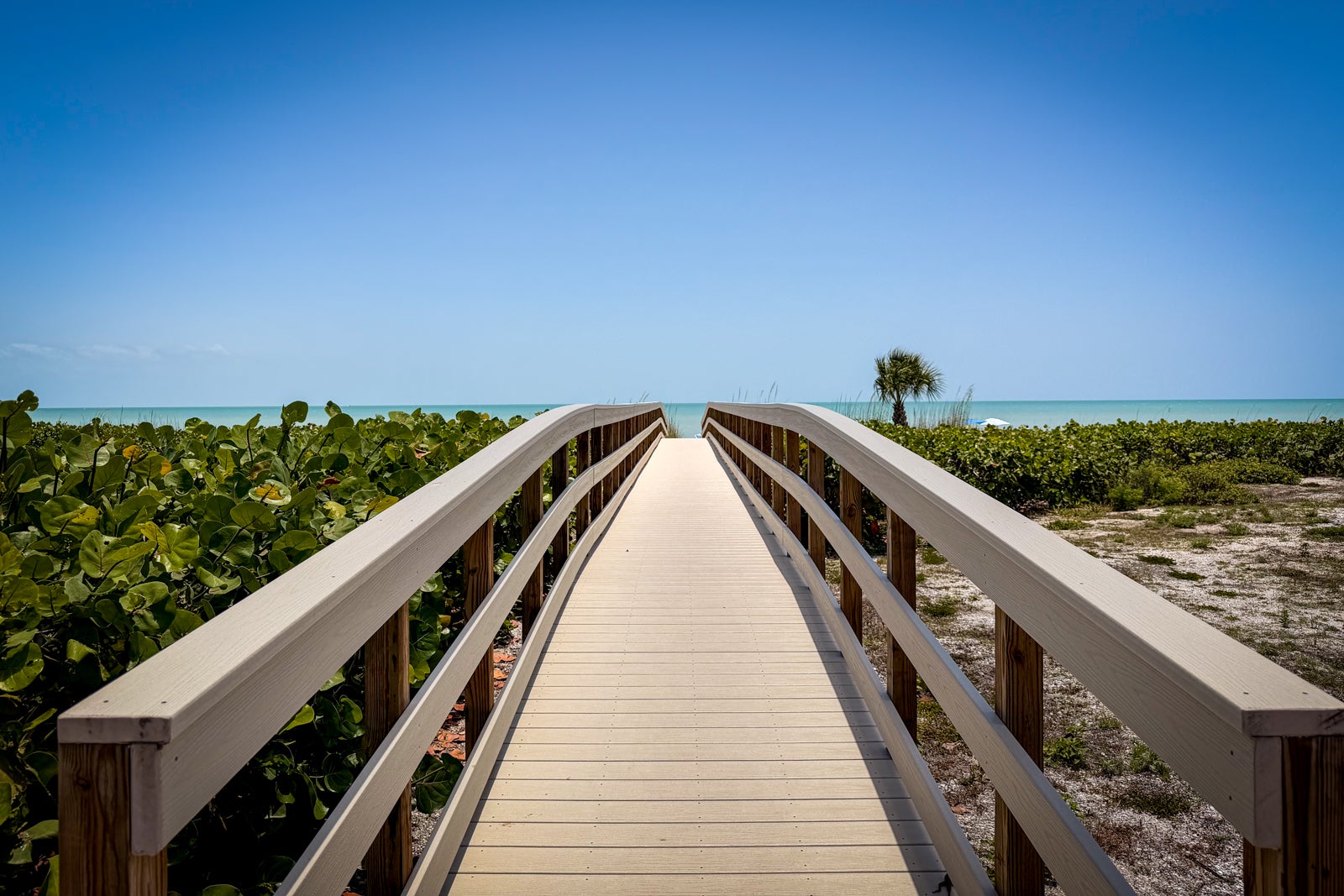

Many Florida beach destinations bustle with boardwalks, beach bars and high-rise resorts. But just off the coast of the Florida Gulf sits an island better suited for travelers seeking a slower, more laid-back escape. Maybe it’s the stretches of shell-covered beaches, the daily wildlife encounters or the island’s slow paced, nature-focused atmosphere, but Sanibel Island carries a special kind of energy that feels like a little slice of paradise away from the rest of the world.
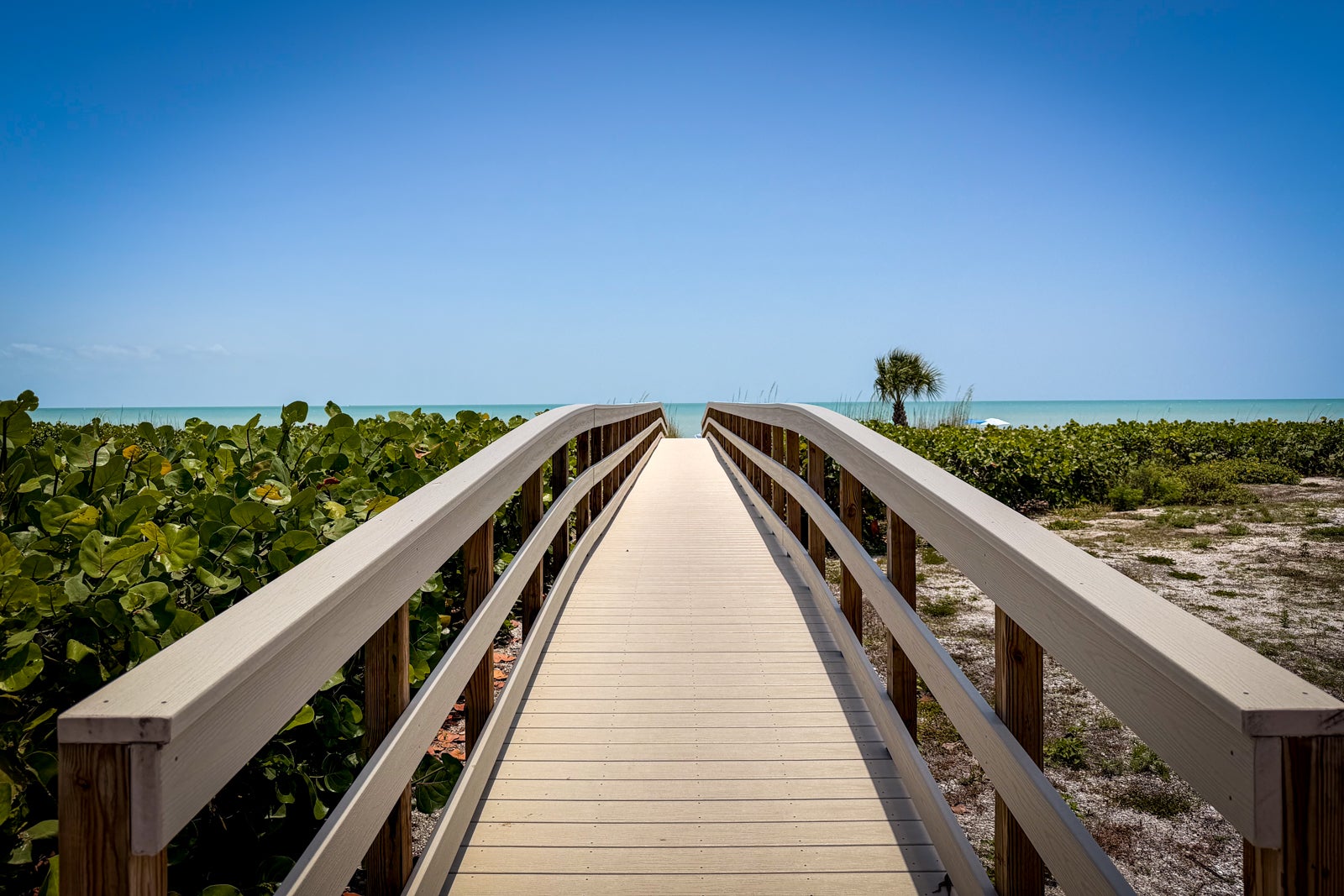
For my family, trips to Sanibel have been an annual tradition for as long as I can remember. I grew up on quiet sea shell hunts, tandem bike rides around the island and dinners at the same local restaurants we returned to year after year. But after Hurricane Ian devastated the island in 2022, our visits came to a halt.
The storm left a lasting mark on Sanibel. Businesses and hotels were heavily damaged, wildlife habitats were threatened and the Sanibel Causeway collapsed in sections, cutting off access to the island by land.
I recently returned to Sanibel for the first time since Hurricane Ian, and while rebuilding efforts are still underway, the island’s recovery has been remarkable. More than 70% of businesses, restaurants and hotels have reopened, its beaches restored and the causeway has been rebuilt. Although the Sanibel I grew up loving looks a little different today, its welcoming spirit is as strong as ever — and it’s ready for your visit.
Related: The best resorts in Florida for a relaxing vacation in the Sunshine State
How to get to Sanibel Island

Because of its location along Florida’s Gulf Coast, getting to Sanibel Island requires flying into a nearby city before driving across the Sanibel Causeway onto the island. The closest and most convenient airport is Southwest Florida International Airport (RSW), located about 25 miles east of Sanibel, or roughly a 45-minute drive away. The airport offers more than 75 nonstop routes from major U.S. cities on airlines including American Airlines, Delta Air Lines, JetBlue, Southwest Airlines and United Airlines.
Since I live in Charlotte, I opted to fly out of Concord-Padgett Regional Airport (JQF) into a smaller and more budget friendly hub: Punta Gorda Airport (PGD). Located about 50 miles north of Sanibel Island, the drive from Punta Gorda takes around 1 hour and 15 minutes. The airport is primarily served by Allegiant Air, which operates a smaller schedule of domestic routes.
Flights into Punta Gorda are more limited than those into Fort Myers, but travelers departing from cities with direct service can often find significantly cheaper fares. I paid $74.50 for my flight from Concord to Punta Gorda, though fares can start as low as $65. For me, the extra 30 minutes of driving time was well worth the savings.
Once arrived, visitors will need to rent a car or arrange transportation through a rideshare app for the drive across the Sanibel Causeway onto the island.

Reward your inbox with the TPG Daily newsletter
Join over 700,000 readers for breaking news, in-depth guides and exclusive deals from TPG’s experts
Where to stay on Sanibel Island
Unlike larger Florida beach destinations, Sanibel Island has a relatively small hotel footprint, consisting of many independently owned resorts and inns. Still, travelers looking to maximize their points and miles will find several redemption opportunities through travel rewards programs and nearby hotel chains.
A number of properties on Sanibel Island are bookable through popular travel rewards programs, such as Chase Travel, Capital One Travel and American Express Travel.
Sanibel Inn
Among the best-value options is Sanibel Inn, voted the island’s best hotel in 2025 by Sanibel/Captiva Islander Magazine. Featuring guestrooms, suites and condominiums, the property has accommodations for parties of one to eight — plus plenty of family-friendly amenities like pickleball courts, temperature controlled pools and bikes to help you get around the island. Rates start at $284 per night, or 28,446 Capital One miles.
Sundial Beach Resort & Spa
Travelers seeking a more upscale resort experience can also consider beachfront properties like Sundial Beach Resort & Spa. This is a full service resort, equipped with condo-style accommodations and a wide range of on-site activities, making it especially well-suited for family vacations. Rates average at $459 per night, or 56,642 Chase Ultimate Rewards points.
Shalimar Beach Resort
For a quieter, more intimate stay, Shalimar Beach Resort offers a boutique-style experience with classic Old Florida charm. Family-owned since 1959, the property has remained a longtime favorite among visitors looking for a more relaxed beach getaway. Rates start at $299 per night, or 33,315 Chase Ultimate Rewards points.
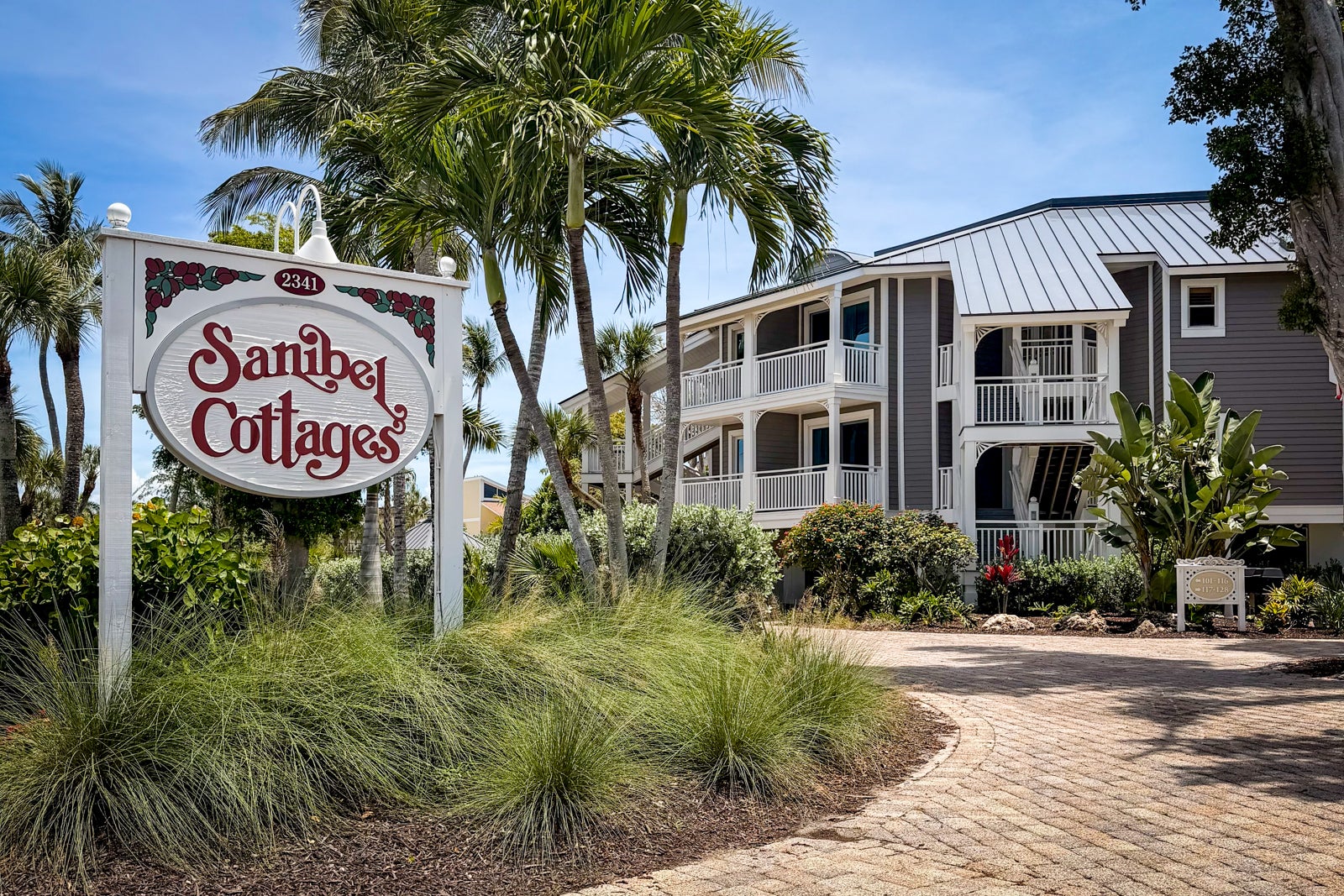
Sanibel Cottages – Hilton Grand Vacations
Cottage-style rentals are also common on Sanibel Island, where many visitors opt for condo communities and longer, more relaxed stays over traditional hotels. My family owns two fixed weeks through a timeshare program at Sanibel Cottages, a Hilton Grand Vacations property we’ve returned to year after year.
Hilton Grand Vacations operates as Hilton’s timeshare ownership program, where members pay upfront costs and annual fees in exchange for ClubPoints that can be used at HGV resorts and other travel experiences. Travelers don’t necessarily need to own through Hilton Grand Vacations to stay at some HGV properties. Depending on availability, many can also be booked using standard Hilton Honors points — and in some cases, ClubPoints can be transferred to Hilton Honors points as well.
Where to eat and drink in Sanibel, Florida
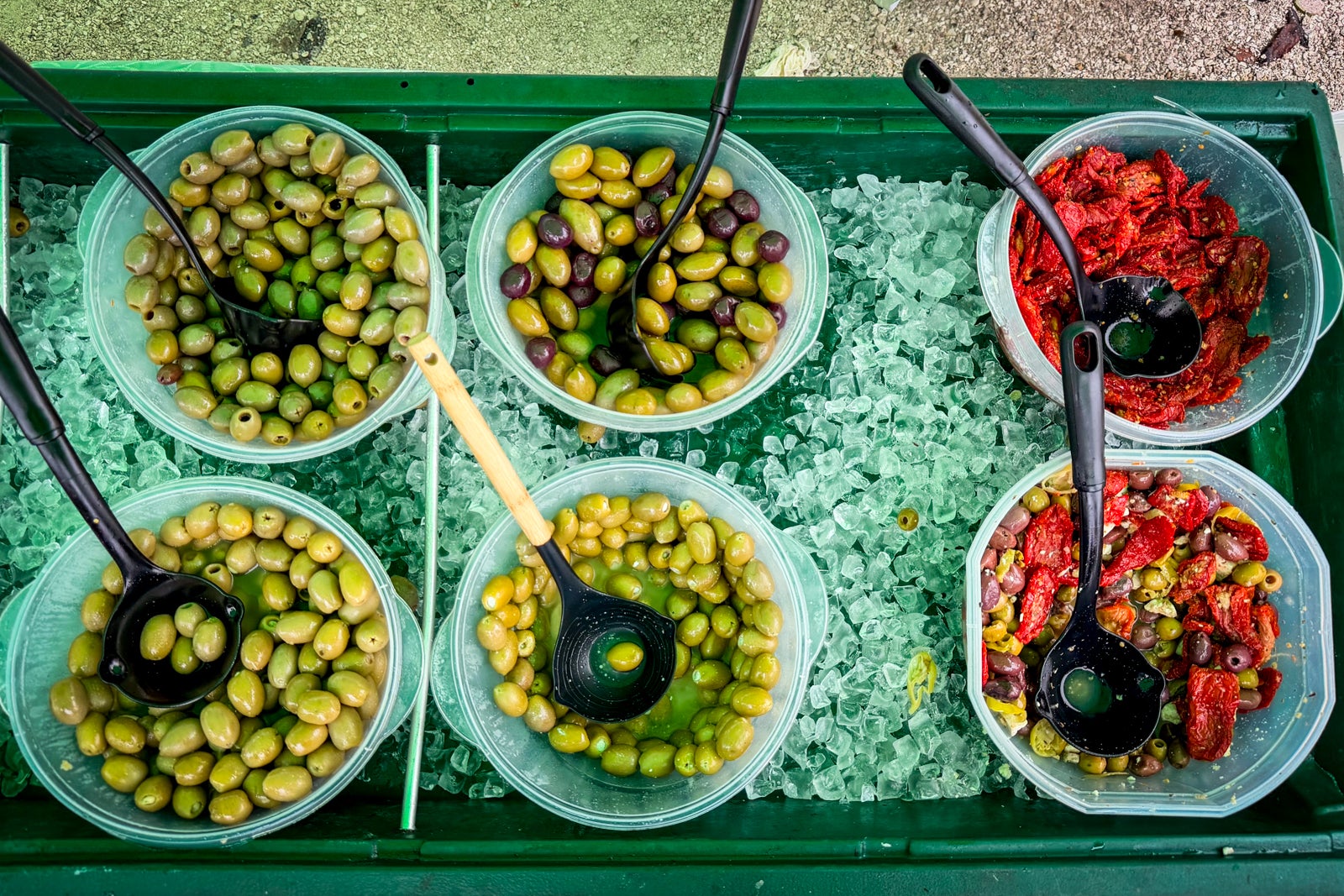
These are a few of the best spots to eat and drink on the island.
Over Easy Cafe
Mornings on Sanibel are best spent slowly, preferably with a stack of pancakes and a glass of fresh Florida orange juice in hand. There’s no better way to get your breakfast fix than stopping by Over Easy Cafe, an island favorite for a hearty breakfast.
One of the cafe’s popular menu items is the Scrambler, featuring three scrambled eggs on a toasted English muffin served with a side of your choice and whatever toppings suit your fancy. The giant homemade sticky orange roll is another standout menu item, but in my humble opinion, a stack of Over Easy Cafe’s perfectly crispy (and not overly sweet) coconut pancakes steals the show every time.
Doc Fords Rum Bar and Grille

Doc Ford’s Rum Bar and Grille works for just about any appetite when it comes to lunch and dinner. The extensive menu spans a variety of cuisines, but if there’s one thing you need to know about Doc Ford’s, it’s this: Order the Yucatan shrimp.
Renowned throughout Southwest Florida, an order of Yucatan shrimp features steamed peel-and-eat shrimp tossed in a spicy citrus butter sauce, served with plenty of crusty bread for soaking up every last bite. And before dessert, don’t skip the restaurant’s complementary key lime mints, which I personally have no shame in taking a few extra of for my journey back home.
Timbers Restaurant and Fish Market
There’s nothing better than getting dressed up for a nice dinner after a long day at the beach. Timbers Restaurant and Fish Market is a longtime Sanibel staple that combines a classic seafood restaurant with an on-site fish market, creating an upscale coastal dining experience.
The restaurant has been served fresh seafood for decades, with menu favorites ranging from oysters and crab cakes to locally caught fish dishes. The “daily fresh catch” entree, featuring whatever seafood was brought in locally that day, keeps the menu feeling fresh and seasonal.
Attached to Timbers is its sister restaurant, The Sanibel Grill, which offers a more casual, high-energy atmosphere with burgers, wings pizza and seafood favorites.
Pinnochios Original Italian Ice Cream
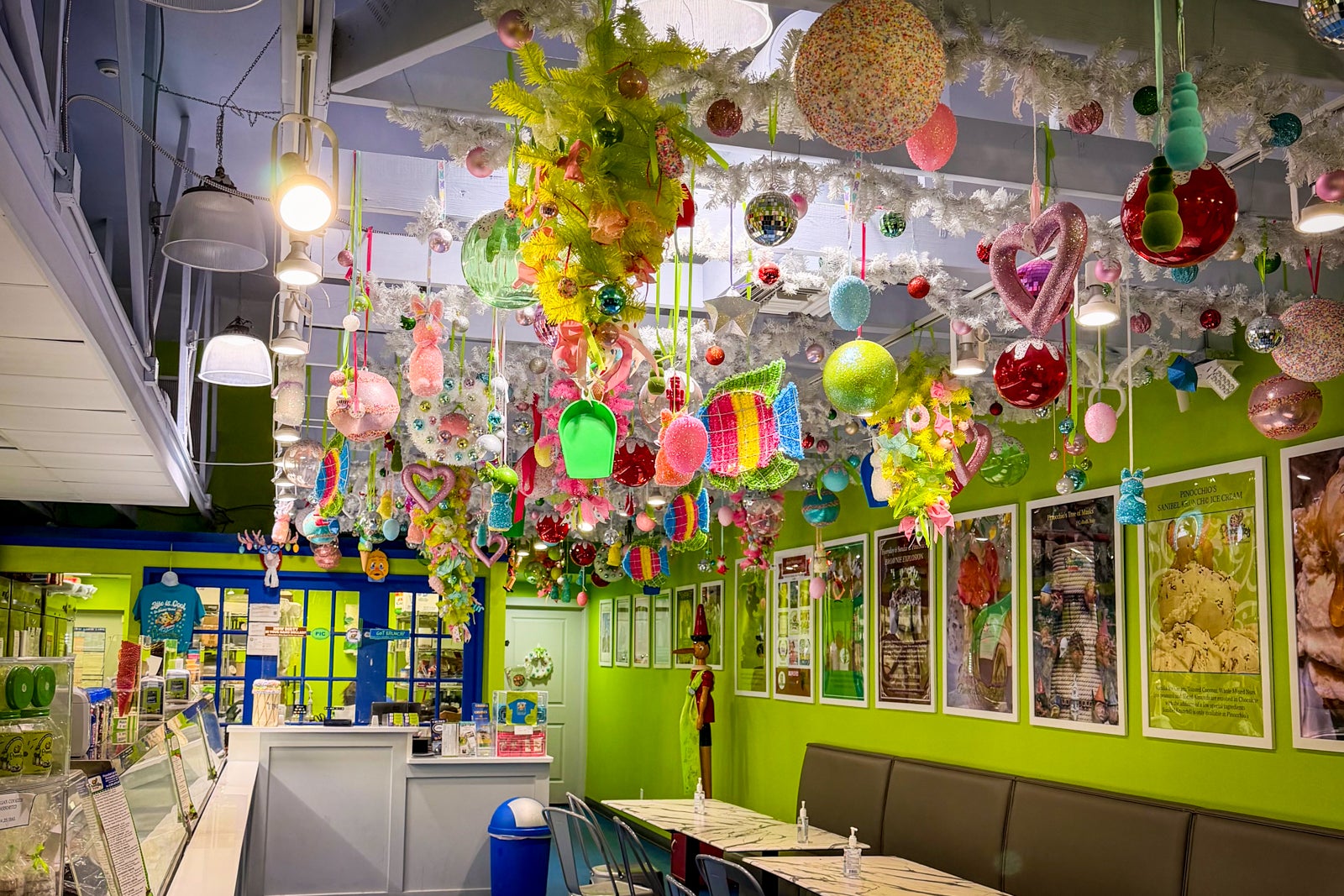
After all my years of visiting Sanibel, Pinocchio’s Original Italian Ice Cream is still the only place I go for a sweet treat on the island. Its neon green walls and kitschy ceiling decor create a fun and whimsical environment — even when the line stretches out the door — while its rotating lineup of 130 homemade ice cream and sorbet flavors provide something for every kind of sweet tooth.
Things to do in Sanibel, Florida
Consider this a local’s guide of can’t-miss activities in Sanibel.
Visit the beach for sunsets and shelling
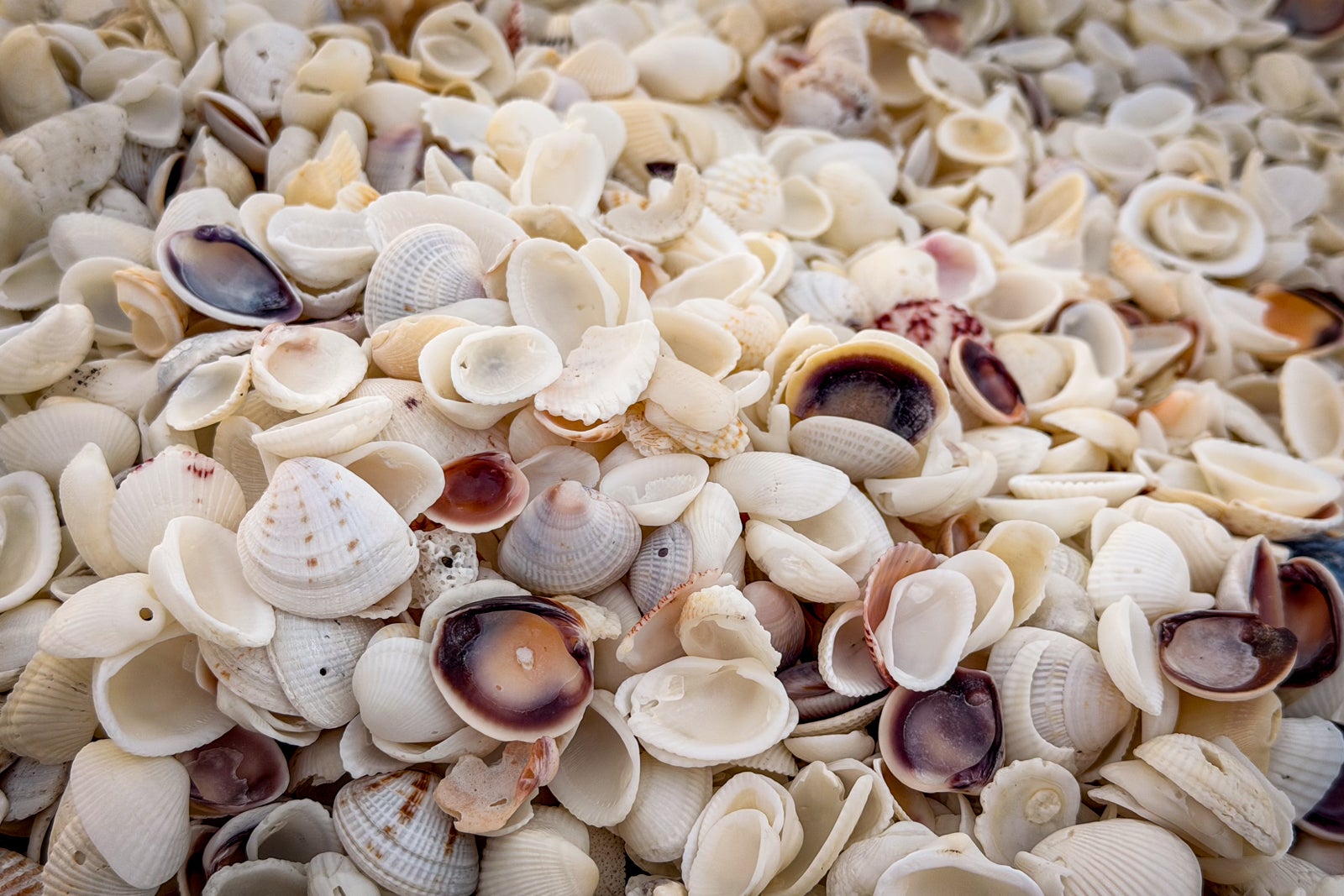
Known as the “Seashell Capital of the World,” Sanibel Island is home to over 400 different species of seashells, drawing visitors from around the world in search of rare and colorful finds. Thanks to the island’s orientation, mounds of shells wash onto the beaches daily, turning every stroll into a treasure hunt. Along the shoreline, it’s common to see beachgoers doing the famous “Sanibel stoop,” scanning the sand for conchs, kitten paws, tulips and other unique shells. The best shelling is usually during low tide or after a storm, when fresh shells are pushed onto the beaches overnight.
As the day winds down, the beaches reveal a different kind of beauty. The sky glows with shades of orange and pink as the sun sinks into the Gulf, creating an unforgettable view from the quiet shoreline. Oftentimes, you’ll be able to spot a dolphin or two in the distance. A sunset on Sanibel Island is something you won’t want to miss.
Sanibel Island Farmers Market
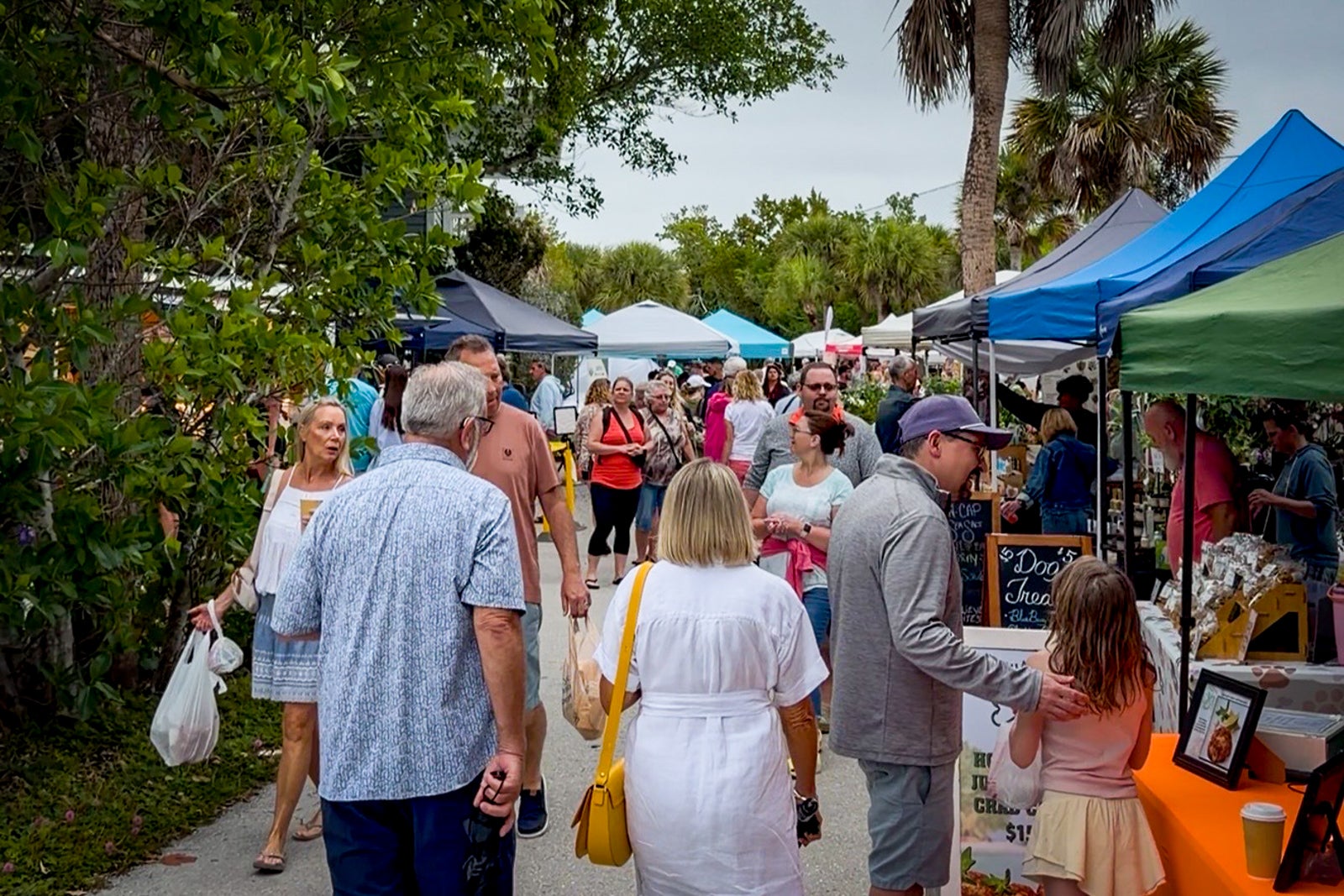
Every Sunday, the island’s local food vendors and small business owners come together to serve the community at the Sanibel Island Farmers Market. The vibrant outdoor market has something for everyone: Fresh produce, flowers, handcrafted jewelry, baked goods, custom-made apparel and food trucks.
Rent bikes for a leisurely journey around the island
A trip to Sanibel Island is inherently leisurely — quiet, slow-paced and built for relaxation — and its environment reflects this lifestyle. With nearly 70% of its land protected as wetlands, wildlife refuge and conservation land, Sanibel Island is a sanctuary for sea turtles, birds, mangroves and more.
The island’s commitment to preservation is woven into everyday life, from habitat restoration projects to eco-conscious development decisions, like the absence of street and traffic lights, which helps protect nesting sea turtles from disorientation.
My favorite way to experience the island has always been to unplug and take it all in from its scenic bike paths. Riding along the natural terrain and wildlife refuges — including J.N. “Ding” Darling National Wildlife Refuge — makes wildlife sightings part of the adventure too.
There are several bike rental shops on the island, but my family has long been loyal to Finnimore’s Bike and Beach Rentals. Bike rentals start at just $21, and visitors can save valuable vacation time by taking advantage of the company’s delivery and pick-up service. If you stop in person to pick up your wheels, it’s also worth checking out Finnimore’s kayak, paddleboard and beach equipment rentals.
One of the best spots to visit during a long island bike ride is the Sanibel Lighthouse. This iconic landmark sits at the eastern point of the island and makes the perfect stop for a day of shelling, fishing or simply soaking in peaceful Gulf views.
When Hurricane Ian struck, the lighthouse lost one of its legs but remarkably remained standing. Even as the island faced some of the storm’s worst destruction, the standing lighthouse became a symbol of hope for many islanders, and when the landmark and surrounding beach reopened in 2023, it marked a meaningful step forward in Sanibel’s recovery.
Bailey-Matthews National Shell Museum
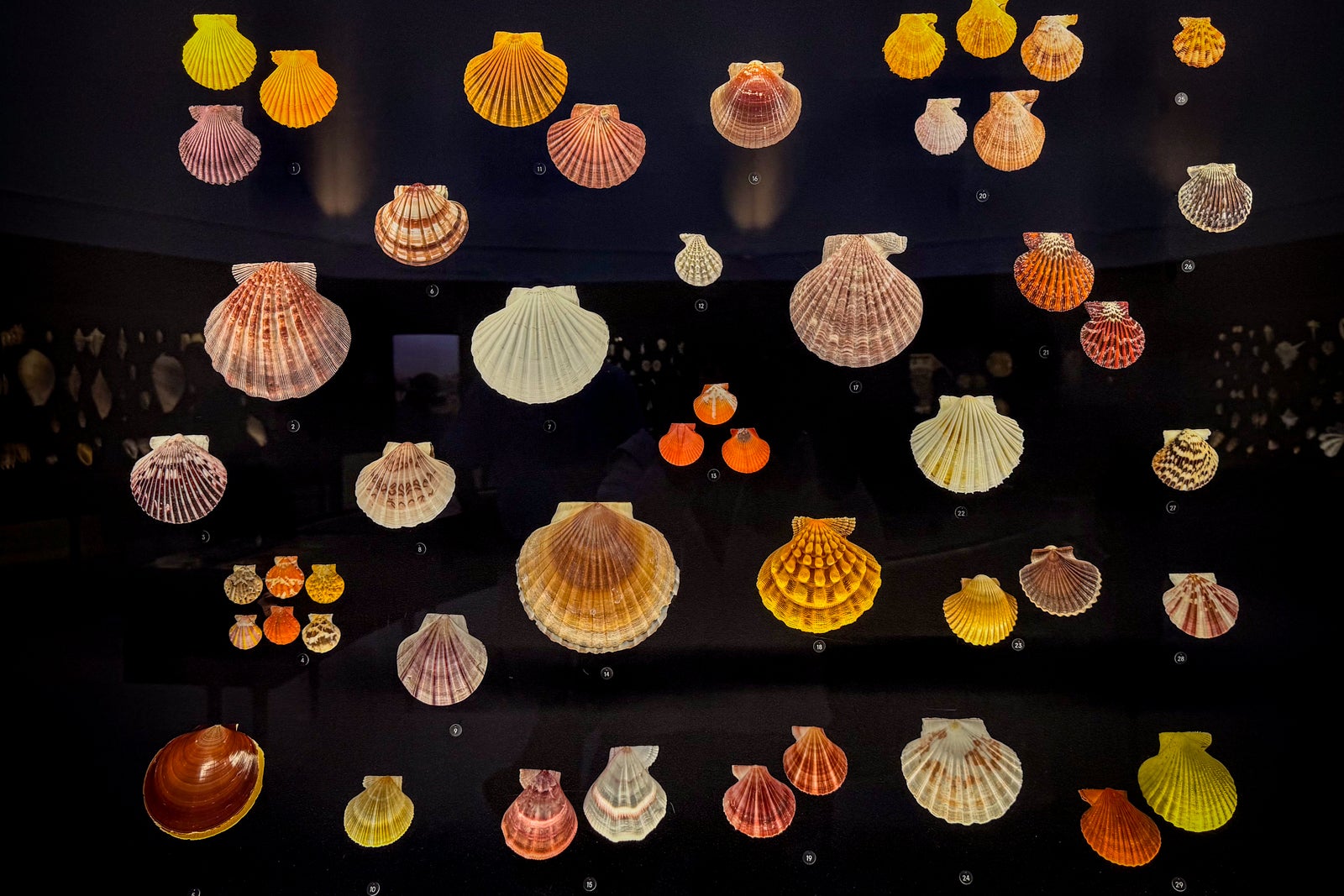
Bailey Matthews National Shell Museum’s Great Hall of Shells is an exhibit dedicated to nearly 600,000 sea shells from around the world, with the core of its inventory originating from the waters of Florida, the Gulf of Mexico and the Caribbean. After sustaining significant damage during Hurricane Ian in 2022, the exhibit underwent a full re-design and re-installation. Today, the Museum’s collection is once again on display, thoughtfully arranged in gallery cases beneath the space’s striking 30-foot ceilings.
The Museum also doubles as an aquarium with the presence of its Living Gallery of Aquariums and Marine Life exhibit. Visitors can wander between tanks and observe over 50 species of mollusks and other animals including a giant clam, cuttlefish and even a giant Pacific octopus — the largest species of octopus in the world.

Stacie Harris is a local resident and reporter of the Maple Grove area. Stacie reports on medicine and science for the Maple Grove Report.