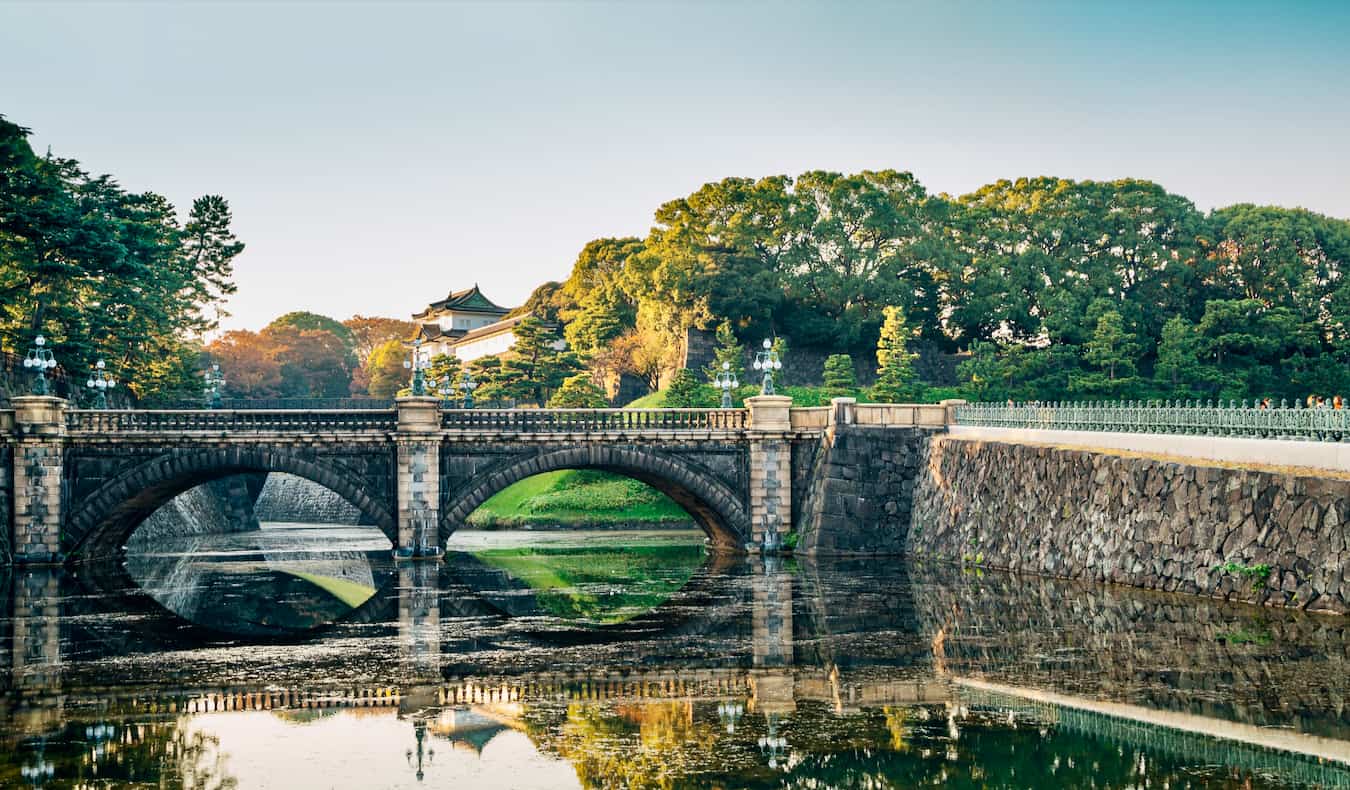

 Tokyo is one of those cities that feels endlessly deep. You can visit a dozen times and still discover new food stalls, hidden shrines, late-night bars, quirky subcultures, and neighborhoods that feel like completely different worlds. (I know because I’ve visited about 10 times already!)
One of my favorite ways to explore Tokyo is by taking an Airbnb Experience. Led by locals and long-term residents, these tours give you a front-row seat to Tokyo’s food culture, nightlife, history, and crafts in a way you rarely get when wandering on your own. I’ve done a lot of Airbnb Experiences in Tokyo over the years and think they are often even better than traditional tours you find on Get Your Guide (though Arigato Travel is next level and the best traditional tour company in the city so don’t miss out on them).
To help you pick from the endless Experiences you can find, below are my favorite in Tokyo that combine cultural immersion, hands-on learning, and just the right amount of fun:
Learn to Make Authentic Sushi with a Trained Chef
Sushi-making classes are common in Tokyo but this Airbnb Experience stands out because it’s done in an omakase restaurant. This class is given by a sushi master (or his apprentice). You don’t just learn how to shape rice or slice fish; you learn why certain cuts matter, how chefs season rice differently depending on style, and how to pair ingredients to highlight texture and flavor. The class is hands-on and surprisingly approachable. It’s a small group experience done in the morning so you can have a filling and fun breakfast experience before going out to explore Tokyo. I absolutely loved it.
Shibuya Nightlife with Unlimited Drinks
This is my favorite nightlife tour in Tokyo. The host, Suemi, and her friends provide the absolute best time. This Shibuya nightlife tour one takes you to 3-4 izakaya spots that are very untouristy and filled without locals. You get unlimited food and drinks and it’s a really great experience. My guide, Shugo, was outgoing, spoke conversational English, handled large group dynamics well, was entertaining, explained the culture of izakaya restaurants in detail, and stayed past when the Experienced ended. He was great!
Additionally, Suemi and her friends also run an unlimited Sake tasting class, which is the best Sake class I’ve done in Tokyo. They go into incredible detail about how sake is made and use a lot of visuals so it’s really easy to understand. It’s a small group of six, which made the Experience really personable. If you take a Sake experience, take this one. (They also un a whiskey tasting experience that I haven’t done this one yet but I bet it’s just as good).
Shinjuku Izakaya Tour
This experience is similar in spirit to the Shibuya nightlife tour but set in one of Tokyo’s other major nightlife hubs. Shinjuku is packed with tiny izakaya spots, many of them hidden in narrow alleyways or upstairs spaces you’d never think to enter on your own. On this tour, Yuma (a knowledgeable sake sommelier) takes you to several of these small, local spots and walks you through how izakaya culture really works.
You’ll try different styles of sake along the way and learn how to read menus, what to order, and how locals typically drink and eat in these settings. Yuma is outgoing, fun, and very good at explaining things clearly without overwhelming you. It’s social, relaxed, and a great way to experience Shinjuku nightlife without feeling lost or intimidated.
Historic Tokyo Walking Tour
This is one of the most educational experiences I’ve done in Tokyo. Instead of focusing on the usual tourist areas, this tour explores quieter neighborhoods that retain a strong connection to the city’s past. The host is a lecturer specializing in Japanese history and traditional culture, and it really shows in the depth of information shared throughout the walk.
You’ll visit places like Nezu Shrine, walk through its tunnel of red torii gates, explore the old streets of Yanaka, and learn about the Edo period, the Meiji Restoration, and how the role of the samurai changed as Japan modernized. It’s a 2.5-hour walk that never feels rushed and gives you a much clearer understanding of how Tokyo became the city it is today. I learned a lot from this tour.
Tokyo Coffee Culture Tour
Tokyo has an burgeoning coffee scene and this tour does a great job of showing it to you. You explore Jimbocho and Kanda, two very under visited neighborhoods, to learn about both old-school kissaten and modern specialty cafés. You’ll learn about brewing techniques, flavor profiles, and how Japan developed such a meticulous approach to coffee.
The tour includes visits to historic cafés, specialty shops leading Tokyo’s third-wave movement, and even wagashi shops where you’ll learn how traditional Japanese sweets pair with coffee. It’s a really thoughtful and unique afternoon experience.
Organic matcha Tea Ceremony
This one-hour experience is a great introduction to matcha and Japanese tea culture. You’ll learn about the history of matcha, its role in Japanese society, and how to tell high-quality matcha from lower-grade varieties. The host walks you through the traditional preparation process step by step. You’ll whisk and taste authentic matcha in a calm, traditional setting that feels worlds away from Tokyo’s busy streets. It’s short but memorable, and it gives you a much deeper appreciation for something you’ll see everywhere while traveling in Japan.
Tokyo Ramen Tour
Ramen is synonymous with Japanese food, and this tour helps you understand why it inspires such devotion. Over the course of about three hours, you’ll visit multiple ramen shops, each highlighting a different style or approach.
You’ll learn about ramen’s origins, modern trends, and regional variations while tasting everything from classic bowls to more experimental or fusion styles. The guide explains broth types, noodle textures, and toppings in a way that’s easy to follow. Come hungry as this tour will absolutely fill you up!
Shibuya and Harajuku Street Art Tour
This tour takes you through Shibuya and Harajuku to see murals and installations hidden in alleyways and less obvious spaces. Street art is a much quieter, more underground scene in Tokyo (they Japanese aren’t so keen on murals on their buildings) so learning about where it is allowed and how the culture thrives in such a restrictive environment is really interesting. he tour also includes visual examples of murals before and after they were created, which adds helpful context. I think it is one of the most interesting and unique Airbnb Experiences and gives you a really good look at a side of Japan most people don’t see!
There’s a lot of Airbnb Experiences in Tokyo and I know I’m probably I’m missing some really great ones (After all, I’m only one person) but these eight will give you a good start. Try to do at least one when you’re in Tokyo because most conventional organized tours are all cookie cutter experiences. These Airbnb tours are way more fun!
Book Your Trip to Tokyo: Logistical Tips and Tricks
Book Your Flight
Use Skyscanner to find a cheap flight. They are my favorite search engine because they search websites and airlines around the globe so you always know no stone is left unturned.
Book Your Accommodation
You can book your hostel with Hostelworld as they have the biggest inventory and best deals. If you want to stay somewhere other than a hostel, use Booking.com as they consistently return the cheapest rates for guesthouses and cheap hotels.
For places to stay, check out my article on my favorite hostels in Tokyo. If you want to stay in a hotel, check out this list of favorites.
And, for a neighborhood by neighborhood breakdown of Tokyo, check out this post.
Don’t Forget Travel Insurance
Travel insurance will protect you against illness, injury, theft, and cancellations. It’s comprehensive protection in case anything goes wrong. I never go on a trip without it as I’ve had to use it many times in the past. My favorite companies that offer the best service and value are:
Looking for the Best Companies to Save Money With?
Check out my resource page for the best companies to use when you travel. I list all the ones I use to save money when I’m on the road. They will save you money when you travel too.
Be sure to check out the Japan Rail Pass if you’ll be traveling around the country. It comes in 7-, 14-, and 21-day passes and can save you a ton of money!
Want More Information on Tokyo?
Be sure to visit my robust destination guide on Tokyo for even more planning tips!

Stacie Harris is a local resident and reporter of the Maple Grove area. Stacie reports on medicine and science for the Maple Grove Report.