The Best Time to Eat a Banana for a Quick Energy Boost


Medically reviewed by Jonathan Purtell, RDN

Bananas can help you accomplish several goals throughout the day.Credit: Supakit Sawaengnil / Getty Images
Bananas can help you accomplish several goals throughout the day.
Credit: Supakit Sawaengnil / Getty Images
  • Bananas provide quick energy, fiber, and key nutrients, making them a versatile snack any time of day.
  • Eating bananas in the morning or midday can boost energy, improve digestion, and help control appetite.
  • Having a banana in the evening or around workouts may support sleep, recovery, and muscle function.

Bananas are rich in fiber, potassium, antioxidants, and other essential nutrients, making them a filling and energizing snack. There is no single ideal time to eat a banana to get the nutrition it offers. There may be specific benefits to eating bananas in the morning, midday, and evening, though—meaning the best time to eat one may depend on your lifestyle and health goals.

In the Morning

Any time of day, bananas are high in necessary nutrients, including potassium and vitamin C. But having one with breakfast can support a range of health goals, including:

  • Morning energy boost: A medium banana has about 90 calories, containing 26.9 grams of carbohydrates and natural sugars. The carbs and sugars provide quick energy to get you going after fasting all night.
  • Improved digestion: A raw banana contains 3 grams of fiber. Unripe bananas have a type called resistant starch. In your intestines, these form a mucus that adds bulk to your stool, makes it easier to pass, and supports gut health.
  • Managing food cravings: The fiber and resistant starch in unripe bananas may slow down the digestion of sugars. This promotes food satiety, the feeling of fullness after eating. 
  • Antacid effects: Bananas naturally neutralize acids in the stomach that can build up overnight. Eating one can help with morning acid reflux.

Midday

Bananas also have a lot to offer as part of lunch or as an afternoon snack. You might find eating a banana in the middle of the day is best if you're looking for benefits such as:

  • Fuel to beat a midday slump: It's normal to feel fatigued in the middle of the day. A banana's carbs and natural sugars can provide a midday energy boost.  
  • Appetite management: High in fiber but low in calories, bananas increase the feeling of fullness and reduce appetite. Having one in the afternoon may help control hunger until dinner.
  • Hydration: Bananas help support hydration and restore electrolytes lost in a workout. Not only are they 75% water, but the potassium helps regulate fluid balance in the body. 

In the Evening

There are also great reasons to have a banana as an evening or night-time snack. These include:

  • Better sleep: Bananas are rich in tryptophan, an amino acid that promotes sleep. High levels of magnesium and vitamin B6 boost melatonin, a hormone that helps regulate your sleep-wake cycle.
  • Overnight hunger satisfaction: In the same way they prevent hunger during the day, bananas keep you feeling full at night. This may prevent late-night snacking or hunger that may disrupt your sleep.
  • Less anxiety: Your body converts the tryptophan in bananas into serotonin, a brain chemical that helps regulate your mood. More serotonin may help manage anxiety, which also improves sleep.

While they're generally a beneficial choice, bananas can sometimes cause bloating and spikes in blood sugar at night. Try not to eat one too close to bedtime to avoid discomfort.

Before or After a Workout

Bananas can help you get the most out of your workout. Benefits before or after exercise include:

  • Quick energy boost: Providing easy to break down sugars, bananas are a great source of energy pre- or post-workout.
  • Cramp prevention: Though the evidence is mixed, the high potassium content in bananas may help reduce muscle cramps during or after exercise.
  • Better recovery: In cyclists, bananas were effective in promoting muscle recovery and reducing soreness. It reduced inflammation, replenished glycogen (energy your muscles use during exercise), and helped in muscle repair. 


Source link

Leave a Reply

Subscribe to Our Newsletter

Get our latest articles delivered straight to your inbox. No spam, we promise.

Recent Reviews


Lost a crucial document because your system crashed before you could save it? Worry no more! Microsoft Word has introduced an automatic save option that regularly backs up your work, so you’ll never lose your progress again.

Users will now be able to manage their Word documents without thinking about saving them manually. The new Microsoft Word update allows users to automatically save their documents to the cloud as soon as they start documenting any content piece.

Raul Munoz, the Senior Product Manager at Microsoft, has stated about the new feature, “We are modernizing the way files are created and stored in Word for Windows! Now you don’t have to worry about saving your documents: Anything new you create will be saved automatically to OneDrive or your preferred cloud destination.

Microsoft additionally hints at introducing similar features for Windows Excel and PowerPoint, which are now live.

How Does the Auto-save Feature Work?

The auto-save option can be accessed and used effectively with the compatible Word for Windows version. Let’s understand how the process works-

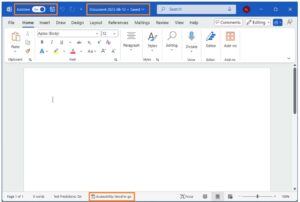
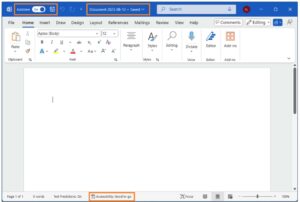
Primarily, users need to create a fresh document in Word and switch the AutoSave option on. Unlike the previous default document name- DocumentN, the autosave feature saves the files with the date.

Microsoft Word Update - Step 1

Source: Microsoft Tech Community

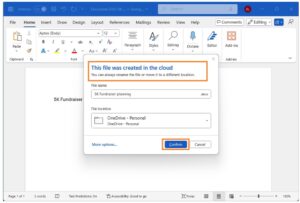
To change the name of the file and its location, users need to select Save or press Ctrl+S. After selecting the file name and location, press Confirm to save the changes.

Microsoft Word Update - Step 2

Source: Microsoft Tech Community

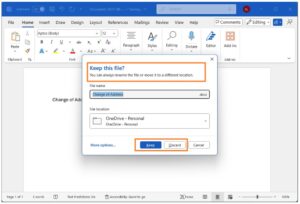
In case users try to close the file before it gets saved, a dialog displays on the screen asking whether they intend to Discard or Keep the file. If users try to close empty files, Word discards them without asking for confirmation.

Microsoft Word Update - Step 3

Source: Microsoft Tech Community

Availability of the Auto-Save Feature of Microsoft Word Update-

The AutoSave feature of Microsoft Word update is available to users with Version 2509 (Build 19221.20000) or newer. This advancement is set to enhance accessibility and address the challenge of lost files. Similar features have been introduced on Windows Excel and PowerPoint as well.

Advantages of the Latest Microsoft Word Update

Microsoft Word’s new auto-save feature will unlock several benefits for users. Alongside increased security, it offers flexible file management capabilities. Let us discuss other significant advantages-

Flexibility in File Storage and Control: Users can store and manage their files more flexibly than ever. As users are in charge of the documents, they can adjust file names and locations to save, organizing the files according to convenience.

Never Lose Your Files: The auto-save feature in Microsoft Word addresses the challenge of losing files due to not saving them manually. As soon as you start making progress in a file, it automatically gets saved.

Enhanced Security and Compliance: Files saved in your organization’s cloud servers already adhere to the set security guidelines and practices. Hence, users do not need to think about protecting the files separately.

Increased Accessibility: The auto-save feature enables enhanced accessibility of Word files. It can be accessed from diverse types of devices and platforms once shared, including Android, iOS, and web browsers. Changes made to the file will get synced on all devices and platforms.

Better Collaboration: The AutoSave feature has made collaboration within and across teams easier. Users can easily share the cloud file and initiate collaboration by making changes, adding comments, and resolving comments in real time.

Agentic AI Support: The Word files are now equipped with Copilot agentic AI support. Users can unlock AI-powered capabilities whenever they need to improve or update their documents. Nevertheless, to use Copilot in Word, a Microsoft 365 Copilot license is needed.

Additional Tips: 

  • Users will be able to easily change the location for new documents. Right-click on any cloud folder in the File section of Word, then select Set as Default Location to choose the location.
  • Users can manage how their files are created, whether in the traditional manner or automatically in the cloud, in the Save tab of Word Options, and opt in or opt out for Create new files in the cloud automatically.

Key Elements to Keep in Mind-

  • When a new Word session is started while another is running, the new file does not autosave. Hence, users need to close the previous file to enable the auto-save option for new files.
  • Users may sometimes encounter a delay in refreshing the recent files list while changing the name of a document.
  • If users disable the option for Show the Start screen when this application starts, remember that the first file they create will not autosave automatically.

Concluding Remarks!

Microsoft has been making significant advancements in its 365 Office platforms for better collaboration and enhanced productivity of diverse teams within an organization. With the integration of Copilot and flexible features, the firm is aiming to boost user experience and accessibility of the tools, including Word for Windows.

Learn about the major technological shifts and practices with KnowledgeNile!


FAQs:

1. What is the AutoSave feature in Microsoft Word?

Answer: The AutoSave feature in Microsoft Word lets users save their files automatically.

2. What is the purpose of AutoSave?

Answer: The AutoSave feature aims to reduce the challenges of data loss in unwanted circumstances, such as power shortages and device failures.

3. Where are AutoSave Word documents stored?

Answer: Automatically saved Word files are stored in cloud storage, like OneDrive.


Recommended For You:

Oracle identity cloud vs Microsoft Active Directory: Which to opt for and why?


Source link