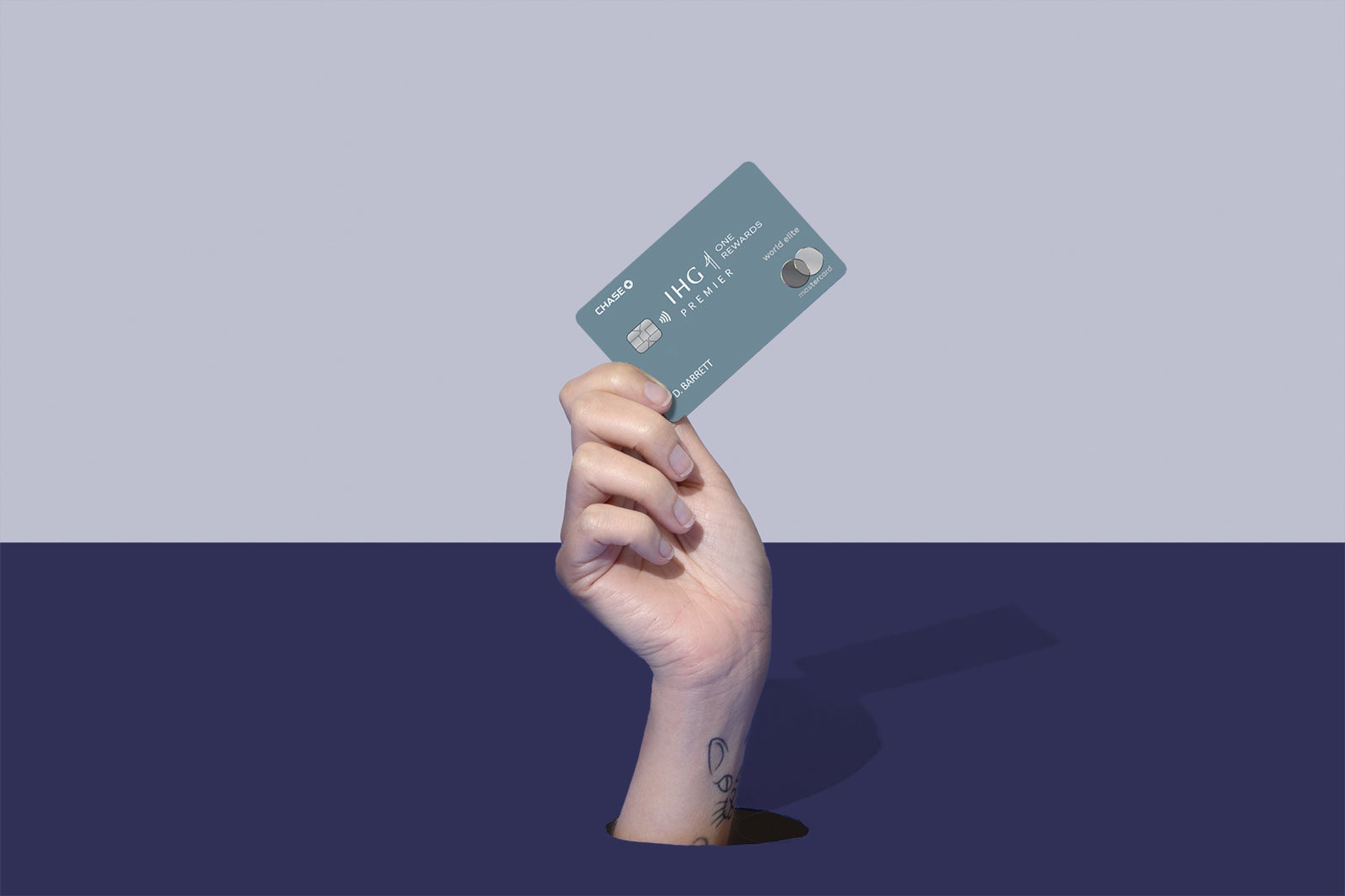

Knowing when to apply for a card can be difficult, especially considering that earning a sizable welcome bonus may be the primary factor.
Offers change frequently, and whether you’re after a large sum of points or free night certificates, knowing the history of offers for credit cards can be useful to understand the difference between amazing and not-so-good bonuses.
If you find yourself frequenting IHG properties often, such as those part of the InterContinental and Kimpton brands, then a cobranded IHG credit card can provide useful perks during your stay. These include elite status, an anniversary free night and bonus points when paying for your accommodations.
Here’s a list of the credit card welcome bonuses for Chase’s cobranded IHG cards, including their offer histories and when you should apply for a card based on its best-ever welcome bonus.
Related: Current offers on the IHG One Rewards cards
Best IHG credit card welcome bonuses
| Card | Best welcome offer we’ve seen | When to apply |
|---|---|---|
|
Earn five free nights (each valued at up to 60,000 points) after spending $4,000 on purchases in the first three months from account opening. |
When the offer is more than 140,000 points, whether that’s extra points or a free night award added on |
|
|
Earn two free nights (up to 50,000 points each) plus 40,000 bonus points after spending $2,000 on purchases in the first three months from account opening. |
When the offer is above 80,000 points |
|
|
Earn 140,000 bonus points after spending $4,000 on purchases in the first three months from account opening and an additional 60,000 bonus points after spending a total of $9,000 in the first six months. |
When the offer is more than 140,000 points |
IHG One Rewards Premier Credit Card
The IHG One Rewards Premier Credit Card offers perks like a free night award on your account anniversary (up to 40,000 points), up to $50 in United TravelBank cash each year, a TSA PreCheck/Global Entry statement credit and automatic Platinum Elite status. Best of all, the card comes with a low $99 annual fee.
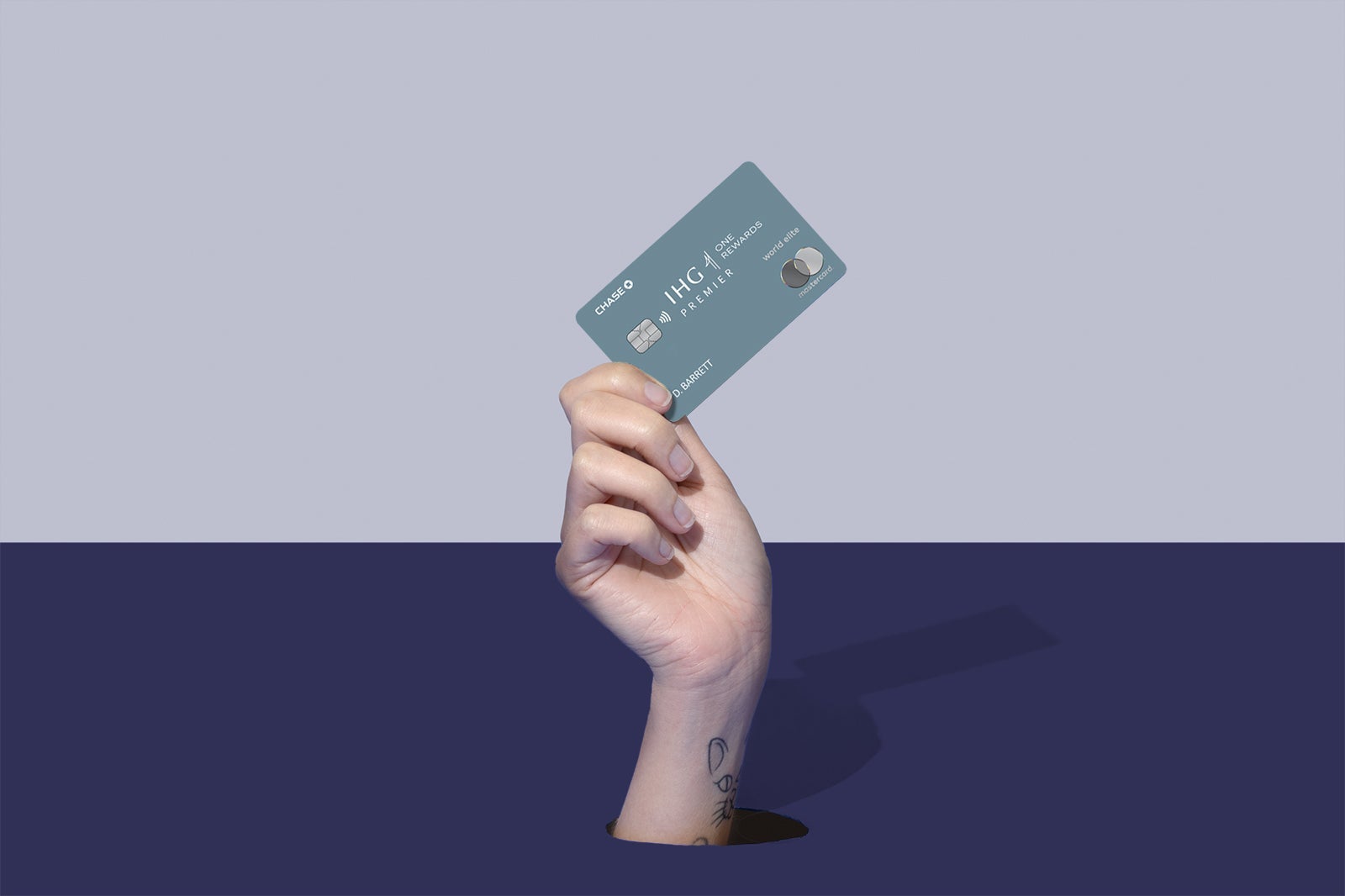
Here are the offers we’ve seen on the IHG One Premier card over the past few years:
| Approximate date | Offer | Value* |
|---|---|---|
|
Earn 140,000 bonus points after spending $3,000 on purchases in the first three months from account opening. |
$840 |
|
|
Earn 175,000 bonus points after spending $5,000 on purchases in the first three months from account opening. |
$1,050 |
|
|
October 2025 to January 2026
|
Earn 140,000 bonus points after spending $3,000 on purchases in the first three months from account opening. |
$840 |
|
September to October 2025
|
Earn 165,000 bonus points after spending $4,000 on purchases in the first three months from account opening. |
$990 |
|
Earn 140,000 bonus points after spending $3,000 in the first three months from account opening. |
$840 |
|
|
Earn five free nights (each valued at up to 60,000 points) after spending $5,000 on purchases in the first three months from account opening. |
Up to $1,800 |
|
|
Earn 140,000 bonus points after spending $3,000 on purchases in the first three months from account opening. |
$840 |
|
|
Earn 170,000 bonus points after spending $4,000 on purchases in the first three months from account opening. |
$1,020 |
|
|
September 2024 to January 2025
|
Earn 140,000 bonus points after spending $3,000 on purchases in the first three months from account opening. |
$840 |
|
Earn five free nights (each valued at up to 60,000 points) after spending $4,000 on purchases in the first three months from account opening. |
Up to $1,800 |
|
|
Earn 140,000 bonus points after spending $3,000 on purchases in the first three months from account opening. |
$840 |
|
|
Earn 165,000 bonus points after spending $3,000 on purchases in the first three months from account opening. |
$990 |
|
|
September 2023 to February 2024
|
Earn 140,000 bonus points after spending $3,000 on purchases in the first three months from account opening. |
$840 |
|
Earn 140,000 bonus points after spending $3,000 on purchases in the first three months from account opening. Plus, earn up to $100 in statement credits on purchases at IHG properties during the first 12 months from account opening. |
Up to $940 (including statement credit) |
|
|
Earn 140,000 bonus points after spending $3,000 on purchases in the first three months from account opening. |
$840 |
|
|
Earn 175,000 bonus points after spending $3,000 on purchases in the first three months from account opening. |
$1,050 |
*Bonus offer value is based on TPG’s April 2026 valuations and not provided by the credit card issuer.
Highest welcome offer
With this card’s highest-ever welcome offer, new cardholders could earn five free nights (each valued at up to 60,000 points) after spending $5,000 on purchases in the first three months of account opening.

Reward your inbox with the TPG Daily newsletter
Join over 700,000 readers for breaking news, in-depth guides and exclusive deals from TPG’s experts
When to apply
When the offer is for more than 140,000 points — whether that’s extra points or a free night award added on — it’s a good time to apply.
Learn more: IHG One Rewards Premier Credit Card
IHG One Rewards Traveler Credit Card
The IHG One Rewards Traveler Credit Card has no annual fee but offers perks like IHG Silver elite status and a fourth night free on award stays. Cardholders can also earn higher elite status through credit card spending in a calendar year.
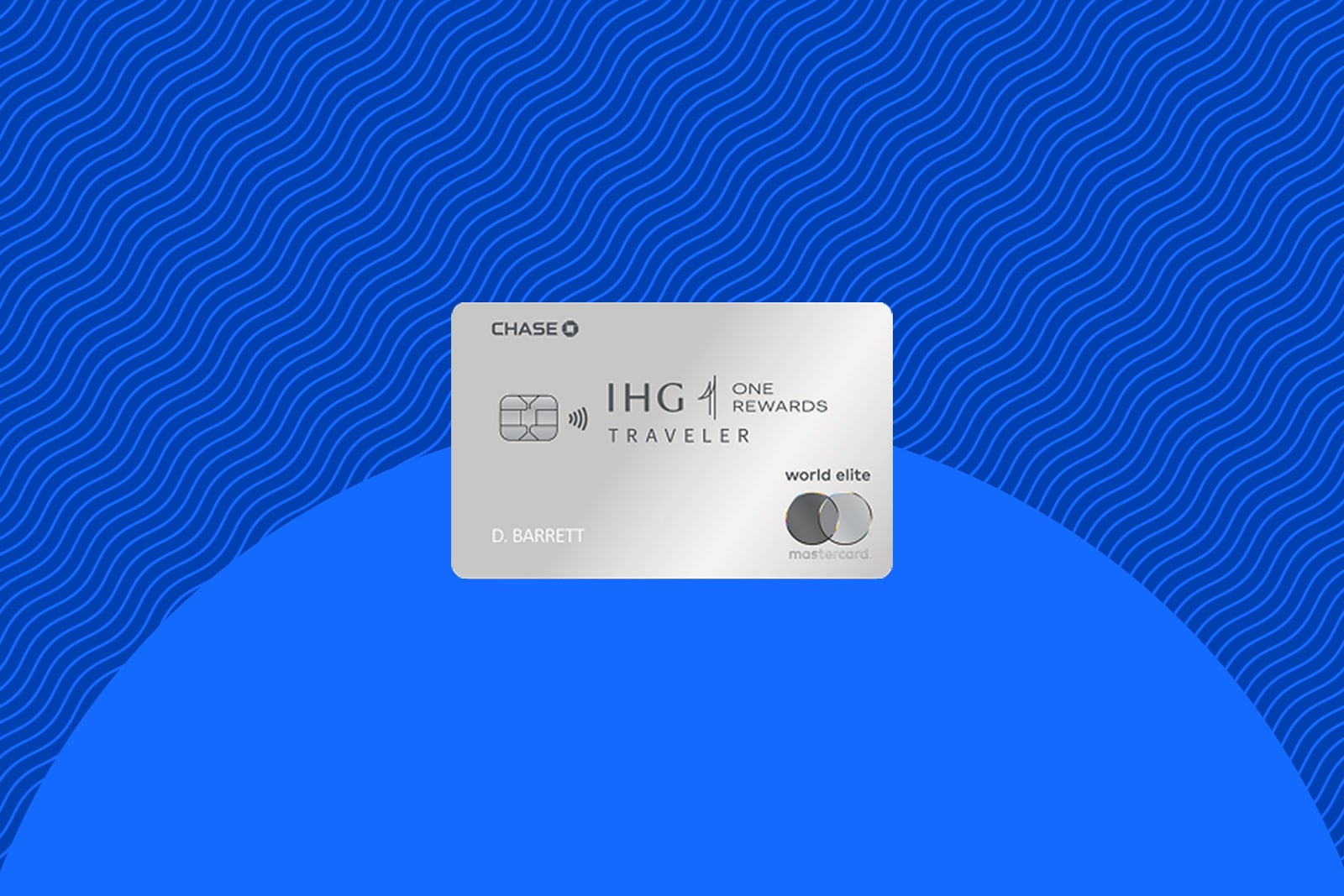
Here are the offers on the IHG One Rewards Traveler card from the past few years:
| Approximate date | Offer | Value* |
|---|---|---|
|
Earn 80,000 bonus points after spending $2,000 on purchases in the first three months from account opening. |
$480 |
|
|
Earn up to 120,000 bonus points: 90,000 bonus points after spending $2,000 on purchases in the first three months from account opening, plus up to an additional 30,000 bonus points (by earning 3 additional points per dollar on purchases that earn 2 and 3 points per dollar on up to $10,000 spent in the first six months). |
Up to $720 |
|
|
October 2025 to January 2026
|
Earn 80,000 bonus points after spending $2,000 on purchases in the first three months of account opening. |
$480 |
|
September to October 2025
|
Earn two free nights (up to 50,000 points each) plus 40,000 bonus points after spending $2,000 on purchases in the first three months of account opening. |
Up to $840 |
|
Earn 80,000 bonus points after spending $2,000 on purchases in the first three months of account opening. |
$480 |
|
|
Earn 120,000 bonus points after spending $2,000 on purchases in the first three months from account opening. |
$720 |
|
|
Earn 80,000 bonus points after spending $2,000 on purchases in the first three months from account opening. |
$480 |
|
|
Earn 100,000 bonus points after spending $2,000 on purchases in the first three months from account opening. |
$600 |
|
|
November 2024 to January 2025
|
Earn 80,000 bonus points after spending $2,000 on purchases in the first three months from account opening. |
$480 |
|
Earn 100,000 bonus points after spending $2,000 on purchases in the first three months from account opening. |
$600 |
|
|
September to October 2024
|
Earn 80,000 bonus points after spending $2,000 on purchases in the first three months from account opening. |
$480 |
|
Earn 100,000 bonus points after spending $2,000 on purchases in the first three months from account opening. |
$600 |
|
|
Earn 80,000 bonus points after spending $2,000 on purchases in the first three months from account opening. |
$480 |
|
|
Earn 100,000 bonus points after spending $2,000 on purchases in the first three months from account opening. |
$600 |
|
|
September 2023 to February 2024
|
Earn 80,000 bonus points after spending $2,000 on purchases in the first three months from account opening. |
$480 |
|
Earn 80,000 bonus points after spending $2,000 on purchases in the first three months from account opening. Plus, earn up to $50 in statement credits on purchases at IHG properties during the first 12 months from account opening. |
$530 (including statement credit) |
|
|
Earn 80,000 bonus points after spending $2,000 on purchases in the first three months from account opening. |
$480 |
|
|
Earn 120,000 bonus points after spending $2,000 on purchases in the first three months from account opening. |
$720 |
*Bonus offer value is based on our valuations and not provided by the credit card issuer.
Highest welcome offer
With this card’s highest-ever welcome offer, new cardholders could earn two free nights (valued at up to 50,000 points each) plus 40,000 bonus points after spending $2,000 on purchases in the first three months from account opening.
When to apply
Whenever the offer is for more than 80,000 points, it’s time to apply.
Learn more: IHG One Rewards Traveler Credit Card
IHG One Rewards Premier Business Credit Card
The IHG One Rewards Premier Business Credit Card fits businesses loyal to IHG. The card offers Platinum Elite status, a free night award on your card anniversary (up to 40,000 points) and the ability to earn another free night award (up to 40,000 points) after meeting a spending requirement each calendar year.
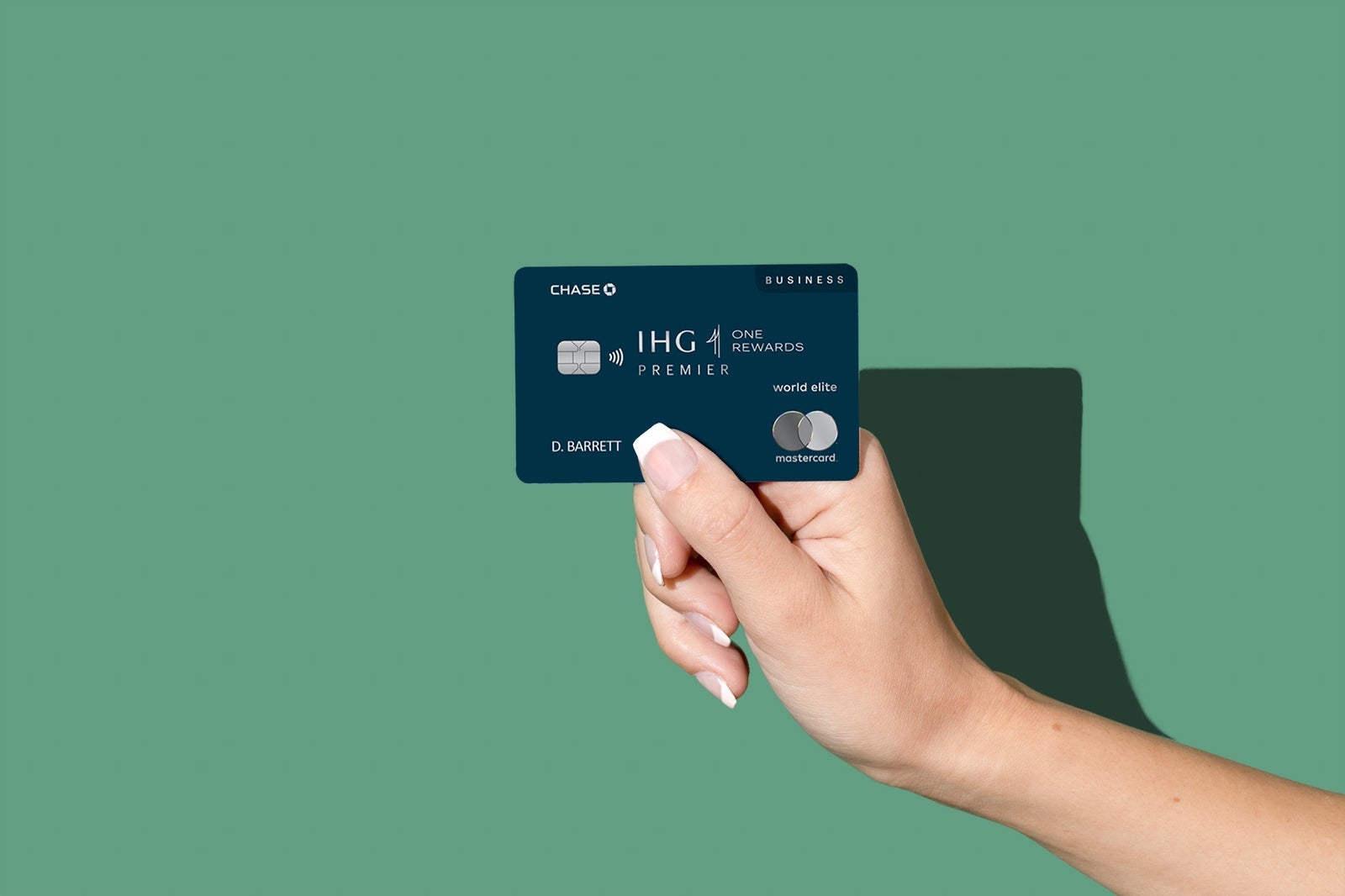
Here are the offers on the IHG One Rewards Premier Business card from the past:
| Approximate date | Offer | Value* |
|---|---|---|
|
Earn up to 200,000 bonus points: 140,000 bonus points after spending $4,000 on purchases in the first three months from account opening and an additional 60,000 bonus points after spending a total of $9,000 on purchases in the first six months. Offer ends April 29. |
Up to $1,200 |
|
|
October 2025 to March 2026
|
Earn 140,000 bonus points after spending $4,000 on purchases in the first three months from account opening. |
$840 |
|
September to October 2025
|
Earn up to 200,000 bonus points: 140,000 bonus points after spending $4,000 on purchases in the first three months from account opening and an additional 60,000 bonus points after spending a total of $9,000 on purchases in the first six months. |
Up to $1,200 |
|
Earn 140,000 bonus points after spending $4,000 on purchases in the first three months from account opening. |
$840 |
|
|
Earn up to 200,000 bonus points: 140,000 bonus points after spending $4,000 on purchases in the first three months from account opening and an additional 60,000 bonus points after spending a total of $9,000 on purchases in the first six months. |
Up to $1,200 |
|
|
Earn 140,000 bonus points after spending $4,000 on purchases in the first three months from account opening. |
$840 |
|
|
Earn up to 175,000 bonus points: 140,000 bonus points after spending $4,000 on purchases in the first three months from account opening and an additional 35,000 bonus points after spending a total of $7,000 on purchases in the first six months. |
$1,050 |
|
|
Earn 140,000 bonus points after spending $3,000 on purchases in the first three months from account opening. |
$840 |
|
|
Earn 165,000 bonus points after spending $3,000 on purchases in the first three months from account opening. |
$990 |
|
|
Earn 140,000 bonus points after spending $3,000 on purchases in the first three months from account opening. |
$840 |
*Bonus offer value is based on our valuations and not provided by the credit card issuer.
Highest welcome offer
The highest welcome offer is currently being offered and allows new cardholders to earn up to 200,000 bonus points: 140,000 bonus points after spending $4,000 in the first three months from account opening, plus an additional 60,000 bonus points after spending a total of $9,000 on purchases in the first six months.
When to apply
Applying for the card is worthwhile when the offer is for more than 140,000 points.
Learn more: IHG One Rewards Premier Business Credit Card
Bottom line
Keep this guide handy if you ever want to apply for a cobranded Chase IHG credit card. That way, you can see the trends and know when it’s the right time to apply.
Submitting your application at the right time can mean the difference between a short stay and a spectacular stay at one of the more luxurious IHG portfolio properties.
Keep in mind Chase’s infamous 5/24 rule to ensure your chances of approval aren’t affected.
To learn more about credit card bonus offers over time, see the following:

Stacie Harris is a local resident and reporter of the Maple Grove area. Stacie reports on medicine and science for the Maple Grove Report.