
One of the easiest ways to earn more Chase Ultimate Rewards points is by pairing three complementary Chase cards — a strategy commonly known as the Chase Trifecta.
By using different cards for different spending categories and combining your rewards into a single Ultimate Rewards balance, you can earn more points on everyday purchases and redeem them for high-value travel.
The strategy is even more compelling right now thanks to elevated welcome offers on several Chase cards, including the Chase Sapphire Preferred® Card (see rates and fees), Chase Sapphire Reserve for Business℠ (see rates and fees) and select Ink Business cards.
While there are several ways to build a Chase Trifecta, the right combination depends on your travel and spending habits and whether you’re eligible for a business credit card.
Limited-time offer on the Chase Sapphire Preferred: Earn 100,000 bonus points after spending $5,000 on purchases in the first three months from account opening.
Here’s how the strategy works — and how to choose the best three-card setup for you.
What is the Chase Trifecta?
The Chase Trifecta is a combination of three of Chase’s rewards-earning credit cards that help you maximize your earnings through spending.
Despite some of these cards earning cash back, you can convert cash back to points because all of these trifecta options include an Ultimate Rewards points-earning card.
To maximize the value of your rewards, we recommend converting all your rewards to Ultimate Rewards points, as TPG’s July 2026 valuations peg them at 2.05 cents apiece.

Reward your inbox with the TPG Daily newsletter
Join over 700,000 readers for breaking news, in-depth guides and exclusive deals from TPG’s experts
What cards are in the Chase Trifecta?
The Chase Trifecta generally consists of three cards:
Note that you can also pair a Sapphire card with two Freedom cards if you don’t qualify for or want a business card.
Sapphire Reserve
Annual fee: $795
Welcome offer: Earn 100,000 bonus points after spending $6,000 on purchases in the first three months from account opening.
This welcome offer is worth $2,050 based on TPG’s valuations.
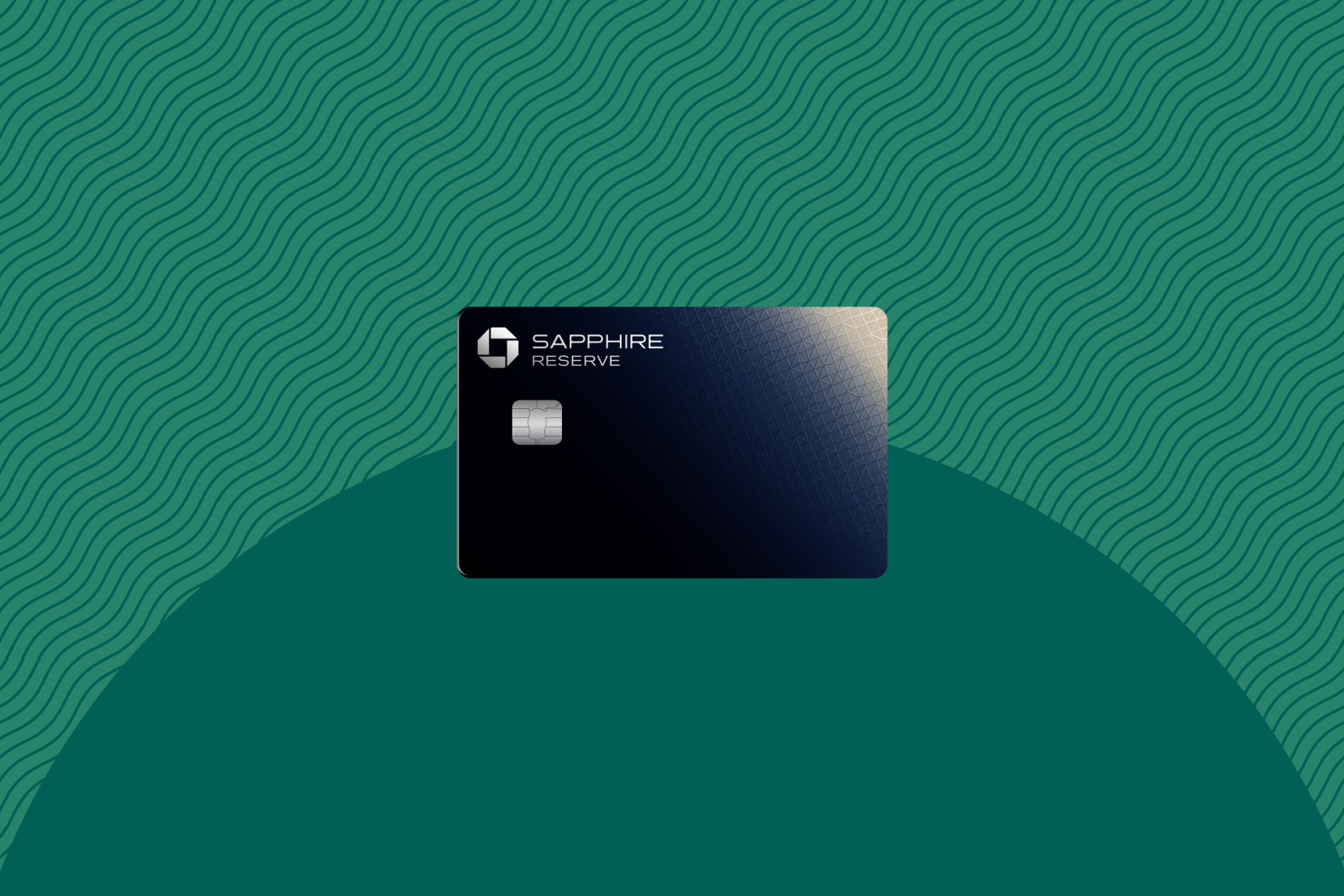
This card earns 4 points per dollar spent on flights and hotels booked directly, plus 3 points per dollar spent on dining (including takeout and delivery).
Its hefty $795 annual fee is offset by its $300 annual travel credit and up to $500 in annual The Edit hotel credits (up to $250 per transaction; when booking a two-night minimum stay). Other credits and perks, like a Priority Pass Select membership and access to Chase’s growing network of Sapphire lounges, more than make up for the steep annual fee.
You can transfer your points to one of Chase’s 14 partners to maximize their value. The Sapphire Reserve’s flexibility and earning power make it an excellent travel companion and everyday earner.
To learn more, check out our full review of the Chase Sapphire Reserve.
Apply here: Chase Sapphire Reserve
Sapphire Preferred
Annual fee: $95
Welcome offer: Earn 100,000 points after spending $5,000 on purchases in the first three months from account opening.
This offer is worth $2,050 based on TPG’s valuations.
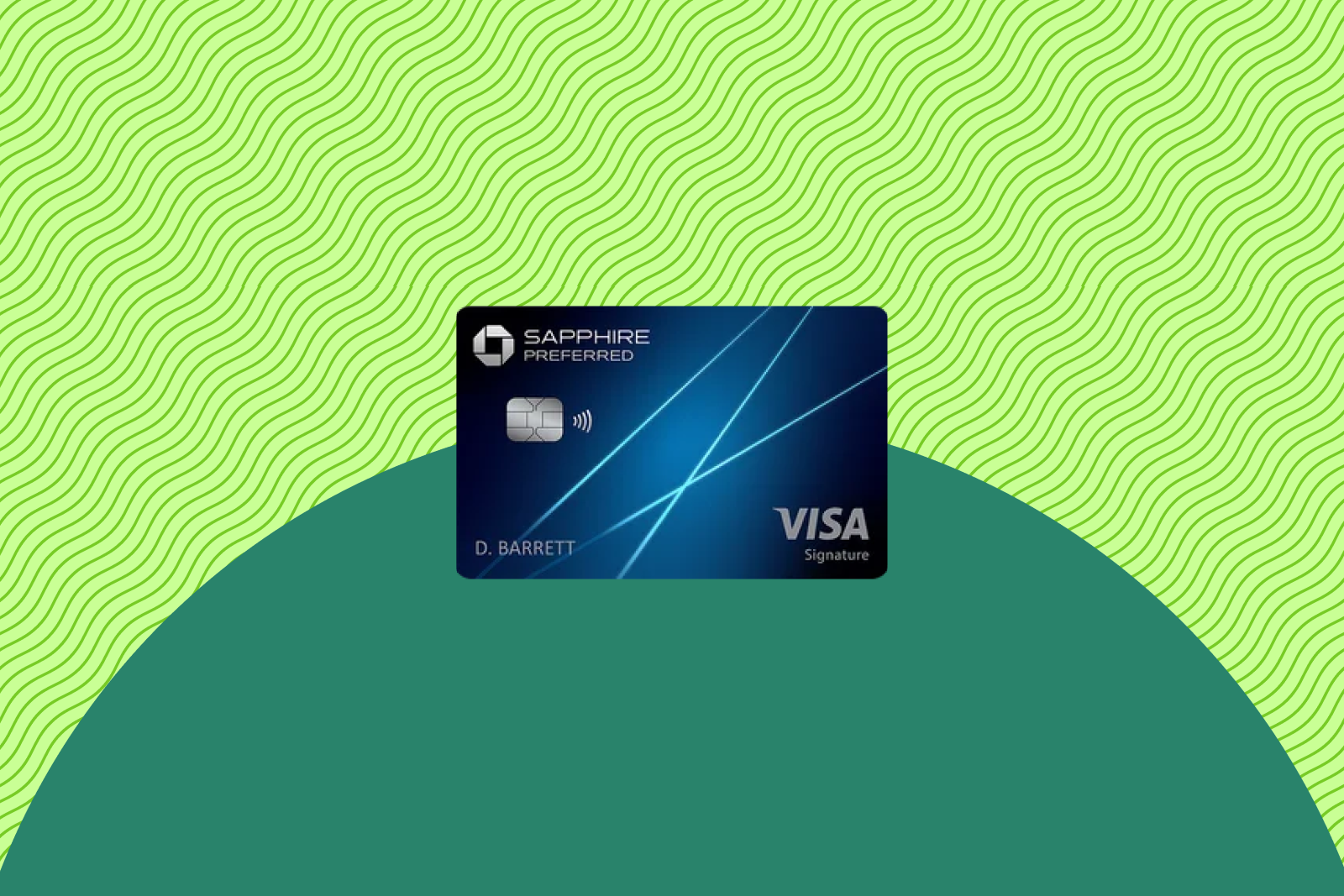
If you want a Chase product with a significantly lower annual fee, opt for the Sapphire Preferred. It’s one of the best starter travel rewards cards, with multiple bonus-earning categories.
You’ll receive most of the travel protections and insurances offered by the Sapphire Reserve, like primary rental car insurance and trip cancellation insurance (an often underrated but useful benefit), but at lower coverage levels.
To learn more, check out our full review of the Chase Sapphire Preferred.
Apply here: Chase Sapphire Preferred Card
Sapphire Reserve for Business
Annual fee: $795
Welcome offer: Earn 200,000 bonus points after spending $30,000 on purchases within the first six months from account opening.
This offer is worth $4,100 based on TPG’s valuations.
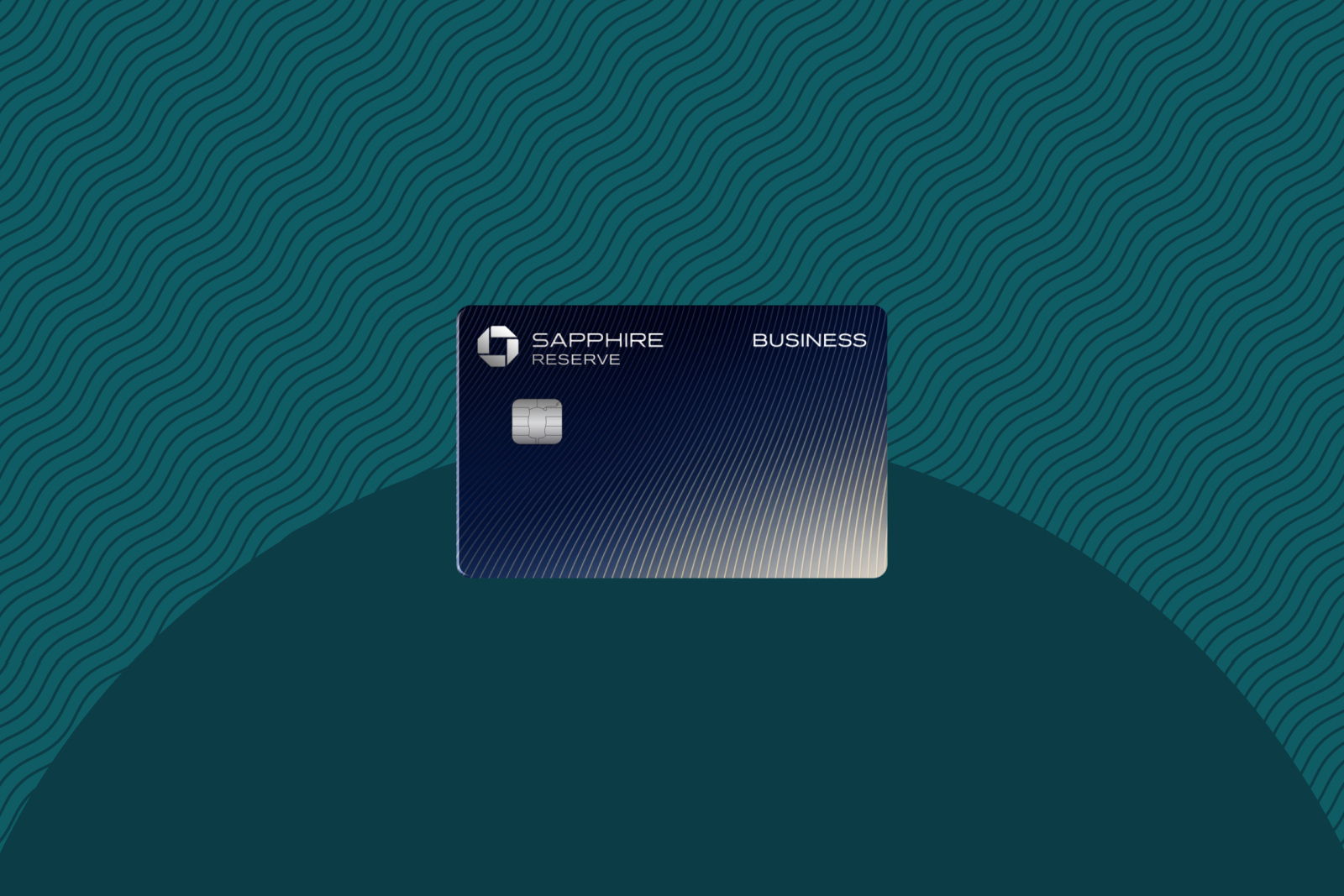
This is the issuer’s first premium business card. Like its personal counterpart, the Sapphire Reserve, it carries a $795 annual fee.
However, that fee can be offset by its laundry list of perks, including numerous statement credits.
You’ll also receive lounge access via Sapphire and Priority Pass lounges, as well as a suite of purchase and travel protections.
To learn more, check out our full review of the Chase Sapphire Reserve for Business.
Apply here: Chase Sapphire Reserve for Business
Freedom Unlimited
Annual fee: None
Welcome offer: Earn $200 bonus cash back after spending $500 on purchases within the first three months from account opening.
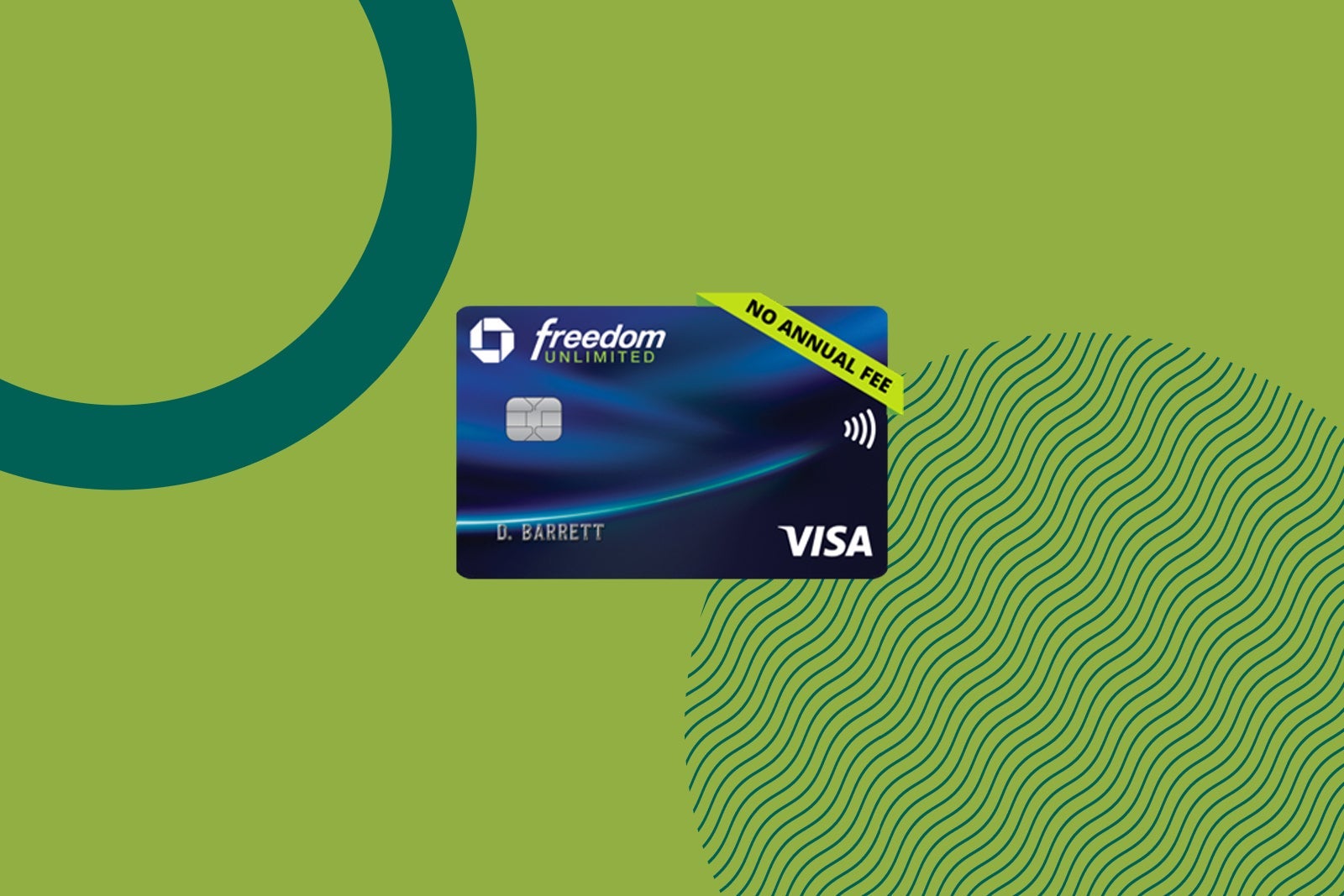
For the second part of the trifecta, you could choose the Freedom Unlimited. This card is an excellent choice for anyone who wants a catchall card for purchases that don’t fall into bonus-earning categories with other cards, as it earns at least 1.5% back on all purchases.
To learn more, check out our full review of the Chase Freedom Unlimited.
Apply here: Chase Freedom Unlimited
Freedom Flex
Annual fee: None
Welcome offer: Earn $200 bonus cash back after spending $500 on eligible purchases within the first three months of account opening.
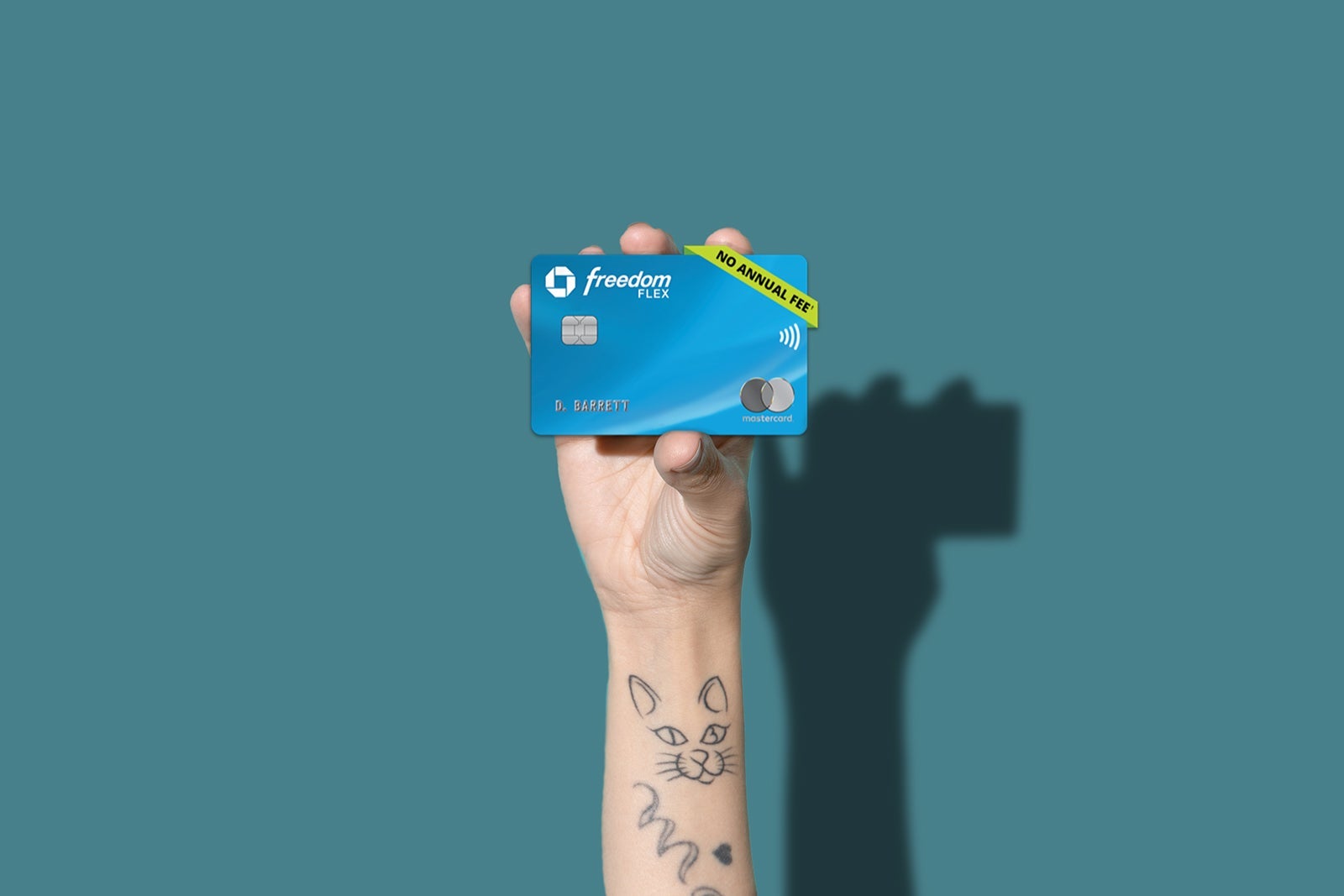
With the Freedom Flex, you’ll earn 5% back on rotating quarterly categories (on up to $1,500 in combined spending per quarter, then 1%; activation required).
These quarterly categories are typically very easy to use and have previously included Amazon, PayPal and live entertainment.
To learn more, check out our full review of the Chase Freedom Flex.
Apply here: Chase Freedom Flex
Ink Business Preferred
Annual fee: $95
Welcome offer: Earn 100,000 bonus points after spending $8,000 on purchases in the first three months from account opening.
This offer is worth $2,050 based on TPG’s valuations.
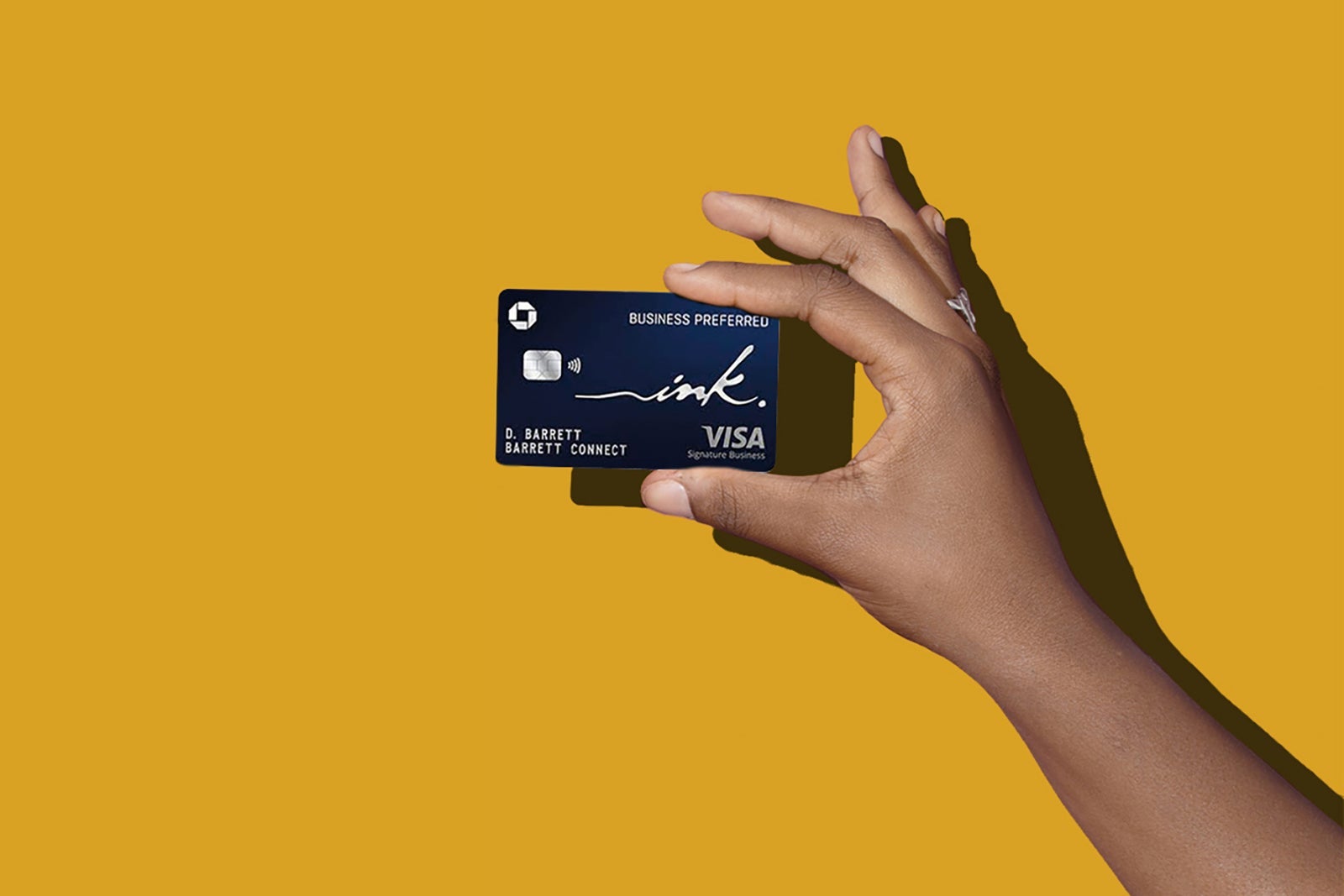
To round out the trifecta, you’ll need an Ink Business card.
With the Ink Business Preferred, you’ll earn 3 points per dollar spent on travel, shipping, internet, cable and phone services, and advertising purchases made with social media sites and search engines (on up to $150,000 in combined spending each account anniversary year, then 1 point per dollar spent).
Along with primary rental car insurance for business rentals, the Ink Business Preferred also offers cellphone protection. This benefit provides coverage for your phone if it’s stolen or damaged (up to three times per year) with a $100 deductible, as long as you pay your monthly cellphone bill with your card.
You can even protect your employees’ cellphones if their service lines are included on the same bill. Just note that the limit is $1,000 per claim and $3,000 (or three claims) per 12-month period.
To learn more, check out our full review of the Ink Business Preferred.
Apply here: Ink Business Preferred Credit Card
How does a Chase Trifecta work?
When choosing a Chase Trifecta, consider what you’re willing to pay in annual fees, your general travel and spending habits and whether you are eligible for a business card.
Based on these factors, it might make sense to replace one of the business cards listed above with another Chase product. Each of these cards covers a distinct spending area and offers unique perks as part of a well-rounded credit card strategy.
Sapphire Preferred vs. Sapphire Reserve vs. Sapphire Reserve for Business
Beginners who are wary of the $795 annual fee on the Sapphire Reserve can replace it with the Sapphire Preferred.

The Sapphire Preferred offers a lower redemption rate with Points Boost and doesn’t include lounge access. However, you’ll enjoy a $100 annual statement credit for hotels booked through Chase Travel℠.
You could also skip the personal Sapphire cards and go with the Sapphire Reserve for Business.
Regardless of which Sapphire card you select, you’ll have access to Chase’s transfer partners.
Related: Chase Sapphire Preferred vs. Sapphire Reserve: Should you go mid-tier or premium?
Freedom Flex vs. Freedom Unlimited
If you already have the Capital One Venture Rewards Credit Card or the Citi Double Cash® Card (see rates and fees) — both of which earn at a higher rate on nonbonus spending — it might make more sense for you to have the Freedom Flex instead of the Freedom Unlimited for the rotating quarterly categories.
On the other hand, if you don’t have a card that earns more than 1 point per dollar spent or 1% back on your nonbonus spending, the Freedom Unlimited may be a better choice than the Freedom Flex.
Related: Chase Freedom Flex vs. Chase Freedom Unlimited comparison: Rotating categories or flat cash back?
An Ink Business card vs. Sapphire Reserve for Business
If you opt for the Chase Sapphire Preferred as your main Sapphire card, you may still want a premium travel card with benefits like lounge access and statement credits.
The Chase Sapphire Reserve for Business can fill that gap.

Additionally, if you have high advertising spending, you may want to opt for the Sapphire Reserve for Business, as it earns an uncapped 3 points per dollar spent on social media and search engine advertising, whereas the Ink Business Preferred‘s advertising bonus category is capped at $150,000 in combined annual spending.
However, if you don’t need lounge access or premium perks, don’t have high advertising spending or want a lower annual fee, you should opt for an Ink Business card.
Not eligible for an Ink card? No problem
You can also create a Chase Trifecta without an Ink Business card. Since Chase doesn’t restrict you to only having one Freedom card, you can carry both the Freedom Flex and the Freedom Unlimited.
With this setup, you would use your Sapphire card for travel and dining purchases, the Freedom Flex for 5% cash back on rotating quarterly categories (on up to $1,500 in spending each quarter, then 1% back; activation required) and the Freedom Unlimited for anything else that doesn’t fall into those bonus categories.
This is also one of the most cost-effective trifectas if you opt for the Sapphire Preferred, as the combined annual fees would be just $95.
Meanwhile, you could hold both the Sapphire Reserve and the Sapphire Preferred, plus the Freedom Unlimited.
While this is an expensive setup, with combined annual fees of $890, you would cover all bonus spending categories (especially with travel) and earn at least 1.5 points per dollar spent on all purchases.
Other Ink Business options
The Ink Business Preferred is the most common pick for the Chase Trifecta, but it isn’t the only option.
You could also opt for a no-annual-fee Ink Business card, like the Ink Business Cash or the Ink Business Unlimited.
The Ink Business Cash earns 5% cash back at office supply stores and on internet, cable and phone services (on the first $25,000 you make in combined purchases each account anniversary year, then 1% back). This card is a good option for those with high spending in business-related bonus categories.

The Ink Business Unlimited earns 1.5% unlimited cash back on all purchases, making it a great catchall card for those who don’t spend much on bonus categories.
However, the Ink Business Preferred is the only card that offers cellphone protection, so if you drop your phone often, this may be worth considering.
Related: Chase Ink Business Unlimited vs. Ink Business Cash: Battle of the cash-back business cards
Bottom line
The goal of building a Chase Trifecta is to maximize every dollar you spend by putting your purchases on the right credit cards. When building your own version of the trifecta, consider Chase’s 5/24 rule and how much time you’re allotting between Chase applications.
For more details on how to increase your approval odds, check out our guide to credit card application rules and restrictions.
Limited-time offer on the Chase Sapphire Preferred: Earn 100,000 bonus points after spending $5,000 on purchases in the first three months from account opening.
Related: Better together: The ultimate guide to the best credit card combinations

Stacie Harris is a local resident and reporter of the Maple Grove area. Stacie reports on medicine and science for the Maple Grove Report.