
World of Hyatt is one of the only major hotel loyalty programs that still maintains award charts. Although the program uses dynamic pricing for Mr & Mrs Smith properties, it still publishes and uses fixed award charts for the others. The program also maintains different award charts for all-inclusive resorts and Miraval resorts.
On May 20, World of Hyatt implemented its annual category changes and new award charts with five tiers (instead of three). With this change in tiers, award nights for a specific property now vary depending on whether they’re lowest, low, moderate, upper or top. Let’s take a closer look at each of the Hyatt award charts.
Standard rooms at Hyatt hotels and resorts
Here’s the current Hyatt award chart for booking standard rooms at Hyatt hotels and resorts (excluding all-inclusive resorts, Miraval resorts and Mr & Mrs Smith properties):
| Hotel category | Lowest points per night | Low points per night | Moderate points per night | Upper points per night | Top points per night |
|---|---|---|---|---|---|
|
3,000 |
4,500 |
6,000 |
7,500 |
9,000 |
|
|
6,000 |
7,500 |
10,000 |
12,000 |
15,000 |
|
|
8,000 |
12,000 |
15,000 |
17,500 |
20,000 |
|
|
12,000 |
15,000 |
20,000 |
22,500 |
25,000 |
|
|
15,000 |
20,000 |
25,000 |
30,000 |
35,000 |
|
|
20,000 |
25,000 |
30,000 |
35,000 |
40,000 |
|
|
25,000 |
30,000 |
35,000 |
45,000 |
55,000 |
|
|
35,000 |
45,000 |
55,000 |
65,000 |
75,000 |
You can also book a Points + Cash option at some properties. With Points + Cash, you pay 50% of the points required based on the chart above and get 50% to 70% off the standard rate for the room type you’re booking.
You can book standard awards, including Points + Cash awards, online. When these rates are available, you’ll see them when you check the “Use Points” box before searching.
Related: 22 best Hyatt hotels in the world to book with points
Club rooms at Hyatt hotels and resorts
You can book club rooms at some Hyatt hotels and resorts for slightly more points than standard rooms. Club rooms provide access to the hotel’s club lounge, which typically offers complimentary breakfast, snacks, drinks and appetizers.
Here’s the Hyatt award chart for club rooms at Hyatt hotels and resorts (again, excluding all-inclusive resorts, Miraval resorts and Mr & Mrs Smith properties):
| Hotel category | Lowest points per night | Low points per night | Moderate points per night | Upper points per night | Top points per night |
|---|---|---|---|---|---|
|
5,000 |
6,500 |
8,000 |
9,500 |
11,000 |
|
|
10,000 |
11,500 |
14,000 |
16,000 |
19,000 |
|
|
13,000 |
17,000 |
20,000 |
22,500 |
25,000 |
|
|
18,000 |
21,000 |
26,000 |
28,500 |
31,000 |
|
|
22,000 |
27,000 |
32,000 |
37,000 |
42,000 |
|
|
28,000 |
33,000 |
38,000 |
43,000 |
48,000 |
|
|
34,000 |
39,000 |
44,000 |
54,000 |
64,000 |
|
|
45,000 |
55,000 |
65,000 |
75,000 |
85,000 |
When available, you can book club rooms online using points. Check the “Use Points” box and look past the standard room awards listed under the “Rooms” tab on the results page.

Reward your inbox with the TPG Daily newsletter
Join over 700,000 readers for breaking news, in-depth guides and exclusive deals from TPG’s experts
Related: How to earn and use Hyatt upgrade certificates
Suites at Hyatt hotels and resorts
You can also book suites using Hyatt points. Here’s the award chart for booking standard suites and premium suites at Hyatt hotels and resorts (again, excluding all-inclusive resorts, Miraval resorts and Mr & Mrs Smith properties) that offer these room types:
| Hotel category | Lowest points per night | Low points per night | Moderate points per night | Upper points per night | Top points per night |
|---|---|---|---|---|---|
|
6,000 (standard suite)
8,000 (premium suite) |
7,500 (standard suite)
9,500 (premium suite) |
9,000 (standard suite)
11,000 (premium suite) |
10,500 (standard suite)
12,500 (premium suite) |
12,000 (standard suite)
14,000 (premium suite) |
|
|
11,000 (standard suite)
13,000 (premium suite) |
12,500 (standard suite)
14,500 (premium suite) |
15,000 (standard suite)
17,000 (premium suite) |
17,000 (standard suite)
19,000 (premium suite) |
20,000 (standard suite)
22,000 (premium suite) |
|
|
16,000 (standard suite)
18,000 (premium suite) |
20,000 (standard suite)
22,000 (premium suite) |
23,000 (standard suite)
25,000 (premium suite) |
25,500 (standard suite)
27,500 (premium suite) |
28,000 (standard suite)
30,000 (premium suite) |
|
|
21,000 (standard suite)
24,000 (premium suite) |
24,000 (standard suite)
27,000 (premium suite) |
29,000 (standard suite)
32,000 (premium suite) |
31,500 (standard suite)
34,500 (premium suite) |
34,000 (standard suite)
37,000 (premium suite) |
|
|
27,000 (standard suite)
30,000 (premium suite) |
32,000 (standard suite)
35,000 (premium suite) |
37,000 (standard suite)
40,000 (premium suite) |
42,000 (standard suite)
45,000 (premium suite) |
47,000 (standard suite)
50,000 (premium suite) |
|
|
35,000 (standard suite)
40,000 (premium suite) |
40,000 (standard suite)
45,000 (premium suite) |
45,000 (standard suite)
50,000 (premium suite) |
50,000 (standard suite)
55,000 (premium suite) |
55,000 (standard suite)
60,000 (premium suite) |
|
|
43,000 (standard suite)
50,000 (premium suite) |
48,000 (standard suite)
55,000 (premium suite) |
53,000 (standard suite)
60,000 (premium suite) |
63,000 (standard suite)
70,000 (premium suite) |
73,000 (standard suite)
80,000 (premium suite) |
|
|
56,000 (standard suite)
70,000 (premium suite) |
66,000 (standard suite)
80,000 (premium suite) |
76,000 (standard suite)
90,000 (premium suite) |
86,000 (standard suite)
100,000 (premium suite) |
96,000 (standard suite)
110,000 (premium suite) |
You can also use the Points + Cash feature when booking suites. As with standard rooms, the Points + Cash rate allows you to pay 50% of the points required for a free night and get 50% to 70% off the standard rate for the suite type you’re booking.
You can book suites online using Hyatt points.
Related: Your ultimate guide to Hyatt hotel brands
Room upgrades on paid stays
You can redeem Hyatt points for room upgrades on paid stays at some hotels and resorts. Here’s how many Hyatt points you’ll need to redeem for each upgrade type:
- Club upgrade: 3,000 points per night
- Standard suite upgrade: 6,000 points per night
- Premium suite upgrade: 9,000 points per night
You can book new stays online, but must contact Hyatt to upgrade an existing paid stay using points. You may need to meet minimum room type and rate requirements to upgrade your reservation. You’ll usually need to pay the standard rate for at least a deluxe room at Hyatt resorts and a standard room at a nonresort hotel.
Related: 7 ways to get a hotel room upgrade
All-inclusive resorts
The following award chart applies to stays at Hyatt’s Inclusive Collection brands:
| All-inclusive category | Lowest points per night | Low points per night | Moderate points per night | Upper points per night | Top points per night |
|---|---|---|---|---|---|
|
12,000 (standard room)
18,000 (club room) 21,000 (standard suite) 24,000 (premium suite) |
15,000 (standard room)
21,000 (club room) 24,000 (standard suite) 27,000 (premium suite) |
20,000 (standard room)
26,000 (club room) 29,000 (standard suite) 32,000 (premium suite) |
22,500 (standard room)
28,500 (club room) 31,500 (standard suite) 34,500 (premium suite) |
25,000 (standard room)
31,000 (club room) 34,000 (standard suite) 37,000 (premium suite) |
|
|
15,000 (standard room)
22,000 (club room) 27,000 (standard suite) 30,000 (premium suite) |
20,000 (standard room)
27,000 (club room) 32,000 (standard suite) 35,000 (premium suite) |
25,000 (standard room)
32,000 (club room) 37,000 (standard suite) 40,000 (premium suite) |
30,000 (standard room)
37,000 (club room) 42,000 (standard suite) 45,000 (premium suite) |
35,000 (standard room)
42,000 (club room) 47,000 (standard suite) 50,000 (premium suite) |
|
|
20,000 (standard room)
28,000 (club room) 35,000 (standard suite) 40,000 (premium suite) |
25,000 (standard room)
33,000 (club room) 40,000 (standard suite) 45,000 (premium suite) |
30,000 (standard room)
38,000 (club room) 45,000 (standard suite) 50,000 (premium suite) |
35,000 (standard room)
43,000 (club room) 50,000 (standard suite) 55,000 (premium suite) |
40,000 (standard room)
48,000 (club room) 55,000 (standard suite) 60,000 (premium suite) |
|
|
25,000 (standard room)
34,000 (club room) 43,000 (standard suite) 50,000 (premium suite) |
30,000 (standard room)
39,000 (club room) 48,000 (standard suite) 55,000 (premium suite) |
35,000 (standard room)
44,000 (club room) 53,000 (standard suite) 60,000 (premium suite) |
45,000 (standard room)
54,000 (club room) 63,000 (standard suite) 70,000 (premium suite) |
55,000 (standard room)
64,000 (club room) 73,000 (standard suite) 80,000 (premium suite) |
|
|
35,000 (standard room)
45,000 (club room) 56,000 (standard suite) 70,000 (premium suite) |
45,000 (standard room)
55,000 (club room) 66,000 (standard suite) 80,000 (premium suite) |
55,000 (standard room)
65,000 (club room) 76,000 (standard suite) 90,000 (premium suite) |
65,000 (standard room)
75,000 (club room) 86,000 (standard suite) 100,000 (premium suite) |
75,000 (standard room)
85,000 (club room) 96,000 (standard suite) 110,000 (premium suite) |
|
|
45,000 (standard room)
55,000 (club room) 66,000 (standard suite) 80,000 (premium suite) |
55,000 (standard room)
65,000 (club room) 76,000 (standard suite) 90,000 (premium suite) |
65,000 (standard room)
75,000 (club room) 86,000 (standard suite) 100,000 (premium suite) |
75,000 (standard room)
85,000 (club room) 96,000 (standard suite) 110,000 (premium suite) |
85,000 (standard room)
95,000 (club room) 106,000 (standard suite) 120,000 (premium suite) |
Hyatt’s award night rate only includes two people at all-inclusive resorts. So, as you can see in the following chart, you’ll need to use more points if you plan to bring a third or fourth person to your Hyatt all-inclusive award stay.
| All-inclusive category | Lowest points per person for the third or fourth guest | Low points per person for the third or fourth guest | Moderate points per person for the third or fourth guest | Upper points per person for the third or fourth guest | Top points per person for the third or fourth guest |
|---|---|---|---|---|---|
|
6,000 |
7,500 |
10,000 |
11,000 |
12,500 |
|
|
7,500 |
10,000 |
12,500 |
15,000 |
17,500 |
|
|
10,000 |
12,500 |
15,000 |
17,500 |
20,000 |
|
|
12,500 |
15,000 |
17,500 |
22,500 |
27,500 |
|
|
17,500 |
22,500 |
27,500 |
32,500 |
37,500 |
|
|
22,500 |
27,500 |
32,500 |
37,500 |
42,500 |
Given the points cost for additional guests, a family of four might prefer redeeming Hyatt points for two rooms with two guests each rather than one room with four guests.
Related: The 14 best Hyatt all-inclusive resorts in the world
Miraval resorts
Four Miraval resorts are open and bookable with Hyatt points: Miraval Arizona, Miraval Austin, Miraval Berkshires in Massachusetts and Miraval The Red Sea in Saudi Arabia. The award chart is the same, regardless of which Miraval property you book:
| Award type | Lowest points per night | Low points per night | Moderate points per night | Upper points per night | Top points per night |
|---|---|---|---|---|---|
|
40,000 (single occupancy)
60,000 (double occupancy) |
45,000 (single occupancy)
65,000 (double occupancy) |
50,000 (single occupancy)
70,000 (double occupancy) |
60,000 (single occupancy)
80,000 (double occupancy) |
75,000 (single occupancy)
95,000 (double occupancy) |
|
|
65,000 (single occupancy)
85,000 (double occupancy) |
75,000 (single occupancy)
95,000 (double occupancy) |
85,000 (single occupancy)
105,000 (double occupancy) |
95,000 (single occupancy)
115,000 (double occupancy) |
110,000 (single occupancy)
130,000 (double occupancy) |
|
|
95,000 (single occupancy)
115,000 (double occupancy) |
105,000 (single occupancy)
125,000 (double occupancy) |
115,000 (single occupancy)
135,000 (double occupancy) |
125,000 (single occupancy)
145,000 (double occupancy) |
140,000 (single occupancy)
160,000 (double occupancy) |
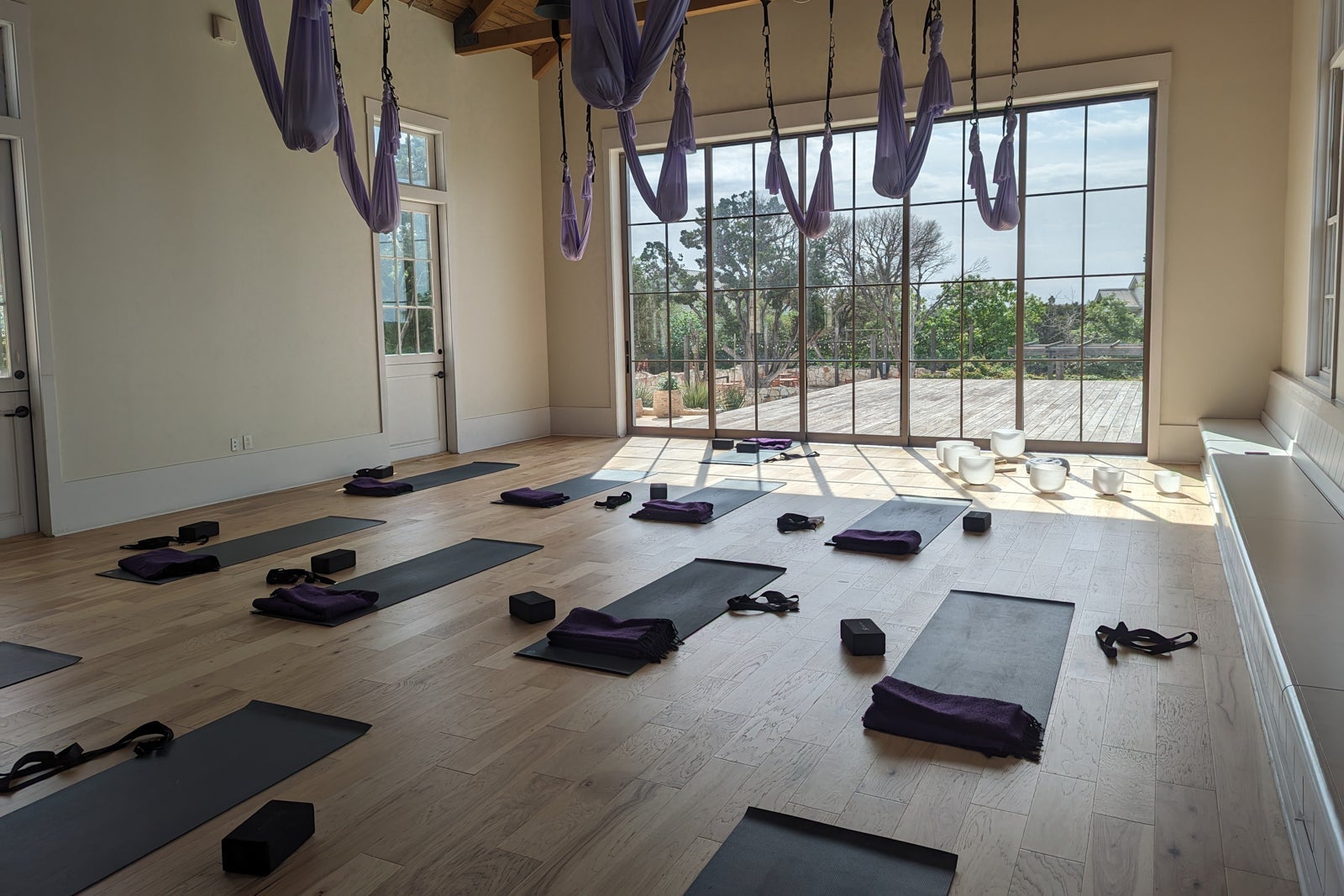
Every award night at Miraval includes meals, snacks, a $175 resort credit per person, nonalcoholic drinks, fitness classes and wellness activities.
If you frequently stay with Hyatt, remember you can select a Miraval extra night award through the Hyatt Milestone Rewards program at the 100-, 110-, 120-, 130-, 140- and 150-night milestones.
Related: 16 best all-inclusive resorts in the US
Bottom line
The World of Hyatt award chart can be overwhelming since you can book multiple room types with points, each costing a different amount. Plus, you’ll need to redeem different point amounts for lowest, low, moderate, upper and top nights.
However, this can be good once you get a handle on the award charts. You can still find great value even if you prefer to stick to the low end of the Hyatt award chart.
Related reading:

Stacie Harris is a local resident and reporter of the Maple Grove area. Stacie reports on medicine and science for the Maple Grove Report.