:max_bytes(150000):strip_icc():format(jpeg)/Health-GettyImages-ConditionsTurmericCanHelpWith-73e93e547c534162b3a55d2dc5b121d6.jpg)
Turmeric, which comes from the root of the Curcuma longa plant, has been a healing remedy in traditional Chinese and Ayurvedic medicine for centuries. These days, it’s taken as a supplement in addition to being used in cooking. The spice’s active compound, curcumin, is a potent anti-inflammatory and antioxidant that can help support a range of ailments and conditions. Here are 10 of them.
Arthritis is a broad term that describes over 100 conditions that cause joint inflammation, pain, stiffness, and reduced mobility. Osteoarthritis, the most common form of arthritis, typically develops due to age-related “wear and tear.”
Other types, like rheumatoid arthritis (RA) and psoriatic arthritis (PsA), are autoimmune conditions where the immune system mistakenly attacks healthy joint tissue. Symptoms vary depending on the type but generally include swelling, joint pain and stiffness, and decreased physical function.
Turmeric, particularly its active compound curcumin, has strong anti-inflammatory properties that may help reduce joint inflammation, easing pain and swelling associated with arthritis. Studies on knee osteoarthritis suggest turmeric can relieve symptoms as effectively as some NSAIDs and with fewer side effects.
A review of 29 clinical trials showed that turmeric significantly reduced inflammation and pain in five types of arthritis: RA, OA, ankylosing spondylitis (AS), juvenile idiopathic arthritis (JIA), and gout. Study participants experienced significant improvements in pain severity and reduced inflammation levels when taking turmeric supplements with no side effects.
Cardiovascular (heart) disease describes conditions affecting the heart and blood vessels, such as coronary artery disease (CAD), arrhythmia (irregular heartbeat), and heart failure. Symptoms can vary depending on the type of heart disease, but they often include chest pain, shortness of breath, heart palpitations, dizziness, and fatigue.
Many heart diseases develop due to atherosclerosis, or high cholesterol, which is when plaque builds up in the arteries, increasing the risk of major cardiovascular events like heart attack and stroke.
Turmeric may support heart health by reducing inflammation and improving blood vessel function. It may also help improve cholesterol and complement medications for high cholesterol. Studies suggest that curcumin may help lower low-density lipoprotein (LDL, or “bad”) cholesterol, protecting against heart disease in people with high cholesterol.
In one study, middle-aged and older adults who took curcumin supplements for 12 weeks saw that turmeric helped the blood vessels relax and expand, helping improve blood pressure and overall cardiovascular health. In another study, curcumin reduced the risk of heart attacks by 65% in bypass surgery patients when taken a few days before and after surgery.
Inflammatory bowel disease (IBD) describes chronic conditions associated with inflammation in the digestive tract, including Crohn’s disease and ulcerative colitis. Although Crohn’s disease and ulcerative colitis affect different parts of the digestive tract, they both cause uncomfortable symptoms such as abdominal pain and cramping, frequent diarrhea, bloody stools, and weight loss.
Curcumin may enhance the effectiveness of standard treatments and help control IBD symptoms. A meta-analysis of six studies found that supplementing with curcumin significantly reduced and prevented ulcerative colitis symptoms and flare-ups.
In a 12-week study of people with mild to moderate Crohn’s disease, those who took curcumin supplements (360 milligrams a day) saw improvements in their symptoms. By week 12, 40% of participants no longer saw symptoms. While these results are promising, more research is needed to determine curcumin’s ideal dosage, frequency, and duration for managing IBD.
Neurodegenerative diseases, such as Alzheimer’s and Parkinson’s, develop when nerve cells in the central nervous system (brain and spinal cord) gradually deteriorate and die.
Symptoms of neurodegenerative diseases, such as memory loss, motor (movement) difficulties, mood changes, and sleep problems, develop slowly and worsen over time. The causes of these diseases vary but may include chronic inflammation and the accumulation of harmful proteins in the brain.
Supplementing with turmeric may reduce brain inflammation and prevent these diseases from progressing. It can also boost the effectiveness of standard treatments. Research suggests curcumin can protect brain cells from damage, potentially slowing cognitive decline in people with Alzheimer’s disease. Curcumin may also improve mood and memory function in older adults.
Depression is a mental health condition that causes symptoms like persistent feelings of sadness and hopelessness, irritability, fatigue, sleep problems, and loss of interest in activities. Although the exact cause of depression is unclear, several factors can put you at risk, like genetics, social influences, traumatic life events, and chronic inflammation.
Curcumin shows potential as a natural supplement for managing depression. It may increase levels of brain-derived neurotrophic factor (BDNF), a protein that supports brain cell growth and survival. Low BDNF levels are common in people with depression. Curcumin may also help improve mood and relieve symptoms of depression in people with major depressive disorder (MDD).
More studies are needed to explore how factors like treatment length and type of curcumin extract influence the effect on depression.
Allergies happen when your immune system overreacts to foreign substances, such as pollen, pet dander, or dust. When a person comes into contact with one of their allergens, their body releases histamine and other chemicals that cause inflammation. These chemicals lead to allergy symptoms like sneezing, itching, congestion, skin rashes, and, in severe cases, difficulty breathing.
While it’s not a replacement for medical treatments, adding turmeric to your diet or taking curcumin supplements may help you manage your allergies, particularly for mild to moderate symptoms.
Thanks to its anti-inflammatory properties, turmeric may help control the immune system’s response to allergens. Curcumin suppresses the release of histamines and lowers inflammation in the respiratory tract, which may help reduce symptoms like nasal congestion and sneezing.
Inflammatory skin conditions like eczema (atopic dermatitis) and psoriasis develop due to an overactive immune system. Although symptoms vary depending on the condition, common symptoms include dry, itchy patches, thickened skin, and cracked skin that oozes fluid or bleeds. Some factors, like stress, environmental irritants, allergies, and infections, can trigger or worsen these conditions.
Curcumin has anti-inflammatory and antioxidant properties that may help reduce skin inflammation, soothe uncomfortable symptoms, and promote healing. Oral supplements or topical curcumin creams applied to the affected skin may provide relief for those with chronic skin conditions. This can be a natural alternative to steroid-based treatments, such as corticosteroid creams.
Cancer occurs when abnormal cells grow and multiply uncontrollably, forming tumors. There are over 100 types of cancer, which can affect any organ or body area, including the breasts, lungs, colon, blood, and brain.
Some studies suggest curcumin may slow the growth of cancer cells and stop cancer from developing or spreading. Other studies suggest curcumin may be a beneficial additional treatment that boosts the effectiveness of specific cancer treatments, such as chemotherapy and radiation. It may also help reduce common cancer treatment side effects, such as nausea, diarrhea, and weight loss.
While curcumin shows promise in small, early-phase trials, more research is needed to understand its potential in preventing and treating cancer.
Type 2 diabetes develops when the body becomes resistant to insulin or doesn’t produce enough to regulate glucose (blood sugar) levels. This leads to symptoms like frequent urination, increased thirst and hunger, intense fatigue, blurred vision, and slow wound healing.
When paired with healthy habits, turmeric might be a helpful, natural way to support diabetes management and prevention.
Curcumin may improve cells’ response to insulin by helping them absorb sugar more efficiently. It also supports enzymes that process sugar, making it less likely for your blood sugar to spike. Curcumin may also help lower the risk of type 2 diabetes by reducing inflammation and protecting the pancreas.
Chronic respiratory conditions like asthma and chronic obstructive pulmonary disease (COPD) affect your lungs and airways, causing symptoms like coughing, wheezing, shortness of breath, and chest tightness. These conditions involve inflammation in the airways that develops due to environmental triggers, damage from infections, or lifestyle habits like smoking.
While turmeric isn’t a replacement for standard treatments, adding it to your diet or taking curcumin supplements could be a simple way to support your respiratory health and reduce symptom flare-ups of common respiratory diseases.
Turmeric may help calm inflammation in the airways, making breathing easier and reducing symptoms like coughing and wheezing. Curcumin’s antioxidant properties may also protect the lungs from damage caused by long-term exposure to toxins. Some studies show that turmeric may help reduce inflammatory substances in the body that cause swelling and irritation in the lungs and airways.
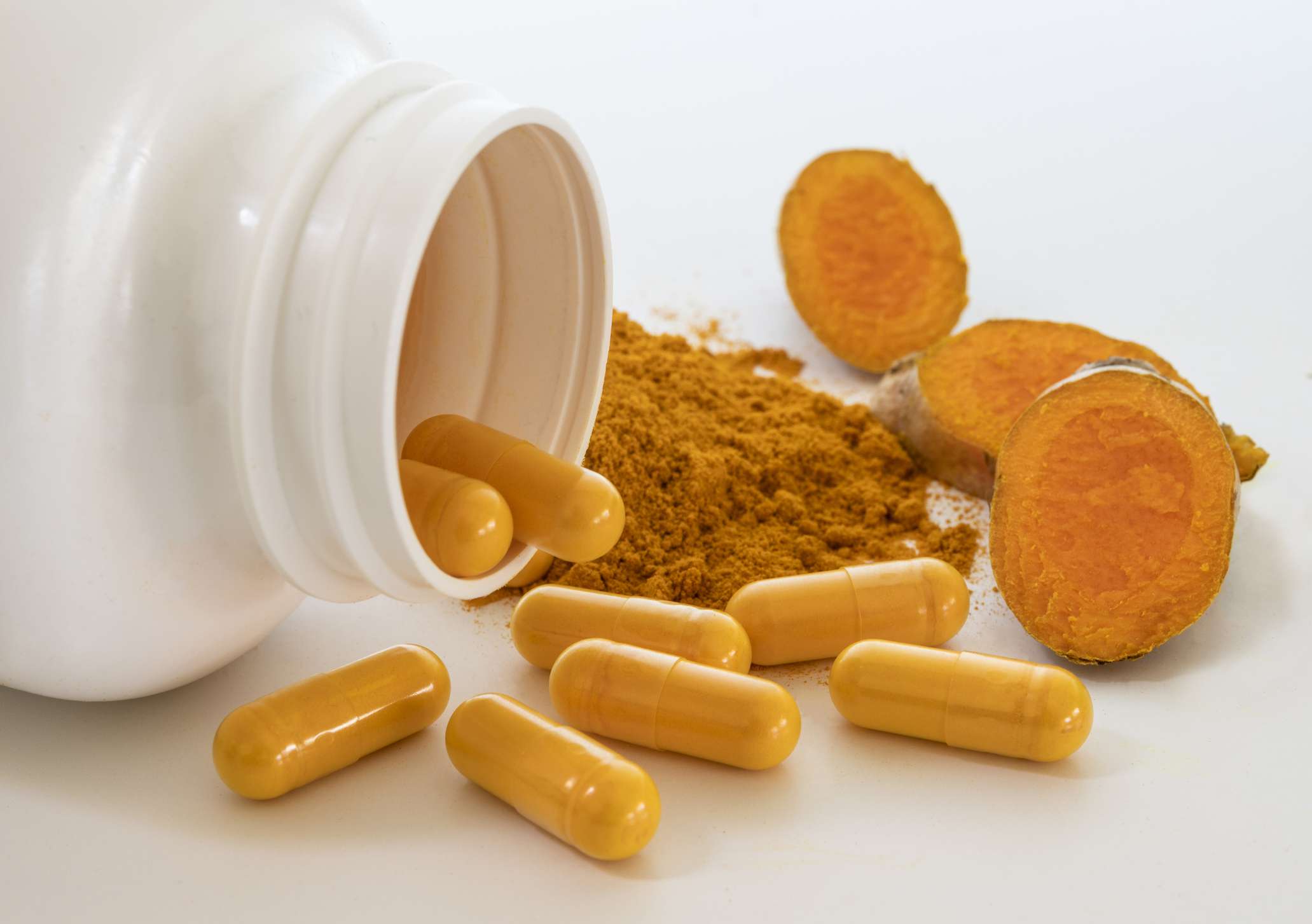
Turmeric is available in many forms. You can find it as a fresh root, ground spice, or more concentrated supplements like capsules, tablets, or liquid extracts.
You can use it as a spice when cooking, drink turmeric tea, or enjoy golden milk (turmeric mixed with milk or plant-based alternatives). If you want to maximize health benefits, supplements contain higher doses of curcumin.
Cooking tips: Curcumin is not easily absorbed by the body, so you may want to consider combining it with black pepper, which contains piperine and enhances its absorption. If you’re using turmeric in cooking, adding black pepper can help you maximize its health benefits. Because turmeric is fat-soluble (it dissolves in fat or oil), pairing it with healthy fats like avocado, cheese, or olive oil enhances absorption.
Is It Safe?
Turmeric is generally safe for most people when used in cooking, applied topically to the skin, or taken in moderate doses as a supplement.
The United States Food and Drug Administration (FDA) classifies curcuminoids—compounds extracted from turmeric—as “generally recognized as safe” (GRAS). Turmeric supplements containing 4,000-8,000 milligrams are safe for most people.
It’s always best to follow the dosage recommendations on the supplement’s label and consult a doctor before taking turmeric supplements.
In higher doses, turmeric supplements can cause side effects, such as:
- Upset stomach
- Nausea
- Diarrhea
- Headache
- Skin rash
Turmeric may increase bleeding risks when taken with blood-thinning drugs like warfarin or aspirin. It may also lower blood sugar levels, so people with diabetes who take blood sugar-lowering medications should exercise caution when taking turmeric supplements. Turmeric can also increase the risk of side effects when taken alongside antidepressants, antibiotics, or allergy treatments.
People who are pregnant or breastfeeding should avoid turmeric supplements, as their safety during pregnancy or lactation is not well-established.