Fact checked by Nick Blackmer
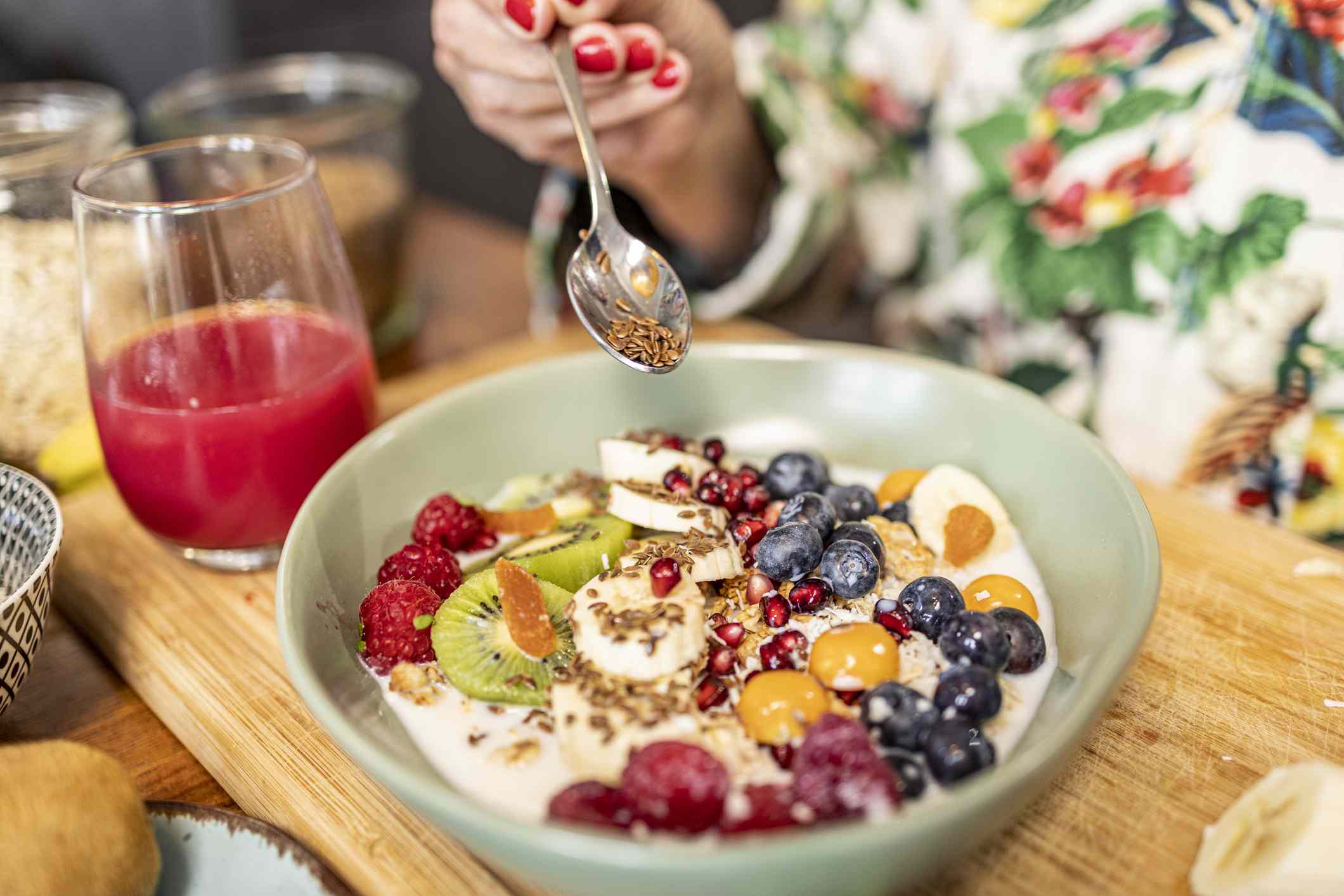
:max_bytes(150000):strip_icc():format(jpeg)/Health-GettyImages-DietitiansRecommendMagnesiumFoods-30ec0ed838f64a74b7d4ad4cae26dcf7.jpg "Healthy breakfast plate with yogurt and fruits")
Credit: EMS-FORSTER-PRODUCTIONS / Getty Images
- Magnesium supports sleep, muscle recovery, energy, and stress, and many people can meet their needs through food.
- Foods like seeds, beans, leafy greens, and even dark chocolate are naturally rich sources.
- Experts say eating a varied, whole-foods diet is the easiest way to boost magnesium without relying on supplements.
Magnesium is an important mineral that supports better sleep, energy production, muscle recovery, and stress management. It is also essential for muscle and nerve production, bone health, brain health, and blood sugar regulation. Eating a nutritious, whole-foods diet will naturally support your daily magnesium intake. To help you get on the right path, here are 10 of the best magnesium-rich foods recommended by nutrition experts.
1. Pumpkin Seeds

- Magnesium content per standard serving: Roasted pumpkin seeds contain 156 milligrams (mg) of magnesium per 1-ounce serving.
- Health benefits: Pumpkin seeds are rich in magnesium and beneficial for supporting a healthy immune system.
- How to eat it: To reap the nutritional benefits of pumpkin seeds, sprinkle them over salads and yogurts or add them to smoothies.
2. Spinach

- Magnesium content per standard serving: Boiled spinach has 78 mg of magnesium per half-cup serving. Raw spinach has about 23 mg per cup.
- Health benefits: Spinach is a great source of magnesium, a mineral that helps regulate the heartbeat, keeping it at a steady pace.
- How to eat it: Use spinach as a leafy base for salads, add some to sandwiches or smoothies, or sauté spinach with garlic and olive oil.
3. Almonds

- Magnesium content per standard serving: Dry-roasted almonds contain 80 mg of magnesium per 1-ounce serving.
- Health benefits: Almonds are a good source of magnesium, which is beneficial for regulating sleep and improving sleep quality and duration.
- How to eat it: “Try tossing almonds or pumpkin seeds into salads or yogurt,” Grace Derocha, RDN, CDCES, a spokesperson for the Academy of Nutrition and Dietetics, told Health.
4. Black Beans

- Magnesium content per standard serving: Cooked black beans contain 60 mg of magnesium per half-cup serving.
- Health benefits: Black beans offer an ample source of magnesium, which is beneficial for stress management. While magnesium deficiency has been linked to an increased risk of stress disorders, studies show that stress itself can lead to decreased magnesium levels.
- How to eat it: “Try using beans in grain bowls or soups, or as part of an omelette,” said Derocha.
5. Soymilk

- Magnesium content per standard serving: Plain soymilk has 61 mg of magnesium per 1-cup serving.
- Health benefits: Soymilk and soy-based foods are high in magnesium, which is helpful for bone formation and bone health. Although further study is needed to explain whether magnesium can help prevent and manage osteoporosis, studies have found a positive association between enough magnesium consumption and bone mineral density.
- How to eat it: Antonella V. Schwarz, PhD, LAT, ATC, CSCS, CISSN, assistant professor of Exercise Science at Barry University, recommends pairing soymilk with whole-grain cereal, which is another good source of magnesium.
6. Avocado

- Magnesium content per standard serving: Avocado has 22 mg of magnesium per half-cup serving.
- Health benefits: Magnesium, found in foods such as avocados, contributes to energy production within your body.
- How to eat it: “You could start your morning with avocado on whole-grain toast,” said Schwarz.
7. Peanuts and Peanut Butter

- Magnesium content per standard serving: Peanuts have 48 mg of magnesium per 1-ounce serving. Peanut butter has 49 mg of magnesium per 2-tablespoon serving
- Health benefits: Peanuts and peanut butter are both great sources of magnesium, which helps regulate blood sugar levels. Maintaining healthy blood sugar levels is important for curbing cravings and preventing chronic diseases such as type 2 diabetes.
- How to eat it: “You can make a shake with ingredients such as peanut butter, plant-based milk or yogurt, banana, and berries, and have a very magnesium-rich shake,” Dana Ellis Hunnes, PhD, MPH, RD, a senior clinical dietitian at UCLA Health, told Health.
8. Banana

- Magnesium content per standard serving: One medium banana contains 32 mg of magnesium per serving.
- Health benefits: Bananas are a good source of magnesium and potassium, which support normal muscle and nerve function.
- How to eat it: Enjoy on its own or add slices of banana to oatmeal or yogurt.
9. Dark Chocolate

- Magnesium content per standard serving: Dark chocolate (70 to 85% cacao solids) has 65 mg of magnesium per 1-ounce serving.
- Health benefits: Dark chocolate is also rich in antioxidants, which help protect your cells from oxidative damage.
- How to eat it: Savor a square or two of dark chocolate on its own or pair it with nuts or a cup of tea.
10. Chia Seeds

- Magnesium content per standard serving: Chia seeds have 111 mg of magnesium per 1-ounce serving
- Health benefits: Chia seeds are also packed with fiber, omega-3 fatty acids, protein, antioxidants, and various minerals like calcium and phosphorus.
- How to eat it: To increase your magnesium intake, add 1 tablespoon of chia seeds to oatmeal, yogurt, or smoothies.