11 Magnesium-Rich Foods To Support Better Sleep and a Calmer Mind


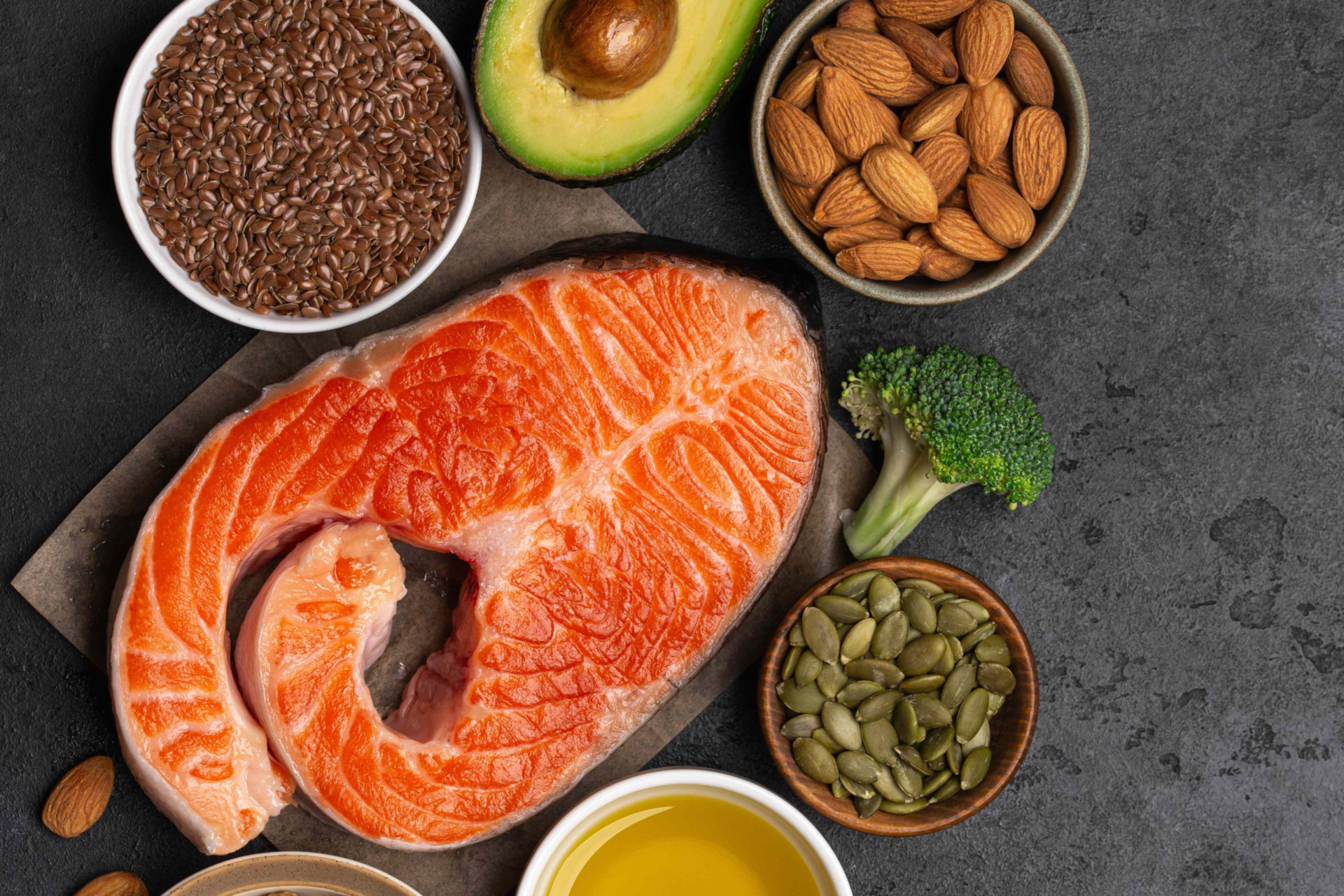
Salmon, nuts, avocado, and other foods contain melatonin, as well as other nutrients that may support sleep and mood.Credit: Anna_Shepulova / Getty Images
Salmon, nuts, avocado, and other foods contain melatonin, as well as other nutrients that may support sleep and mood.
Credit: Anna_Shepulova / Getty Images
  • Magnesium-rich foods like seeds, nuts, and leafy greens may help support sleep and reduce stress.
  • These foods also contain tryptophan, omega-3 fatty acids, and other mood-boosting nutrients.
  • Eating a variety of magnesium-rich foods as part of a nutritious, balanced diet may help support better sleep and overall well-being.

Magnesium plays a key role in sleep and stress regulation. Eating more magnesium-rich foods may help you feel calmer and support better sleep over time.

1. Pumpkin Seeds

Credit: Arx0nt / Getty Images
  • Magnesium content: 154 milligrams, 37% of the Daily Value (DV)
  • Serving size: 1 ounce, without shells

Pumpkin seeds are one of the richest dietary sources of magnesium, with 1 ounce covering 37% of your daily needs. They're also a good source of tryptophan, an amino acid the body uses to make melatonin. Studies have shown that eating tryptophan-rich foods can help improve total sleep time.

2. Almonds

Credit: mescioglu / Getty Images
  • Magnesium content: 76.5 milligrams, 18% of the DV
  • Serving size: 1 ounce

Snacking on almonds is another easy way to meet your daily magnesium needs. One ounce, or about 28 almonds, provides around 18% of the Daily Value (DV).

Magnesium helps your muscles relax and plays a role in how your body responds to stress. When magnesium levels are low, you may feel more sensitive to stress.

Almonds also provide healthy fats and fiber, which have been associated with improved mood.

3. Spinach

Credit: Smitt / Getty Images
  • Magnesium content: 157 milligrams, 37% of the DV
  • Serving size: 1 cup, boiled

Spinach is a nutrient powerhouse, packed with magnesium as well as tryptophan and antioxidant compounds that protect against cell damage.

It also provides fiber, which helps keep your digestion regular and supports gut health. A healthy gut may support better sleep by helping regulate hormones that control your sleep-wake cycle.

4. Dark Chocolate

Credit: Marilena Ghezzo / Getty Images
  • Magnesium content: 64.6 milligrams, 15% of the DV
  • Serving size: 1 ounce

Dark chocolate is a surprisingly good source of magnesium, especially varieties with a higher cocoa content. It also contains compounds that may help support mood by increasing serotonin levels in the brain. Enjoying a small piece in the evening can feel satisfying and may help you wind down.

5. Avocado

Credit: Igor Sinkov / Getty Images
  • Magnesium content: 58.3 milligrams, 14% of the DV
  • Serving size: One avocado

Avocados provide magnesium along with fiber and heart-healthy fats. These nutrients help keep blood sugar stable, which may prevent energy crashes and irritability. The combination can support a stable mood and relaxation.

6. Black Beans

Credit: Karisssa / Getty Images
  • Magnesium content: 120 milligrams, 29% of the DV
  • Serving size: 1 cup, cooked

Black beans are rich in magnesium, fiber, and plant-based protein. They also provide several B vitamins, including B6. Vitamin B6 helps support neurotransmitter production, which plays a role in mood.

7. Salmon

Credit: Rares Caragiale / Getty Images
  • Magnesium content: 47.6 milligrams, 11% of the DV
  • Serving size: One fillet

Salmon provides magnesium along with omega-3 fatty acids, which have been linked to improved mood and brain health. These healthy fats may also help reduce inflammation and support more restful sleep.

Salmon is a staple in the Mediterranean diet, which has been linked to better mental well-being.

8. Cashews

Credit: HUIZENG HU / Getty Images
  • Magnesium content: 82.8 milligrams, 20% of the DV
  • Serving size: 1 ounce

Cashews are another easy way to boost your magnesium intake. They also provide healthy fats and a small amount of tryptophan, which may support relaxation and help your body prepare for sleep.

9. Quinoa

Credit: Elizaveta Antropova / Getty Images
  • Magnesium content: 118 milligrams, 27% of the DV
  • Serving size: 1 cup, cooked

Quinoa is a whole grain that provides several sleep-supporting nutrients, including magnesium and tryptophan. It also contains fiber and protein, which can help prevent blood sugar crashes and support a more stable mood.

10. Chia Seeds

Credit: everydayplus / Getty Images
  • Magnesium content: 95 milligrams, 23% of the DV
  • Serving size: 1 ounce

Chia seeds are small but packed with magnesium, fiber, and omega-3 fats. They contain alpha-linolenic acid (ALA), a type of omega-3 that may help support brain health, memory, and mood.

11. Hemp Seeds

Credit: PAVEL IARUNICHEV / Getty Images
  • Magnesium content: 210 milligrams, 50% of the DV
  • Serving size: 3 tablespoons

Hemp seeds are one of the best sources of magnesium. Just three tablespoons provide about 50% of your daily needs. They also offer protein and healthy fats that support brain health. Add them to yogurt, smoothies, or oatmeal for an easy boost.

How To Add More Magnesium-Rich Foods to Your Diet

Small changes add up over time. Getting magnesium from a variety of foods can help support better sleep, a calmer mood, and overall health. Here are some simple ways to add more into your diet:

  • Add one or two magnesium-rich foods to meals you already eat
  • Sprinkle seeds on yogurt, oatmeal, or salads
  • Toss beans into salads, bowls, or soups
  • Swap refined grains for whole grains like quinoa
  • Aim to get magnesium from a variety of foods throughout the day, rather than relying on one source



Source link

Leave a Reply

Subscribe to Our Newsletter

Get our latest articles delivered straight to your inbox. No spam, we promise.

Recent Reviews


Looker Analytics – Table of Content

What is Looker?

Looker is a robust business intelligence (BI) application that may assist a company in creating insightful visuals. It features a simple user interface, is browser-based (so no desktop software is required), and enables dashboard collaboration. Users may construct interactive and dynamic dashboards, schedule and automate report distribution, establish custom alert criteria, and employ integrated analytics, among other features.

We have the perfect professional Looker Training for you. Enroll now!

What makes Looker unique?

Platform Experience

  • Looker may be installed on public cloud services or on-premises, and migration between cloud databases is easy. Looker is a completely browser-based application.
  • Microsoft’s Azure public cloud environment is the only place where Power BI may be used. The cloud-based Azure service is at the heart of the Power BI product.
  • However, in other cases, a desktop component is necessary. Power BI Report Server, an on-premises version, is available. However, the functionalities are different from those of the Azure service. Users may become perplexed as a result of this.
  • Tableau provides both cloud and on-premises solutions, Power BI is comparable. To perform certain activities, users must go from one desktop application (such as
  • Tableau Desktop) to another (such as Tableau Prep Builder), and finally to the web.

Related Article: Looker Features

Looker Training

  • Master Your Craft
  • Lifetime LMS & Faculty Access
  • 24/7 online expert support
  • Real-world & Project Based Learning

Ease of Use

  • Looker needs some upfront effort, such as creating a comprehensive semantic model for storing all of your business logic and analytics, but once that’s done, you’ll have a single source of truth. Looker is extremely collaborative once it’s set up, especially with the simultaneous publishing feature, which allows several people to operate in the same dashboard function at the same time.
  • Power BI requires initial technical support, but after that, business users may self-serve within the parameters specified by the tech team. Users may quickly create visualizations and get insights by dragging and dropping data. However, dashboard collaboration is hampered by the lack of parallel publishing functionality.
  • Tableau creates very complex, well-designed visuals and offers a user-friendly interface with a large number of capabilities. There is no parallel publishing functionality, much like in Power BI.

Cost

  • Looker price is tailored to the specific needs and preferences of each organization. However, for maximum performance, Looker needs an MPP database that should be included in your budget.
  • Power BI is initially inexpensive, particularly if you’re already a Microsoft ecosystem. Different add-on features, on the other hand, might raise the price. The inability to choose a different public cloud provider might also have a financial impact.
  • Tableau employs role-based licensing, which raises the price dependent on the number of users, especially those with a large range of technological users.

If you want to Explore more about Looker? then read our updated article – Looker Tutorial

Business Intelligence & Analytics, looker-analytics-description-0, Business Intelligence & Analytics, looker-analytics-description-1

Subscribe to our YouTube channel to get new updates..!

Is Looker a good fit for my analytics system?

When Should You Use Looker?

Looker could be the ideal BI platform for you if you want customizable visualizations, collaborative dashboards, and a single source of truth, as well as top-notch customer service. Because it’s entirely browser-based, there’ll be less confusion when your team gets up and running, and pricing tailored to your business means you’ll receive just what you need to accomplish your analytics goals.

When You Shouldn’t Use Looker

Power BI is your best option if you’ve already invested in the Microsoft environment. Adding another tool will almost certainly lead to more confusion and more expenses. The first thought that comes to mind when someone speaks “Tableau” is how spectacular the visuals are. Tableau may be the best option if you would like the most attractive graphics and a platform that is easy to use for both analysts and business customers.

If none of these tools appear to be a good fit for your company, we’d be happy to speak about additional data visualization options.

Related Article: Looker Data Actions

How can I begin using Looker?

Looker is easy to use and can be learned in four simple steps:

1. Analyze your data to see if it’s analytics-ready.

Examine where your data is kept, what formats are utilized, and so on. You should consider a data strategy project before moving forward with a BI platform implementation.

2. Recognize your company’s BI requirements and use cases.

Work with key stakeholders across the company to learn how they are currently using analytics and how they plan to use more sophisticated analytics in the future. What features do they or their workers require from a BI tool?

3. Reviewing the concerns of compliance and data governance.

When speaking with those important stakeholders, be sure you bring up their compliance and data governance issues. Invite your technology executives to participate in the discussion to gain their important insights. Any additions to your IT stack should be informed by an enterprise-wide stance on these issues.

4. To ensure a seamless implementation, partner with a reliable resource.

Our advisors’ hands-on Looker knowledge can help you make a smoother transition. Furthermore, Aptitive can provide the required training to ensure that your staff is prepared to make the most of your new BI tool. We can even assist with the first three stages, taking you through the procedure from beginning to end.

If you have any further questions about whether Looker is right for your company, or if you’re ready to get started with Looker, please contact us.

Click here to get latest Looker interview questions and answers for 2022

Looker Training

Weekday / Weekend Batches

Conclusion

In this session, you have learned the looker analytics in detail covering the topics of basic definition, unique capabilities, when looker to be used and not to be used, what are the steps to start with Looker Analytics, etc.

Related Articles:


Source link