Medically reviewed by Kierra Brown, RD
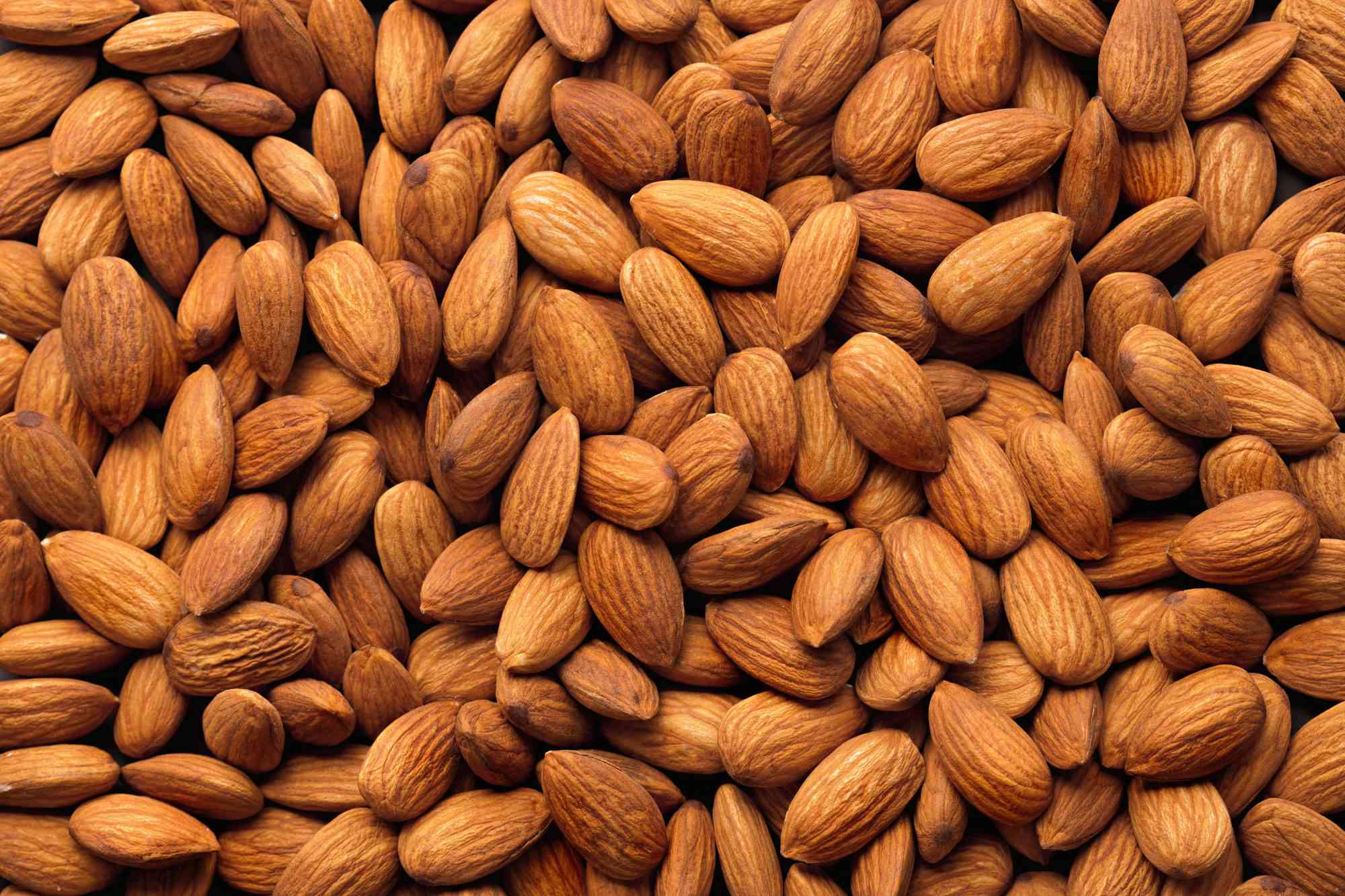
:max_bytes(150000):strip_icc():format(jpeg)/almonds-GettyImages-683814187-2000-44a06e730fac4c60a10cbb5f9642b589.jpg "Full Frame Shot Of Raw Almonds")
Credit: Getty Images
- Almonds support gut health by helping the bacteria in your intestines work better.
- Almonds support your heart health by lowering low-density lipoprotein (LDL) cholesterol and improving vascular function.
- Try adding almonds to your diet for a source of antioxidants and healthy unsaturated fats.
Almonds are a superfood with antioxidants, calcium, riboflavin, magnesium, and many other nutrients. Because of this, they offer a variety of health benefits, including for your gut and heart.
1. They Boost Gut Health
Almonds may not necessarily change the types of bacteria in your gut, but they may help your gut bacteria work better.
A 2022 study found adults who ate almonds had more butyrate than those who didn't, which suggests well-functioning gut bacteria. Butyrate is a type of fatty acid produced when your gut microbes process the dietary fiber your body can't digest.
Almonds and almond skin are considered prebiotics because they help your beneficial gut bacteria flourish. When your gut bacteria flourish, they produce more butyrate. Butyrate has a positive effect on health and may even be able to help prevent and treat some metabolic diseases.
2. They Protect Your Heart
Almonds protect your heart in several ways. The nuts have been shown to maintain or increase "good" heart-protective high-density lipoprotein (HDL) cholesterol while lowering "bad" low-density lipoprotein (LDL) levels.
Almonds help reduce blood pressure. High blood pressure, or hypertension, puts additional stress on your organs, including your heart and vascular system.
Almonds and other nuts can also improve vascular function, meaning they help blood vessels relax and reduce artery stiffness.
Don't skip out on the almonds if you have high cholesterol. Research has shown that people with high cholesterol who included almonds in their diet had reduced LDL levels while maintaining HDL levels compared with those who didn't. The almond eaters also had reductions in belly and leg fat.
3. They Provide You With Antioxidants
Almonds are packed with antioxidants like vitamin E. Vitamin E protects your body from free radicals, which can harm cells, tissues, and organs. This damage can lead to premature aging and disease.
Vitamin E also supports immunity, reduces inflammation, helps widen blood vessels to improve blood flow, and is linked to protection against neurodegenerative conditions, including Alzheimer's.
4. They Provide You With Many Nutrients
Almonds are loaded with healthy nutrients. These nuts are excellent sources of monounsaturated and polyunsaturated fats—aka the healthy fats. Unsaturated fats can help you lower your LDL cholesterol.
Magnesium is another nutrient found in large amounts in almonds. Magnesium plays a role in nerve and muscle function, keeps the heartbeat steady, and helps bones remain strong. It also supports a healthy immune system.
5. They May Help Regulate Your Weight
Almonds are some of the best nuts to consume if you're trying to manage your weight. Almonds have been shown to improve body mass index (BMI), waist circumference, and the fat that builds up around your midsection and organs.
In addition, almonds help suppress your hunger. You may find yourself eating fewer other foods as a result. Almonds can help you control your blood sugar and use more energy at rest.
6. They Support Skin Health
If you've gone through menopause, you may want to include almonds in your diet. Research on post-menopausal study participants showed that those who included almonds in their diet had fewer wrinkles and better skin color after 16 weeks.
Nutrition of Almonds
Compared to other nuts, almonds have the highest or nearly the highest amounts of fiber, protein, monounsaturated and polyunsaturated fats, magnesium, calcium, iron, and folate, among other nutrients.
In 100 grams (g) of raw almonds—about three-quarters of a cup—you'll get the following nutrients:
- Calories: about 600
- Fat: 51.1 g
- Fiber: 10.8 g
- Protein: 21.4 g
- Biotin: 57 micrograms
- Calcium: 254 milligrams (mg)
- Phosphorus: 503 mg
- Magnesium: 258 mg
- Copper: 0.91 mg
Adding salt to those almonds and roasting them gives you the following nutrients:
- Calories: about 640
- Fat: 57.8 g
- Fiber: 11 g
- Calcium: 273 mg
- Phosphorus: 456 mg
- Magnesium: 258 mg
- Copper: 0.87 mg
Risks of Almonds
There are few risks to eating almonds. Almonds can cause a serious and potentially life-threatening reaction in people with an almond allergy. Don't eat almonds if you are allergic to them or have a tree nut allergy.
Chew carefully. Almonds can be a choking hazard. Don't give whole almonds to children under 4 years of age.
Eating More Almonds
Almonds are an easy, portable snack as is. You can also drink almond milk. Almonds can also be incorporated into meals. Try the following:
- Coat baked or sautéed fruit with a crumble topping made from almond butter, a touch of maple syrup, rolled oats, and cinnamon.
- Sprinkle sliced almonds onto a salad, cooked veggies, or a stir-fry.
- Use almond butter as a dip for fresh fruit or as the base for energy balls—combined with add-ins like minced dried fruit, chopped dark chocolate, spices, and seeds.
- Use almond flour instead of bread crumbs to garnish lentil soup, spaghetti squash, or hummus, or in place of all-purpose flour in pancakes and other baked goods.
- Whip almond butter into a smoothie, and drizzle it over overnight oats.
- Toss veggies with a savory almond butter sauce made with veggie broth, minced garlic, fresh grated ginger, and crushed red pepper.
Females are recommended to get about 5 to 6.5-ounce equivalents of protein a week, and males generally need a little more, from 5.5 to 7 servings, depending on age. An ounce equivalent is the amount of food that counts as one ounce. For almonds, one ounce is equivalent to about 12 nuts.
Remember, you may want to get protein from other sources as well, and your specific dietary needs will depend on your body and nutritional goals.