Fact checked by Nick Blackmer
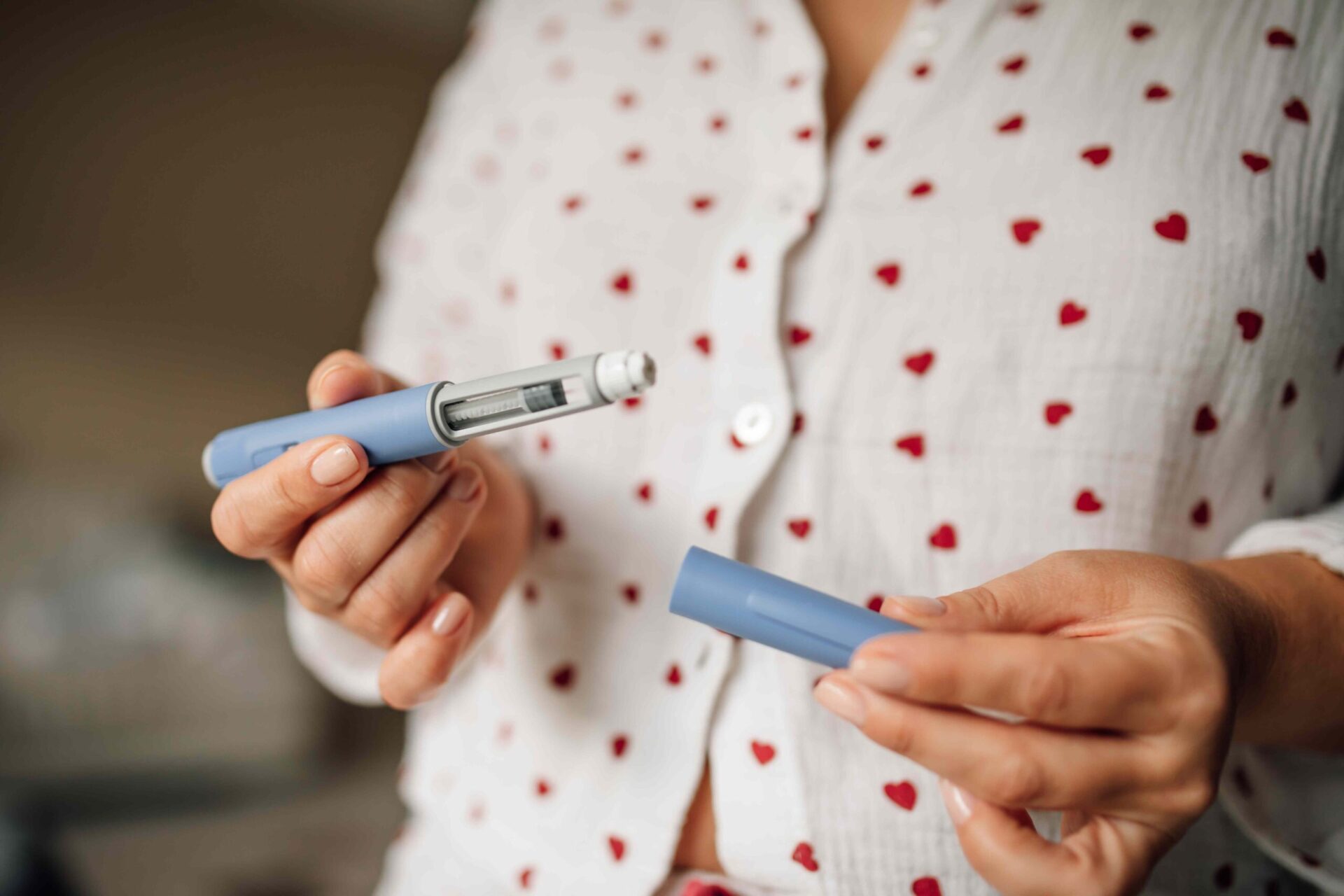
:max_bytes(150000):strip_icc():format(jpeg)/Health-GettyImages-2242656837-7ba7eeb1b08d43c681f154b32e6dc07c.jpg "Female hands holding blue insulin pen with cap removed, preparing for injection. Warm home atmosphere, focus on self-care, health maintenance, and diabetes awareness in everyday context.")
Credit: Tatsiana Volkava / Getty Images
- Although GLP-1s are intended for long-term use, many people stop taking them within a year.
- Discontinuing these medications can lead to weight regain and shifts in blood sugar.
- With a gradual taper and a focus on nutrition and lifestyle habits, it’s possible to come off GLP-1s while maintaining your progress.
Popular GLP-1 weight-loss drugs, such as Ozempic and Wegovy, are typically intended for long-term use, but research suggests that 50% to 75% of people stop taking these medications within a year. Coming off a GLP-1 too soon—whether due to cost, side effects, or reaching a goal weight—can lead to challenges like “rebound” weight gain, increased hunger, and shifts in blood sugar. Still, experts say it is possible to hang onto the health gains you’ve achieved.
Here are six expert-backed strategies for moving on from a GLP-1 while keeping your weight and overall health on track.
1. Taper Off Gradually
How you stop a GLP-1 may play a big role in maintaining your results. “I usually recommend gradual tapering under medical supervision rather than going cold turkey,” Michael Snyder, MD, medical director of the Bariatric Surgery Center at Rose Medical Center, told Health.
A slower transition gives your appetite signals and metabolism time to adjust while you solidify your post-medication lifestyle. If you’re planning to come off a GLP-1, talk with your doctor about a tapering schedule that’s best for you.
2. Prioritize Protein and Fiber
Maintaining weight loss after going off a GLP-1 isn’t just about how many calories you consume—it’s also about choosing the right nutrients. Two to prioritize: protein and fiber.
“Many high-protein, high-fiber foods naturally stimulate GLP-1 in the body, which can help support appetite control when coming off a GLP-1 medication,” said weight loss expert and nutrition writer Melissa Mitri, MS, RD.
Protein and fiber also help promote steady blood glucose levels, reducing spikes and dips throughout the day, Mitri added.
Good sources of protein include eggs, Greek yogurt, lean chicken and fish, and beans. You’ll find plenty of fiber in foods like whole grains, avocados, berries, and leafy greens.
3. Keep Up With Strength Training
As you lose weight, your resting metabolic rate naturally declines, which can make it harder to keep the weight off, Snyder said. One of the most effective ways to counter this is through strength training, which helps preserve lean, metabolically active muscle.
He typically recommends incorporating resistance training a few times per week, along with consistent aerobic activity.
“Movement not only helps with weight maintenance, but it also improves insulin sensitivity and overall cardiometabolic health,” Snyder said.
4. Incorporate Mindfulness in Meals
GLP-1s work in part by helping you feel fuller for longer. But once you discontinue one, that “fullness signal” can become less pronounced, which may lead to eating more, said hormone and weight loss specialist Peter Balazs, MD.
Still, it’s possible to reconnect with your natural hunger and fullness cues by practicing mindfulness at mealtimes. “Before eating, take a moment to assess your hunger level on a scale,” Balazs suggested. “During the meal, pause halfway through to reassess your level of fullness.” Research shows that mindful eating can support weight management and improve the quality of life for people with obesity.
5. Keep a Weight Loss-Friendly Environment
After stopping a weight loss medication, it helps to set up your environment for ongoing success. If your home or workplace makes healthy habits difficult, you may end up relying too much on willpower, Mitri said.
“For your home, try to limit sweets or other trigger foods or store them in hard-to-reach places,” she advised. “You can also place more nourishing options like fresh fruit or low-fat cottage cheese front and center so you’re more likely to grab them when hunger strikes.”
Similarly, placing a walking pad, free weights, or other exercise equipment in an easily accessible spot can serve as a reminder to stay active.
6. Maintain Medical Support
“Stopping a GLP-1 doesn’t mean the medical journey is over,” Snyder said. Regular follow-ups with your healthcare team remain important for monitoring weight trends, blood sugar, and other metabolic markers.
In addition to medical appointments, structured post-GLP-1 support programs can help catch small changes early and keep progress on track, said Tiffani Bell Washington, MD, MPH, a quadruple board-certified physician and founder of The Healthy Weigh MD. “Weight and metabolic health often improve when patients have ongoing accountability,” she said.
Who Should Wean Off of a GLP-1
GLP-1s are generally considered long-term medications. “For many patients, GLP-1 medications function as long-term treatments because obesity is a chronic condition,” Bell Washington explained. However, in some cases, doctors may recommend discontinuing use.
You might be a good candidate for tapering off a GLP-1 if you’re a so-called “super-responder.” According to Balazs, people in this category have achieved their goal weight and maintained it for six to 12 months while sustaining stable lifestyle habits.
Even if you’re not a super-responder, you might consider a gradual weaning process if you’ve reached your target weight and are metabolically healthy—meaning your blood sugar levels are normal and no longer require medication for control, Mitri said.
Additionally, people who experience intolerable side effects that outweigh the medication’s benefits may also want to discontinue a GLP-1, Balazs added.
No matter the reason for discontinuing a weight loss medication, experts stress the importance of a slow, medically supervised approach. “The key is doing it gradually and with medical supervision, while continuing the nutrition and activity strategies that supported [your] weight loss in the first place,” Snyder said.