:max_bytes(150000):strip_icc():format(jpeg)/Health-GettyImages-Flaxseeds-3eb3f34967e34562b3070566835bb7ce.jpg "A close-up of flax seeds and a wooden spoon against a clean white background")
- Black beans, dried figs, avocados, chia seeds, artichoke hearts, green peas, and raspberries provide more fiber than flaxseeds
- Many of these high-fiber foods also supply other important nutrients.
- Eating a variety of fiber-rich foods can help support digestive health and make it easier to meet the recommended daily fiber intake.
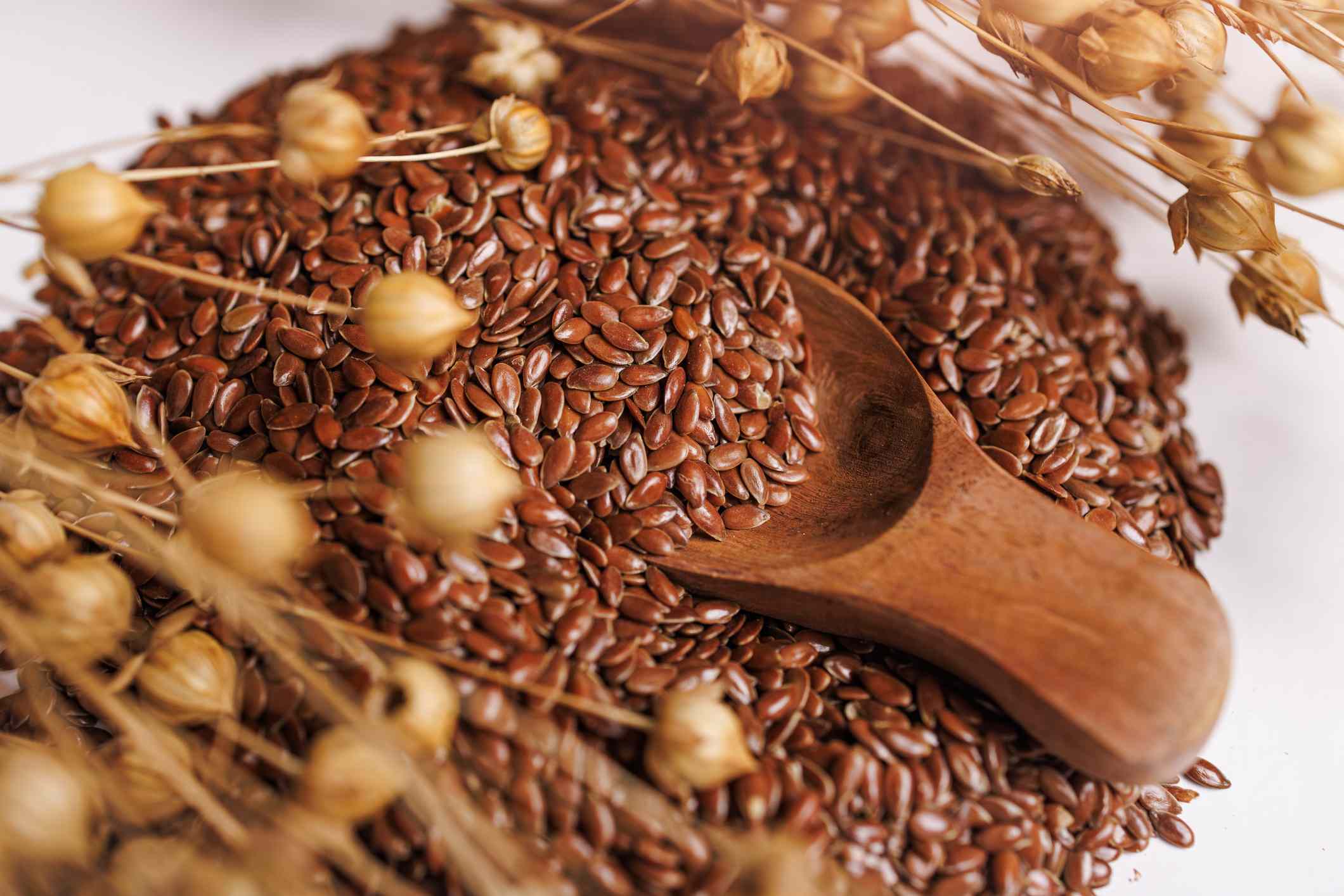
Flaxseeds are a go-to for people who are trying to increase their fiber intake. Just one ounce of flaxseeds packs 7.64 grams or 27.2% of the Daily Value (DV). But while flaxseeds are amongst the best sources of fiber you can eat, many other foods contain even more fiber per serving. Here are 7 delicious foods with more fiber than flaxseeds.
1. Artichoke Hearts

- Fiber: 9.69 grams
- Serving size: 1 cup
A cup of artichoke hearts covers 34% of the Daily Value of fiber.
Artichoke hearts are a good source of inulin, a prebiotic fiber that supports the growth of beneficial bacteria in the gut. They also offer essential minerals, like magnesium and potassium, which are both needed for healthy blood pressure regulation.
Add artichoke hearts to pasta, salads, and grain dishes or use them as a topping for pizza.
2. Black Beans

- Fiber: 15.2 grams
- Serving size: 1 cup, cooked
Legumes, like black beans, are packed with fiber. A cup of black beans covers more than half of your daily fiber needs. They’re also high in protein, which, like fiber, helps support fullness after eating by slowing digestion and stimulating the release of satiety hormones.
This makes black beans an especially good choice for people who are trying to lose weight. Black beans are also high in vitamins and minerals, like folate, copper, iron, magnesium, and potassium.
Try black beans in soups, chilis, and rice dishes, and use them to make savory dips for veggies and chips.
3. Avocados

- Fiber: 13.5 grams
- Serving size: 1 avocado (201 grams)
Avocados are an excellent source of fiber, covering 48% of your daily fiber needs. They’re high in healthy fats, vitamins C and E, and magnesium, and rich in antioxidants, including carotenoid plant pigments that protect against cellular damage.
Make a classic guacamole by mashing avocados with lime juice, salt, and chopped onion, or add sliced or diced avocados to salads, grain bowls, and smoothies.
4. Chia Seeds

- Fiber: 9.75 grams
- Serving size: 1 ounce
Like flaxseeds, chia seeds are tiny, but they pack an impressive amount of fiber. Chia seeds are also a good source of magnesium, manganese, and copper, and are high in calcium, a mineral required for bone and heart health.
Chia seeds have a unique gelling property and can be used to make delicious recipes like chia pudding. You can also sprinkle chia seeds over oatmeal and mix them into baked goods like muffins and breads.
5. Raspberries

- Fiber: 8 grams
- Serving size: 1 cup
Raspberries are one of the highest-fiber fruits you can eat.
In addition to fiber, raspberries contain an array of antioxidants, including vitamin C and anthocyanins, which are plant pigments that give these berries their bright color. These compounds have powerful cellular-protective and anti-inflammatory properties and are responsible for many of the health benefits associated with eating berries, such as raspberries.
Try adding raspberries to oatmeal, yogurt, chia pudding, and salads, or enjoying them fresh as a snack paired with a protein source, like nuts or cheese.
6. Green Peas

- Fiber content: 8.8 grams
- Serving size: 1 cup
Tasty and loved by both kids and adults, green peas are a staple in family-friendly dinners. Green peas are a great source of fiber.
Peas are also rich in protein, with a cup packing 8.6 grams. They’re also a good source of vitamins A, C, and K, plus the B vitamins folate and thiamine.
Serve green peas as a simple side dish or mix them into salads, pastas, and grain dishes.
7. Dried Figs

- Fiber: 14.6 grams
- Serving size: 1 cup
Dried figs are the ultimate high-fiber foods when you’re craving something sweet and chewy. A cup of dried figs covers over half of your daily fiber needs. Figs are also high in B6, magnesium, and calcium, making them an all-around healthy option.
Dried figs pair perfectly with other high-fiber foods. For example, make a high-fiber chia pudding by mixing in chopped dried figs or use dried figs to add some sweetness to salads.
How Much Fiber Do You Need?
Fiber plays important roles in health, from keeping your bowel movements regular and comfortable to supporting healthy blood lipid levels.
Most people don’t consume enough fiber, which can increase the risk of many diseases, including colon cancer and heart disease.
Experts recommend that adults aim for 14 grams of fiber per 1,000 calories consumed, or about 25-38 grams of fiber daily, depending on age and sex. This works out to 28 grams for a 2,000-calorie diet.
To meet your daily fiber intake goals, it’s best to include a variety of high-fiber foods, like beans, fruits, vegetables, and seeds.