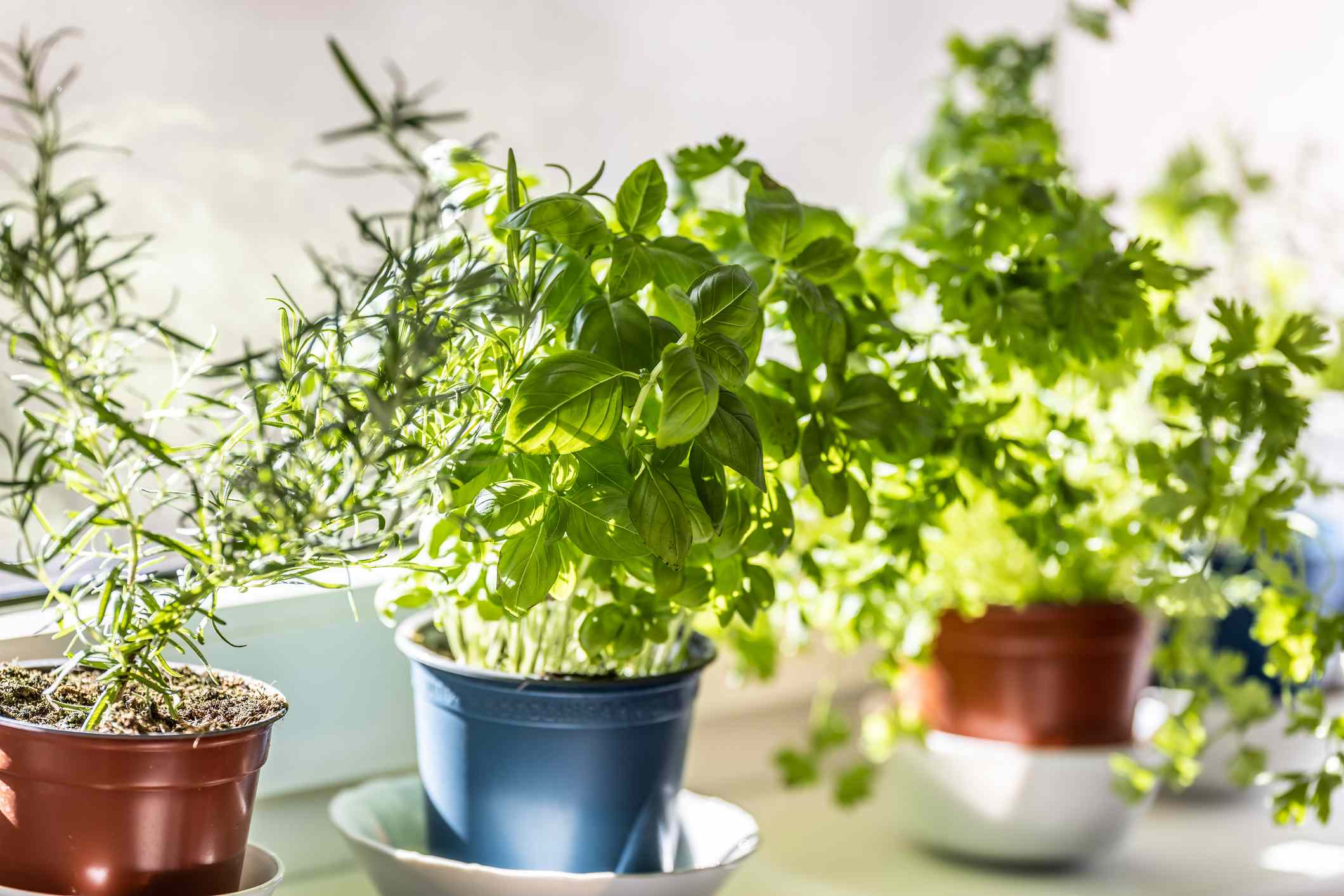
:max_bytes(150000):strip_icc():format(jpeg)/Health-GettyImages-1428384680-4c4c7aaa5b4a4c6aa4531d52a43233e8.jpg "Fresh rosemary, basil, and cilantro in pots in a sunny window")
Credit: SimpleImages / Getty Images
-
Drying concentrates magnesium and other nutrients, making many dried herbs richer sources than their fresh counterparts.
-
Herbs alone won’t meet your magnesium needs, but they can contribute to your daily intake.
-
Adding herbs to meals throughout the day is an easy way to boost flavor, antioxidants, and magnesium.
Magnesium is essential for your nerve and muscle function, immune health, sleep, and more. It’s important to eat magnesium-rich foods, like nuts and leafy greens, but adding certain herbs to your meals can also help increase your magnesium intake. Here are the herbs with the most magnesium.
1. Dried Coriander Leaf

Magnesium content: 4.16 milligrams (mg) per 1 tablespoon (tbsp)
Dried coriander leaf, also called cilantro, is one of the herbs highest in magnesium. This is partly because drying removes most of the water, making the nutrients more concentrated.
It also provides vitamins C and K, potassium, and plant compounds that help protect cells from damage.
Dried coriander leaf has a citrusy flavor and works well in soups, curries, rice dishes, and salsa.
2. Freeze-Dried Chives

Magnesium content: 1.28 mg per 1 tbsp
In addition to magnesium, chives provide vitamins A, C, and K, plus potassium and iron. They also contain sulfur compounds that have anti-inflammatory and antimicrobial properties.
Chives add a mild onion-like flavor to eggs, potatoes, soups, dips, and salads. Freeze-dried chives are more concentrated than fresh chives, so they contain more nutrients in a smaller amount.
3. Ground Sage

Magnesium content: 8.56 mg per 1 tbsp
Ground sage is another magnesium-rich herb. It also provides vitamin K and small amounts of calcium, iron, and potassium. Like other herbs, sage contains antioxidant compounds that help protect cells from damage.
Sage has an earthy, savory flavor that pairs well with poultry, roasted vegetables, beans, soups, and stuffing.
4. Fresh Basil

Magnesium content: 3.84 mg per 1/4 cup
Fresh basil is a popular herb used in pesto, pasta dishes, salads, sandwiches, and tomato-based recipes.
Along with magnesium, basil provides vitamins A and K, as well as antioxidant compounds such as rosmarinic acid. Research suggests rosmarinic acid may have antiviral and anti-inflammatory properties and could offer benefits for ulcers and arthritis.
5. Fresh Spearmint

Magnesium content: 7.18 mg per 2 tbsp
Spearmint is known for its refreshing flavor and aroma. Like basil, spearmint provides rosmarinic acid and other antioxidant compounds. It has also been studied for its potential to ease nausea and digestive discomfort.
Try adding spearmint to tea, smoothies, yogurt, fruit salads, and grain dishes for a magnesium boost.
6. Fresh Dill Weed

Magnesium content: 4.9 mg per 1 cup
Dill weed has a fresh, slightly sweet flavor and offers magnesium along with vitamins A and C.
It pairs well with fish, potatoes, vegetables, soups, and yogurt-based sauces. For the best flavor, add dill near the end of cooking or use it fresh as a garnish.
7. Dried Chervil

Magnesium content: 2.47 milligrams per 1 tbsp
Chervil is a delicate herb often used in French cooking. It has a mild flavor similar to parsley, with a hint of licorice.
In addition to magnesium, chervil provides vitamin C and antioxidant compounds. Try it in egg dishes, seafood, vegetables, soups, and sauces.






:max_bytes(150000):strip_icc():format(jpeg)/Health-GettyImages-1372030854-f6ccff4d63064d06a34168480c03d79f.jpg "A woman reads a book while holding a mug sitting on the couch with a blanket")