Fact checked by Nick Blackmer
:max_bytes(150000):strip_icc():format(jpeg)/Health-GettyImages-1173588956-ef2f3b6a48e9409e9cfb51a664f635ef.jpg "Pouring milk in the glass on the background of nature")
Credit: manusapon kasosod / Getty Images
- As people age, their bones become weaker, increasing the risk of falls.
- However, you can take several steps to keep your bones strong as you age.
- Exercising, getting regular check-ups, and prioritizing certain nutrients can all support bone health.
Many adults over 50 have osteoporosis or osteopenia, meaning their bones have weakened and become prone to fractures. These conditions are common because bone loss happens naturally with age, particularly among women. Estrogen helps keep bones strong—so when estrogen levels drop with menopause, typically around age 50, bone loss accelerates.
That doesn’t mean you should give up, said Julia Shariff, MD, an assistant professor at the Medical College of Wisconsin who specializes in osteoporosis. It is possible to maximize bone health as you age. Here’s how.
1. Eat Calcium Throughout the Day
Calcium is a core building block of bone. But the body also needs a steady level of calcium in the blood, explained Matthew Drake, MD, PhD, chief of endocrinology and metabolic bone disease at the Hospital for Special Surgery in New York.
If you don’t get enough calcium from your diet, the body gets crafty and steals calcium from bone to keep blood levels stable, Drake told Health. That’s not ideal, especially at a life stage when bones are weakening naturally.
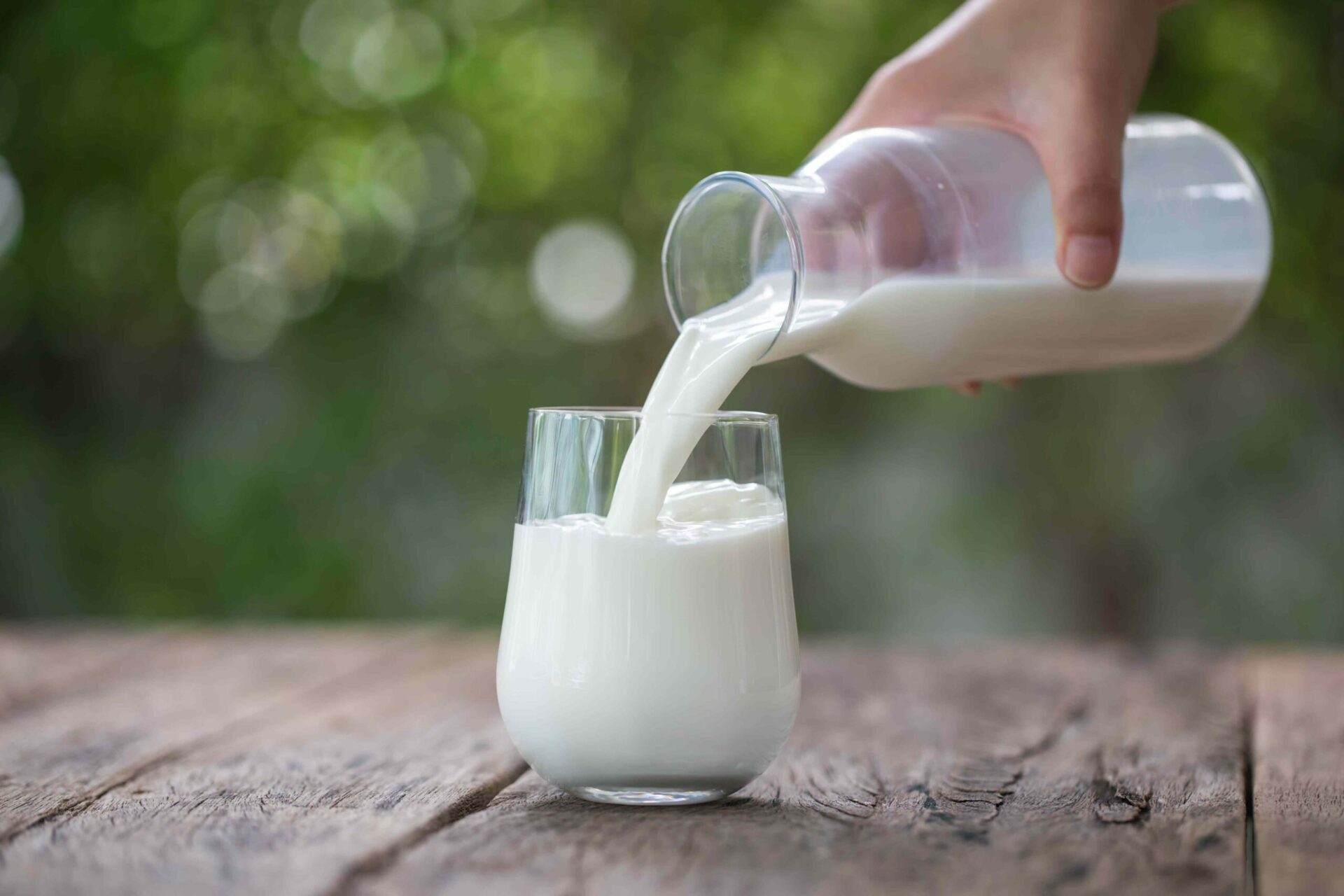
To avoid that theft, make sure you’re getting enough calcium from your diet. Women need 1,200 milligrams per day after age 50. Men need 1,000 milligrams per day until age 70, then 1,200 afterward.
“But here’s the kicker: You can’t effectively absorb more than about 400 milligrams at any single meal,” Drake said. “So each time you have a meal, there should be some source of calcium,” such as dairy, leafy greens, soy, or fortified foods.
2. Don’t Skimp on Vitamin D
Vitamin D helps your body absorb calcium, making it an important accompaniment.
Adults need 600 international units of vitamin D per day, or 800 after age 70. Sunlight and some foods, including egg yolks and fatty fish, are natural sources of vitamin D—but should you consider a supplement as well?
Not all data suggest vitamin D supplementation is beneficial, and supplements are never a cure-all. “Dietary supplements alone may not prevent fractures,” said Emma Laing, PhD, RDN, director of dietetics at the University of Georgia College of Family and Consumer Sciences.
But because many people struggle to get enough vitamin D through natural means, a supplement may be appropriate for those concerned about bone health, Drake said.
In addition, your body needs stomach acid for calcium absorption. “We make stomach acid any time we have calories,” Drake explained, so you’re covered if you’re getting calcium through food. But if you take calcium supplements, don’t have them on an empty stomach.
3. Stay Active
If you needed yet another reason to exercise, here’s one: It keeps bones strong as you age.
Bone is a “use it or lose it” substance, Drake told Health. Weight-bearing exercise—anything that requires you to support your own body weight or more—engages your skeleton and helps strengthen bone. Plus, exercise can help with balance and gait, potentially preventing falls, Shariff added.
Aim for at least an hour of daily activity, even if it’s broken up into shorter chunks throughout the day, Drake recommended. And you don’t have to go crazy: “If all you’re able to do is walk, that’s certainly better than sitting on your couch and not moving at all,” Shariff said.
4. Don’t Forget Protein
Calcium gets all the attention, but protein is important for bone health too.
Many people lose muscle mass and strength as they get older. This can actually worsen bone loss, Shariff said, because you’re likely “not putting as much tension on your bone, not exercising as much, if you don’t have that muscle strength.”
To keep your muscles strong and enable weight-bearing exercise, incorporate sources of lean protein—such as poultry, fish, legumes, yogurt, tofu, and egg whites—into your meals.
5. Limit Alcohol
“Excessive use of alcohol has been shown to decrease calcium absorption and the metabolism of vitamin D,” Laing said, and it may increase the risk of osteoporosis-related fractures. If you choose to drink, stop at one or two, Laing suggested.
6. Avoid Falls
“The number-one thing people can do to avoid a fracture, honestly, is not fall,” Drake said. “I’ve never had a single patient walk along and their wrist just broke.”
Simple things, like wearing sturdy shoes and removing trip hazards from your house, can help keep you on your feet.
“Scientists have linked inadequate sleep to disruptions in bone metabolism and an increased risk for osteoporosis,” Laing added. The reason isn’t totally clear, she said, but one possibility is that drowsy people are more likely to slip and fall.
7. See Your Doctor Regularly
“Bone health is kind of a silent thing,” Shariff said. “But it can really sneak up on us and take a lot away from us if we’re not careful.”
Bone loss typically doesn’t cause pain unless it leads to an injury, Shariff said, so don’t assume all is well if you’re symptom-free. Stay on top of proactive osteoporosis screenings, which are recommended for all women 65 and older and some younger women with specific risk factors. (There's less evidence on universal screening for men.)
Depending on the results of screening tests, your doctor may recommend medications along with lifestyle adjustments. “The type of medication that’s best for you is going to be based on the conversation you have with your doctor,” Shariff said, so don’t delay making that appointment.