Fact checked by Nick Blackmer
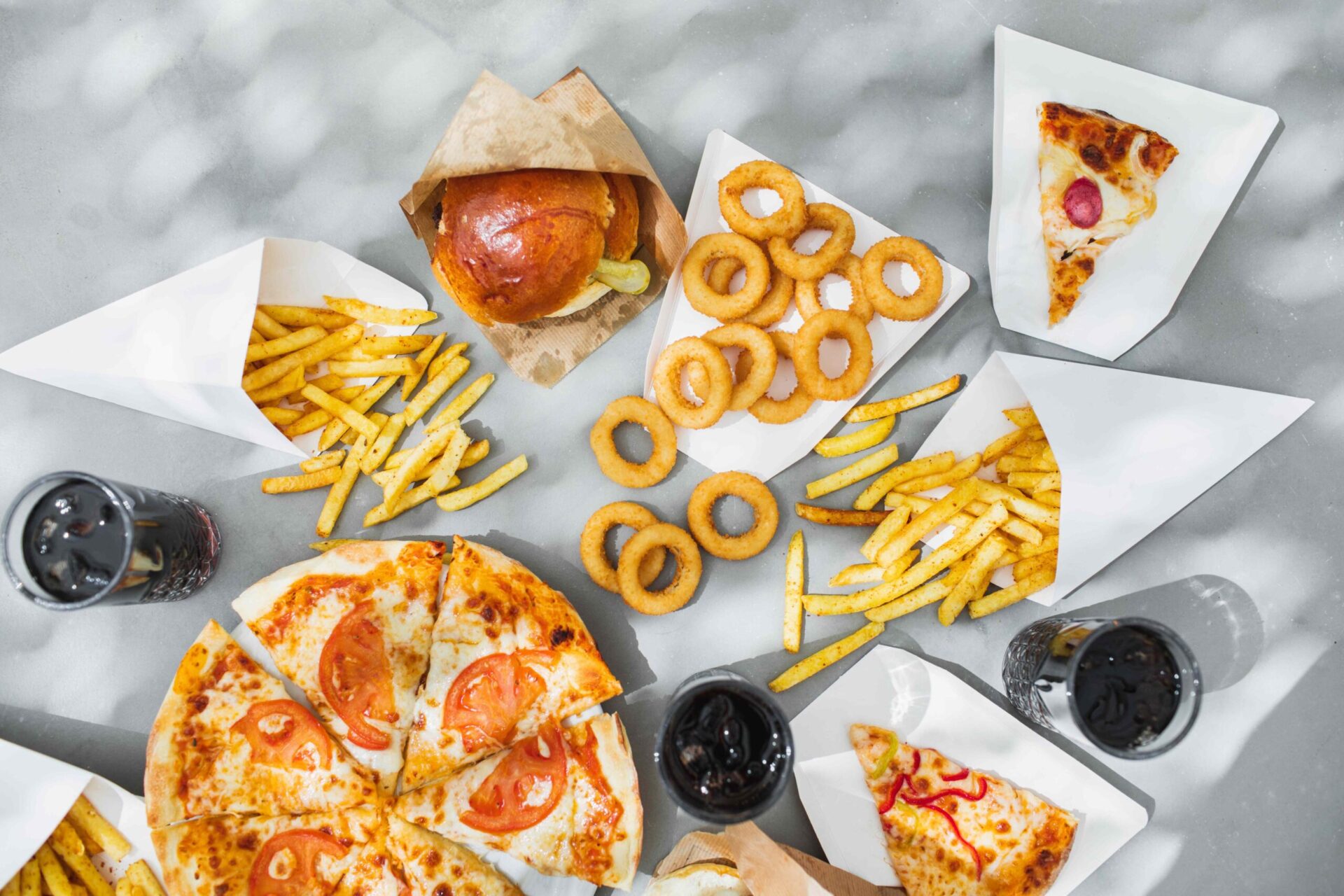
:max_bytes(150000):strip_icc():format(jpeg)/Health-GettyImages-1447398949-0f5467cadcca43129e2fe32936ad2269.jpg "Variety of fast food items including pizza fries onion rings burgers and drinks arranged on a table")
Credit: Anastasiia Krivenok / Getty Images
- Certain foods and drinks can trigger cortisol release, especially those that spike blood sugar or stimulate the nervous system.
- Common culprits include caffeine, added sugars, and ultra-processed foods.
- Moderation and balanced eating can help manage cortisol levels and reduce chronic stress on the body.
In a world of seemingly endless stressors, cortisol—the body’s primary stress hormone—has become a hot topic in health. While cortisol plays an essential role in helping your body respond to stress, chronic levels have been linked to weight gain, insulin resistance, high blood pressure, and an increased risk of heart disease. But work, life, and negative news aren’t the only stressors. Here are the top foods and drinks that can trigger cortisol release.
1. Caffeine
That double shot of espresso in the morning might give you the jolt of energy you need to tackle the day—but it may also come with a surge of cortisol. Caffeine works by blocking receptors for adenosine (the “fatigue” molecule) in your brain. This process makes you feel more alert and triggers the release of excitatory hormones, such as adrenaline and cortisol.
In a 2025 study of the cortisol response from caffeine-containing beverages, coffee was found to have the most significant impact, increasing cortisol by up to 50% above baseline levels. This was followed by energy drinks and soda, which showed a 30% increase, and tea, which had the mildest impact, a 20% increase.
2. Added Sugar
Whether from candy, ice cream, or other sweet treats, added sugar may trigger cortisol release, research suggests. This is largely because added sugar can spike your blood glucose, and those fluctuations may put stress on your body, resulting in cortisol production.
3. Juice
While natural sugars are generally considered healthy, research has also found this sugar-cortisol response in concentrated amounts of natural sugar, as you would find in fruit juice. A small 2020 study found significant cortisol responses in participants who drank 200 milliliters (or about 6.8 fluid ounces) of grape juice—a fruit juice with a higher percentage of natural sugar than other juices.
4. Refined Grains
Like other carbs, refined grains can also spike blood sugar, potentially raising cortisol. These grains have been processed to remove fiber, a much-needed nutrient that has been associated with lower cortisol levels.
Common examples of refined grains in the American diet include white bread, pasta, white rice, cereals, and pastries. To mitigate the cortisol response associated with these foods, switch to their whole-grain counterparts or pair them with foods high in fiber or protein.
5. High-Calorie Meals
Quickly consuming a large, high-calorie meal may also lead to a bump in cortisol levels. In a small 2023 study, participants who consumed a roughly 2,000-calorie meal within 15 minutes showed significant increases in cortisol. This response was likely due to the strain of processing a large amount of calories in such a short period. While most people won’t be mimicking this exact scenario, it can serve as a reminder to be mindful of portion sizes and to eat slowly.
6. Fatty Foods
Diets high in fatty foods—such as red meat, fried foods, and full-fat dairy—have also been linked to increased cortisol levels. Eating large amounts of these foods may increase inflammation in the body. Over time, chronic inflammation can disrupt the body’s stress response, potentially leading to elevated cortisol levels.
7. Ultra-Processed Foods
Ultra-processed foods, such as chips, deli meat, and soda, may also raise cortisol levels. These foods often contain added sugar, high sodium, preservatives, and additives.
Ultra-processed foods can increase inflammation and spike blood sugar, both of which can put stress on your body and raise cortisol. Some research has also found that people who eat more ultra-processed foods tend to report higher stress levels.
8. Alcohol
Alcoholic beverages, like wine, beer, and liquor, are notorious for triggering cortisol production. Studies show that having as little as one drink a day can increase cortisol levels.
This effect is even more pronounced in binge drinking, defined as at least five drinks for men or four drinks for women within two hours. During heavy drinking, the liver has to work overtime to break down alcohol, putting stress on the body and triggering cortisol. To help mitigate these effects, limit your alcohol consumption or switch to non-alcoholic options low in added sugar.