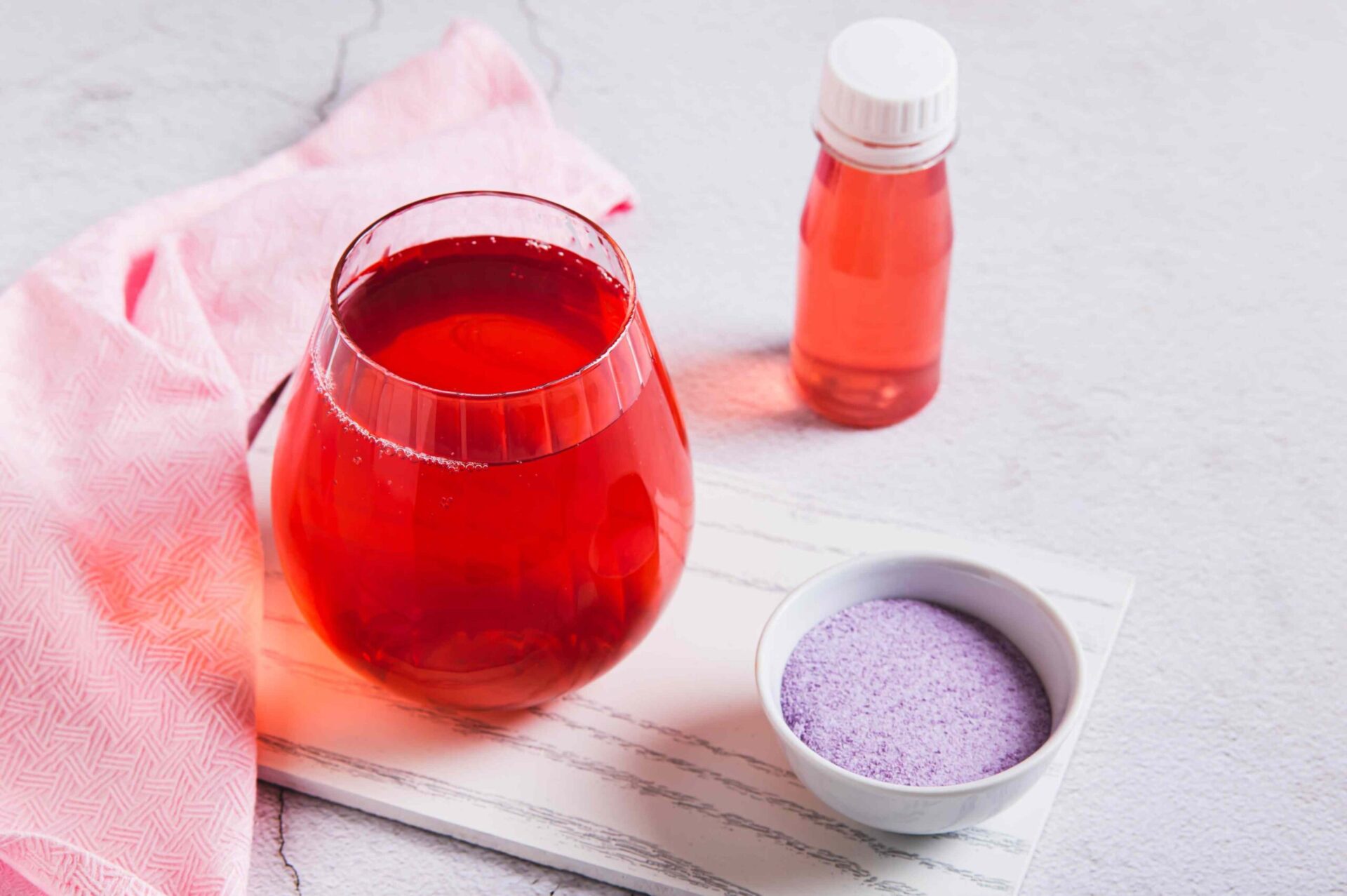
8 Drinks High in Electrolytes for Better Hydration


Choose electrolyte drinks with good electrolyte levels and natural ingredients.Credit: Elena Rui / Getty Images
Choose electrolyte drinks with good electrolyte levels and natural ingredients.
Credit: Elena Rui / Getty Images
  • Plain water is sufficient for daily hydration; electrolyte drinks are only needed after intense exercise, heat exposure, or diarrhea.
  • Sports drinks are useful only for long, strenuous activity and should otherwise be limited due to high sugar.
  • Choose electrolyte drinks with adequate electrolyte content and natural ingredients.

Electrolyte drinks are formulated to replenish sodium and potassium losses during exercise and prevent dehydration. In addition, they can help reduce fatigue and enhance recovery after a workout.

1. Infused Water

Credit: Kseniya Ovchinnikova / Getty Images

Infused water is simply water that has been enhanced with minerals like magnesium, sodium, and potassium. Some may also contain natural flavorings such as lemons and cucumber.

An older study suggested that consuming electrolyte-rich water before exercise can help your body maintain electrolyte balance and prevent dehydration after workouts.

The carbohydrate content in many electrolyte-infused waters is often very low, so it may not be suitable for athletes who need more sugar, such as those exercising at very high intensity, longer durations, or in very hot weather. 

That said, if you are looking for a low-sugar option, be sure to check the label as some “infused water” contains sugars as high as those found in sports drinks.

2. Coconut Water

Credit: samuraioasis / Getty Images

Coconut water is very rich in potassium and also contains sodium, chloride, and carbohydrates. It is the clear liquid found in a young coconut and is different from coconut milk, which is obtained by blending mature coconuts.

Coconut water has been used as an oral rehydration fluid for patients suffering from severe dehydration due to diarrhea. It has lower sugar content compared to many electrolyte drinks. 

In addition to its hydrating properties, coconut water is also rich in antioxidants, which could help protect your cells from damage that comes from prolonged exercise.

3. Sports Drinks

Credit: Alberto Marrupe Gutierrez / Getty Images

Sports drinks contain about 6% to 8% carbohydrates, which are primarily sugars. These drinks are formulated to speed rehydration, provide the body with energy during exercise, and promote overall recovery after workouts. In addition, sports drinks contain water,  vitamins, and various salts to provide electrolytes.  

Sports drinks are best for people who engage in intense and prolonged physical activity, as their high sugar content provides an immediate energy source.

If you do not engage in moderate physical activity, then sports drinks are nothing more than extra sugar for you. Consider lower-calorie or sugar-free options to replenish lost fluids or electrolytes instead. 

4. Pedialyte 

Credit: twomeows / Getty Images

Pedialyte is an oral rehydration drink containing water, electrolytes, zinc, and sugars. It’s formulated to replenish lost fluids and electrolytes, preventing dehydration. Studies suggest that Pedialyte can rehydrate the body better than water.

Pedialyte has fewer carbohydrates than sports drinks and may not be suitable for those who also need a burst of energy during exercise. 

5. Cow’s Milk

Credit: Catherine Falls Commercial / Getty Images

Cow’s milk can be a great natural alternative to sports drinks. It contains sodium, calcium, and protein, and some studies suggest that it has similar calories and carbohydrate content to classic sports drinks.

Cow’s milk may rehydrate the body even better than traditional sports drinks because of its protein content. Cow’s milk also provides energy and enhances fluid recovery after exercise.

6. Pickle Juice

Credit: Viktoriya Telminova / Getty Images

Pickle juice contains potassium, sodium, zinc, and vitamin C. It can provide hydration before and after a workout and help relieve or prevent muscle cramps.

While an effective hydrating drink, pickle juice has a very high sodium content. An 8-ounce serving contains roughly 820 milligrams of sodium. It should not be used by people with high blood pressure or those on a low-sodium diet.

7. Maple Water

Credit: Gorlov / Getty Images

Maple water, obtained from the sap of maple trees, is becoming a new alternative to boost rehydration, enhance energy, improve performance, and accelerate recovery among athletes.

Some studies also suggest that maple water can reduce muscle inflammation as it is rich in antioxidants. It is also rich in electrolytes such as calcium, potassium, carbonate, and sulfate. However, its sodium content is negligible, and some researchers believe this might explain why maple water does not feel rehydrating enough.

Maple water might not quench your thirst, so if you are using it for its fast post-workout recovery benefit, be sure to drink enough water.

8. Low-Fat Chocolate Milk

Credit: ROHE Creative Studio / Getty Images

Low-fat chocolate milk provides fluids and electrolytes that can help rehydrate you. It is rich in carbohydrates and also contains proteins, fats, and sodium, similar to many recovery beverages, which are great for post-exercise recovery.

In addition, low-fat chocolate milk contains calcium and vitamins, which support muscle growth and strength.

If you are looking for a practical and affordable alternative to other commercially available recovery drinks, then low-fat chocolate milk can be a suitable option.

What To Look For in an Electrolyte Drink

Electrolyte drinks are not created equal; the types and amounts of electrolytes, carbohydrates, and proteins in these drinks differ. 

Here are some things to prioritize (and avoid) when shopping for your next electrolyte drink.

  • Electrolyte content: Consider the electrolyte content, especially sodium, which is the main electrolyte lost through sweat. Electrolyte drinks with low sodium content might not be as hydrating, especially after an intense workout. Endurance athletes are advised to consume as much as 300 to 600 mg of sodium per hour. However, if you have high blood pressure or are placed on a low-sodium diet, avoid electrolyte drinks with high sodium content.
  • Ingredients: Prioritize electrolyte drinks made from natural or organic sources. In general, avoid beverages with artificial ingredients or colors and unnecessary additives.
  • Carbohydrates: For athletes who engage in high-intensity or prolonged exercise, electrolyte drinks with sufficient carbs might be needed to boost energy levels. Otherwise, avoid electrolyte drinks with high sugar levels.
  • Purpose: If you just want to hydrate, choose light electrolyte drinks like coconut water. If you are looking for an energy boost, sports drinks may be more appropriate.




Source link

Leave a Reply

Subscribe to Our Newsletter

Get our latest articles delivered straight to your inbox. No spam, we promise.

Recent Reviews


Medically reviewed by Robert Burakoff, MD

Drinking herbal tea and winding down with a relaxing activity can help soothe your gut at night.Credit: Drazen Zigic / Getty Images
Drinking herbal tea and winding down with a relaxing activity can help soothe your gut at night.
Credit: Drazen Zigic / Getty Images
  • Small habits in the evening can influence your gut health.
  • Eating a Mediterranean-style dinner, drinking a cup of herbal tea, and taking an after-dinner walk are simple ways to support your gut health in the evening.
  • Stress management, a regular bedtime routine, and getting seven to nine hours of sleep each night help anchor your circadian rhythm, which may keep your gut bacteria balanced.

Gut health is something you can work at improving at all hours of the day. Here are seven simple habits you can do in the evening hours to support gut health.

1. Have a Mediterranean Dinner

Following the basics of the Mediterranean diet at dinner could support your gut health in the evening and beyond. This includes:

  • Fresh fruits and vegetables
  • Legumes
  • Whole grains
  • Poultry
  • Fish
  • Healthy fats, like olive oil

The foods you eat determine the makeup of your gut microbiome, or the system of microorganisms that live in your gastrointestinal tract. Whole foods and minimally processed foods contain nutrients, such as fiber, vitamins, and minerals, that support a balanced gut.

The Mediterranean diet is known for its health benefits, including reduced inflammation and improved overall health. Research also shows that the diet has a positive impact on the gut. People who followed a Mediterranean diet were found to have more microorganisms in their gut compared to people who ate a diet higher in sugar, fat, and salt.

2. Finish Eating 2-3 Hours Before Bed

Eating too close to bedtime could disrupt your sleep and impact gut health. A meal that isn't fully digested can cause unpleasant digestive symptoms, especially if you're prone to indigestion. While there are no rules about when to stop eating before bed, finishing your last full meal two to three hours before bedtime can give your body enough time to digest.

New, early research suggests that eating late at night may negatively affect the gut. The researchers found connections between stress, late-night eating, and bowel issues. Those who had both high stress and late-night eating patterns were 2.5 times more likely to also report bowel problems and have lower gut microbiome diversity.

If you need a snack after dinner, opt for foods that have protein, fiber, or healthy fats, including:

  • Fruits, like berries or kiwi
  • Low-fat yogurt
  • Nuts
  • While grains
  • Fermented foods like kimchi, kefir, or kombucha

3. Take a Walk After Dinner

An evening stroll can have benefits beyond getting in your daily steps. It could also help your body move food through the digestive system.

You don't have to walk for that long, either. In one four-week study, researchers found that a 10-15-minute walk after a meal was more effective than a prokinetic medication for easing bloating and discomfort in adults who regularly experience bloating.

If you can't walk around the neighborhood, even standing up and moving your body around the room could help.

4. Have a Cup of Herbal Tea

Sipping a caffeine-free herbal tea in the evening can be a relaxing ritual. Certain teas, including ginger and peppermint tea, can also help with digestion and ease unpleasant symptoms such as gas and bloating.

Ginger is known for easing stomach discomfort. Drinking ginger tea can help with gas and bloating because ginger reduces constipation and the breakdown of undigested nutrients in the gut. You can buy dried ginger tea in a bag or make it from fresh ginger. It's generally considered safe to drink in moderate amounts daily.

Peppermint can help with cramping and bloating. The tea is made from peppermint leaves and is generally considered safe. One thing to note is that peppermint can also trigger indigestion, so if you're prone to heartburn, it might not be a good choice.

5. Pick a Wind-Down Practice

The brain and gut are connected. Stress affects gut health, and higher stress levels are linked to stomach issues such as nausea, constipation, and diarrhea. When your stress hormones are high, it can lead to increased gut inflammation and potentially an imbalance in gut bacteria.

Choosing a relaxing activity to practice in the evenings could help lower your stress, which can also benefit your gut. Try a mind-body or mental health practice, such as:

  • Meditation
  • Breathing exercises
  • Yoga
  • Journaling
  • Gratitude affirmations

Some evidence suggests that slow, deep breathing has positive impacts on the gut, such as improving symptoms in people with irritable bowel syndrome (IBS).

6. Keep Bedtime Consistent

Having a regular bedtime routine can help you get more consistent sleep, which may also positively affect your gut. Research suggests that changes to your sleep cycle can affect your gut microbiome. Keeping a regular sleep and wake time anchors the circadian rhythm. Even a few days of irregular sleep could impact your gut.

While researchers are still learning about the complex connection between the gut and sleep, it appears as though sleep disturbances can change the gut's makeup and function. Setting a regular bedtime and wake time and sticking to it as closely as possible could benefit your gut health.

7. Get Enough Sleep

Something as simple as regularly getting enough sleep could have a big impact on your gut health. Experts recommend that adults get between seven and nine hours of sleep each night. Sleeping less than seven hours could put you at risk for health issues.

Shorter sleep time can affect the gut microbiome, potentially causing an imbalance that could lead to inflammation and metabolic problems.

The relationship between sleep and your gut seems to work both ways. Just as poor sleep can negatively affect gut health, an unbalanced gut may contribute to sleep troubles. If you're not consistently getting the recommended amount of sleep and aren't able to improve your sleep with at-home habits, it might be worth asking a healthcare provider for help.


Source link