March Madness 2026: How to Watch the First Round Without Cable


When to watch the First Round

  • Saturday, March 21 (women’s)

When to watch the Second Round

  • Saturday and Sunday, March 21 and 22 (men’s)
  • Sunday and Monday, March 22 and 23 (women’s)

See at DirecTV

DirecTV

Carries every channel for March Madness

DirecTV MySports package

Where to watch 

  • The men’s First and Second Round will be broadcast across CBS, TNT, TBS and TruTV and streams on HBO Max.
  • The women’s First and Second Round will be broadcast on ESPN, ESPN2, ESPNU, ESPNews and streams on ESPN Unlimited.

NCAA March Madness is here! It’s been almost a year since the Florida Gators won the men’s basketball championship and the UConn Huskies earned the women’s title, and both teams have snagged top seeds at the 2026 NCAA tournament, too. The Gators find themselves sharing the No. 1 spot with Duke, Michigan and Arizona, while the women’s Huskies are joined by Texas, South Carolina and UCLA in the top four. At this stage of the tournament, all the top seeds are still in, although a few early upsets have seen teams like BYU and Wisconsin departing the men’s competition in the First Round. 

By contrast, there haven’t been any major upsets in the women’s First Round, which continues through Saturday. The women’s Second Round begins Sunday. The women’s First and Second Rounds air on ESPN, ESPN2, ESPNU and ESPNews and stream on ESPN Unlimited. The men’s Second Round takes place Saturday and Sunday and games will be spread across CBS, TBS, TNT and TruTV and will stream on HBO Max or Paramount Plus. 

Here’s a breakdown of every team that’s playing, how to watch and everything else you need to know.

When is March Madness 2026?

March Madness 2026 began Tuesday, March 17, with the men’s First Four games. The women’s First Four took place Wednesday, March 18, and Thursday, March 19. Games will run through the rest of March and into early April; the women’s championship final is scheduled for April 5, the men’s for April 6.

Watch March Madness without cable

Women’s March Madness games will air across ABC, ESPN, ESPN2, ESPNU and ESPNews. Every First Four game of the women’s tournament will be broadcast on ESPN2 and ESPN Unlimited. Men’s March Madness games will be split among CBS, TBS, TNT and truTV. You can catch every men’s First Four game on TruTV via HBO Max.

ESPN

ESPN Unlimited is ESPN’s comprehensive, standalone streaming service. For $30 per month, you can watch every women’s March Madness game all in one place. Read our review of ESPN Unlimited.

Zooey Liao/CNET

With HBO Max, you can stream 46 games in the men’s March Madness tournament, including the Final Four and the Championship Final. And with HBO Max’s multiview experience, you can stream up to three matchups simultaneously. Live sports are only available on HBO Max’s Standard ($18.50 per month) and Premium ($23 a month) plans.

James Martin/CNET

You’ll be able to watch select games from the First Round to the Elite Eight live on CBS, which streams on Paramount Plus Premium. A subscription typically costs $14 a month, but now through March 31, new customers and select returning customers can get their first two months for just $3 a month.

Watch March Madness with a live TV streaming service

Don’t want to subscribe to multiple streaming services to watch March Madness? That’s understandable. There are a few live TV streaming services where you can watch most or all of the men’s and women’s tournaments all in one place. Each of them offers a free trial

The men’s games will be on CBS, TBS, TNT and TruTV, and women’s games will be carried across ABC, ESPN, ESPN2, ESPNU and ESPNews. With a subscription to DirecTV, Hulu Plus Live TV or YouTube TV,  you can watch every channel that’s broadcasting the men’s and women’s tournaments.

We’ll note that Fubo offers major sporting events and even includes access to ESPN Unlimited. It doesn’t carry TBS, TNT or TruTV, making it a less ideal option for watching the men’s tournament.

James Martin/CNET

YouTube TV costs $83 per month and includes CBS, TBS, TNT and truTV for the men’s tournament and ESPN’s suite of channels for the women’s tournament. Right now, you can sign up for YouTube TV and get your first two months for $60/month, and there is a free 21-day trial.

Not every local channel is available in every market, so you’ll need to make sure the networks broadcasting the 2026 tournament are offered in your area. Plug in your ZIP code on its welcome page to see which local networks you get.

Read our YouTube TV review.

James Martin/CNET

Hulu with Live TV costs $90 a month and features every channel you need to watch both March Madness tournaments. On its live news page, you can enter your ZIP code under the “Can I watch local news in my area?” question at the bottom of the page to see which local channels you get.

Read our Hulu with Live TV review.

James Martin/CNET

DirecTV’s MySports package costs $70 a month and includes ABC, CBS, ESPN Unlimited, TBS, TNT and TruTV, which means it’s one of the most comprehensive places to watch every March Madness game. Use the channel lookup tool to see which local channels are available where you live. Read our DirecTV MySports review.

Fubo

Fubo’s sports package costs $46 for your first month after the free trial. Like the primary Fubo packages, it offers ABC, CBS and a subscription to ESPN Unlimited. Fubo’s Pro plan costs $74 a month and includes ABC, CBS and access to ESPN Unlimited. Fubo is currently offering the first month for $49 on the Pro plan. Click here to see which local channels you get. 
Read our Fubo review.

For more, check out our live TV streaming services guide and our recommendations for the best sports streaming services.

March Madness tournament schedule:

Men’s March Madness schedule

  • First Four: Tuesday-Wednesday
  • First Round: Thursday-Friday
  • Second Round: Saturday-Sunday
  • Sweet 16: March 26-27
  • Elite Eight: March 28-29
  • Final Four: April 4
  • National Championship: April 6, 8:30 p.m. ET (TBS)

Women’s March Madness schedule

  • First Four: Wednesday-Thursday
  • First round: Friday-Saturday
  • Second round: Sunday-Monday
  • Sweet 16: March 27-28
  • Elite Eight: March 29-30
  • Final Four: April 3 at 7 p.m. ET (Second semifinal starts 30 minutes after the first game ends.)
  • NCAA championship game: April 5 at 3:30 p.m. ET (ABC)

March Madness men’s individual game schedule:

All times Eastern. For completed games, the winning team is in bold. 

First Four:

Tuesday

  • 6:40 p.m.: No. 16 UMBC (83) vs. (86) No. 16 Howard (TruTV)
  • 9:10 p.m.: No. 11 Texas (68) vs. (66) No. 11 NC State (TruTV)

Wednesday

  • 6:40 p.m.: No. 16 Prairie View A&M (67) vs. (55) No. 16 Lehigh (TruTV)
  • 9:10 p.m.: No. 11 Miami (Ohio) (89) vs. (79) No. 11 SMU (TruTV)

First Round:

Thursday

  • 12:15 p.m.: No. 8 Ohio State (64) vs. (66) No. 9 TCU (CBS)
  • 12:40 p.m.: No. 4 Nebraska (76) vs. (47) No. 13 Troy (TruTV)
  • 1:30 p.m.: No. 6 Louisville (83) vs. (79) No. 11 South Florida (TNT)
  • 1:50 p.m.: No. 5 Wisconsin (82) vs. (83) No. 12 High Point (TBS)
  • 2:50 p.m.: No. 1 Duke (71) vs. (65) No. 16 Siena (CBS)
  • 3:15 p.m.: No. 5 Vanderbilt (78) vs. (68) No. 12 McNeese (TruTV)
  • 4:05 p.m.: No. 3 Michigan State (92) vs. (67) No. 14 North Dakota State
  • 4:25 p.m.: No. 4 Arkansas (97) vs. (78) No. 13 Hawaii (TBS)
  • 6:50 p.m.: No. 6 North Carolina (78) vs. (82) No. 11 VCU (TNT)
  • 7:10 p.m.: No. 1 Michigan (101) vs. (80) No. 16 Howard (CBS)
  • 7:25 p.m.: No. 6 BYU (71) vs. (79) No. 11 Texas (TBS)
  • 7:35 p.m.: No. 7 Saint Mary’s (50) vs. (63) No. 10 Texas A&M (TruTV)
  • 9:25 p.m.: No. 3 Illinois (105) vs. (70) No. 14 Penn (TNT)
  • 9:45 p.m.: No. 8 Georgia (77) vs. (102) No. 9 Saint Louis (CBS)
  • 10 p.m.: No. 3 Gonzaga (73) vs. (64) No. 14 Kennesaw State (TBS)
  • 10:10 p.m.: No. 2 Houston (78) vs. (47) No. 15 Idaho (TruTV)

Friday

  • 12:15 p.m.: No. 7 Kentucky (89) vs. (84) No. 10 Santa Clara (CBS)
  • 12:40 p.m.: No. 5 Texas Tech (91) vs. (71) No. 12 Akron (TruTV)
  • 1:35 p.m.: No. 1 Arizona (92) vs. (58) No. 16 LIU (TNT)
  • 1:50 p.m.: No. 3 Virginia (82) vs. (73) No. 14 Wright State (TBS)
  • 2:50 p.m.: No. 2 Iowa State (108) vs. (74) No. 15 Tennessee State (CBS)
  • 3:15 p.m.: No. 4 Alabama (90) vs. (70) No. 13 Hofstra (TruTV)
  • 4:10 p.m.: No. 8 Villanova (76) vs. (86) No. 9 Utah State (TNT)
  • 4:25 p.m.: No. 6 Tennessee (78) vs. (56) No. 11 Miami (Ohio) (TBS)
  • 6:50 p.m.: No. 8 Clemson (61) vs. (67) No. 9 Iowa (TNT)
  • 7:10 p.m.: No. 5 St. John’s (79) vs. (53) No. 12 Northern Iowa (CBS)
  • 7:25 p.m.: No. 7 UCLA (75) vs. (71) No. 10 UCF (TBS)
  • 7:35 p.m.: No. 2 Purdue (104) vs. (71) No. 15 Queens (TruTV)
  • 9:25 p.m.: No. 16 Prairie View A&M (55) vs. (114) No. 1 Florida (TNT)
  • 9:45 p.m.: No. 4 Kansas (68) vs. (60) No. 13 Cal Baptist (CBS)
  • 10 p.m.: No. 2 UConn (82) vs. (71) No. 15 Furman (TBS)
  • 10:10 p.m.: No. 7 Miami (80) vs. (66) No. 10 Missouri (TruTV)

Second Round:

Saturday 

  • 12:10 p.m.: No. 1 Michigan vs. No. 9 Saint Louis (CBS)
  • 2:45 p.m.: No. 3 Michigan State vs. No. 6 Louisville (CBS)
  • 5:15 p.m.: No. 1 Duke vs. No. 9 TCU (CBS)
  • 6:10 p.m.: No. 2 Houston vs. No. 10 Texas A&M (TNT)
  • 7:10 p.m.: No. 3 Gonzaga vs. No. 11 Texas (TBS)
  • 7:50 p.m.: No. 3 Illinois vs. No. 11 VCU (CBS)
  • 8:45 p.m.: No. 4 Nebraska vs. No. 5 Vanderbilt (TNT)
  • 9:45 p.m: N0. 4 Arkansas vs. No. 12 High Point (TBS)

Sunday

  • 12:10 p.m.: No. 2 Purdue vs. No. 7 Miami (Fla.) (CBS)
  • 2:45 p.m.: No. 2 Iowa State vs. No. 7 Kentucky (CBS)
  • 5:15 p.m.: No. 4 Kansas vs. No. 5 St. John’s (CBS)
  • 6:10 p.m.: No. 3 Virginia vs. No. 6 Tennessee (TNT)
  • 7:10 p.m.: No. 1 Florida vs. No. 9 Iowa (TBS)
  • 7:50 p.m.: No. 1 Arizona vs. No. 9 Utah State (TruTV)
  • 8:45 p.m.: No. 2 UConn vs. No. 7 UCLA (TNT)
  • 9:45 p.m.: No. 4 Alabama vs. No. 5 Texas Tech (TBS)

March Madness women’s individual game schedule:

All times Eastern.

First Four:

Wednesday

Thursday

First Round:

Friday

  • 11:30 a.m.: No. 3 Duke (81) vs. (64) No. 14 Charleston (ESPN2)
  • 12 p.m.: No. 3 TCU (86) vs. (40) No. 14 UC San Diego (ESPN)
  • 1:30 p.m. ET: No. 8 Oregon (70) vs. (62) No. 9 Virginia Tech (ESPN2)
  • 2 p.m.: No. 6 Baylor (67) vs. (62) No. 11 Nebraska/Richmond (ESPN)
  • 2:30 p.m.: No. 6 Washington (72) vs. (64) No. 11 South Dakota State (ESPN News)
  • 3 p.m.: No. 5 Maryland (99) vs. (67) No. 12 Murray State (ESPNU)
  • 3:30 p.m.: No. 5 Ole Miss (81) vs. (66) No. 12 Gonzaga (ESPN2)
  • 4 p.m.: No. 1 Texas (87) vs. (45) No. 16 Missouri State (ESPN)
  • 5:30 p.m.: No. 2 Michigan (83) vs. (48) No. 15 Holy Cross (ESPN2)
  • 5:30 p.m.: No. 4 North Carolina (82) vs. (51) No. 13 Western Illinois (ESPN News)
  • 6 p.m.: No. 2 LSU (116) vs. (58) No. 15 Jacksonville (ESPN)
  • 6 p.m.: No. 4 Minnesota (75) vs. (58) No. 13 Green Bay (ESPNU)
  • 7:30 p.m.: No. 5 Michigan State (65) vs. (62) No. 12 Colorado State (ESPN News)
  • 8 p.m.: No. 7 NC State (10) vs. (61) No. 10 Tennessee (ESPN)
  • 8:30 p.m.: No. 7 Texas Tech (57) vs. (52) No. 10 Villanova (ESPNU)
  • 10 p.m.: No. 4 Oklahoma (89) vs. (59) No. 13 Idaho (ESPN)

Saturday

  • 11:30 p.m.: No. 3 Ohio State vs. No. 14 Howard (ESPN2)
  • 12 p.m.: No. 3 Louisville vs. No. 14 Vermont (ESPN)
  • 1 p.m.: No. 1 South Carolina vs. No. 16 Samford/Southern (ABC)
  • 1:30 p.m.: No. 7 Georgia vs. No. 10 Virginia/Arizona State (ESPN2)
  • 2 p.m.: No. 6 Notre Dame vs. No. 11 Fairfield (ESPN)
  • 2:30 p.m.: No. 5 Kentucky vs. No. 12 James Madison (ESPNU)
  • 2:30 p.m.: No. 6 Alabama vs. No. 11 Rhode Island (ESPN News)
  • 3 p.m.: No. 1 UConn vs. No. 16 UTSA (ABC)
  • 3:30 p.m.: No. 8 Clemson vs. No. 9 USC (ESPN2)
  • 4 p.m.: No. 2 Iowa vs. No. 15 Fairleigh Dickinson (ESPN)
  • 5 p.m.: No. 4 West Virginia vs. No. 13 Miami (Ohio) (ESPNU)
  • 5:30 p.m.: No. 8 Iowa State vs. No. 9 Syracuse (ESPN2)
  • 7 p.m.: No. 2 Vanderbilt vs. No. 15 High Point (ESPN News)
  • 7:30 p.m.: No. 8 Oklahoma State vs. No. 9 Princeton (ESPN2)
  • 9:30 p.m.: No. 7 Illinois vs. No. 10 Colorado (ESPN2)
  • 10 p.m.: No. 1 UCLA vs. No. 16 California Baptist (ESPN)

Second Round:

Sunday

  • 12 p.m.: No. 4 North Carolina vs. No. 5 Maryland (ESPN)
  • 1 p.m.: No. 2 Michigan vs. No. 7 NC State (ESPN)
  • 2 p.m.: No. 4 Minnesota vs. No. 5 Ole Miss (ESPN)
  • 3 p.m.: No. 2 LSU vs. No. 7  Texas Tech (ABC)
  • 4 p.m.: No. 3 Duke vs. No. 6 Baylor (ESPN)
  • 6 p.m.: No. 1 Texas vs. Np. 8 Oregon (ESPN)
  • 8 p.m.: No. 5 Michigan State vs. No. 4 Oklahoma (ESPN)
  • 10 p.m.: No. 3 TCU vs. No. 6 Washington (ESPN)


Source link

Leave a Reply

Subscribe to Our Newsletter

Get our latest articles delivered straight to your inbox. No spam, we promise.

Recent Reviews


SCCM Client Installation – Table of Content

Introduction to SCCM

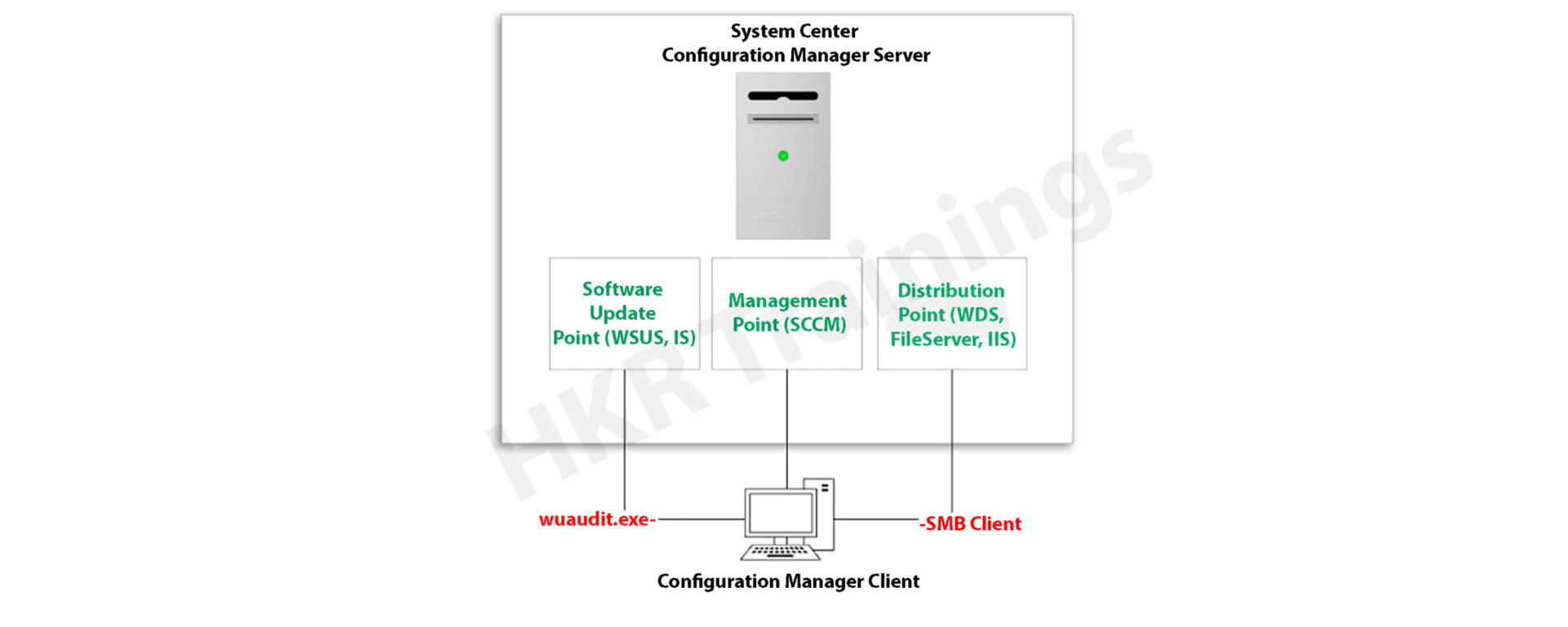
Microsoft System Center Configuration Manager (SCCM), a modern product from Microsoft, is designed to streamline the management and updating of software products. SCCM stands out for its highly adaptable, automated approach to deploying and configuring various devices, including desktops and laptops, starting from any initial state, such as bare-metal deployments. This tool empowers IT admins by offering an end-to-end solution for Windows installation and configuration. It simplifies the delivery of apps, patches, and security updates through a unified distribution system. 

A standout feature of SCCM is its capacity to manage many computers running various OS like Windows, Linux, UNIX, and iOS, demonstrating its versatility in diverse IT environments.

Get ahead in your career by learning SCCM through hkrtrainings Microsoft SCCM Online Course

SCCM Client Installation

SCCM: Installation Guide

The installation process for SCCM 2012 R2 is outlined in a series of steps crafted to simplify the user experience. The process begins with setting up the primary server and accompanying SQL server, typically housed on the same device.

Step1: Prepare active directory for configuration manager

a) Create the system management container:

Please navigate to the domain controller, load the ADSI file, and edit it. In the system OU, create a new object named ‘System Management.’

Complete the wizard, closing the ADSI editor. Grant control of the system to the configuration system server for the new system configurator object.

Create the system management container

Choose the container and click next.

container

Enter the name of system management and click next

system management

b)Complete the wizard browser and close the ADSI editor.

Now pass the system control to the configuration system server to the newly created system configurator object, this can be done by using the navigation, choose the folder -> existing object -> create the new objects.

wizard browser

ADSI

Check all the boxes (use the right tick) and complete the browser wizard.

Step2: Extend the system configuration Schema:

Navigate to \SMSSetup\bin\x64, accessing the folder controlling the system schema rules. Ensure the account used is a member of the AD admins’ group. Run Extadsch.exe as an admin and verify the successful extension in the Extadsch.log file.

system configuration Schema

Log into Extadsch.log file-> it will take you to the root, C: Drive. Check for the entry then you will notify with a message as “successfully extended to the active schema director”.

<02-02-2013 23:21:22=””> successfully extended the schema directory.

To check the activity of extadsch.exe -> go to the directory file “ConfigMgr_ad_schema.idf” that is located in the same folder in the system.

Step 3: Install the Site server prerequisites:

Essential SCCM site server management components include BITS, Remote Differential Compression, .NET Framework 3.5, and IIS components.

a. BITS

b. Access the remote differential compression

c. .NET framework 3.5

d. IIS components.

Step 4: Install the window assessments and Deploy kits (Windows ADK):

Download ADK 8.1 and follow the installation steps, including running the adksetup.exe file, accepting licenses, and choosing components like User State Migration Tools and Windows Deployment Tools.

a. Run the executable file adksetup.exe file -> accept the license agreements -> it will download and install the.Net framework 4.5.

Install the window assessments

Now restart the system when you accessed,

restart

If you have any doubts on SCCM, then get them clarified from SCCM Industry experts on our SCCM Tutorial !

SCCM Training

  • Master Your Craft
  • Lifetime LMS & Faculty Access
  • 24/7 online expert support
  • Real-world & Project Based Learning

After that system setup will resume-> accept the default location-> click next.

system setup

Select to join the CEIP -> click next

join the CEIP

Now accept the license agreements

Install the component and click the “install” button

  • User state migration tools
  • Windows deployment tools
  • Windows pre installment environment (windows PE).

install

installl

Once they complete the installation and click close.

installation and click close

HKR Trainings Logo

Subscribe to our YouTube channel to get new updates..!

Step 5: Install the SQL server:

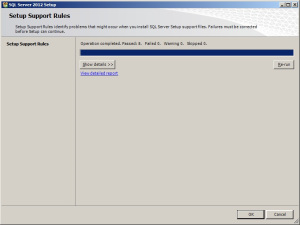
For the SCCM database, install SQL Server 2012 by running the setup.exe file and following the installation wizard.

Run the executable file -> setup.exe

Install stand-alone SQL database server

Install the SQL server

Click OK-> it will open the new browser;

open the new browser

Install the product key -> run in evaluation mode -> click next

product key

Accept the SQL license agreement -> click next -> add any product updates-> click next -> now it’s time to choose the installation features -> click next

                                   Check out here for frequently asked  SCCM Interview Questions & Answers

Set SQL to run with adding an appropriate domain name, network service, and local system account.

Step6: Install the SCCM R12:

Execute the splash.hta file and follow the guided installation process. It includes selecting the primary site installation, entering the license key, and configuring SQL database server settings.

1. Run the splash.hta -> click install

Install the SCCM R12

Now click next

click next

Choose to install the primary site-> click next

primary site

Enter the license key->click next

Now accept the license key -> click next

license key

SCCM Training

Weekday / Weekend Batches

 Accept the pre-required license agreement->click next

 license agreement

Create any file solder to store the installation updates and Store the SCCM executable file in any folder-> click next

SCCM executable file

Updates will download -> installation begins-> select any language for the SCCM server-> click next.

Choose any client language-> click next-> enter the 3 digit site code and add the description.

Choose to run SCCM installation as a stand-alone -> click next

SCCM installation as a stand-alone

Click yes to accept -> select the default database server configuration-> click next.

Now specify the path to store the SQL database server and log files-> click next to set the current server -> set the configure the communication on each site system role”-> next install both MP and DP -> site server -> SCCM will begin the installation-> close the browser when it completes.

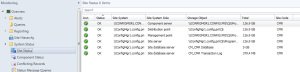
Launch the SCCM console -> make sure that all the database entries you have done are right -> start monitoring the workspace -> site status.

Launch the SCCM console

This finishes the installation process of SCCM.

Functionalities of SCCM:

The updated version of SCCM software adds much functionality to the applications. Let me explain them one by one;

Site infrastructure:

Supports Microsoft Office 365 file updates and features keyboard shortcuts for easy navigation within the configuration manager.Under the site infrastructure we can see the following features;

  • Site infrastructure’s client peer cache will support the updating of files for Microsoft office 365 and distributed express installed files for configuration of Microsoft Windows 10.
  • With the addition to this, there are few functionalities available such as,
  1. Ctrl + D -> this keyword indicates the detailed panel
  2. Ctrl +I -> this keyword indicates the breadcrumb bar
  3. Ctrl + L -> this keyword indicates the search field
  4. Ctrl + M -> this keyword indicates the main central panel
  5. Ctrl + T -> this indicates the top node in the navigation panel.
  • This central administration site and primary configuration sites both include the configuration manager updates. Rest tolls will be used for downloading or replicating problems.
  • With the help of this update, the configuration console manager can be measured and display them on the user interface applications.

Related article : SCCM Deployment

Compliance settings:

Include various device settings adjustments, such as password encryption, name modification, and storage settings.

The settings are as follows;

  • Password -> device encryption
  • Device ->
  1. Modification of device name
  2. Modification of region settings (only desktops)
  3. Language setting modifications
  4. Modification of power and sleep settings
  5. Modification of system time and language settings
  • Storage -> it uses only the private storage
  1. Auto-update available for the apps
  2. Available store-oriented app launch
Application management:

It facilitates script deployment for client device management, including PowerShell script integration and result analysis.In this application management configuration setting, users can deploy the scripts to manage the client devices in the form of packages and programming codes. The following actions included are,

  • Users can run the script on-premises managed windows and windows client PCs.Here no need to deploy the scripts, they only run in real-time client devices.
  • Importing of PowerShell scripts to the system configuration manager
  • Edit the whole script from the system configuration console.
  • Need to mark the scripts whether it is approved or denied
  • Finally, examine the results which will return the script in the configuration manager console.
Operating system deployment:
  • Collapsible task sequence groups: this deployment version will expand and collapse the task management, sequence groups. Here user can expand or collapse all the groups or individual groups at once.
  • Hardware inventory collects the secured boot information: this hardware inventory collects information such as client enabled boot data. This information will be stored in the SMS_firmware class and enabled in the hardware inventory by default.

Software updates

Improvements to express the update download time:

Features improvements in express update download times, Microsoft Surface driver updates management and configurations for Windows Update for Business deferral policies.

Manage Microsoft Surface driver updates:

Here user can use the configuration manager to manage any Microsoft software driver updates.

Configure Windows Update for Business deferral policies:

Now you can configure the whole deferral policies for windows 10 quality features and also quality updates for the windows 10 software devices. This will manages the windows updates directly which will be used for the business later. You can manage the business referral policies in any newly updated system as follows; Software library -> Windows 10 servicing.

Improved user notifications for Microsoft office 365 Updates:

Improvements will be made to leverage the Microsoft office click-to-run user experience when a client installs new office 365b software updates. This update should consist of pop-up and in-app notifications.

Reporting:

Integrates with Windows Analytics for insights into the software environment.

Using windows Analytics with configuration manager:

Windows analytics is nothing but a collection of solutions that run on the Microsoft operational management suite. This solution allows users to form any kind of insight into the current state of the software environment. Devices in the software environment also report the telemetry data. The data can be accessed through the operations management suite web portals.

Mobile device management:

Updates to Android devices for work-sharing configuration management:

Includes updates for Android work profile settings and enrollment restrictions for Android and iOS devices.

Android and IOS enrollment restrictions:

Here users can be allowed to specify the enrollment in any personal Android or IOS devices. With the Android devices, there is a limit restriction on enrollment but with the IOS devices, users can easily block the enrollment with the help of Apple device enrollment settings.

Protect devices:

Newly software update includes the specific trust files and data folders options in Device Guard policy settings. And also advanced capabilities are added to this device guard policy management.

Advantages of SCCM:

There are a lot of advantages of using SCCM, let me explain them one by one,

  • Empowers User Productivity: It allows users to access necessary devices and applications while ensuring corporate compliance and control.
  • Unified Infrastructure: It offers a single platform for managing physical, virtual, and mobile devices.
  • Efficient Change and Configuration Management: It provides tools for seamlessly managing software changes and configurations on the Microsoft platform.
  • Rapid Software and Update Deployment: It facilitates quick and cost-effective distribution of software apps and updates, including security patches.
  • Comprehensive Hardware and Software Inventory Management: It streamlines hardware and software inventory collection and management.
  • Operating System Deployment: It supports efficient deployment of operating systems across various devices.
  • Software Usage Metering: It monitors and reports software usage, aiding and resource management.
  • Affordable IT Management Solution: It offers a cost-effective solution for comprehensive IT management.
  • Database Growth Tracking: Enables monitoring of SQL Server database growth for optimized database management.
  • Remote Computer Control: It allows remote control of computers for troubleshooting and support.
  • Enhanced IT Environment Visibility: It provides greater insight into the IT infrastructure, improving decision-making and management.

Conclusion

In this blog, I have tried my best to explain the key factors involved in installing SCCM software and its advantage. SCCM is a popular Microsoft product; SCCM is used to update system management. The complete SCCM installation guide enables you to become a master in this. This blog may help a few of those who are Windows server professionals, and also for Microsoft social community forums.

Related articles:


Source link