Medically reviewed by Dakari Quimby, PhD
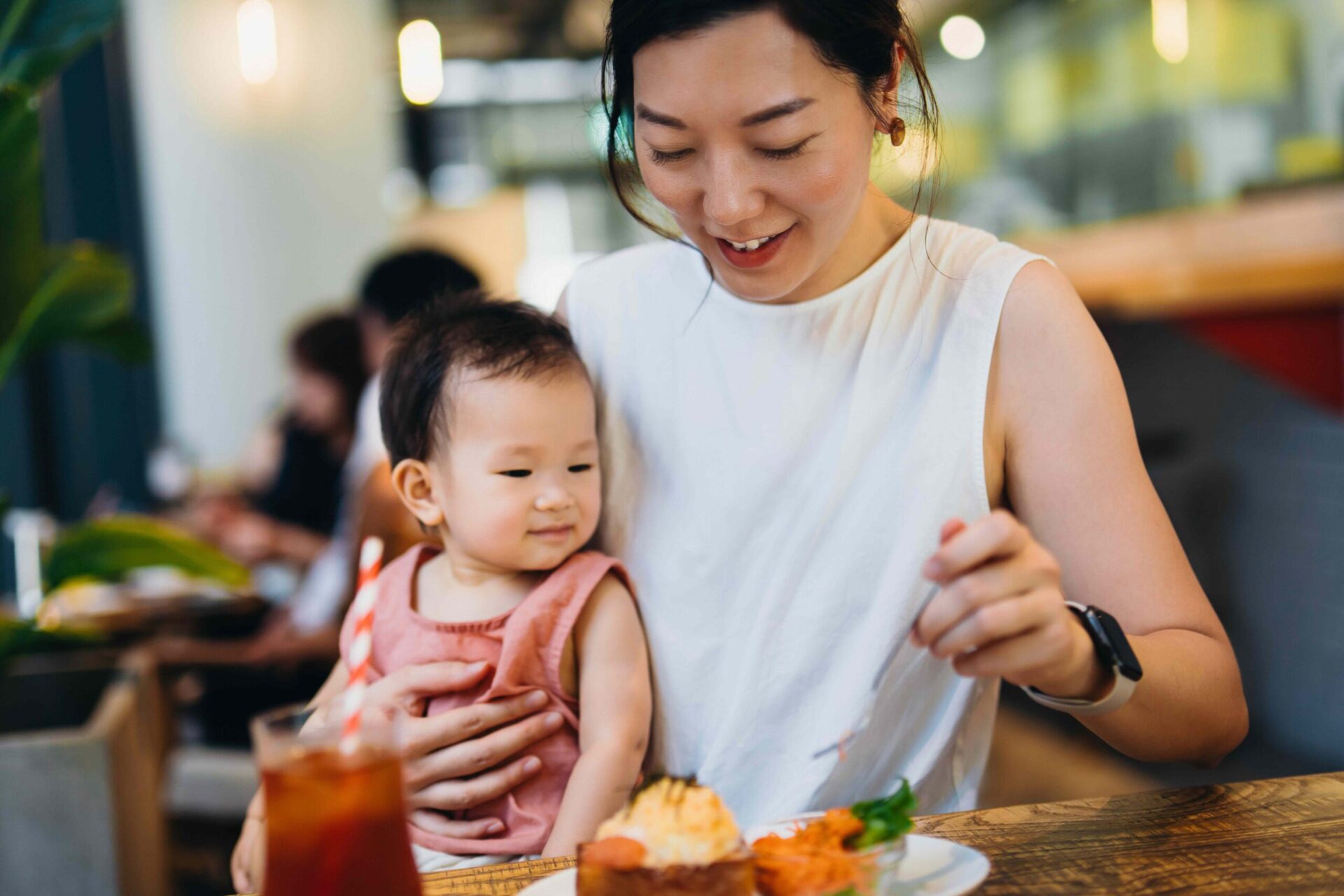
:max_bytes(150000):strip_icc():format(jpeg)/Health-GettyImages-1657116956-10737601cd0a49d4af1d5d5b664c1dd2.jpg "A woman holding a baby at a dining table food visible in front of them")
Credit: d3sign / Getty Images
- Your gut and brain are connected, so eating a nutritious diet can support better brain function and help improve symptoms of postpartum depression.
- Focus on foods high in healthy fatty acids, fiber, vitamins B and D, probiotics, and iron. This includes seafood, whole grains, fruits, vegetables, and dairy.
- Try to limit the amount of highly processed foods you eat, including foods high in sugar, saturated fat, and salt.
Treatment for postpartum depression (PPD) usually includes a combination of medication, therapy, and lifestyle changes, including eating nutritious foods that boost your mental and physical health. Although diet alone can’t treat PPD, your brain and gut are deeply connected, and a healthy gut promotes better brain function, mood, and cognition.
Here are 11 foods to eat while trying to improve PPD symptoms.
1. Yogurt

- Serving size: 170 grams
- Key nutrients: Probiotics and vitamin B2
Yogurt contains several nutrients, including probiotics and vitamin B2, that may benefit people with PPD.
Probiotics are good bacteria in your gut that aid in digestion, but they have mental health benefits, too. Some research shows they improve mood and decrease symptoms of depression and anxiety. As a fermented food, yogurt is naturally high in probiotics, but the pasteurization process often destroys many of the beneficial bacteria. Choose a brand containing added probiotics or “live and active cultures.”
Plain Greek yogurt also contains some vitamin B2 (riboflavin), a nutrient known to improve mood, reduce stress, improve sleep, and decrease depression symptoms. If you’re eating yogurt for PPD, you may want to choose a full-fat version. While not for PPD specifically, a 2016 study found that women who ate high amounts of full-fat yogurt had lower depression rates than women who ate low-fat yogurt.
2. Salmon

- Serving size: 4 ounces
- Key nutrients: Omega-3s and vitamin B6
Seafood in general is a good source of omega-3 fatty acids, but salmon is one of the best seafood sources, with 1,000-1,500 milligrams per 4-ounce serving. Omega-3s have long been linked to better brain health overall, but they also have notable benefits when it comes to improving mental health outcomes related to the treatment of depression and anxiety. A 2018 study found that omega-3 deficiency may be associated with a higher risk of PPD and that getting enough of this nutrient can help prevent depression during and after pregnancy.
Salmon also contains 0.65 milligrams of vitamin B6 (pyridoxine) per 3-ounce serving. In a 2021 study, women who began taking B6 during the third trimester of pregnancy had lower PPD scores after giving birth.
3. Barley

- Serving size: 30 grams
- Key nutrients: Fiber
Barley is a whole grain often used to fill out stews, soups, and salads, or as a substitute for rice or oats. It is one of the best dietary sources of fiber. Every 30-gram serving of barley has 3.84 grams of fiber, or about 13% of the recommended daily allowance for women.
Fiber helps promote healthy digestion and the growth of good bacteria in your gut, which can benefit mental health. In fact, a 2024 review of studies found a correlation between fiber intake and postpartum depression and anxiety symptoms, with more participants who didn't have depression reporting a much higher overall intake of fiber.
4. Avocado

- Serving size: Half of a medium avocado
- Key nutrients: Fiber and fatty acids
There’s a surprising amount of fiber in avocados: You get 4.6 grams every time you consume half of a medium-sized one. These creamy, versatile pantry staples can be sliced, mashed, or blended into lots of different recipes, making them an easy way to boost your fiber intake at any point during the day. Plus, one whole avocado contains 7.5 grams of monounsaturated fatty acids and 1.5 grams of polyunsaturated fatty acids, both of which have been shown to reduce symptoms of depression in women.
5. Eggs

- Serving size: 1 egg
- Key nutrients: Vitamins B12 and D
Eggs are one of the few dietary sources of vitamin D. Some experts think vitamin D deficiency may increase a person’s risk for PPD and that correcting the deficiency could help improve symptoms. A single egg contains 49.5 International Units (IU) of vitamin D, equal to about 8% of the Recommended Daily Value of 600 IUs for adult women.
Eggs also contain 0.513 micrograms of vitamin B12 (cobalamin) per serving. Like other B vitamins, B12 deficiency is often linked to higher rates of PPD. One 2021 study found the risk was almost 4.5 times higher for women with B12 deficiency.
6. Green Peas

- Serving size: About half a cup
- Key nutrients: Fiber and iron
A diet containing lots of fresh vegetables is always beneficial, but some vegetables have more mental health benefits than others. Green peas, for example, contain the highest amount of fiber compared to nearly all other vegetables: 5.7 grams in a half-cup serving.
They also have about 1 milligram of iron per serving. Low iron levels can cause a condition called anemia, which has been shown to be a risk factor for PPD. Some studies even suggest using iron supplements to complement a PPD treatment plan.
7. Chia Seeds

- Serving size: About 1 tablespoon
- Key nutrients: Fiber
Chia seeds are tiny seeds from a plant in the mint family. Even though they’re about the size of a poppy seed, they’re actually packed with fiber—10 grams in just a single tablespoon serving size. Chia seeds are also versatile: You can sprinkle them on oatmeal, granola, or yogurt, mix them into smoothies or baked goods, or soak them in milk or yogurt to make chia pudding.
8. Artichokes

- Serving size: 100 grams
- Key nutrients: Prebiotics and fiber
Artichokes aren’t the first vegetable many people think of when they’re trying to increase their fiber intake, but a 100-gram serving contains 5.4 grams. What makes artichokes stand out on this list, though, is their prebiotic factor. Prebiotics are essentially food for probiotics, helping the probiotics grow and flourish in your gut. Artichokes are a good source of a dietary fiber called inulin, which has prebiotic properties; for the most prebiotic power, choose Jerusalem or globe artichokes.
9. Bananas

- Serving size: One medium banana
- Key nutrients: Vitamin B6 and fiber
Bananas aren’t just a conveniently portable snack—they’re also a good source of vitamin B6 and fiber. A medium banana contains 0.24 milligrams of B6 and almost 2 grams of fiber. Slice a banana into cereal, oatmeal, yogurt, or a nut butter sandwich, or mash them up into banana bread for a sweet afternoon treat.
10. Kefir

- Serving size: 1 cup
- Key nutrients: Probiotics, vitamin B2, and vitamin B12
Kefir is a fermented drink made with milk and kefir “grains,” which aren’t actually grains but a granulated mix of bacteria and yeast used to make fermented foods (also called a SCOBY). Kefir packs a ton of probiotic varieties into a serving—typically far more than Greek yogurt. It also contains about 0.141 milligrams of B6 and 0.705 micrograms of B12 in each serving, both of which can prevent vitamin B deficiency and promote better mental health. You can buy kefir at most health food stores or make your own at home with milk and live kefir grains.
11. Clams

- Serving size: 100 grams
- Key nutrients: Iron, omega-3s, and vitamin B12
Most seafood contains omega-3 fatty acids, making fish and shellfish a good choice during the postpartum period. But omega-3s aren’t the most impressive part of clams' nutritional benefits: A single serving contains 2.8 grams of iron to help prevent anemia, plus 98.9 micrograms of B12.
When preparing clams at home, choose only clams with a closed shell, clean them properly, and steam or boil them until the shells open for maximum safety.
What To Avoid Eating If You Have Postpartum Depression
While it’s fine to indulge in some comfort foods when you’re living with postpartum depression, it’s important to fill your diet with as many nutrient-dense foods as possible.
A 2023 study found that rates of PPD were lower among postpartum women who followed more health-centric or Mediterranean dietary patterns, focusing on whole foods, vegetables, nuts, low carbs, and seafood, as opposed to a traditional Western diet full of highly processed foods containing sugar, fat, carbs, and sodium.
Although that same study didn’t find a strong link between unhealthy diets and an increase in PPD, other studies have discovered a possible relationship between highly processed food intake and higher rates of depression.
In general, when treating symptoms of PPD, it’s best to limit your intake of highly processed foods, including:
- Sugary beverages
- Ice cream
- Prepackaged snacks like chips and crackers
- Prepackaged baked goods like cookies, cakes, and muffins
- Candy
- Hot dogs and processed meats
- Instant soups and noodles
- Frozen meals