The glamour and excitement of space flight come with some pretty mundane life requirements. One of those is the need for working bathroom facilities.
You can’t exactly call a plumber when you’re in space, but Artemis II astronauts have managed to fix their lunar toilet without one. In a blog post on Thursday, NASA shared that the Orion spacecraft’s commode is now operational, following work by the onboard crew and with help from mission control in Houston.
The Artemis II crew lifted off on Wednesday from Florida and later reported a blinking fault light relating to their toilet. According to the post, “mission control teams successfully assessed the data and worked with the crew to troubleshoot and resolve the issue.”
“The toilet fan is reported to be jammed,” NASA spokesperson Gary Jordan said during live mission commentary, according to the BBC. “Now the ground teams are coming up with instructions on how to get into the fan and clear that area to revive the toilet for the mission.”
A representative for NASA didn’t immediately respond to a request for comment.
During NASA’s Artemis II mission, four astronauts will orbit the moon for 10 days. Landing humans on the moon’s surface will come later, with an Artemis IV mission scheduled for 2028.
Hearing protection for a very loud toilet
Wondering how exactly one even uses a toilet on a spacecraft? A collaboration between Nat Geo and NASA provided a look inside the Artemis II Orion spacecraft, including its moon-bound loo.
Among the most intriguing factoids is that astronauts use handholds and foot tethers to keep themselves on the toilet seat. They even wear hearing protection when going to the bathroom because the suction fan and airflow system is so loud.
The space toilet uses a funnel to trap the waste, and then the automatic airflow device pulls it away and into storage containers, The New York Times reports.
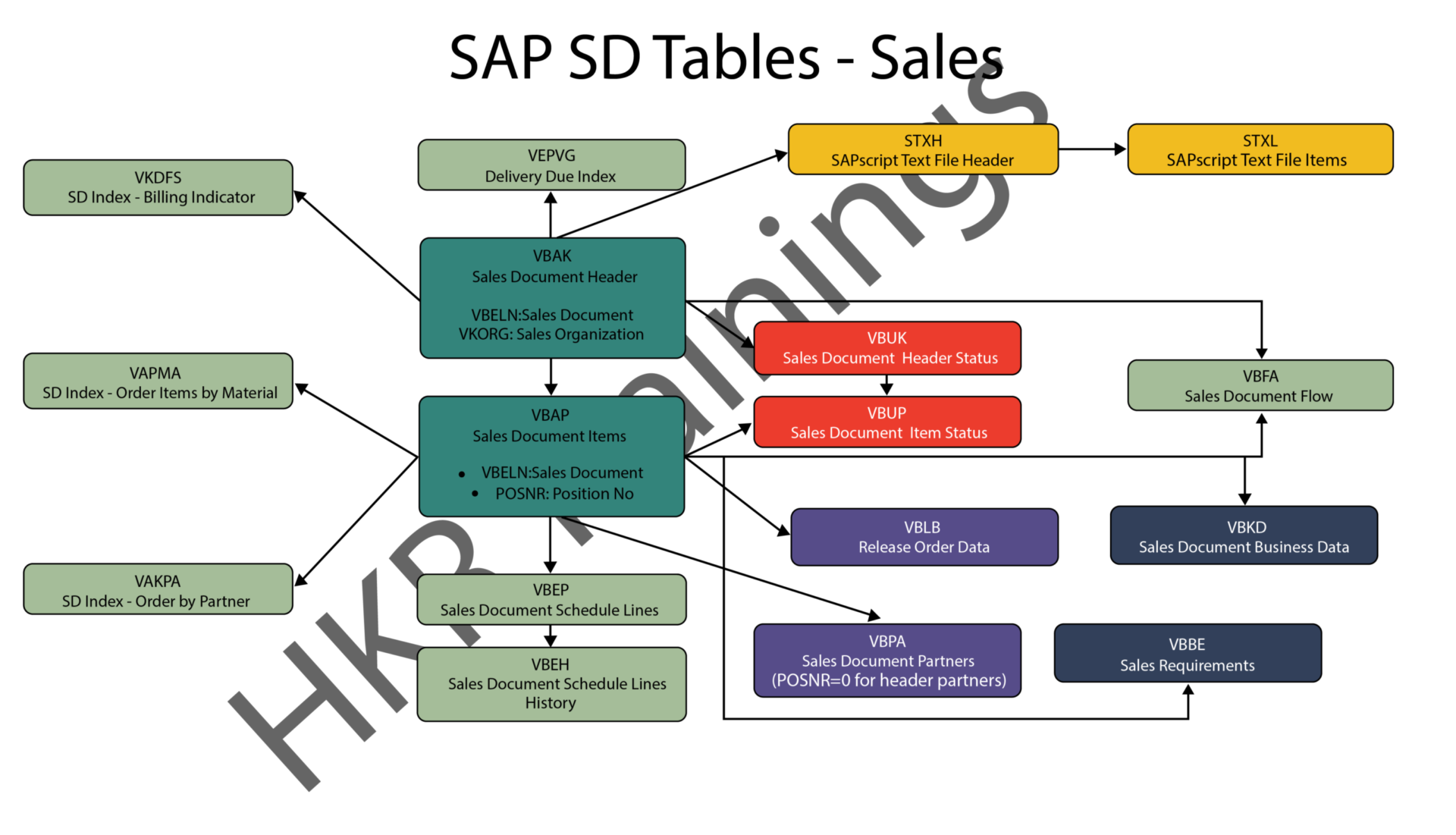
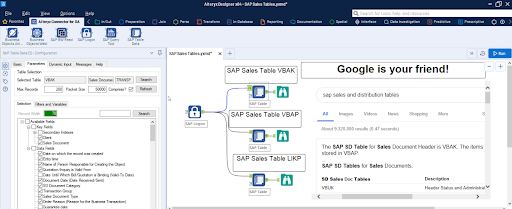
The SAP SD module is built on tables and uses them to store data. We’ll go through SAP SD tables and their relationships in this tutorial. SAP SD tables are critical storage for corporate data connected to SAP ERP software’s sales and distribution activities. The SD tables are basically divided into three parts:
These are the SD module’s building blocks, and it’s only natural to address tables in this sequence. Please look at the slides to see how the tables from different blocks were connected. Being an expert in SAP SD necessitates an understanding of these relationships.
Become a SAP SD Certified professional by learning this HKRSAP SD Training!
1) Sales
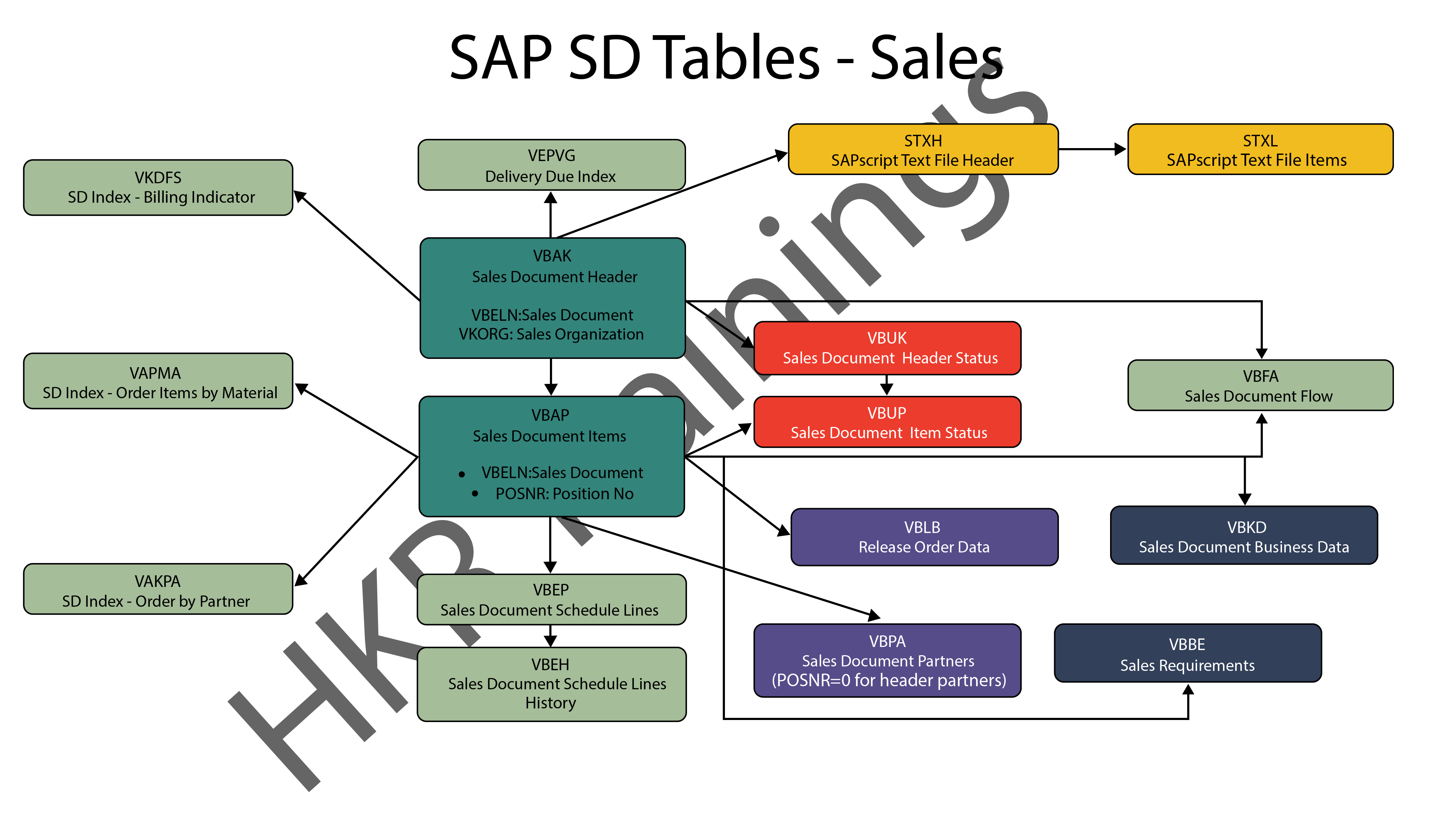
In SAP SD, the first block is about sales procedures.This indicates that the SAP SD tables in this block would be related to sales orders, quotations, and other similar transactions. We designed a visual slide that lists all of the tables and their relationships.
2) Shipping
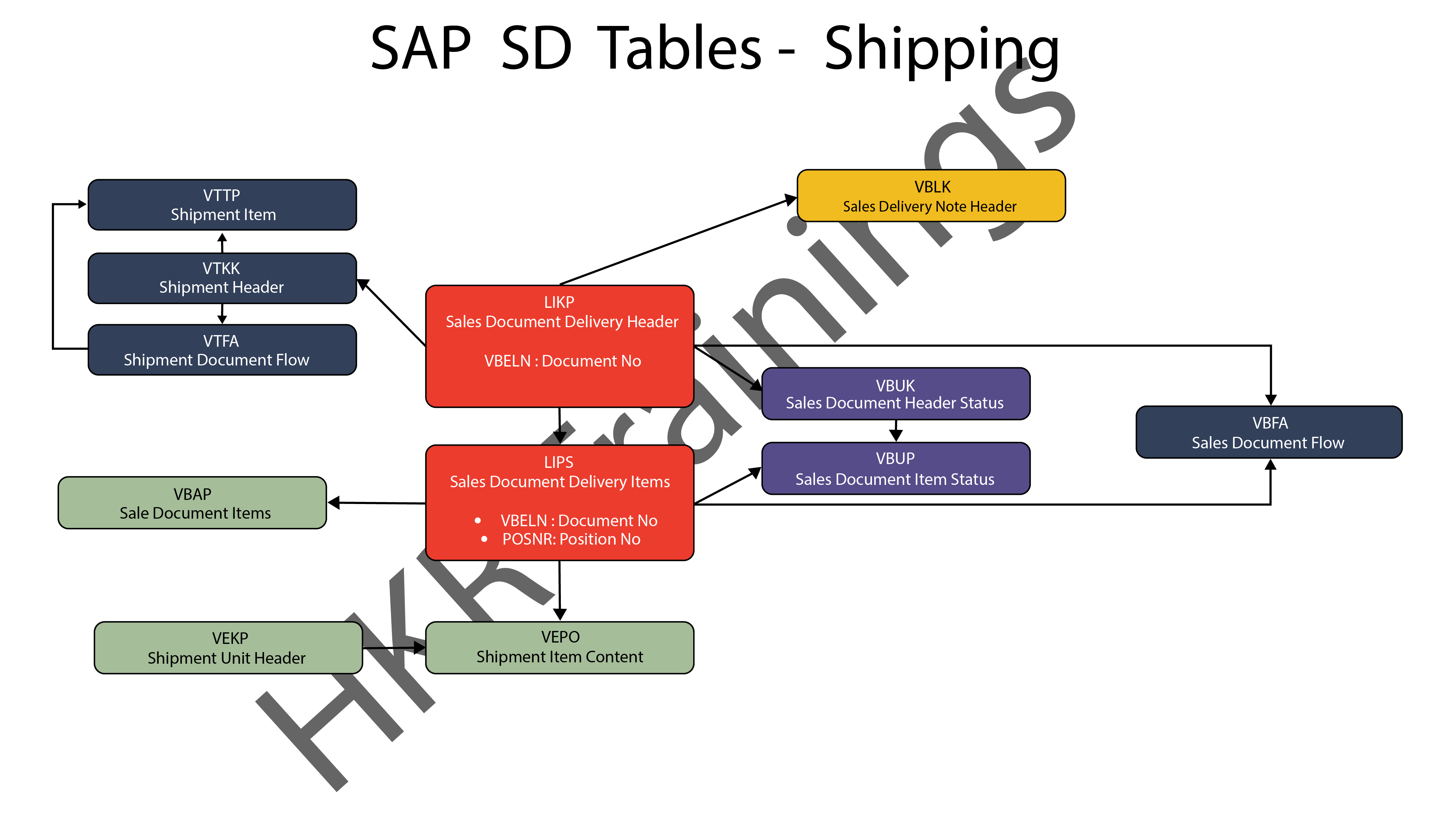
ThIs section is about SAP SD’s shipping processes. In this section, SAP SD tables deal with inbound and outbound deliveries, as well as shipments. Likewise, we’ve created a visual slide with links illustrating table relationships.
SAP SD Training
Master Your Craft
Lifetime LMS & Faculty Access
24/7 online expert support
Real-world & Project Based Learning
3) Billing
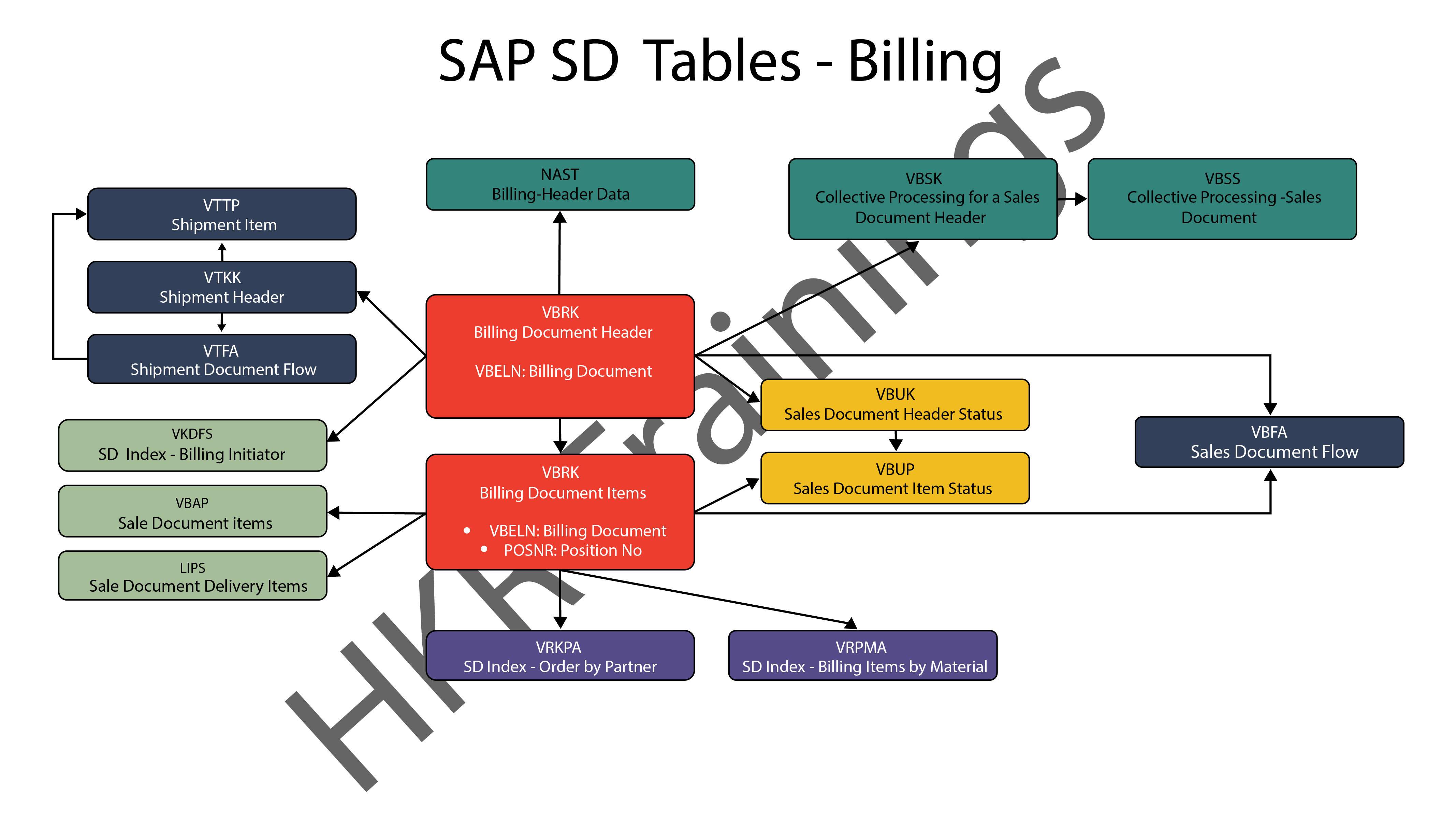
The billing feature of SAP SD is the last but not least. SAP has a variety of tables which are used to support a company’s billing procedures. Billing documents, as well as other related data, such as output conditions, are saved in these tables by SAP.
To provide the best experiences, we use technologies like cookies to store and/or access device information. Consenting to these technologies will allow us to process data such as browsing behavior or unique IDs on this site. Not consenting or withdrawing consent, may adversely affect certain features and functions.
Functional
Always active
The technical storage or access is strictly necessary for the legitimate purpose of enabling the use of a specific service explicitly requested by the subscriber or user, or for the sole purpose of carrying out the transmission of a communication over an electronic communications network.
Preferences
The technical storage or access is necessary for the legitimate purpose of storing preferences that are not requested by the subscriber or user.
Statistics
The technical storage or access that is used exclusively for statistical purposes.The technical storage or access that is used exclusively for anonymous statistical purposes. Without a subpoena, voluntary compliance on the part of your Internet Service Provider, or additional records from a third party, information stored or retrieved for this purpose alone cannot usually be used to identify you.
Marketing
The technical storage or access is required to create user profiles to send advertising, or to track the user on a website or across several websites for similar marketing purposes.