Medically reviewed by Kayla Girgen, RD
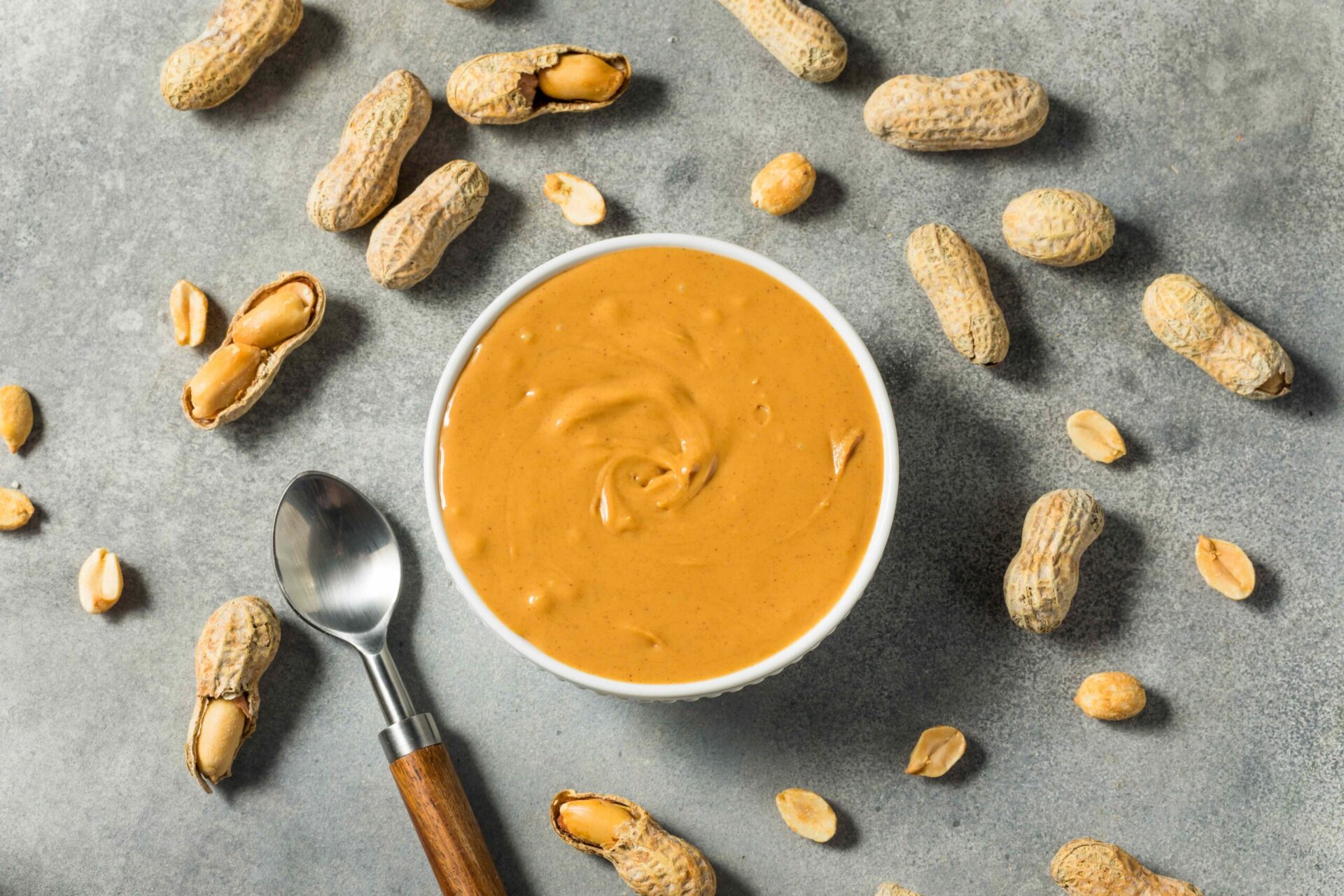
:max_bytes(150000):strip_icc():format(jpeg)/Health-GettyImages-2208349574-b5643ebf962b40efaf8dcc3f58531bde.jpg "A bowl of peanut butter surrounded by peanuts and a spoon placed nearby on a gray surface")
Credit: Brent Hofacker / 500px / Getty Images
- Peanut butter made with just peanuts and salt is the healthiest type.
- Brands with added sugars can raise your diabetes risk.
- Hydrogenated oils in peanut butter contain unhealthy fats.
Peanuts are a good source of plant protein, heart-healthy fats, and essential minerals like potassium and magnesium. However, many commercial peanut butters contain added sugars, hydrogenated oils, and preservatives that can negatively impact health. For the healthiest peanut butter, opt for one made from just peanuts and salt.
1. Avoid Brands With Added Sugars
Consuming a lot of added sugar can increase your risk of diabetes, obesity, and other heart-related diseases, especially when consumed in excess over time.
Many packaged foods contain added sugars, even ones that don’t taste sweet. Peanut butter, which contains at least 90% peanuts, is one example. Some brands add sugars, ranging from 1-6%, to improve the product's flavor and shelf life.
All-natural peanut butter (made from peanuts and salt) contains 1 gram of sugar per serving, whereas more processed peanut butters may contain 3 grams. Adding sugar here and there can easily add up over the day.
2. Skip the Preservatives
Preservatives are added to enhance the taste and texture of a food and improve its shelf life. For peanut butters, these include sugars, such as cane sugar and molasses, and stabilizers like hydrogenated oils and lecithin.
However, there are peanut butters that contain just peanuts and salt.
3. Avoid Hydrogenated Oils
Hydrogenated oils are fats with added hydrogen. They may be added to peanut butter to prevent it from going bad and maintain its thick, creamy texture. Many popular peanut butter brands contain 1-5% hydrogenated oils to prevent the oils from separating.
There is plenty of evidence that partially hydrogenated oils have a significant amount of trans fats, which are considered unsafe. Hydrogenated oils may not be as risky, but they still contain a large amount of unhealthy saturated fats. You should limit saturated fat to less than 10% of your diet.
4. Re-Consider Lecithins
Lecithin is an additive sometimes used as an emulsifier to keep peanut butter smoother by preventing the natural separation of the oil from the peanut solids. It is generally considered safe since only very small amounts are typically used in peanut butter. Lecithins may even offer health benefits, such as supporting cholesterol control.
However, since lecithins are more commonly added to peanut butter products that also contain hydrogenated oils and added sugars, it's still best to opt for natural peanut butter made only with peanuts and salt.
How To Make Peanut Butter at Home
Making your own peanut butter means better control of its ingredients.
You may include your favorite type of peanuts, such as dry-roasted, lightly salted, or raw. You can also decide how much salt to add. If you have a food processor, this can be a simple do-it-yourself project:
- Fill your food processor with roasted peanuts (approximately 3 cups for a 7-cup processor) and add a pinch of salt if the nuts are unsalted.
- Process for about 8-10 minutes until the peanut butter is smooth. You may need to pause every minute or so to scrape the sides of the bowl.
- Transfer to a jar with a tight-fitting lid. Store the jar upside down so that when the oils naturally separate, they float to the top.
Are Other Nut Butters Healthier?
Nuts and seeds are important for heart health, weight management, and blood sugar control. They are also part of health-promoting diets such as the Mediterranean and DASH diets.
Peanuts, almonds, and pistachios have the highest amounts of protein compared to other types of nuts. Peanuts lead the pack with 7 grams of protein per serving, while almonds and pistachios have about 6 grams.
Macadamia nuts are rich in monounsaturated fats—including oleic and palmitic acids, which are beneficial for brain health. Walnuts are among the richest edible plant sources of heart-healthy omega-3 fatty acids.
Some other nut butter options include:
- Almond butter
- Cashew butter
- Walnut butter
- Macadamia butter
- Pistachio butter
Tip: If you're making your own nut butter, try a combination of two or three different nuts. Keep in mind that some nuts contain more oil and are softer, making them easier and quicker to process.
How To Add Peanut Butter to Your Diet
To balance your snacks (or boost your meals) with some healthy fats and a bit of plant protein, you can try any of these combinations.
- Spread peanut butter on toast, dates, or crunchy celery sticks for a satisfying mid-morning snack.
- Whip up a savory peanut butter dip, like a peanut satay, to add bold flavor, healthy fats, and some plant protein to grilled chicken kebabs.
- Stir it into your morning oatmeal to make your porridge creamier, more flavorful, and more satisfying.
- Blend it into your smoothie for a boost of plant-based protein and healthy fats that will keep you energized and fueled for longer.
- Spread it over waffles, then top with fresh berries, and finish with a light drizzle of maple syrup.
- Drizzle a creamy, peanut butter-based dressing over leafy greens, roasted vegetables, or a hearty protein- and grain-based bowl.