GIGABYTE’s X870E AORUS Elite X3D Is Built to Be the Ultimate AMD Gaming Foundation


If you’re ready to move your PC gaming experience to the next level, look no further than GIGABYTE’s X870E AORUS ELITE X3D

Already known for their forward-thinking tech, GIGABYTE has outdone themselves with this one. Boasting state-of-the-art graphics capabilities, AI-enhanced X3D Turbo Mode 2.0, Zenith Memory Performance, and a comprehensive thermal design, X870E AORUS ELITE X3D offers everything you need to up your game.

Top-tier graphics performance for a competitive edge

The X870E AORUS ELITE X3D motherboard packs all the power of the AMD Radeon RX 9070 for top-of-the-line gaming graphics performance. If you’re an esports player, you’ll get the super-fast refresh rates you need to keep up with the competition. Or, if you’re into games with massive open-world maps, the X870E AORUS ELITE X3D will keep you exploring as far as the eye can see and beyond. 

Switching between gaming and performance modes

GIGABYTE’s X870E AORUS ELITE X3D features X3D Turbo Mode 2.0, which offers an overall enhanced experience over the previous generation. Whether you’re gaming, multitasking, or a little of both, X3D Turbo Mode 2.0 delivers with a built-in AI model that automatically optimizes parameters in real time. You can switch easily between two modes, Extreme Gaming Mode & Max Performance Mode, to make sure you’re getting peak performance suited to your task.

Advanced DDR5 memory and AI-enhanced overclocking

Using a combination of advanced technologies, X870E AORUS ELITE X3D offers Zenith Memory Performance, an advanced AI-enhanced overclocking technology for DDR5 memory. To start, the PCB features advanced shielding to ensure clean and clear memory signals. The next innovation is daisy-chain routing, designed to remove signal bottlenecks. Finally, the PCB itself uses 8-layer server-grade materials to ensure DDR5 data is transmitted at blazing speeds.

Stay frosty with smart cooling and thermal guards

All this power demands cooling tech that’s up to the task of keeping your system running cool and efficiently. GIGABYTE’s X870E AORUS ELITE X3D has what it takes, with a full-metal thermal design and durable heat sinks. Add to this M.2 EZ-Flex, GIGABYTE’s exclusive patented design, plus their quiet and efficient Smart Fan 6 technology, and you can be sure your machine will run smoothly for hours on end. 

With its top-of-the-line graphics capabilities, Turbo mode 2.0, Zenith Memory Performance, and compressive thermal design — not to mention its durable materials and ultra-connectivity — GIGABYTE’s X870E AORUS ELITE X3D should be at the heart of any true gamer’s rig.


Source link

Leave a Reply

Subscribe to Our Newsletter

Get our latest articles delivered straight to your inbox. No spam, we promise.

Recent Reviews


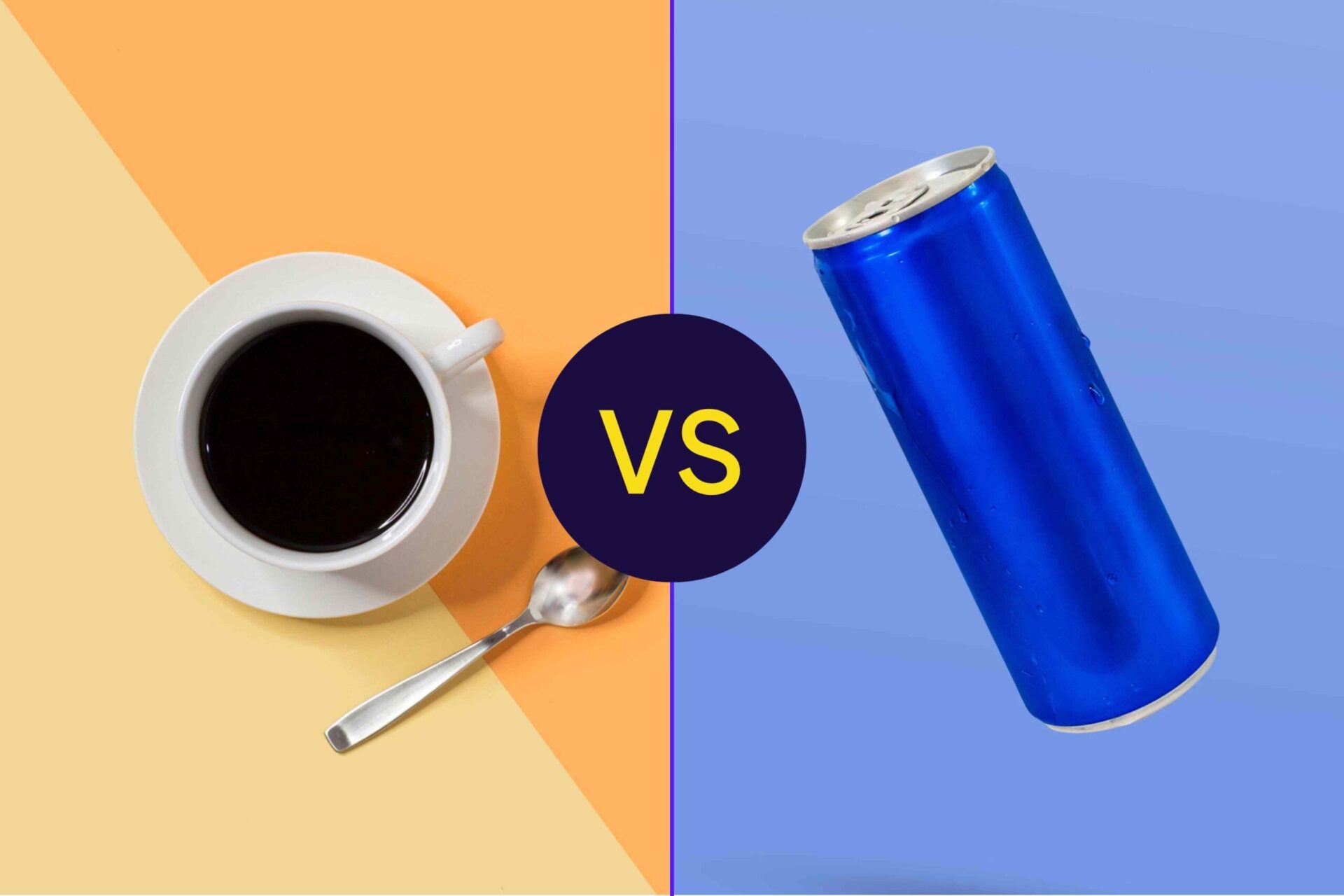
Coffee and energy drinks are popular sources of caffeine, but may have different health effects.Credit: Health / Getty Images
Coffee and energy drinks are popular sources of caffeine, but may have different health effects.
Credit: Health / Getty Images
  • Both coffee and energy drinks can vary in caffeine content.
  • Moderate caffeine consumption is recommended for reducing the risk to your heart.
  • Energy drinks have been shown to cause heart problems, but more research is needed.

Coffee and energy drinks are popular options for a quick energy boost. Both caffeinated beverages can support physical endurance, alertness, and reaction time. However, they can also increase heart rate, reduce steadiness, and increase your added sugar intake.

Which One Will Give You More Energy?

Coffee and energy drinks can both range in caffeine content, which can affect their impact on energy levels. Coffee drinks vary in caffeine based on the brew method and bean type, but on average, a cup (8 ounces) of coffee contains about 113-247 milligrams of caffeine.

Standard 16-ounce energy drinks can contain anywhere from 70 to 240 milligrams of caffeine. Concentrated 2-2.5 ounce energy shots pack about 113-200 milligrams of caffeine in a much smaller volume.

It's important to be aware of how much caffeine you’re consuming and check nutrition labels. However, energy drink manufacturers aren’t required to disclose the caffeine content.

Which Has a Greater Impact on Heart Health?

Research shows consuming high levels of caffeine can raise your blood pressure and heart rate, as well as affect your heart’s rhythm. This risk is especially high for children since their cardiovascular and nervous systems aren’t fully developed.

Coffee's effect on heart health is more widely researched than that of energy drinks. Evidence suggests that moderate coffee drinking can support heart health, while heavy consumption increases heart disease risk. How you prepare your coffee also affects the way it impacts your heart. Boiled coffee, like the kind you can make with a French press, can increase your cholesterol levels. High amounts of caffeine can also have negative effects on the heart, so many people with existing heart conditions choose decaf coffee out of caution.

Some case studies show that energy drink consumption can harm heart health, even in young people, but more research is needed to understand the mechanisms behind this. Some of the more severe cases include sudden death from drinking an energy drink.

What Other Ingredients, Besides Caffeine, Can Affect My Health? 

Coffee and energy drinks aren’t just pure caffeine. It’s important to consider their other ingredients when thinking about how they can impact your health. Early research suggests some of the cardiovascular effects of coffee and energy drinks may be more related to other ingredients than caffeine.

For example, energy drinks can contain a range of other ingredients, such as guarana (which contains additional caffeine), sugar, B vitamins, and other energy-boosting compounds. Both coffee drinks and energy drinks can contain high amounts of added sugar. Energy drinks can also interact with alcohol and prescription or illicit drugs, causing negative health effects.

Risks of Having Too Much Caffeine

Whether you choose coffee, an energy drink, or another caffeinated drink for your energy boost, it’s important to watch how much caffeine you’re consuming per day. Adults without underlying health conditions should limit their total caffeine intake per day to 400 milligrams. People who are pregnant or breastfeeding should stick to half of that limit, or about 200 milligrams. You can always check with your healthcare provider about your individual health status and their recommendations for your caffeine levels.

If you consume too much caffeine, you may notice:

  • A faster heart rate or a racing heart
  • High blood pressure
  • Trouble sleeping
  • Anxiety or jitters
  • Nausea or an upset stomach
  • Headache

If you’re choosing an energy drink, research suggests having only one drink at a time, with a max of two per day, for safer outcomes.


Source link