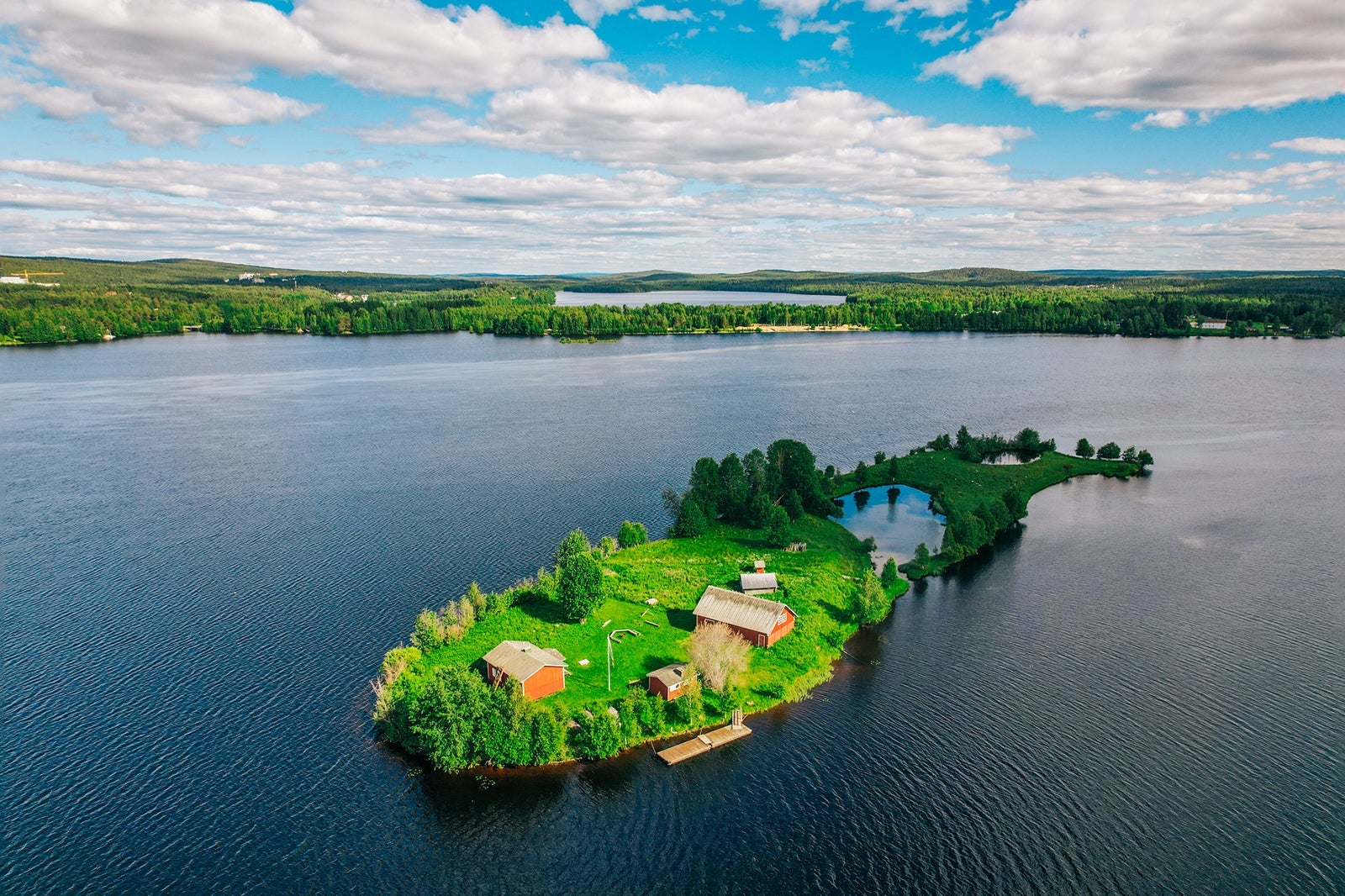

If you don’t love hot weather, you may want to reconsider booking a trip to a typical European summer holiday destination this year.
Last August was the third-warmest on record globally, trailing close behind August of 2023 and 2024. The continent experienced a June 2025 heatwave that caused some French schools to close, parts of Italy to ban outdoor work and the Acropolis to close to visitors for several afternoons.
These conditions may not be ideal for exploring all Europe has to offer, but thankfully, there are plenty of places in Europe where temperatures tend to not soar as high. If you’re seeking milder climes, check out these nine destinations that have become hotspots for “coolcations,” allowing travelers to escape the oppressive heat and humidity — or even find snow and sweater weather.
Lapland, Finland
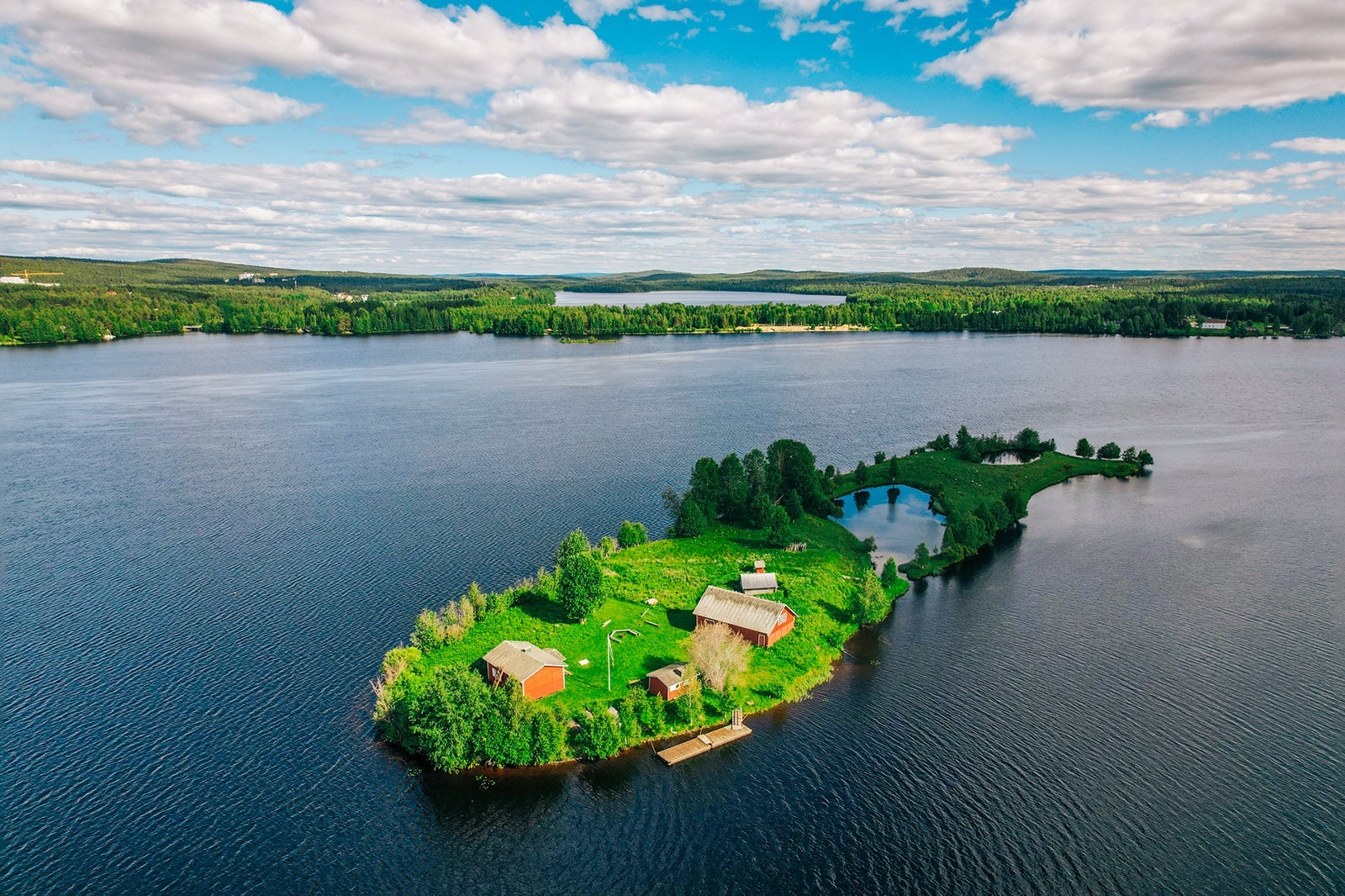
Average high temperature in July: 71 degrees Fahrenheit (for Rovaniemi)
This northern region in Finland is often thought of as a winter wonderland — particularly the Finnish town of Rovaniemi, the official hometown of Santa Claus. But Lapland is also a magical place to spend the summer.
With sunlight lasting up to 24 hours, you shouldn’t expect to see the northern lights during a summer visit, but you can hike or bike through the Arctic wilderness here at pretty much any time of day.
TPG tip: Many visitors, including domestic Finnish tourists, stay in cabins, but there are a few hotels in the region. The Arctic Treehouse Hotel near Rovaniemi has a collection of stand-alone stilted “nests” with picture windows. Bookable via Hyatt’s Mr & Mrs Smith partnership, rates start from $365 or 26,250 World of Hyatt points per night. (Keep in mind that Hyatt plans to update its award chart in May, so those prices may increase.)
Iceland
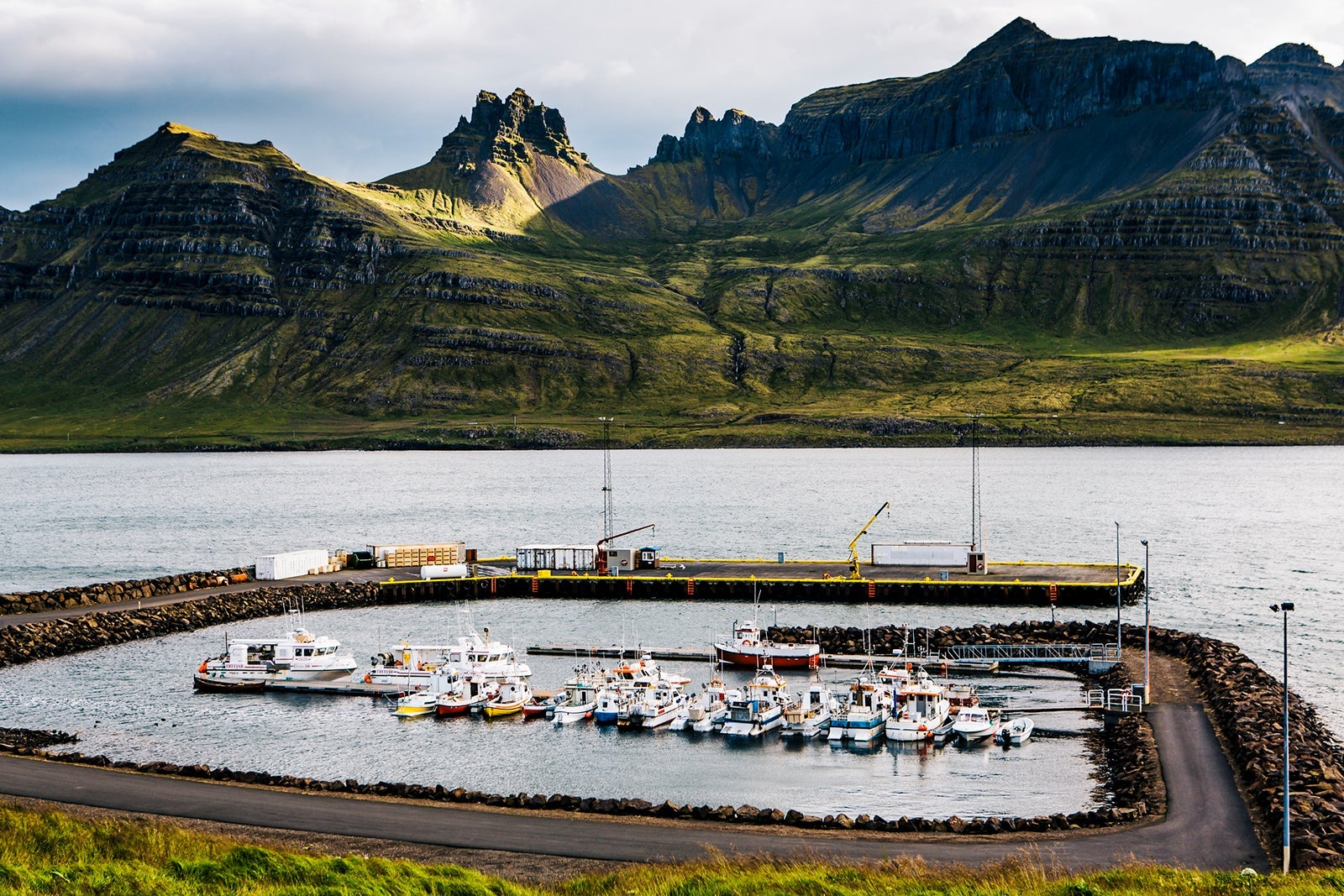
Average high temperature in July: 58 degrees Fahrenheit (for Reykjavik)
For a cool-weather summer vacation, you can’t beat the island nation of Iceland, which boasts temperatures in the 50s from June to September.

Reward your inbox with the TPG Daily newsletter
Join over 700,000 readers for breaking news, in-depth guides and exclusive deals from TPG’s experts
To escape the high-season crowds, rent a car and make for the Ring Road that circles the country. The farther you get from Reykjavik, the less crowded it’ll be. Visit small towns and villages, swim in a local pool or hot spring, and hike along volcanic hills or black-sand beaches.
TPG tip: Hotel Ranga, a Hilton Honors property, is conveniently situated along the Ring Road. Nightly rates start around $570 or 100,000 Hilton points, or you could redeem a free night certificate.
Edinburgh
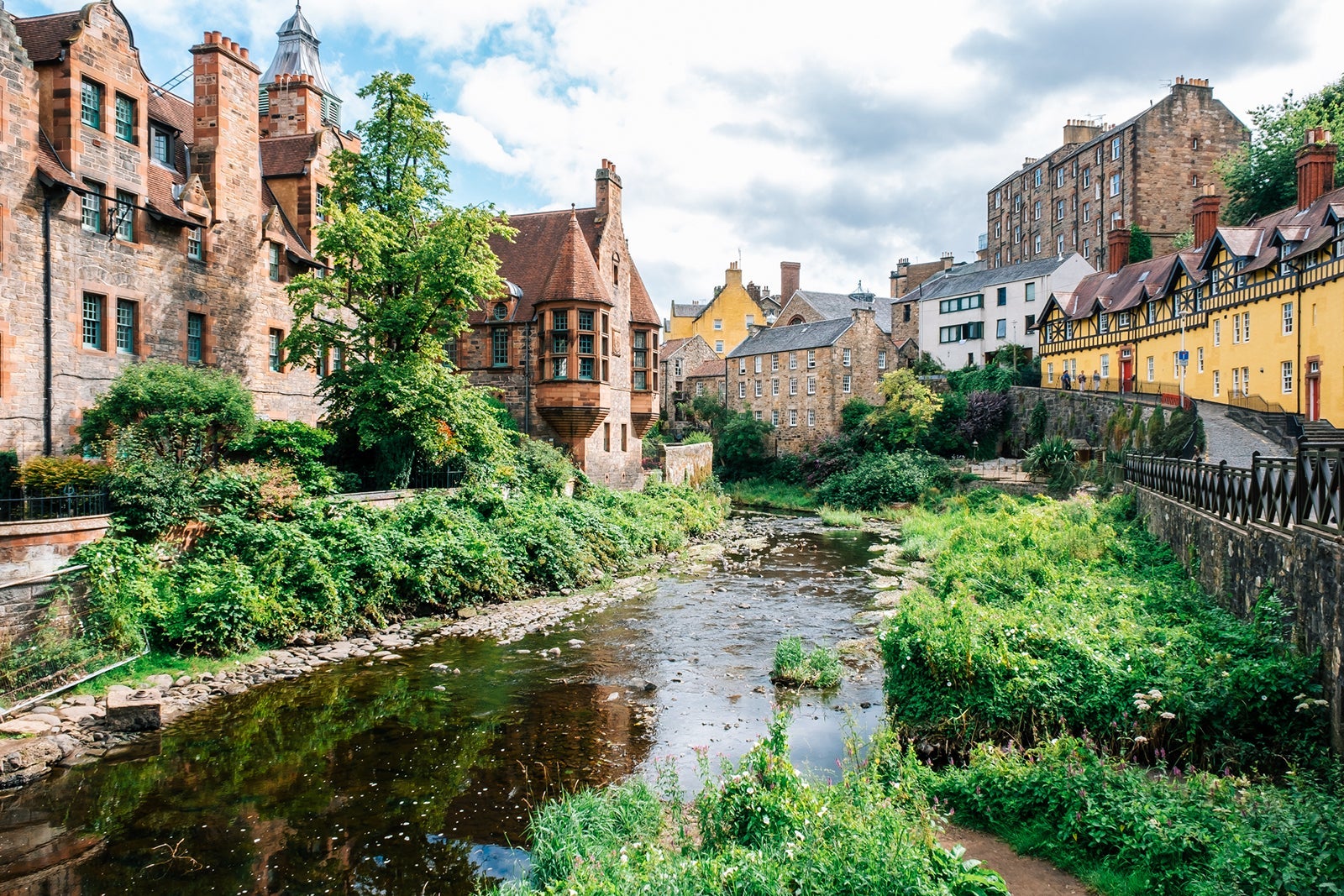
Average high temperature in July: 66 degrees Fahrenheit
Scotland’s capital makes a great city getaway in the summer. Edinburgh’s temperatures usually max out in the 60s in July and August, which is perfect for wandering the cobblestone streets, visiting Edinburgh Castle or strolling through the Royal Botanic Garden Edinburgh.
When you’ve had enough of city life, take day trips to the Scottish countryside or seaside. Linlithgow Palace — the birthplace of Mary, Queen of Scots — is just 20 minutes from Edinburgh by train, while the oceanfront town of North Berwick is just a half-hour train ride away.
TPG tip: You can earn and burn Honors points at The Caledonian Edinburgh, Curio Collection by Hilton, where summer rates start around $492 or 100,000 points per night.
Svalbard, Norway
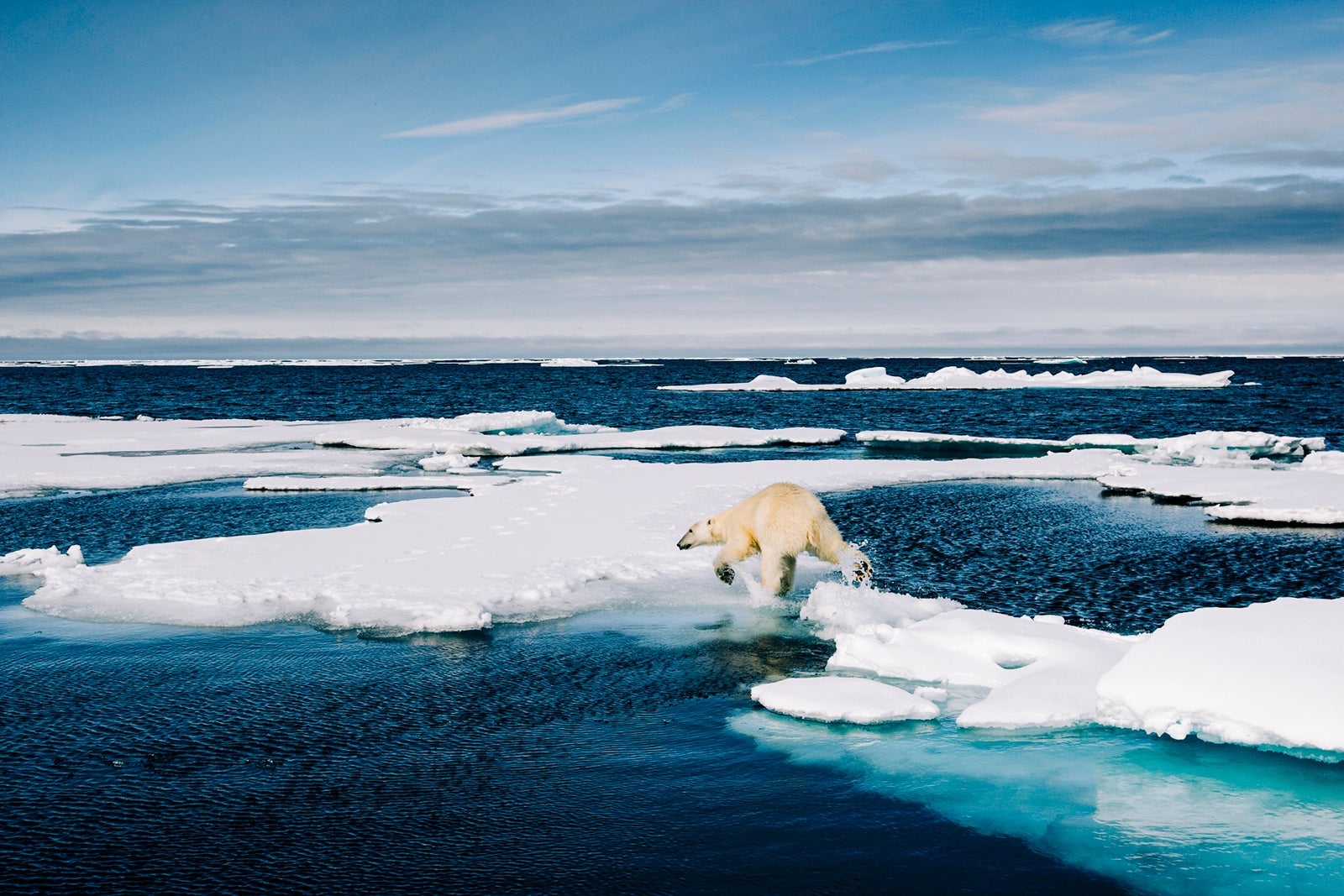
Average high temperature in July: 49 degrees Fahrenheit (for Longyearbyen)
Travelers most commonly visit the icy Arctic archipelago of Svalbard via cruise ship. If you choose to explore it by land, make your home base the main town of Longyearbyen. From here, you can take day trips to see wildlife (polar bears and walruses and seabirds, oh my!), have a beer at the world’s northernmost brewery and go glacier hiking.
Bring a hat, coat and gloves, as temperatures often sit comfortably in the 40s throughout the summer. And while this is a popular northern lights destination, remember that you won’t be able to see the aurora unless there’s darkness at night — and there won’t be any in Svalbard until autumn.
TPG tip: There aren’t any points hotels in Longyearbyen (yet), but award travelers still have options. For instance, the Radisson Blu Polar Hotel, Spitsbergen is bookable through platforms like Amex Travel and Chase Travel, with rates from $398 per night.
Amsterdam
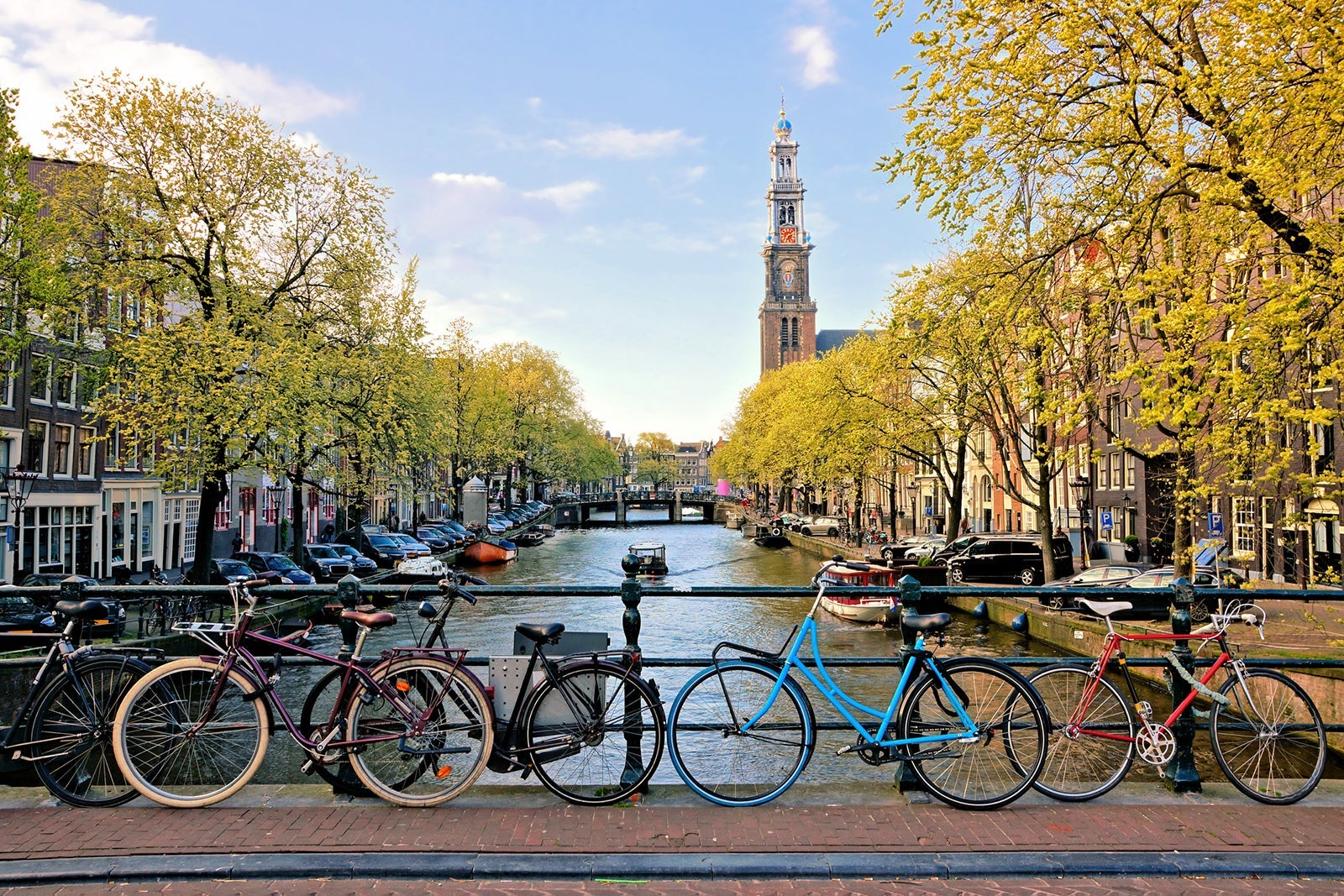
Average high temperature in July: 72 degrees Fahrenheit
Active travelers will thrive in Amsterdam, which offers an abundance of outdoor activities each summer. Head to Vondelpark, the city’s largest park, to picnic alongside locals or attend outdoor concerts. The Hortus Botanicus garden was first planted in the 17th century and, to this day, provides a peaceful escape from the city’s rattle and hum.
TPG tip: The recently opened Rosewood Amsterdam (from $995 per night) is a luxurious lodging option in the city’s UNESCO-listed canal district. Book through Amex Fine Hotels + Resorts to enjoy perks like free breakfast for two, guaranteed 4 p.m. checkout and a $100 property credit to use during your stay.
The French Alps
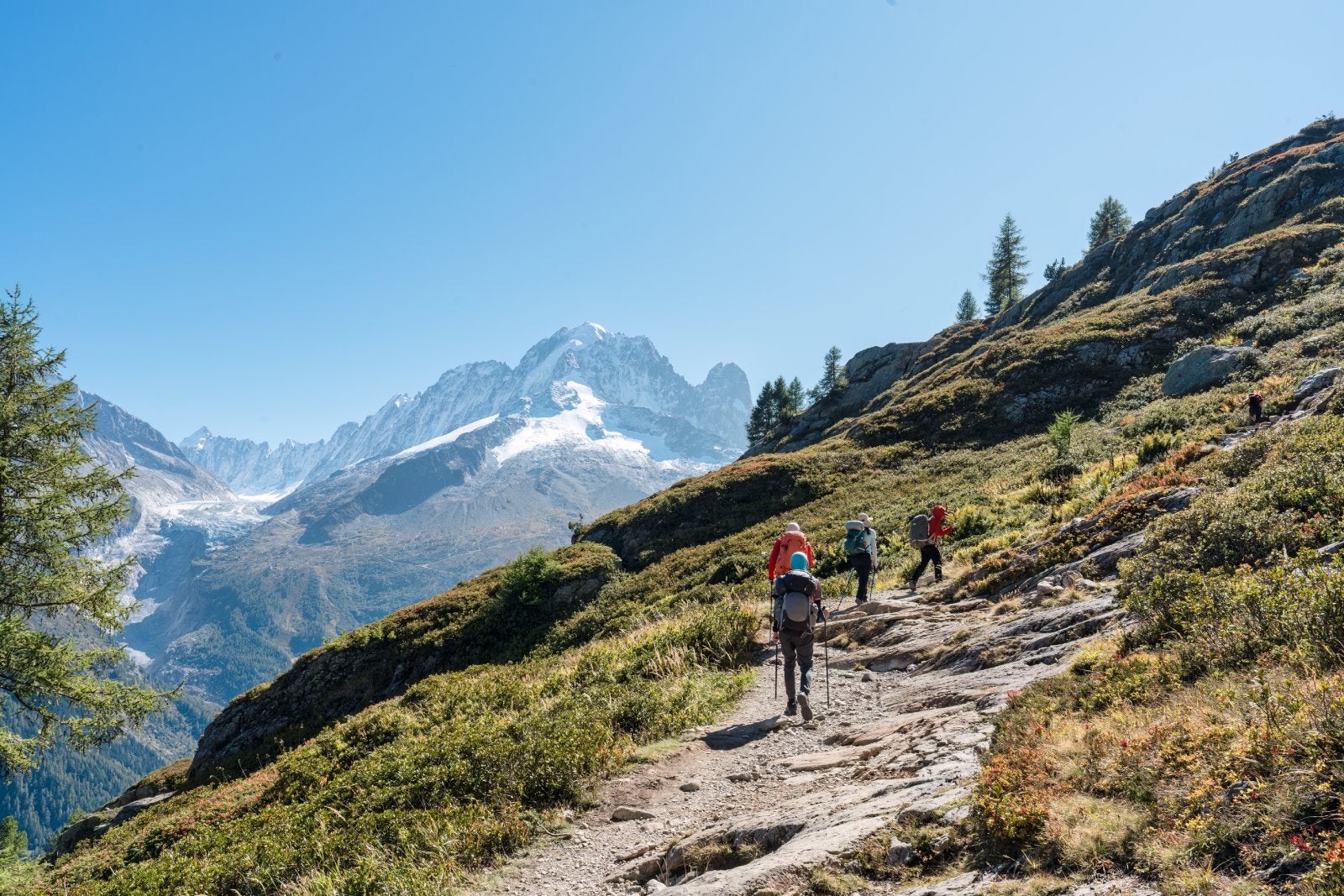
Average high temperature in July: 70 degrees Fahrenheit
The French Alps may attract the majority of tourists during ski season, but summer is an epic time to visit. Temperatures hover in the high 60s, ideal for exploring the area’s towering peaks, sprawling meadows and crystal-clear lakes.
One of the highlights of a summer trip here is the network of gorgeous hiking trails and world-class mountain biking tracks. The hike to Lac Blanc is one of the most popular, thanks to its views of the Mont Blanc range. There is also the Aiguille du Midi cable car for travelers who prefer to take it slow.
Refuel in Chamonix-Mont-Blanc, which offers a rich food scene with hearty raclette, fondue, pastries and local wine.
TPG tip: Like hiking but not camping? World of Hyatt’s Mr & Mrs Smith Collection has a plethora of Alpine-inspired properties in the ski village of Megeve, and rates are often rock-bottom this time of year. Coeur de Megève, for example, has summer rates starting from $183 or 18,125 Hyatt points per night.
Copenhagen

Average high temperature in July: 71 degrees Fahrenheit
In Denmark, a heat wave is defined as three consecutive days where the average high temperature is over 25 degrees Celsius — or just 77 degrees Fahrenheit. And while that did occur a few times last year in Copenhagen, summer weather in the Danish capital tends to hover more in the “pack a sweater in your day bag just in case” range.
Rent a bike to explore the city’s charming neighborhoods and parks, and be sure to save one day for Tivoli Gardens, the amusement park that inspired Walt Disney to create Disneyland. Or take a dip in the harbor, which is perfectly safe for swimming and popular among locals. There are several designated spots where it’s free to hop in.
TPG tip: The sustainability-minded 1 Hotel Copenhagen — one of TPG’s best new hotels of 2025 — opened last year, with nightly rates starting from around $250. Or you can book the Villa Copenhagen through Choice Privileges from around $394 or 35,000 points per night this summer.
Faroe Islands

Average high temperature in July: 55 degrees Fahrenheit (for Torshavn)
Set between Scotland and Iceland, the Faroe Islands are a volcanic archipelago of 18 major islands known for their dramatic cliffs. Due to their remote location in the North Atlantic Ocean, you can expect plenty of wind and rain but never heat, with temperatures topping out in the mid-50s in the summer.
Summer is also puffin season. The seabirds come to nest on land in May and stick around until August, when they head back out to sea with their new pufflings.
Scandinavian Airlines and Atlantic Airways offer direct flights to the Faroe Islands from Copenhagen, or you can fly Icelandair from Keflavik Airport (KEF) to Vagar Airport (FAE) directly.
TPG tip: The capital of Torshavn makes a great base for day trips to smaller villages around the islands, and it’s home to one of the best Hilton hotels in the world. Use your Honors points at the Hilton Garden Inn Faroe Islands, which has rates from $263 or 50,000 Hilton Honors points per night.
Gota Canal Trail, Sweden
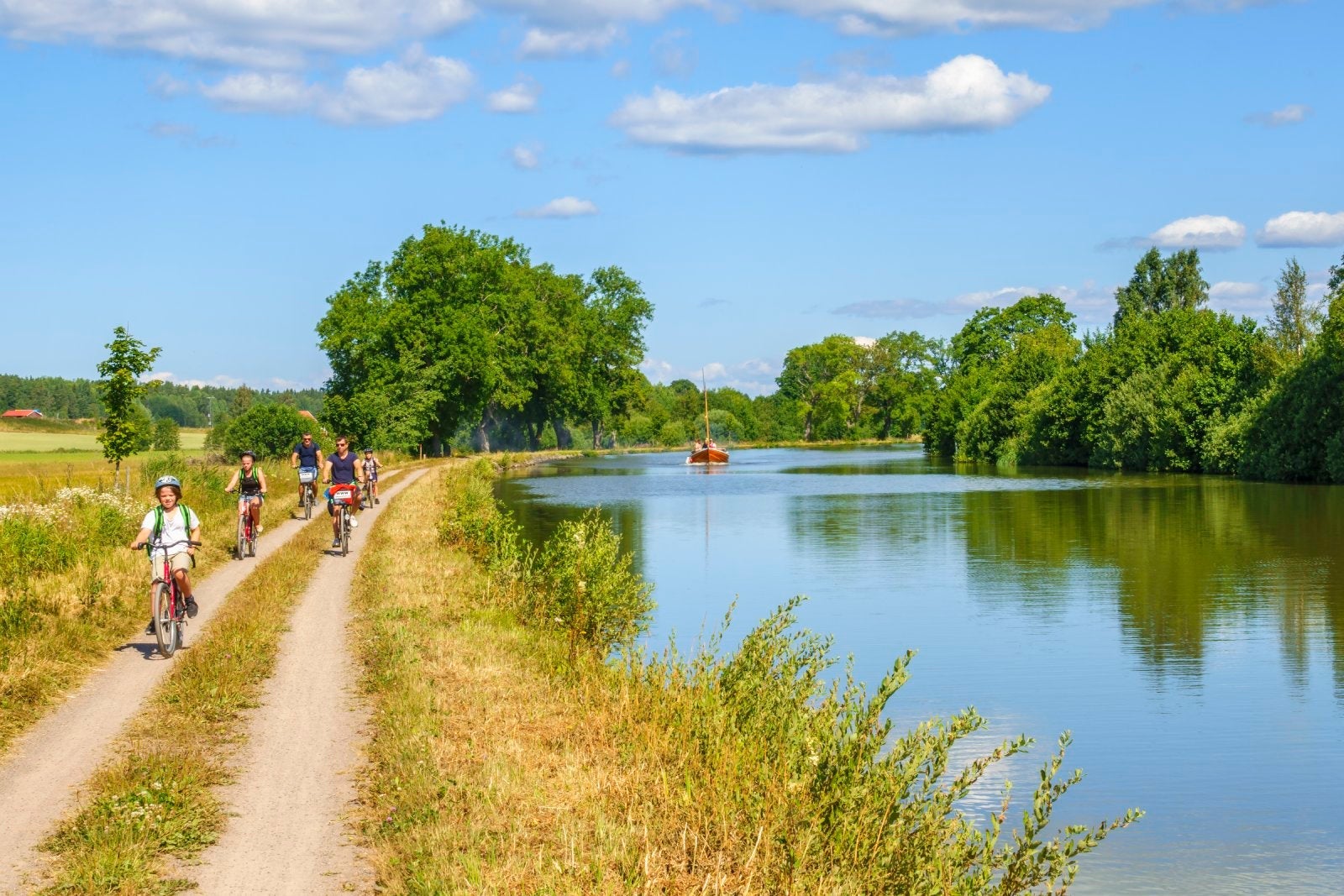
Average high temperature in July: 71 degrees Fahrenheit (for Toreboda)
The 200-year-old Gota Canal stretches across a picturesque swath of Swedish countryside from Lake Vanern to the Baltic Sea. With average highs in the low 70s and nearly 18 hours of daylight per day, summer is the best season to experience the region by cycling along the adjacent Gota Canal Trail — whether you prefer a short day ride or a longer cycling tour. And 50-plus miles of the trail are along a car-free towpath, making it safe for travelers of all ages to enjoy.
TPG tip: Start in the canal-side town of Toreboda, a three-hour train ride from Stockholm Central Station. There aren’t many points properties here, but you will find some fun and unique accommodations — like the Norrqvarn Hotel & Resort by Vänerport, available on Capital One Travel. Standard rooms start around $160 per night, or you can splurge to sleep in a tent or giant mushroom.
Bottom line
Now is a great time to start thinking about your summer travels, and these nine European coolcation spots are perfect if you’re looking to beat the heat. While you plan, be sure to check out our tips for saving on summer airfare, as well as the best ways to redeem points and miles for flights to Europe.

Stacie Harris is a local resident and reporter of the Maple Grove area. Stacie reports on medicine and science for the Maple Grove Report.





:max_bytes(150000):strip_icc():format(jpeg)/Health-Anchovies-vs-Sardines-abf78393ed254f7fb6103ad3b603bfd0.png "Comparison between canned anchovies and sardines, side by side.")