Speed vs. Depth: How Does Using AI for Work Affect Our Confidence?


Be careful delegating your work to that chatbot: A new peer-reviewed study published this month by the American Psychological Association found that people who heavily rely on AI tools for work tasks reported feeling less confident in their abilities and had less ownership over their work.

There has been growing research on how our brains function when we use AI tools. A landmark study from MIT in 2025 found that our brains don’t retain as much information or employ necessary critical thinking skills when writing tasks are outsourced to AI chatbots. 

This new study aimed to understand how our human behavior, specifically executive functions — like strategic planning and decision making — can change when AI is part of the process. 

Sarah Baldeo, the study’s author and a Ph.D. candidate in AI and neuroscience at Middlesex University in England, noted in the paper that these findings do not show that AI is harming or causing cognitive decline. Rather, they “highlight variability in how users distribute effort between themselves and AI systems under conditions of convenience and competence.” Meaning, people who use AI are making conscious trade-offs, and their confidence fluctuates as a result.

The study encouraged nearly 2,000 adults to use AI for a variety of workplace tasks, like prioritizing projects based on deadlines, explaining a strategy and developing plans with incomplete information. It then asked them to self-report their levels of confidence, ownership and AI reliance, including whether they significantly altered the AI-generated outputs. 

Overall, confidence varied with AI use. A greater reliance on AI was associated with lower confidence in their ability to reason independently. Participants also reported relatively few modifications, meaning they often did not tweak or put their own stamp on what the AI spit out. But those who modified the AI’s work reported feeling more confident and more like the author. Men reported higher reliance on AI than women.

The trade-off between speed and depth was one of the main themes participants reported.

“I got an answer faster, but I don’t think I thought as deeply as I normally would,” one of the participants said.

AI Atlas

This reflects one of the biggest caveats of using AI tools. Chatbots, for example, can produce text quickly, but it doesn’t always have the same level of subject matter expertise you need. AI tools can also hallucinate, or make up facts, so AI-generated output needs to be verified before it’s used. 

The office is one of the main places where people use AI tools. We’re moving beyond just chatbots, with agents that can autonomously handle tasks that would’ve otherwise required a human. 

But these tools aren’t necessarily making our work lives better; one study found they made workdays longer and more unpleasant. As AI becomes increasingly embedded in our work lives, it’s important to understand how it’s shaping our mental attitudes. Qualities like confidence and ownership of our work are important factors in determining the quality of our work life. 


Source link

Leave a Reply

Subscribe to Our Newsletter

Get our latest articles delivered straight to your inbox. No spam, we promise.

Recent Reviews


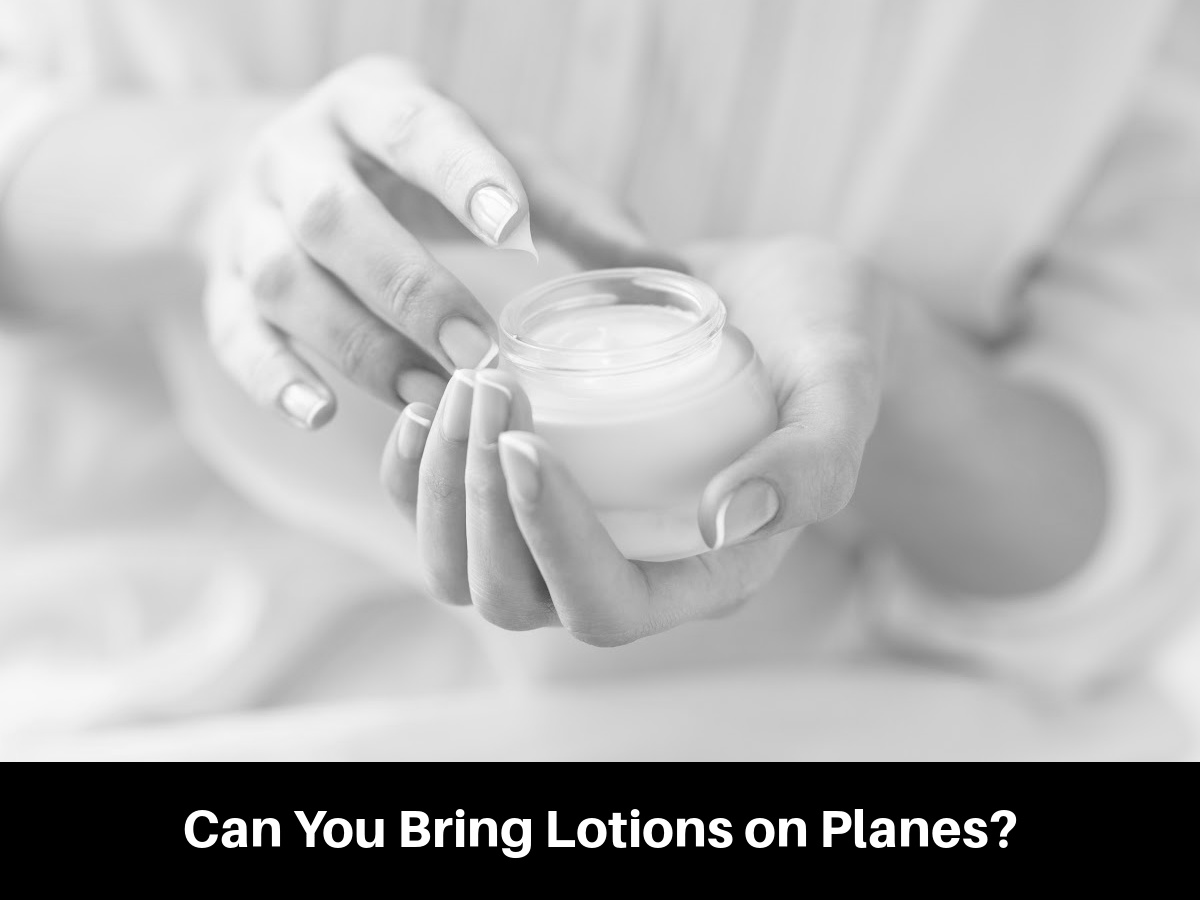
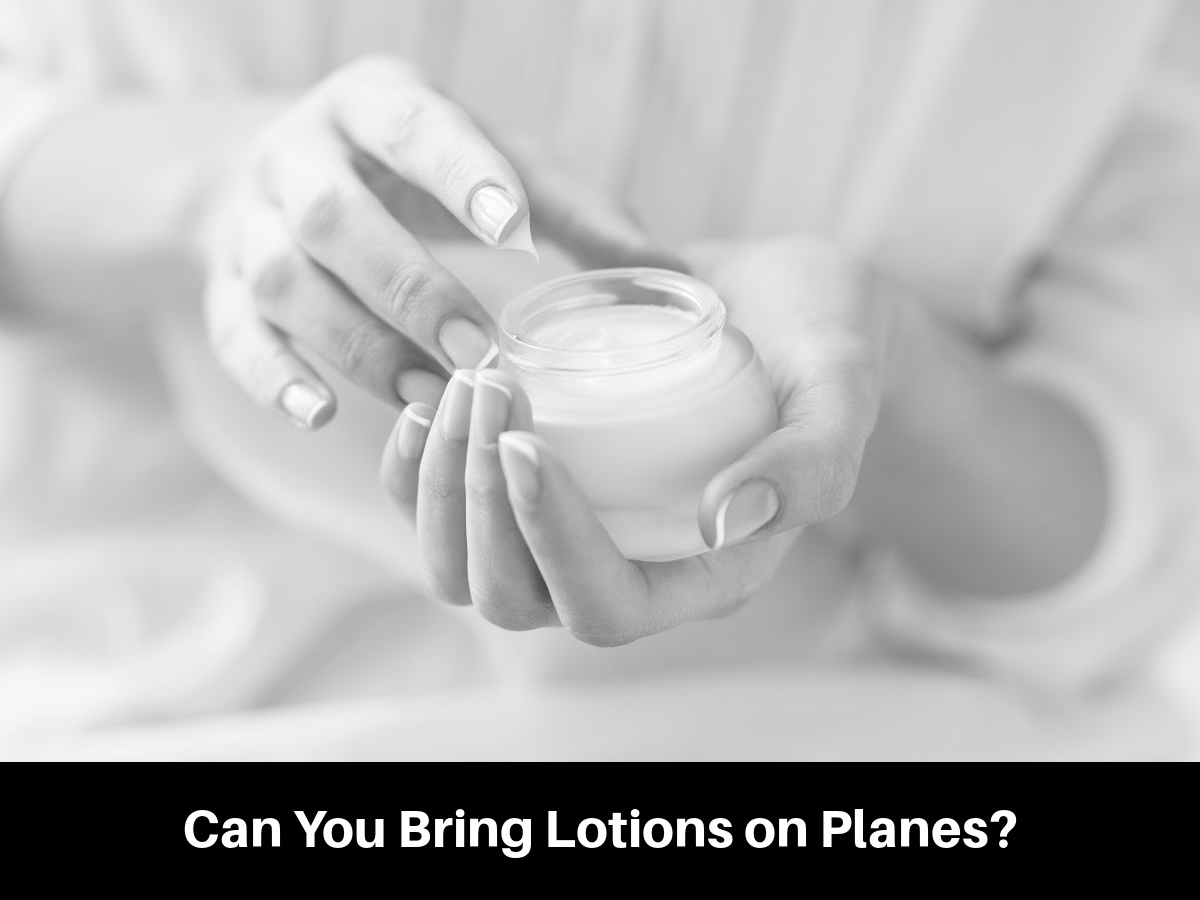
Body and face lotions are counted as liquids by the TSA. This also includes most other variants of lotions, like body creams, gels, pastes, butter, and similar alternatives. Even thicker body ointments are considered liquid. If you can smear it, it’s considered liquid.

When packed in hand luggage (carry-on or personal item), they’re limited to 3.4 oz (100 ml) bottles or smaller. You also have to put them in your quart-size bag together with your other toiletries.

Only medically-prescribed lotions are allowed in larger quantities in hand baggage. But you’ll have to show the TSA agent your prescription. Otherwise, they’ll be treated like any other liquid.

It’s also worth noting that half-empty lotion bottles that are over 3.4 oz (100 ml) aren’t allowed. That’s because the TSA agent has no way of telling how much lotion is left inside. 

In checked bags, TSA allows lotions in larger quantities. You could even fill your suitcase to the brim with lotions and it would still be allowed. There also aren’t any restrictions on how you should be packing them.

Traveling With Lotions Internationally

Generally, the rules for traveling with lotions are identical across the world. In hand baggage, they’re limited to small 100 ml containers and they aren’t restricted in checked bags.

Only Australia and New Zealand have different rules. Both of these countries have incorporated new 3D CT scanners in their airports, which can safely screen liquids in larger quantities. When you’re flying domestically in Australia or New Zealand, your lotion bottles aren’t restricted to 3.4 oz containers in hand baggage.

How to Pack Lotions in Luggage

To avoid spills in your luggage, here’s how you should be packing lotions in your luggage:

  • Avoid placing the lotion bottle near the edges of your suitcase to avoid punctures and direct hits
  • Always wrap your lotion in soft clothing
  • Tape the lid to the bottle to keep it from accidentally opening
  • Put the lotion bottle in a separate Ziploc bag if packed in checked baggage
  • If in hand luggage, always put it inside your bag of toiletries. Remember to keep it somewhere accessible because you’ll need to take it out when going through security

There are Some Travel-Friendly Alternatives to Lotions

It goes a bit against common sense but there indeed are some “solid” lotion alternatives, which don’t have any packing restrictions. You can find solid stick moisturizers and solid lotion bars if you look around online, sold by Blush and other large brands. These usually need to be applied to wet skin in order for them to work.

Another option is to use moisturizing wipes. Even though they contain a bit of liquid inside, they are considered solid items by the TSA. You won’t have to put them in your toiletry bag when going through security. They’re also super easy to use when you’re on the plane.

Summing Up – Traveling With Lotions

You can fit roughly 6-8x 3.4 oz (100 ml) containers in your 1-quart bag of toiletries. For traveling, it’s usually enough to bring just one small bottle of lotion. But it’s hard to find a small lotion bottle. So the best thing that you can do is to transfer it from a larger bottle to a smaller one.

If you need to bring larger quantities of lotion, your only option is to pack it in your checked baggage or buy it at your destination.


Source link