Apple’s AI Future Is in the Hands of a Hardware Expert. That’s a Good Thing


It’s the end of an era for Apple. Tim Cook is stepping down as CEO after 15 years. Cook led the company through major transformations and big product drops that are now part of the daily fabric of our digital lives. Now, a new era is about to begin, and the first defining question is clear: What will Apple do about AI?

There’ll be a lot of pressure on John Ternus, Cook’s successor and senior vice president of hardware engineering, to keep Apple in its position as an industry titan. One of the biggest challenges the 50-year-old executive will face is pressure to overhaul the company’s AI strategy or change gears. But I hope Ternus doesn’t stray too far from Cook’s playbook. To paraphrase comedian Chris Fleming, there’s something waiting for them in the divine if they resist.

In 2026, every tech company is now an AI company, and Apple has been judged by tech enthusiasts and analysts as failing, falling behind. There already is some AI in Apple’s products: basic tools, like proofread and rewrite, and slightly more advanced AI photo editing tools and Visual Intelligence. This is nothing compared to the Galaxy AI and Gemini tools that Samsung and Google have flooded their smartphones with. Apple’s biggest AI swing, the promise of a “smarter Siri,” has been delayed consistently, now bumped out to late 2026.

John Ternus stands in front of an Apple logo.

Apple has announced that John Ternus, seen here at a NYC event in March, will succeed Tim Cook as CEO.

Bloomberg/Getty Images

The relative lack of AI in Apple’s iOS and MacOS is actually its secret weapon. People who want to use AI can do so in apps, with rumors swirling that Apple is going to open up its doors to partner with multiple AI chatbots for Siri. And these AI programs can run smoothly, thanks to Apple’s own M chips. Good hardware, as we know from watching Nvidia, is essential to being successful in the AI age. Leaving AI out of its iPhone 17 sales pitch was refreshing and welcome.

For those of us who want to write our own emails or who don’t want to be inundated with AI every time we use our devices, we can do so in peace. No sparkles popping up to offer AI help we didn’t ask for. 

AI Atlas

A CNET survey found that AI isn’t a major motivator for people to upgrade their phones. The tech is increasingly controversial, with worries swirling around job security, environmental impacts and the legality of how it’s created. Data centers, which are needed to run AI, are also causing alarm in communities across the country. If Apple chooses to continue to take a back seat in the AI race, it won’t have to worry about entangling itself in costly plans to build AI infrastructure beyond what it’s already good at — consumer hardware.

Each of Apple’s previous CEOs has brought something unique to the table. Steve Jobs was the visionary creator. Tim Cook had an industrial background, changing how the company manufactures its products overseas. Ternus’ most recent role was managing hardware engineering. The very fact that Apple’s board tapped a hardware guy, not a software one, is promising. Maybe Ternus will investigate building some kind of physical AI, but I don’t know that I can see Apple leaping to build AI-powered robots. AI-powered smart glasses are seeming more likely, though.

Ternus will no doubt make a lasting impact on the storied tech company during his tenure as CEO. I can only hope that it’s not going to be one marred by AI hallucinations.


Source link

Leave a Reply

Subscribe to Our Newsletter

Get our latest articles delivered straight to your inbox. No spam, we promise.

Recent Reviews


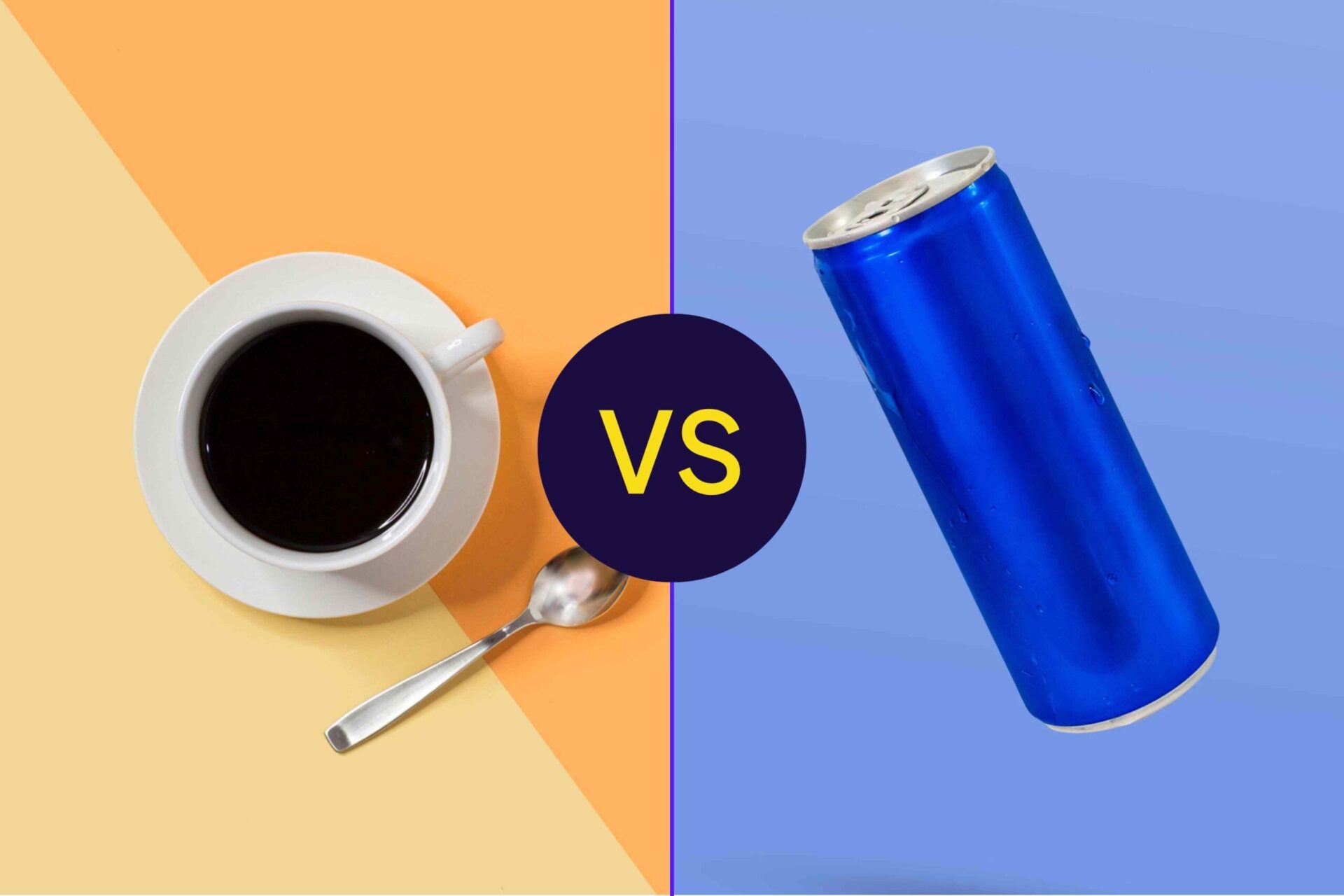
Coffee and energy drinks are popular sources of caffeine, but may have different health effects.Credit: Health / Getty Images
Coffee and energy drinks are popular sources of caffeine, but may have different health effects.
Credit: Health / Getty Images
  • Both coffee and energy drinks can vary in caffeine content.
  • Moderate caffeine consumption is recommended for reducing the risk to your heart.
  • Energy drinks have been shown to cause heart problems, but more research is needed.

Coffee and energy drinks are popular options for a quick energy boost. Both caffeinated beverages can support physical endurance, alertness, and reaction time. However, they can also increase heart rate, reduce steadiness, and increase your added sugar intake.

Which One Will Give You More Energy?

Coffee and energy drinks can both range in caffeine content, which can affect their impact on energy levels. Coffee drinks vary in caffeine based on the brew method and bean type, but on average, a cup (8 ounces) of coffee contains about 113-247 milligrams of caffeine.

Standard 16-ounce energy drinks can contain anywhere from 70 to 240 milligrams of caffeine. Concentrated 2-2.5 ounce energy shots pack about 113-200 milligrams of caffeine in a much smaller volume.

It's important to be aware of how much caffeine you’re consuming and check nutrition labels. However, energy drink manufacturers aren’t required to disclose the caffeine content.

Which Has a Greater Impact on Heart Health?

Research shows consuming high levels of caffeine can raise your blood pressure and heart rate, as well as affect your heart’s rhythm. This risk is especially high for children since their cardiovascular and nervous systems aren’t fully developed.

Coffee's effect on heart health is more widely researched than that of energy drinks. Evidence suggests that moderate coffee drinking can support heart health, while heavy consumption increases heart disease risk. How you prepare your coffee also affects the way it impacts your heart. Boiled coffee, like the kind you can make with a French press, can increase your cholesterol levels. High amounts of caffeine can also have negative effects on the heart, so many people with existing heart conditions choose decaf coffee out of caution.

Some case studies show that energy drink consumption can harm heart health, even in young people, but more research is needed to understand the mechanisms behind this. Some of the more severe cases include sudden death from drinking an energy drink.

What Other Ingredients, Besides Caffeine, Can Affect My Health? 

Coffee and energy drinks aren’t just pure caffeine. It’s important to consider their other ingredients when thinking about how they can impact your health. Early research suggests some of the cardiovascular effects of coffee and energy drinks may be more related to other ingredients than caffeine.

For example, energy drinks can contain a range of other ingredients, such as guarana (which contains additional caffeine), sugar, B vitamins, and other energy-boosting compounds. Both coffee drinks and energy drinks can contain high amounts of added sugar. Energy drinks can also interact with alcohol and prescription or illicit drugs, causing negative health effects.

Risks of Having Too Much Caffeine

Whether you choose coffee, an energy drink, or another caffeinated drink for your energy boost, it’s important to watch how much caffeine you’re consuming per day. Adults without underlying health conditions should limit their total caffeine intake per day to 400 milligrams. People who are pregnant or breastfeeding should stick to half of that limit, or about 200 milligrams. You can always check with your healthcare provider about your individual health status and their recommendations for your caffeine levels.

If you consume too much caffeine, you may notice:

  • A faster heart rate or a racing heart
  • High blood pressure
  • Trouble sleeping
  • Anxiety or jitters
  • Nausea or an upset stomach
  • Headache

If you’re choosing an energy drink, research suggests having only one drink at a time, with a max of two per day, for safer outcomes.


Source link