



Medically reviewed by Aviv Joshua, MS, RDN
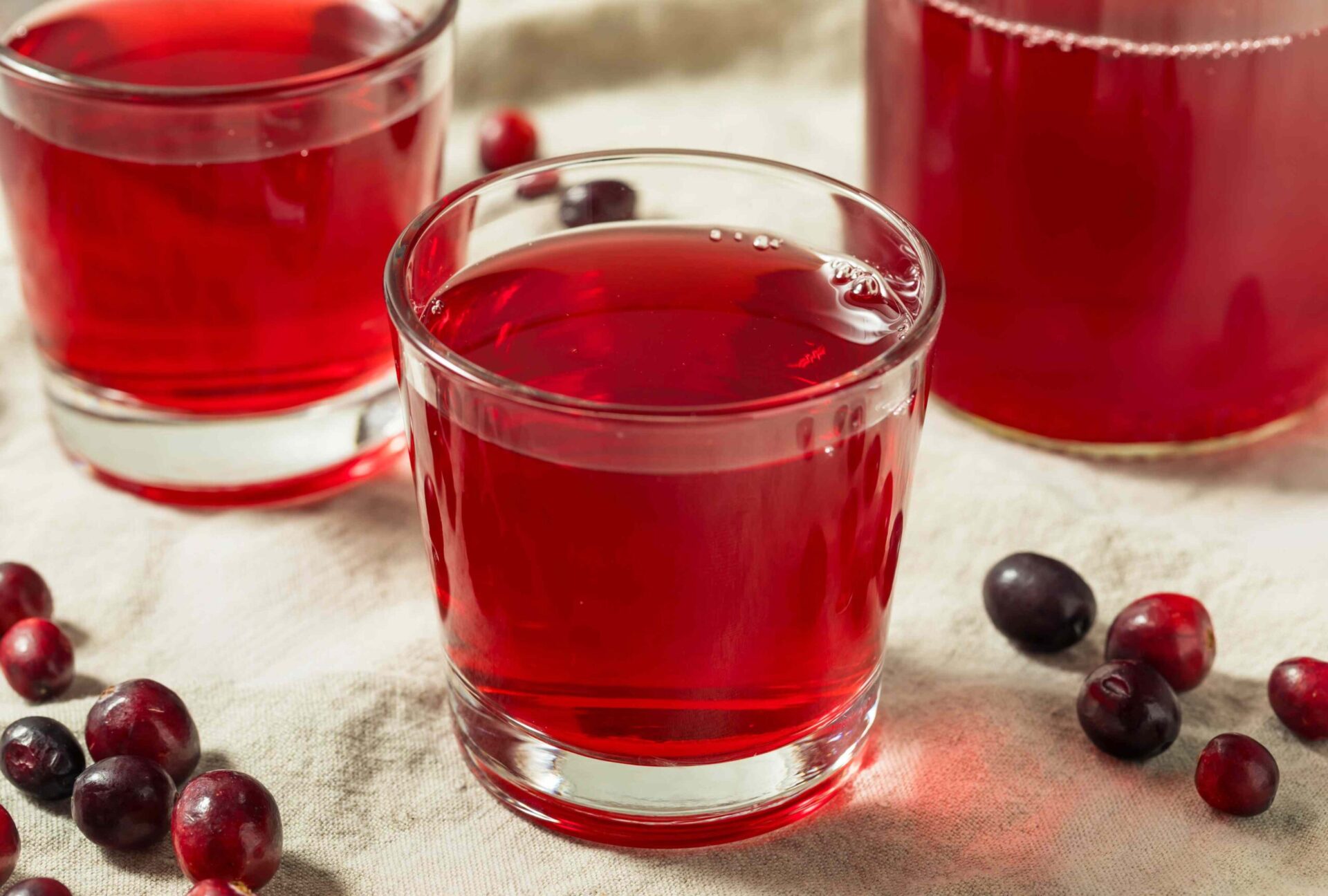
:max_bytes(150000):strip_icc():format(jpeg)/cranberry-juice-11857123-final-0171ebbeef7b4bb58b5d22f84b3cf3e4.jpg "Three glasses of cranberry juice with fresh cranberries")
Credit: bhofack2 / Getty Images
- Cranberry juice may prevent UTIs by stopping bacteria from sticking to bladder cells.
- Drinking cranberry juice supplies your body with vitamins C, E, and K.
- You can add cranberry juice to smoothies, iced tea, salad dressing, and oatmeal.
Cranberry juice is a rich source of antioxidants and vitamins like C and E. Here's what incorporating it into your diet may do for your body.
1. May Protect Against Heart Disease
Research suggests that drinking low-calorie cranberry juice on a regular basis may decrease heart disease risk factors like:
- Blood pressure
- C-reactive protein (a marker of inflammation)
- Fasting blood sugar
- Triglycerides (blood fats)
2. May Boost Immune Function
Drinking cranberry juice may increase the number of immune cells, which serve as a first line of defense against infections like the common cold and flu.
Though cranberry juice doesn't prevent illness, it may significantly decrease cold and flu symptoms. This may be partially due to cranberry juice being high in vitamin C, an antioxidant essential for immune function.
The polyphenols in cranberries also block viruses from reproducing and stimulate the immune system.
3. Prevent Urinary Tract Infections (UTIs)
Regularly drinking cranberry juice may help prevent UTIs. Cranberries contain antioxidants called proanthocyanidins. These antioxidants prevent bacteria like Escherichia coli (E. coli) from attaching to bladder cells, which lower your risk of infection.
Drinking cranberry juice may be more effective at preventing UTIs than taking cranberry capsules or tablets. Juice also provides hydration, which may play a role.
Though cranberry juice may help prevent UTIs, it doesn't treat an existing infection.
4. May Reduce Ulcer Risk
Helicobacter pylori (H. pylori) is a type of bacteria that can cause stomach ulcers and increase your risk of stomach cancer. Many people have this bacteria in their stomach.
Drinking cranberry juice twice a day may decrease H. pylori infection. Some people will need antibiotics or antimicrobial supplements to treat it.
5. May Manage Rheumatoid Arthritis
Rheumatoid arthritis (RA) is an inflammatory autoimmune disease that causes the immune system to mistakenly attack healthy cells. It leads to painful swelling in your joints.
A 2019 study showed that people with RA who drank 2 cups of cranberry juice a day had a significant decrease in anti-CCP antibodies. These proteins mistakenly attack healthy tissue.
6. May Support Gut Health
The gut microbiome is the community of microbes (such as fungi, bacteria, and viruses) that live in your gut. These bacteria produce vitamins, break down food, and support immunity.
Antioxidants in cranberry juice can have a positive impact on your gut microbiome. They lower inflammation, decrease harmful bacteria, and feed beneficial gut bacteria.
In adults with obesity, drinking cranberry juice may ease inflammation and constipation.
7. May Promote Vaginal Health
Vaginal dysbiosis is a bacterial imbalance in the vagina. It happens when helpful bacteria become outnumbered by pathogenic (infection-causing) bacteria.
This type of imbalance can lead to bacterial vaginosis (BV). One small 2021 study on postmenopausal women showed that drinking just one glass of cranberry juice a day for two weeks significantly decreased pathogenic bacteria.
Cranberry juice's ability to support gut bacterial balance also supports the vagina. Bacteria can move from the gut to the vagina.
Cranberry Juice Nutrition Facts
One cup (8 ounces) of unsweetened cranberry juice provides:
- Calories: 116
- Fat: 0.329 grams (g)
- Sodium: 5.06 milligrams (mg)
- Carbohydrates: 30.9 g
- Fiber: 0.253 g
- Sugars: 30.6 g
- Protein: 0.987 g
- Vitamin C: 23.5 mg, 26% of the Daily Value (DV)
- Vitamin E: 3.04 mg, 20% of the DV
- Vitamin K: 12.9 mcg, 10% of the DV
Vitamins C and E both act as antioxidants. Vitamin C supports healthy skin, bones, and connective tissue, promotes healing, and helps the body absorb iron. Meanwhile, vitamin E supports immune function, form red blood cells, prevent blood clots, and helps the body use vitamin K.
Vitamin K helps maintain strong bones. It's also needed to make proteins in the liver that allow blood to clot properly.
Cranberries are rich in polyphenol antioxidants, including phenolic acids, anthocyanins, and flavonoids. These compounds have antimicrobial effects, support immune and brain health, and protect against cancer, diabetes, heart disease, and obesity.
What You Should Know Before Drinking Cranberry Juice
Cranberry products are generally safe. However, they can cause stomach upset and diarrhea if consumed in high amounts, particularly in young children.
There's little direct evidence about the safety of cranberry juice during pregnancy or while breastfeeding. It's generally considered safe, but it's best to speak with a doctor if you're pregnant or breastfeeding—especially if you're taking it to treat a condition like a UTI.
There's conflicting research about whether cranberry interacts with the blood thinner Coumadin (warfarin).
People with UTI symptoms may see a doctor for diagnosis and treatment. It's best to not use cranberry products in place of other UTI treatments.
How To Enjoy Cranberry Juice
When choosing a cranberry juice, you may opt for an unsweetened product over one with added sugars (like cranberry juice cocktail).
Without added sugars, pure cranberry juice can be bitter. You may prefer it mixed with another fruit juice or sparkling water.
You can use cranberry juice in many ways, such as:
- Blend cranberry juice into a smoothie with sweeter fruit like banana or dates.
- Add it to iced tea.
- Use it in salad dressings, marinades, and sauces.
- Freeze cranberry juice into popsicles.
- Use it as the liquid in oatmeal or overnight oats.