Medically reviewed by Simone Harounian, MS
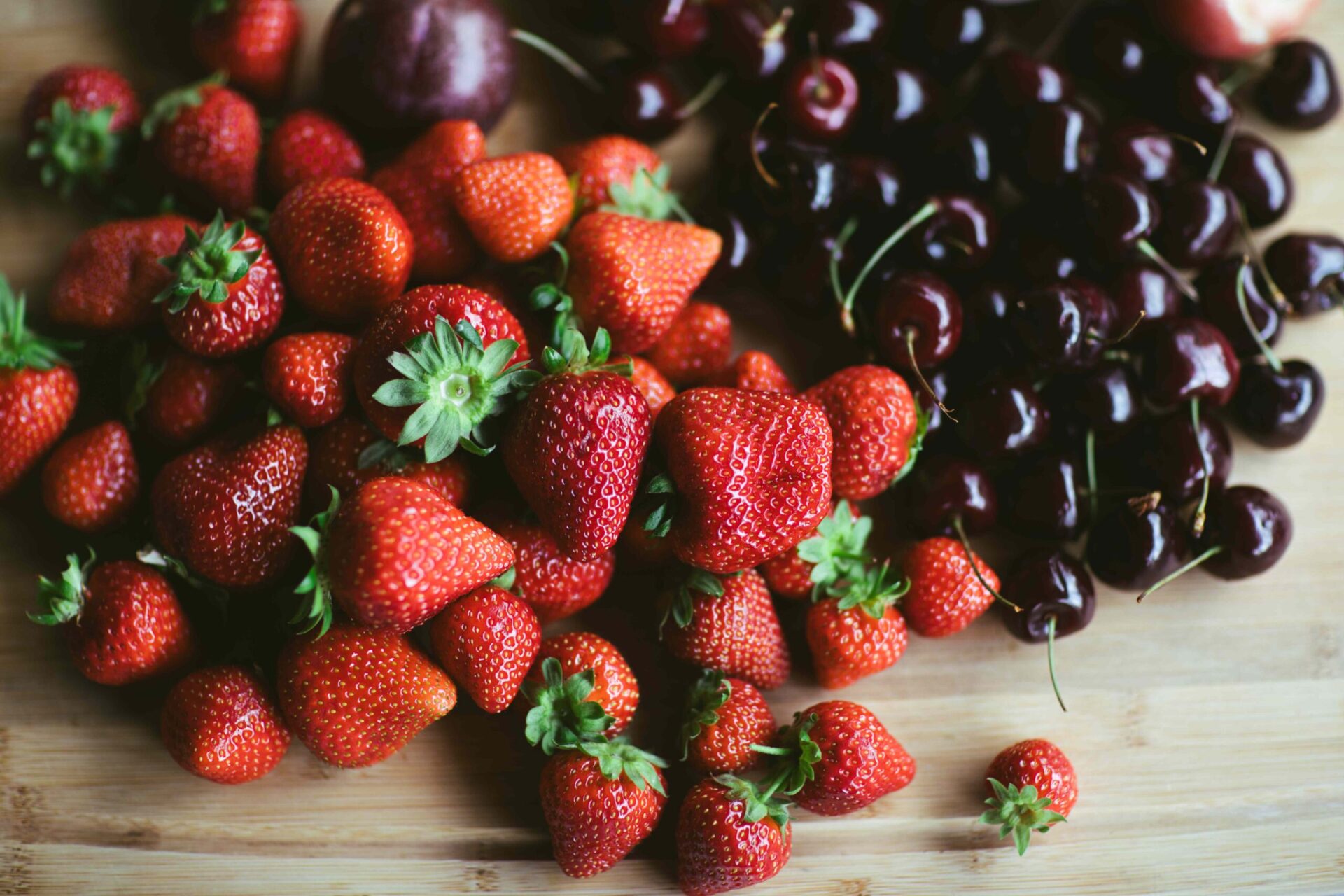
:max_bytes(150000):strip_icc():format(jpeg)/Health-GettyImages-2163932666-080dbf3becfc446badc2a82f644373bb.jpg "Strawberries and cherries on a wooden surface")
Credit: Liliya Krueger / Getty Images
- Fruits common in peak season during the spring months include strawberries, apricots, cherries, pineapple, and avocados.
- When a fruit is in-season, it’s fresher, more flavorful, and has more nutrients than when it’s not in peak growing season.
- Eating fruit seasonally can boost your intake of important nutrients, especially vitamins A and C, potassium, manganese, and folate.
You can find many of the most popular fruits in your local grocery store year-round, but that doesn’t mean they’re actually in season—in fact, fruits typically only have one peak growing season per year, when they are at their freshest, most nutritious, and most flavorful. Here are the best in-season fruits for the spring:
1. Strawberries

- Serving size: 1 cup, raw
- Key nutrients: Vitamin C, manganese, fiber
Strawberries are some of the earliest berries to appear in supermarkets once the weather warms up (blueberries, raspberries, and blackberries all peak in mid- to late-summer). Buying strawberries in May and June, when they’re the reddest, ripest, and sweetest, means you’ll maximize your intake of nutrients like vitamin C, manganese, and fiber.
One serving of strawberries contains almost 100 milligrams of vitamin C. Vitamin C is an antioxidant that strengthens your immune system and helps your body make collagen. You’ll also get 0.6 milligrams of manganese, equal to about 30% of the recommended Daily Value (DV) of the nutrient. Manganese prevents cell damage and keeps your bones strong and healthy. Finally, there are 3 grams of fiber in every 1-cup serving, which helps keep you full for longer and promotes regular bowel movements.
2. Apricots

- Serving size: One medium apricot
- Key nutrients: Vitamin A, potassium
You can find dried apricots in stores year-round, but if you’re looking for a fresh apricot, they start coming into season in early May. It’s worth buying this small, peach-like stone fruit when it’s available: just one medium apricot is loaded with nutrients.
Apricots are considered an excellent source of dietary vitamin A, a fat-soluble vitamin that converts to beta carotene in foods and that also supports your immune system and vision. One apricot contains 34 micrograms of vitamin A, which is about 11% of the DV for adults. It also supplies you with 91 milligrams of potassium, an essential nutrient that supports normal cell function.
3. Cherries

- Serving size: 1 cup, pitted
- Key nutrients: Fiber, potassium, vitamin C, melatonin
Starting in early June, grocery stores fill up with bags of sweet, tart cherries grown in West Coast states like California and Washington. One cup of these mini stone fruits has a surprising amount of nutrients, including 3 grams of fiber, 16.5 milligrams of vitamin C, and 354 milligrams of potassium.
Cherries are unique in their nutrition benefits because they’re a good source of melatonin, a hormone your body produces to help maintain a healthy circadian rhythm. In other words, melatonin improves your sleep quality—and eating cherries, especially tart cherries, can boost your melatonin levels and help you sleep better, according to research.
4. Oranges

- Serving size: 1 cup, raw
- Key nutrients: Vitamins A and C, fiber, potassium
Oranges are typically easy to find in the supermarket no matter the time of year—they have a long growing season, plus specific varieties peak at different times, ensuring there’s almost always a ripe and juicy selection available. Many people associate oranges with the winter months, but spring is an excellent time to buy them, too. The growing seasons for navel, Cara Cara, Valencia, and blood oranges mostly all overlap from March through early May.
Citrus fruits in general are a great source of vitamin C. On average, 1 cup of sliced oranges has 96 milligrams, more than 100% of the DV for adults. Thanks to their bright orange, yellow, and red hues, oranges have some vitamin A (20 micrograms). Plus, 1 cup contains more than 3 grams of fiber. Finally, oranges also have a lot of cell health-promoting potassium, with 181 milligrams of the nutrient per serving.
5. Mangos

- Serving size: 1 cup, raw
- Key nutrients: Fiber, potassium, vitamins A and C, mangiferin
People often overlook mangos when they shop their local produce section, but don’t be intimidated by their awkward size and shape. Yes, they’re a bit difficult to peel and serve, but their high nutrient content—especially during their peak growing season from May through September—is more than worth the effort.
One cup of raw mango contains almost 3 grams of fiber, 60 milligrams of vitamin C, 89 micrograms of vitamin A, and 277 milligrams of potassium. Mangos are unique because they contain a nutrient no other fruit does: mangiferin, a plant-based antioxidant that has been shown to reduce inflammation, promote healthy aging, and benefit diabetes. Some studies have even found that mangiferin may prevent or slow down the growth of cancer cells.
6. Avocados

- Serving size: Half of a large avocado
- Key nutrients: Fiber, potassium, folate
Avocados definitely have a peak growing season where they are fresher, tastier, and bursting with nutrients. California avocados peak beginning in April and Florida avocados beginning in June, so mid- to late spring is the perfect time to stock up on an in-season supply.
Avocados are a good source of protein and healthy monounsaturated fats. They also contain a high amount of fiber per serving at 7 grams. As for other key nutrients, half of a large avocado has 576 milligrams of potassium (about 19% of the DV for adults) as well as 129 micrograms of folate. Folate is a B vitamin that helps produce new cells throughout your entire body and is especially beneficial during pregnancy for healthy fetal development. For people who aren't pregnant or breastfeeding, the DV for folate is 400 micrograms, so the folate in one serving of avocado makes up more than 32% of your DV.
7. Pineapples

- Serving size: 1 cup, raw
- Key nutrients: Vitamin C, manganese, bromelain
Peak pineapple season is from March through July, making spring one of the best times to bring home this sweet, juicy fruit. There’s a good amount of water, fiber, and vitamins A and C in a 1-cup serving of pineapple, but one nutrient where it really stands out is manganese. It contains 1.5 milligrams per serving, which amounts to 75% of the average DV for adults.
Pineapple is also the only fruit source of an enzyme called bromelain, which breaks down proteins to create an anti-inflammatory effect on some parts of the body. In studies, bromelain has been shown to reduce pain and swelling associated with sinus infections and dental problems, as well as to speed up wound healing, especially burns.
8. Papayas

- Serving size: 1 cup, raw
- Key nutrients: Vitamins A and C, potassium, papain
Like other tropical fruits on this list (mangos and pineapples), papayas peak from May through September, making it easier to find them in your grocery store in the spring. They look similar to mangos, but only on the outside—inside, you’ll find a bed of small black seeds instead of a single hard pit. They’re also less sweet than other tropical fruits, so if you’re looking to cut down on natural sugars, papayas can be a good choice.
As for nutrition, a 1-cup serving of papaya contains almost 2.5 grams of fiber, 264 milligrams of potassium, 68 micrograms of vitamin A, and 88 milligrams of vitamin C. Like pineapples, papayas contain papain, an enzyme that helps break down proteins. Papain boasts many of the same potential benefits to inflammation, pain, and wound healing as bromelain.
Why You Should Choose Seasonal Fruit
Thanks to different growing seasons around the world—and our ability to ship and transport food from a wide variety of locations—it’s not too difficult to satisfy a random craving for strawberries in the middle of winter. But there are several reasons to prioritize putting as many in-season fruits as possible on your plate.
- It’s cheaper: When a fruit is in-season in your area, it doesn’t need to be transported a long distance to your grocery store. Transportation costs can increase the overall price of food. In-season fruits are also plentiful, which reduces supply and demand; when there’s enough strawberries available for everyone who wants them, a lack of supply can’t drive up prices.
- It tastes better: In-season fruits don’t have to travel as far from the farm to your kitchen, so they are more likely to arrive ripe and ready to eat. They also don’t have to be harvested early and left to ripen during storage or transport—they can be plucked right off the vine or tree when ripe. This makes in-season fruits juicier and more flavorful.
- It’s healthier: Off-season fruits are usually harvested before peak ripeness, when a fruit contains the highest level of nutrients. Fruits also start losing nutrients once they’re harvested, so off-season fruits that have to travel a long time to get to the store are often slightly lower in nutrients.