Medically reviewed by Kierra Brown, RD
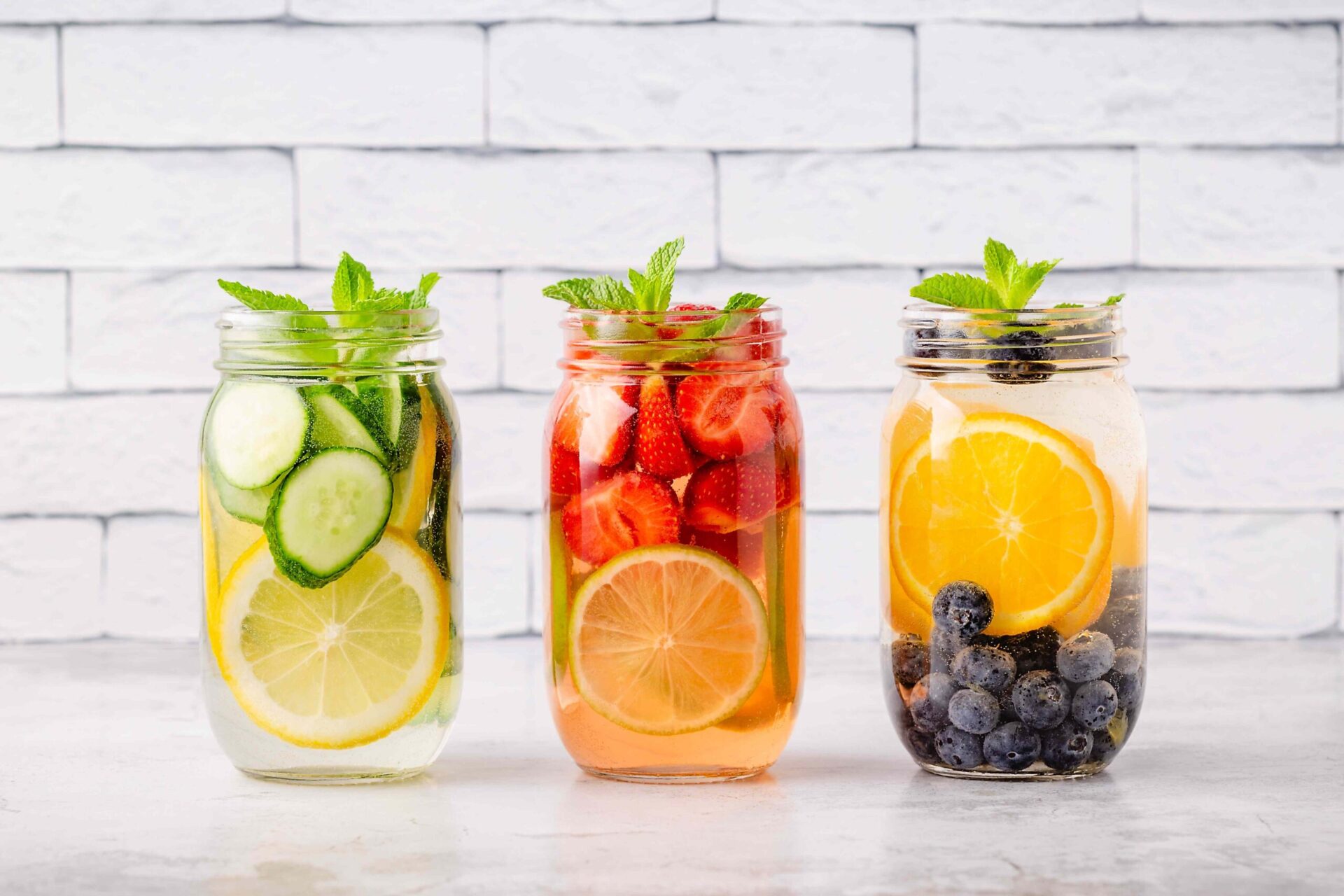
:max_bytes(150000):strip_icc():format(jpeg)/Health-GettyImages-1362739363-e195bad7999045ff91f8a82e3c6d4787.jpg "Three jars of infused water with cucumber and lemon strawberries and lemon blueberries and orange slices garnished with mint.")
Credit: tbralnina / Getty Images
- Berries, cucumbers, herbs, and other add-ins can give your water a nutritious boost.
- These additions may encourage greater hydration, plus they provide antioxidants and other necessary nutrients.
- Plant compounds in certain add-ins have been linked to lower inflammation, better blood sugar outcomes, and other benefits.
Staying hydrated is critical for maintaining good health. But you can get more out of your glass of water—both in terms of flavor and nutrition—with add-ins like citrus fruits, herbs, or electrolyte powders. Here are six that you can add to your daily hydration routine.
1. Citrus

Citrus fruits like lemon, lime, orange, or grapefruit slices are one of the most common additions to plain water. But beyond the tart, sweet flavor they offer, these fruits also provide a nutritional boost with their high vitamin C content.
If you squeeze two lemon wedges into your glass of water, for example, you'll be 5% closer to your daily vitamin C goals. Squeezing juice from half of an orange into your water glass provides 24% of your daily vitamin C needs.
This vitamin plays several important roles in the body, including boosting immune and cognitive function. Plus, as a powerful antioxidant, vitamin C clears away cell-damaging compounds called free radicals. In doing so, it may prevent or slow the progress of certain types of cancers and heart disease.
Citrus fruits, such as oranges and lemons, also contain a compound called citric acid. The body converts citric acid and then uses it to prevent kidney stones from forming.
2. Berries

Berries can be a flavorful addition to your glass of water, plus these fruits provide antioxidants, fiber, micronutrients, and more. However, most research centers around berry consumption—it's not totally clear how many beneficial plant compounds, vitamins, and minerals actually infuse into your glass of water. For greatest health benefits, consider eating the submerged berries after you finish your glass of water.
Here are some berries you can try adding to your water glass:
- Blueberries: These superfoods contain vitamins C and K, as well as calcium and magnesium. Like other berries, they're also a great source of antioxidants called anthocyanins, which give blueberries their color. Studies have linked blueberry consumption with improvements in cholesterol, blood pressure, and cognitive function, and a reduced heart disease and type 2 diabetes risk.
- Strawberries: These berries provide vitamin C, folate, calcium, and magnesium, as well as anthocyanins. Strawberries have links to increases in antioxidant levels, less inflammation, and better blood vessel health.
- Raspberries: These fruits are rich in antioxidants, including vitamin C, vitamin E, and anthocyanins. Plus, raspberries have calcium, magnesium, potassium, and other micronutrients. In people with metabolic syndrome in particular, raspberry consumption may be able to boost the immune system, lower cholesterol levels, and stabilize blood sugar after eating.
- Blackberries: Vitamins A, C, K, and E; minerals like calcium, magnesium, and iron; and antioxidants like anthocyanins make blackberries very beneficial for your health. Research suggests they may have antioxidant, anticancer, anti-diabetic, and anti-inflammatory properties.
3. Cucumber

Sliced cucumber adds a refreshing, crisp taste to your water. Cucumber is also rich in antioxidant vitamins and plant compounds; however, it's unclear how much of those nutrients are available when you drink cucumber water. To ensure the greatest health benefits, you should eat the cucumber slices after drinking your infused water.
The potential benefits of cucumbers include:
- Greater antioxidant activity: Cucumbers offer small amounts of vitamin C, as well as other antioxidant plant compounds such as flavonoids. Research suggests these compounds give cucumbers anti-inflammatory and antioxidant effects. There's also some evidence that antioxidants from cucumber consumption may be able to promote healthy cholesterol levels and reduce pain.
- Healthier blood pressure: Cucumbers contain lots of water and potassium, a mineral that supports healthy sodium levels and blood pressure. Because of this, they could be helpful for hypertension (high blood pressure). Small studies have suggested that drinking cucumber juice regularly can improve blood pressure readings in people with hypertension.
4. Electrolyte Powder

Stirring electrolyte powder into a glass of water is a quick way to add flavor to your water and help your body stay hydrated.
Electrolytes—which include minerals like calcium, magnesium, sodium, and potassium—play several critical roles in the body. They regulate fluid balance, or the amount of water your body holds on to, so they can help boost hydration if your electrolyte levels are low. Electrolytes are also responsible for other functions, such as maintaining stable blood pressure, supporting muscle function, and keeping a steady heart rate.
5. Spices

Spices are usually used for adding flavor and nutrition to meals. However, dissolving them in (usually hot) water can have the same effects. Options to consider adding include:
- Cinnamon: This common spice contains a bioactive compound called cinnamaldehyde, which has antioxidant and anti-inflammatory properties, in addition to other antioxidants called polyphenols. Some studies have linked cinnamon consumption with improved heart health, while a 2015 study found cinnamon tea may help lower blood sugar.
- Clove: Eugenol, a plant compound, is one of the major components in cloves. It has antioxidant, anti-inflammatory, and antimicrobial properties, which may make clove water a good addition to your health. Clove may also help promote better oral health, among other benefits, though more research is needed.
- Ginger: Gingerol and other compounds found in ginger have anti-inflammatory and antioxidant properties. Because of this, the root may be able to help with blood sugar, cholesterol, inflammation, and more.
6. Herbs

Adding fresh herbs to water could encourage you to drink more by enhancing the flavor.
Herbs are also great sources of beneficial plant compounds, though not all of them may make it into your glass of water—there's some research supporting boiling or soaking herbs in water as a way to extract micronutrients or antioxidants, but most studies focus on oil extractions.
Still, here are two to try:
- Mint: Menthol, the main plant component in mint, has anti-inflammatory, anticancer, and antibacterial benefits.
- Basil: This herb contains vitamins C, E, and K, as well as antioxidant plant compounds like eugenol. These compounds help eliminate cell-damaging free radicals, which may help prevent heart health issues and other diseases. Some studies suggest basil may even help boost cognitive function, though more research is needed.
Tips for Adding Flavored Water to Your Diet
It’s easy to take your water to the next level and give it a nutritious boost. Here’s how to get the most out of your water:
- Go for longer infusion times: Known as maceration, a cold infusion involves leaving fruits, vegetables, or other plant foods in a pitcher of water for a longer period of time. Studies suggest this low-temperature brewing should take around 12 hours, and that it can be effective in extracting beneficial plant compounds into water.
- Muddle herbs: Crushing dried herbs or muddling fresh mint, basil, cucumber, or citrus before adding water is a quick way to add flavor. This technique may also improve the efficiency of water infusion.
- Watch for sweeteners: If you’re adding electrolyte powders to your water, check the ingredient label and avoid added sugars. Eating too many added sugars can increase the risk of obesity, type 2 diabetes, and more.
- Make teas: You can also steep spices and herbs like ginger, clove, and mint in boiling water to make herbal tea, or create an infusion to add to a cold glass of water later. Research done in tea suggests hotter brewing temperatures can lead to greater antioxidant extraction.





:max_bytes(150000):strip_icc():format(jpeg)/coffeevsenergydrink-738dcdca64dd44cf913c6acb21f2dc44.jpg "A cup of coffee and a metal can side by side with a VS icon in the middle")