
When you’re looking to apply for a credit card, you may wonder: “How good is the welcome offer I’m applying for?”
There’s no simple answer to this question, but knowing the previous offers a card has had can help you determine what a good welcome offer is. Getting any welcome offer is better than getting nothing at all, but you wouldn’t want to apply for a card and then see a higher offer a month later.
We’ve collected and analyzed the offer history over the past few years for Capital One’s most popular cards and determined the best time to apply for each card.
It’s important to note that we’ll only discuss publicly available welcome offers. However, you might receive targeted offers that offer more bonus miles or cash back. Keep in mind that offers may change at any time, and some of those mentioned below may not be available.
Best Capital One credit card welcome bonuses
| Card | Best welcome offer we’ve seen | When to apply |
|---|---|---|
|
Earn up to 100,000 bonus miles after spending $5,000 on purchases in the first three months from account opening |
When the bonus offer is 75,000 miles or higher |
|
|
Earn up to 150,000 bonus miles: 75,000 miles after spending $7,500 in the first three months, and an additional 75,000 miles after spending $30,000 in the first six months from account opening. |
When the bonus offer is 75,000 miles or higher |
|
|
Earn 100,000 bonus miles after spending $10,000 on purchases within the first six months of account opening |
When the bonus offer is 75,000 miles or higher |
|
|
Earn up to 400,000 bonus miles: 200,000 miles after spending $30,000 on purchases in the first three months of account opening, plus an additional 200,000 miles after spending $150,000 on purchases in the first six months of account opening |
When the bonus offer is 150,000 miles or higher |
|
|
Earn 40,000 miles after spending $1,000 in the first three months of account opening |
When the bonus offer is 20,000 miles or higher |
|
|
Enjoy a $100 Capital One Travel credit to use in the first cardholder year. Plus, earn a $200 cash bonus after spending $500 on purchases in the first three months from account opening |
When the bonus offer is $200 or higher |
|
|
Enjoy a $100 Capital One Travel credit to use in the first cardholder year. Plus, earn a $200 cash bonus after spending $500 on purchases in the first three months from account opening |
When the bonus offer is $200 or higher |
|
|
Earn Up to $3,000: $500 after spending $5,000 on purchases in the first three months from account opening and $2,500 after spending $50,000 on purchases in the first six months |
When the bonus is $1,000 or higher |
Capital One Venture Rewards Credit Card
The Capital One Venture Rewards Credit Card earns an unlimited 2 miles per dollar spent on every purchase, plus 5 miles per dollar spent on hotels, rental cars and vacation rentals booked through Capital One Travel.
The card’s modest $95 annual fee, simple earning structure and solid return on everyday spending make it a keeper once you’re approved for it.
Here are the offers we’ve seen on the Capital One Venture Rewards:
Welcome offer history
| Approximate date | Offer | Value* |
|---|---|---|
|
75,000 miles after spending $4,000 on purchases in the first three months |
$1,388 |
|
|
75,000 miles after spending $4,000 on purchases in the first three months, plus a $250 Capital One Travel credit to use in your first cardholder year |
Up to $1,638, including the statement credit |
|
|
75,000 miles after spending $4,000 on purchases in the first three months |
$1,388 |
|
|
75,000 miles after spending $4,000 on purchases in the first three months, plus a $250 Capital One Travel credit to use in your first cardholder year |
Up to $1,638, including the statement credit |
|
|
September 2024 to February 2025
|
75,000 miles after spending $4,000 on purchases in the first three months |
$1,388 |
|
75,000 bonus miles after spending $4,000 on purchases in the first three months of account opening, plus a $250 Capital One Travel credit in the first cardholder year |
Up to $1,638, if you maximize the entire credit |
|
|
80,000 to 100,000 miles after spending $5,000 on purchases in the first three months (targeted offer available through QR codes at select airports)
75,000 miles after spending $4,000 on purchases in the first three months of account opening (public offer) |
$1,480 to $1,850 (targeted offer)
$1,388 (public offer) |
|
|
September 2021 to June 2023
|
75,000 miles after spending $4,000 on purchases in the first three months |
$1,388 |
*Bonus offer value is based on TPG’s April 2026 valuations and not provided by the credit card issuer.
Highest welcome offer
The highest offer we’ve seen on this card allowed new cardholders to earn up to 100,000 bonus miles after spending $5,000 on purchases within the first three months of account opening.

Reward your inbox with the TPG Daily newsletter
Join over 700,000 readers for breaking news, in-depth guides and exclusive deals from TPG’s experts
When to apply for this card
When the bonus offer is 75,000 miles or higher, it meets our criteria on when to apply.
Learn more: Capital One Venture Rewards Credit Card
Related: Is the Capital One Venture Rewards card worth it?
Capital One Venture Business
The Capital One Venture Business card is a straightforward option for business owners who want consistent travel rewards without tracking bonus categories. With a $95 annual fee, it offers simple earning rates, easy-to-use credits and flexible redemption options that help offset the cost year after year.
While it doesn’t come with premium perks like lounge access, its simplicity and solid earning structure make it a reliable long-term choice for everyday business spending.

Highest welcome offer
The current offer of up to 150,000 miles (75,000 miles after spending $7,500 on purchases in the first three months, and an additional 75,000 miles once you spend $30,000 on purchases in the first six months) is the only offer we’ve seen so far.
When to apply for this card
As a newly launched card, the Venture Business doesn’t yet have a long-term offer history. Since there’s limited historical data, we recommend applying when the base bonus is 75,000 miles or higher.
Learn more: Capital One Venture Business
Capital One Venture X Rewards Credit Card
With plentiful, easy-to-understand perks, the Capital One Venture X is a no-brainer for all travelers, from luxury seekers to the more budget-minded, and the card practically pays for itself year after year.
Though the card carries a $395 annual fee, it offers a $300 annual credit toward bookings made through Capital One Travel and rewards cardholders with 10,000 bonus miles each account anniversary.
Here are the offers we’ve seen on the Capital One Venture X:
Welcome offer history
| Approximate date | Offer | Value* |
|---|---|---|
|
Earn 75,000 bonus miles after spending $4,000 on purchases in the first three months from account opening |
$1,388 |
|
|
November 2025 to January 2026
|
100,000 bonus miles after spending $10,000 on purchases within the first six months of account opening |
$1,850 |
|
March 2022 to November 2025
|
75,000 miles after spending $4,000 on purchases in the first three months of account opening |
$1,388 |
*Bonus offer value is based on TPG’s April 2026 valuations and not provided by the credit card issuer.
Highest welcome offer
The highest offer we’ve seen on this card offered 100,000 bonus miles earned after spending $10,000 on purchases within the first six months of account opening.
When to apply for this card
When the bonus offer is 75,000 miles or higher, it’s a good time to apply.
Learn more: Capital One Venture X Rewards Credit Card
Related: Is the Capital One Venture X worth the $395 annual fee?
Capital One Venture X Business
The Venture X Business launched in early 2023 with an incredible welcome bonus and a matching sky-high spending requirement.
The Venture X Business carries the same $395 annual fee as the personal version and offers the same major perks, including a $300 annual travel credit for bookings made through Capital One Business Travel and access to Capital One and participating Priority Pass lounges. It also carries the same earning rates as the Venture X.

Here are the offers we’ve seen on the Capital One Venture X Business:
Welcome offer history
| Approximate date | Offer | Value* |
|---|---|---|
|
Earn 150,000 bonus miles after spending $30,000 in the first three months from account opening. |
$2,775 |
|
|
Up to 400,000 bonus miles: 200,000 miles after spending $30,000 on purchases in the first three months from account opening, plus an additional 200,000 miles after spending $150,000 on purchases in the first six months. |
Up to $7,400 |
|
|
150,000 miles after spending $30,000 on purchases in the first three months from account opening |
$2,775 |
|
|
Up to 350,000 miles: 150,000 miles after spending $30,000 on purchases in the first three months of account opening, plus an additional 200,000 miles after spending $200,000 on purchases in the first six months of account opening |
Up to $6,475 |
|
|
150,000 miles after spending $30,000 on purchases in the first three months from account opening |
$2,775 |
|
|
Up to 300,000 miles: 150,000 miles after spending $20,000 on purchases in the first three months of account opening and another 150,000 miles after spending $100,000 on purchases in the first six months of account opening |
$5,550 |
|
|
September 2023 to January 2024
|
150,000 miles after spending $30,000 on purchases in the first three months from account opening |
$2,775 |
|
Up to 300,000 miles: 150,000 miles after spending $30,000 on purchases in the first three months of account opening and another 150,000 miles after spending $500,000 on purchases in the first six months of account opening. |
$5,550 |
*Bonus offer value is based on TPG’s April 2026 valuations and not provided by the credit card issuer.
Highest welcome offer
The highest offer we’ve seen on this card is up to 400,000 bonus miles: Earn 200,000 miles after spending $30,000 on purchases in the first three months from account opening, plus an additional 200,000 miles after spending $150,000 on purchases in the first six months.
When to apply for this card
When the bonus offer is 150,000 miles or higher, it meets our criteria for when to apply.
Learn more: Capital One Venture X Business
Related: Is the Venture X Business worth the $395 annual fee?
Capital One VentureOne Rewards Credit Card
While it comes with fewer perks, the Capital One VentureOne Rewards offers the same great redemption options as its sister cards, the Capital One Venture Rewards and the Capital One Venture X, with no annual fee. You’ll earn a flat 1.25 miles per dollar spent on everyday purchases.
Here are the offers we’ve seen on the Capital One VentureOne Rewards:
| Approximate date | Offer | Value* |
|---|---|---|
|
Earn 20,000 miles after spending $500 on purchases in the first three months from account opening. |
$370 |
|
|
Earn 20,000 miles after spending $500 on purchases in the first three months from account opening. Plus, receive a $100 credit to use toward flights, stays, and rental cars booked through Capital One Travel during the first cardholder year. |
$470 |
|
|
Earn 20,000 miles after spending $500 on purchases in the first three months from account opening. |
$370 |
|
|
Earn 40,000 miles after spending $1,000 on purchases in the first three months from account opening. |
$740 |
*Bonus offer value is based on TPG’s April 2026 valuations and not provided by the credit card issuer.
Highest welcome offer
The highest offer we’ve seen allowed new cardholders to earn 40,000 miles after spending $1,000 in the first three months of account opening.
When to apply for this card
When the bonus offer is 20,000 miles or higher.
Learn more: Capital One VentureOne Rewards Credit Card
Related: How (and why) you should earn transferable credit card points
Capital One Savor Cash Rewards Credit Card
The biggest downsides to cash-back cards are low earning rates and a lack of bonus categories, but that’s definitely not true of the Capital One Savor Cash Rewards.
For no annual fee, the Savor offers strong cash-back earning rates on popular and often overlooked categories, including 3% back on dining, entertainment and popular streaming services.
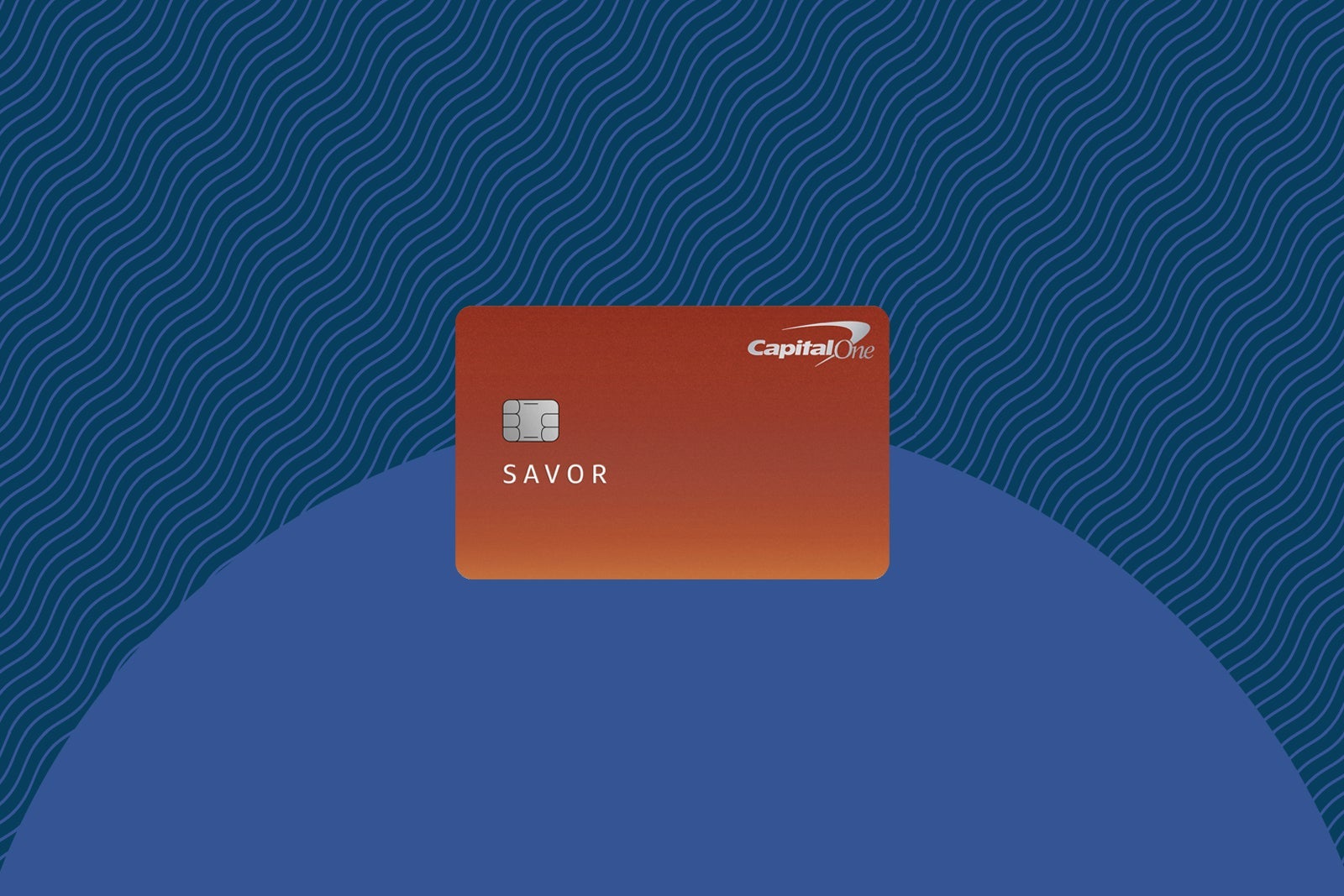
Here are the offers we’ve seen on the Capital One Savor Cash Rewards:
| Approximate date | Offer | Value |
|---|---|---|
|
Earn $200 after spending $500 on purchases in the first three months from account opening |
$200 |
|
|
Earn $200 after spending $500 on purchases in the first three months from account opening. Plus, receive an additional $100 credit to use toward flights, stays and rental cars booked through Capital One Travel during your first cardholder year. |
$300 |
|
|
December 2024 to August 2025
|
Earn $200 after spending $500 on purchases in the first three months from account opening |
$200 |
|
Earn $250 after spending $500 on purchases in the first three months from account opening |
$250 |
Highest welcome offer
The highest offer we’ve seen included a $100 Capital One Travel credit to use in the first year. Plus, new cardholders could receive a $200 cash bonus after spending $500 on purchases within the first three months of account opening.
When to apply for this card
When the bonus offer is $200 or higher, it meets our criteria for when to apply.
Learn more: Capital One Savor Cash Rewards Credit Card
Related: The pros and cons of cash-back credit cards
Capital One Quicksilver Cash Rewards Credit Card
The Capital One Quicksilver Cash Rewards is another great card with no annual fee. It earns a reliable 1.5% cash back on all purchases, making it a perfect go-to card for the odd purchase that doesn’t fit in any bonus categories.
While many other cards offer higher earning potential in specific spending categories, this card offers the safety of knowing you’ll earn a solid 1.5% back no matter what you buy.
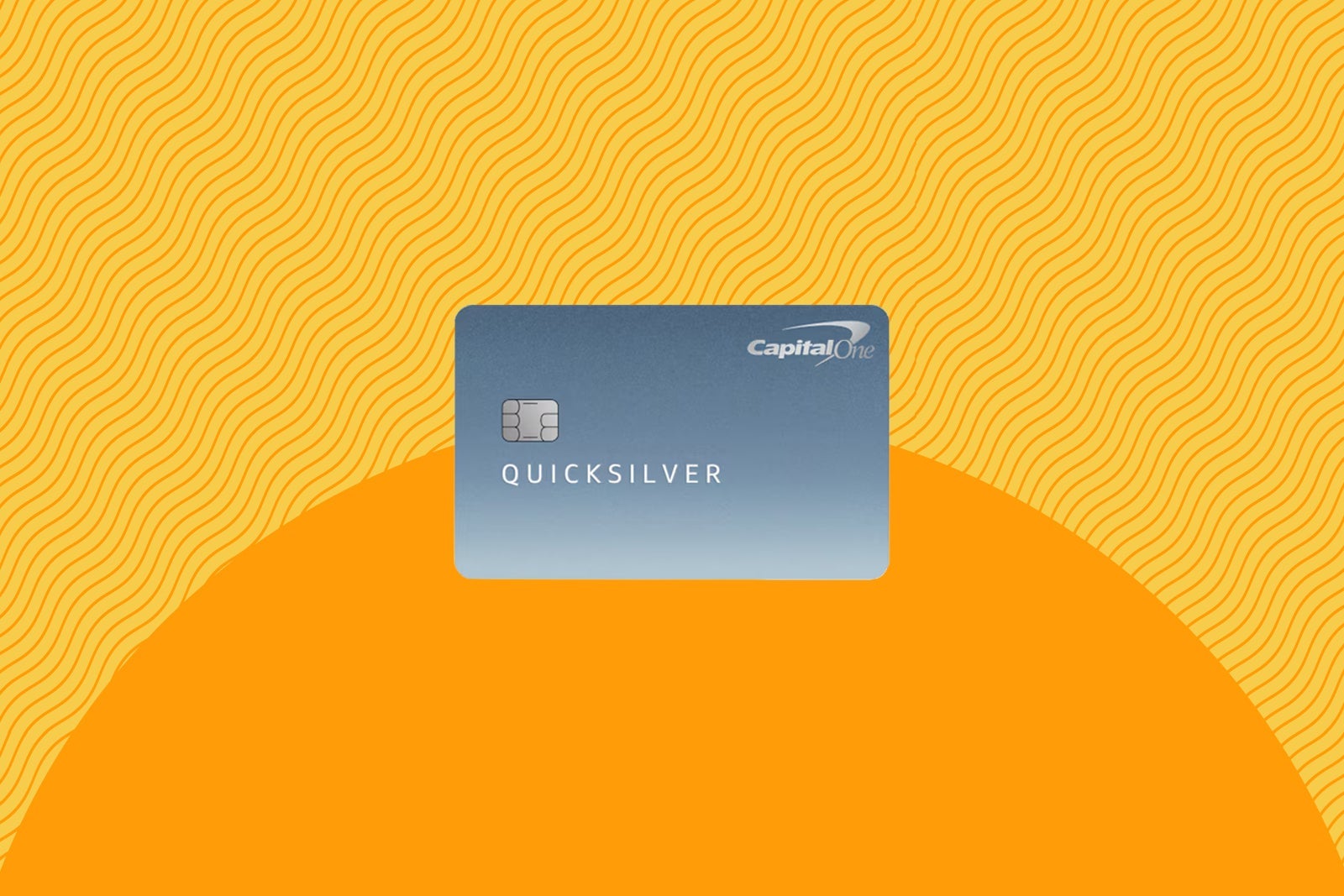
Here are the offers we’ve seen on the Capital One Quicksilver Cash Rewards:
| Approximate date | Offer | Value |
|---|---|---|
|
Earn $200 after spending $500 on purchases in the first three months from account opening |
$200 |
|
|
Earn $200 after spending $500 on purchases in the first three months from account opening. Plus, receive an additional $100 credit to use toward flights, stays and rental cars booked through Capital One Travel during your first cardholder year |
$300 |
|
|
October 2020 to August 2025
|
Earn $200 after spending $500 on purchases in the first three months from account opening |
$200 |
Highest welcome offer
The highest offer we’ve seen included a $100 Capital One Travel credit to use in the first year. Plus, new cardholders could receive a $200 cash bonus after spending $500 on purchases within the first three months of account opening.
When to apply for this card
When the bonus offer is $200 or higher, it meets our criteria for when to apply.
Learn more: Capital One Quicksilver Cash Rewards Credit Card
Related: Business cards vs. personal cards: Key differences
Capital One Spark Cash Plus
The Capital One Spark Cash Plus earns 2% cash back on all purchases and is ideal for business owners who want to earn reliable cash-back rewards on all their expenses. It is worth noting that this is a no preset spending limit card, meaning cardholders must pay off their balances in full each month.
The card has a modest $150 annual fee that can be refunded when you spend at least $150,000.

Here are the offers we’ve seen on the Capital One Spark Cash Plus:
Welcome offer history
| Approximate date | Offer | Value |
|---|---|---|
|
$2,000 cash back after spending $30,000 on purchases in the first three months from account opening and an additional $2,000 cash bonus for every $500,000 spent during the first year |
$2,000 (or more, depending on spending in the first year) |
|
|
$1,200 cash back after spending $30,000 on purchases in the first three months from account opening |
$1,200 |
|
|
Up to $3,000: $1,500 after spending $20,000 on purchases in the first three months from account opening and an additional $1,500 after spending $100,000 on purchases in the first six months from account opening |
Up to $3,000 |
|
|
June 2023 to January 2024
|
$1,200 cash back after spending $30,000 on purchases in the first three months from account opening |
$1,200 |
|
Up to $1,000: $500 after spending $5,000 on purchases in the first three months from account opening and $500 after spending $50,000 on purchases in the first six months from account opening |
Up to $1,000 |
|
|
August 2021 to April 2022
|
Up to $3,000: $500 after spending $5,000 on purchases in the first three months from account opening and $2,500 after spending $50,000 on purchases in the first six months from account opening |
Up to $3,000 |
Highest welcome offer
The highest welcome offer we’ve seen on this card offered up to $3,000: $500 after spending $5,000 on purchases in the first three months from account opening and $2,500 after spending $50,000 on purchases in the first six months from account opening.
When to apply for this card
When the bonus is higher than $1,000, it meets our criteria to apply.
Learn more: Capital One Spark Cash Plus
Related: A guide to Capital One’s Spark business cards
Bottom line
Before you go fill out a Capital One credit card application, you’ll want to ensure you can get the best welcome bonus possible. We’ve collected data year over year on Capital One welcome offers that can provide you with some guidance on the best time to apply.
This guide can serve as a reference for the best time to apply for your next Capital One card.
Check out our other offer history guides when you’re looking to apply for your next credit card:
For Capital One products listed on this page, some of the benefits may be provided by Visa® or Mastercard® and may vary by product. See the respective Guide to Benefits for details, as terms and exclusions apply.

Stacie Harris is a local resident and reporter of the Maple Grove area. Stacie reports on medicine and science for the Maple Grove Report.