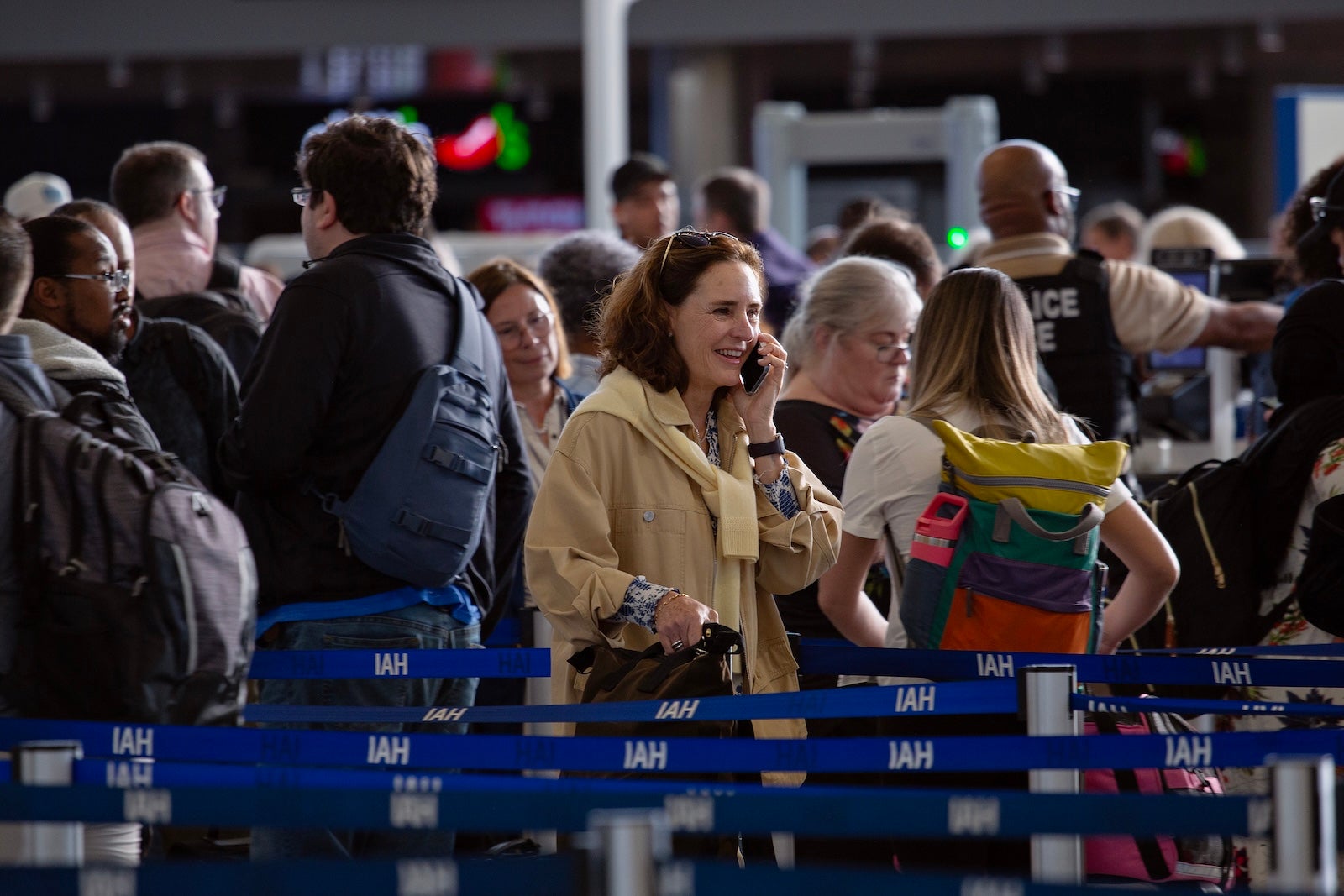

Well, here we go again … maybe. There is growing concern that the long airport security lines that plagued travelers in March could be back within the next few weeks.
Transportation Security Administration officers are at risk of again going without pay by the middle of May, the Trump administration has warned.
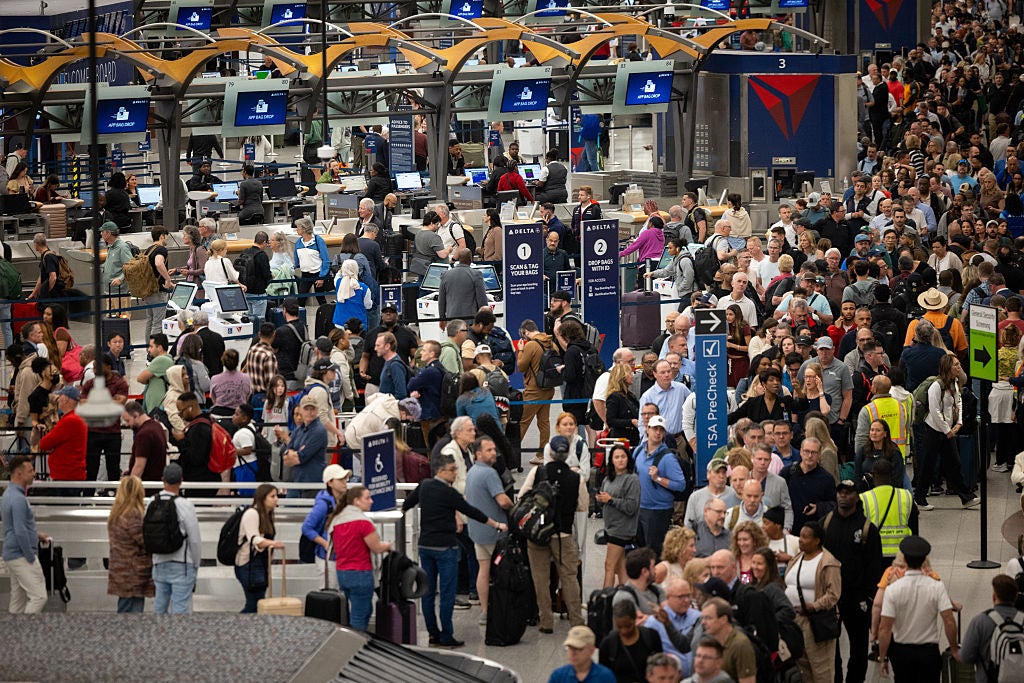
Last time that happened, we saw hourslong TSA backups at some of the nation’s busiest airports, as officers resigned and many called off work.
If something doesn’t change soon, travelers could face more chaos in airport terminals just ahead of a busy summer travel season — one that includes the World Cup in cities across North America.
Why is this happening again?
Security wait times hit a fever pitch in late March as TSA officers went several weeks without pay amid a partial government shutdown affecting the U.S. Department of Homeland Security.
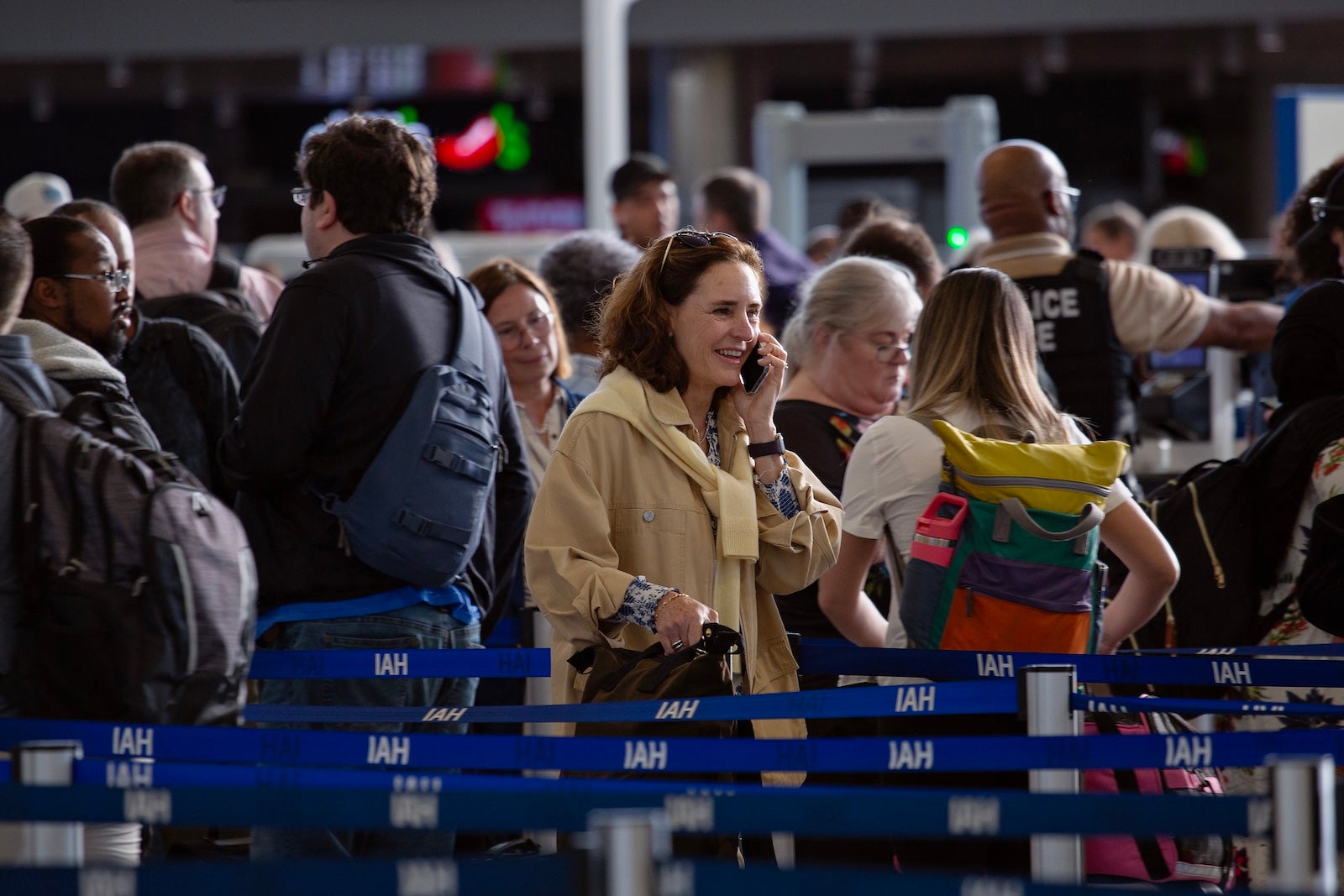
Lines stretched through (and in some cases outside of) airports, passengers missed flights, and Immigration and Customs Enforcement officers were called in to help patrol airports.
Only a Band-Aid
Then, the story largely faded from the public eye when the Trump administration opted to use executive action to pay TSA workers, drawing on emergency funds allocated last year by the so-called “One Big Beautiful Bill.”
But even as wait times began to improve, the government shutdown itself — and the stalemate in Washington, D.C. — never actually ended. It has been going on since mid-February.
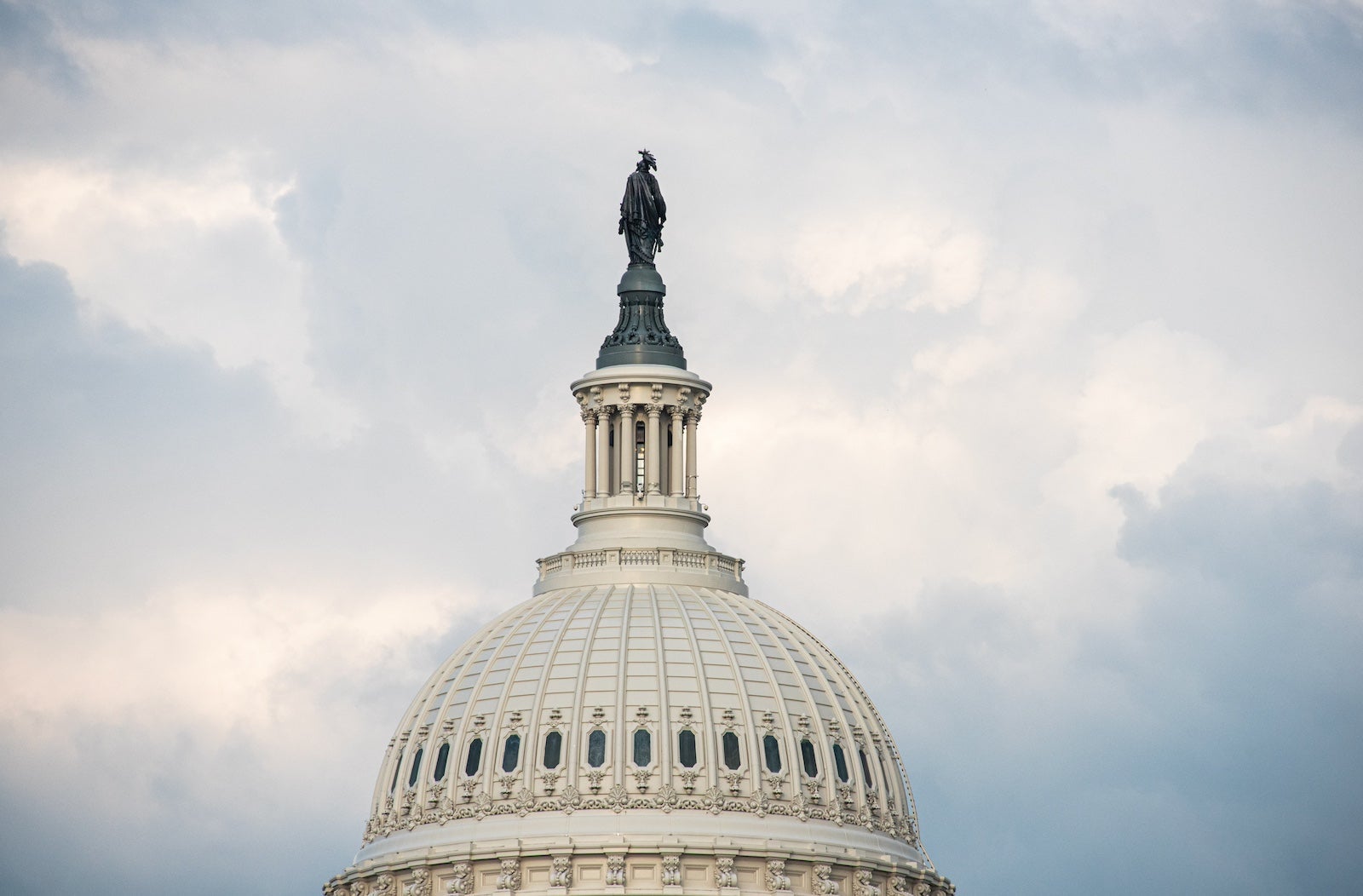
And speaking last week on Fox News, Department of Homeland Security Secretary Markwayne Mullin claimed that the emergency funding the administration has been using to pay TSA employees will run out after the first week of May.
This is renewing concerns about what travel could look like in the coming weeks.

Reward your inbox with the TPG Daily newsletter
Join over 700,000 readers for breaking news, in-depth guides and exclusive deals from TPG’s experts
TSA workers at risk to miss paychecks, yet again
The TSA workers’ union on Monday told TPG that its workers are not guaranteed to continue receiving paychecks if the gridlock on Capitol Hill drags on.
It’s not clear how quickly that could trigger a resurgence in worker call-offs and checkpoint wait times, but it seems a likely bet we’d see both. TSA officers went more than 40 days without pay during last fall’s marathon shutdown, and another six weeks without paychecks during this latest one.
In a statement Tuesday, the airline industry lambasted lawmakers for their inability to reach a deal to fully reopen the government.
“The urgency to provide predictable and stable funding for TSA is growing stronger by the day,” Airlines for America, the lobbying group for the largest U.S. carriers, said. “Congress should get a deal done and quit playing politics with our nation’s aviation system.”
Getting old for travelers, aviation workers
For frequent travelers, the wave of shutdown-related travel disruptions is certainly growing old.
The snaking TSA lines in March came on the heels of mass travel woes during the fall shutdown. Travelers likely recall that the government stalemate also affected air traffic controllers and triggered tens of thousands of flight delays and cancellations. It also caused more than $6 billion in losses across the travel sector, the nonpartisan U.S. Travel Association said in January.
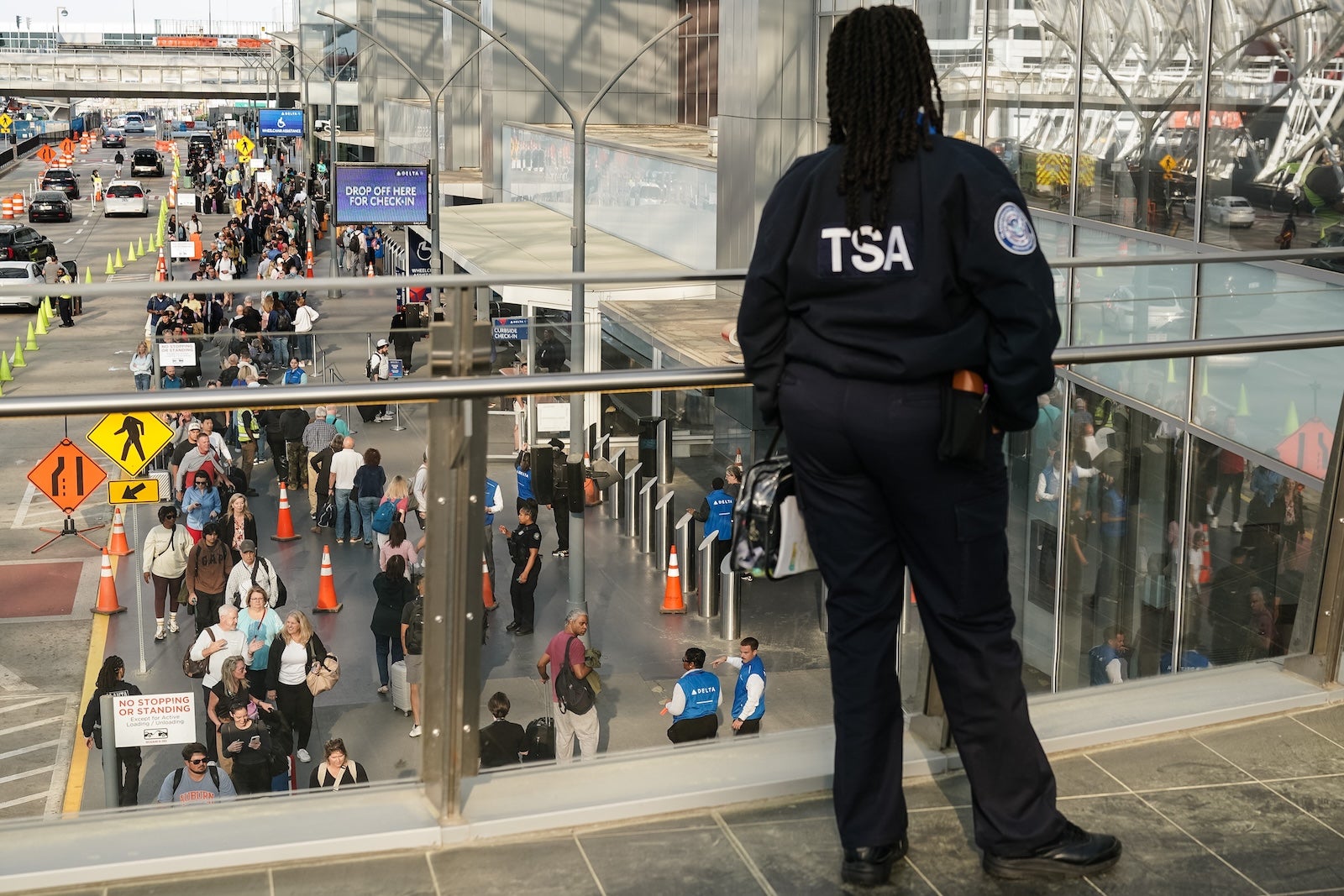
In recent months, we’ve seen proposed legislation on Capitol Hill designed to prevent critical aviation workers from going without pay during future shutdowns — and to pay TSA workers during this current one.
Neither has been passed, which means air travel, for now, remains squarely in the middle of political showdowns in Washington.
And, based on what one of the airline industry’s most outspoken executives has said, it doesn’t sound like that will change anytime soon.
Kirby: Lawmakers brutally honest behind closed doors
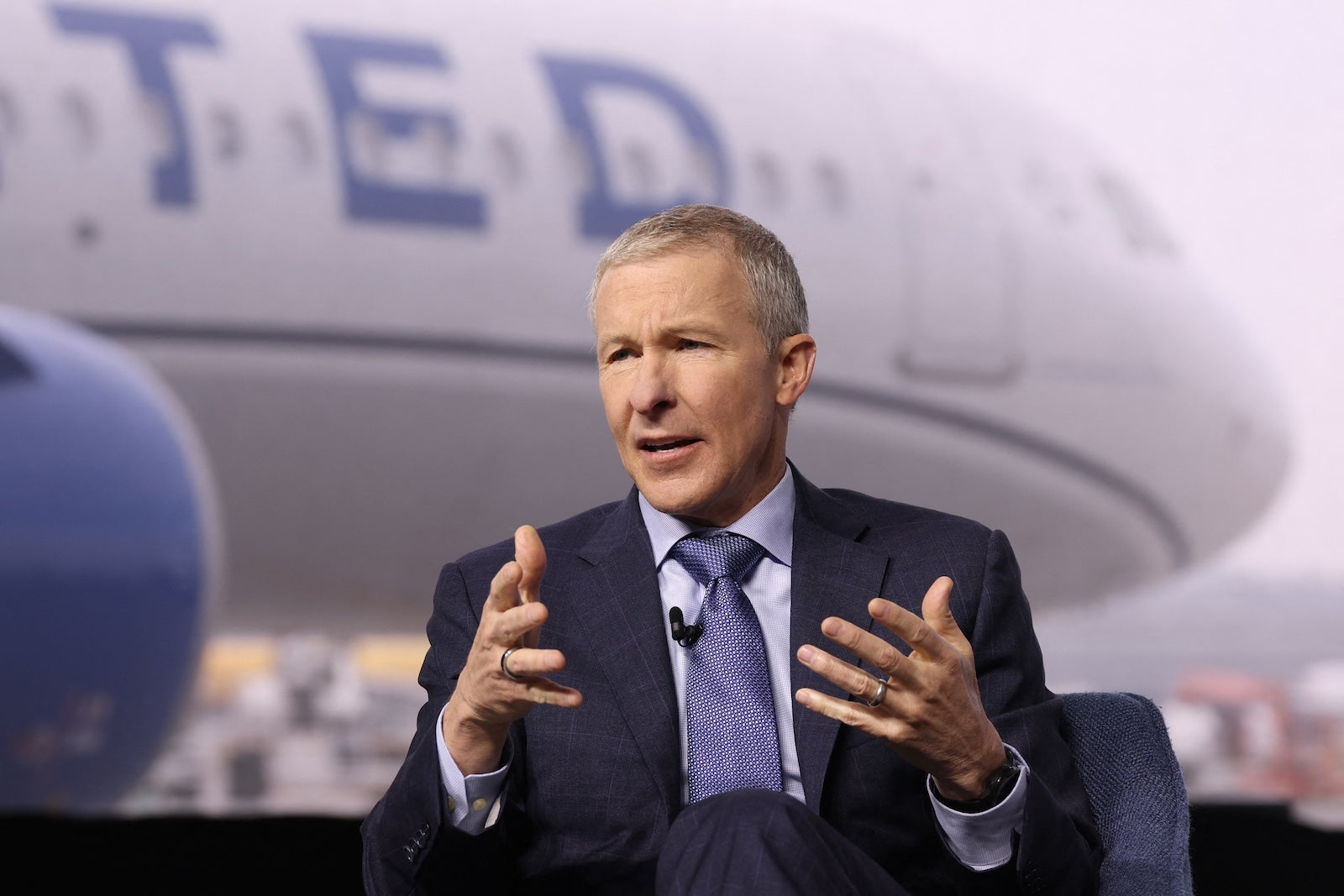
Speaking last month in Los Angeles, United Airlines CEO Scott Kirby said he’s spoken with lawmakers and claims they’ve essentially admitted to using airport chaos as leverage in budget talks.
“Some of them, at least — behind closed doors — will be honest and say, ‘It’s not fair, it’s not right, we agree that we should pay people, but if we don’t have FAA, TSA stress, we can never get our work done,'” Kirby said, speaking at a company event in LA on March 24.
“That’s ridiculous to me,” he added. “But that’s the way it is.”
As a reminder, Federal Aviation Administration and TSA workers perform vital safety duties designed to keep travelers safe when they fly. The TSA itself was created in the immediate aftermath of the terror attacks on Sept. 11, 2001.
Longer-term concerns
Even if Congress reaches a deal in the coming weeks, there remain longer-term concerns about airport security delays.
DHS on Monday told TPG it has seen more than 1,100 TSA officers leave their jobs since the shutdown began Feb. 14.
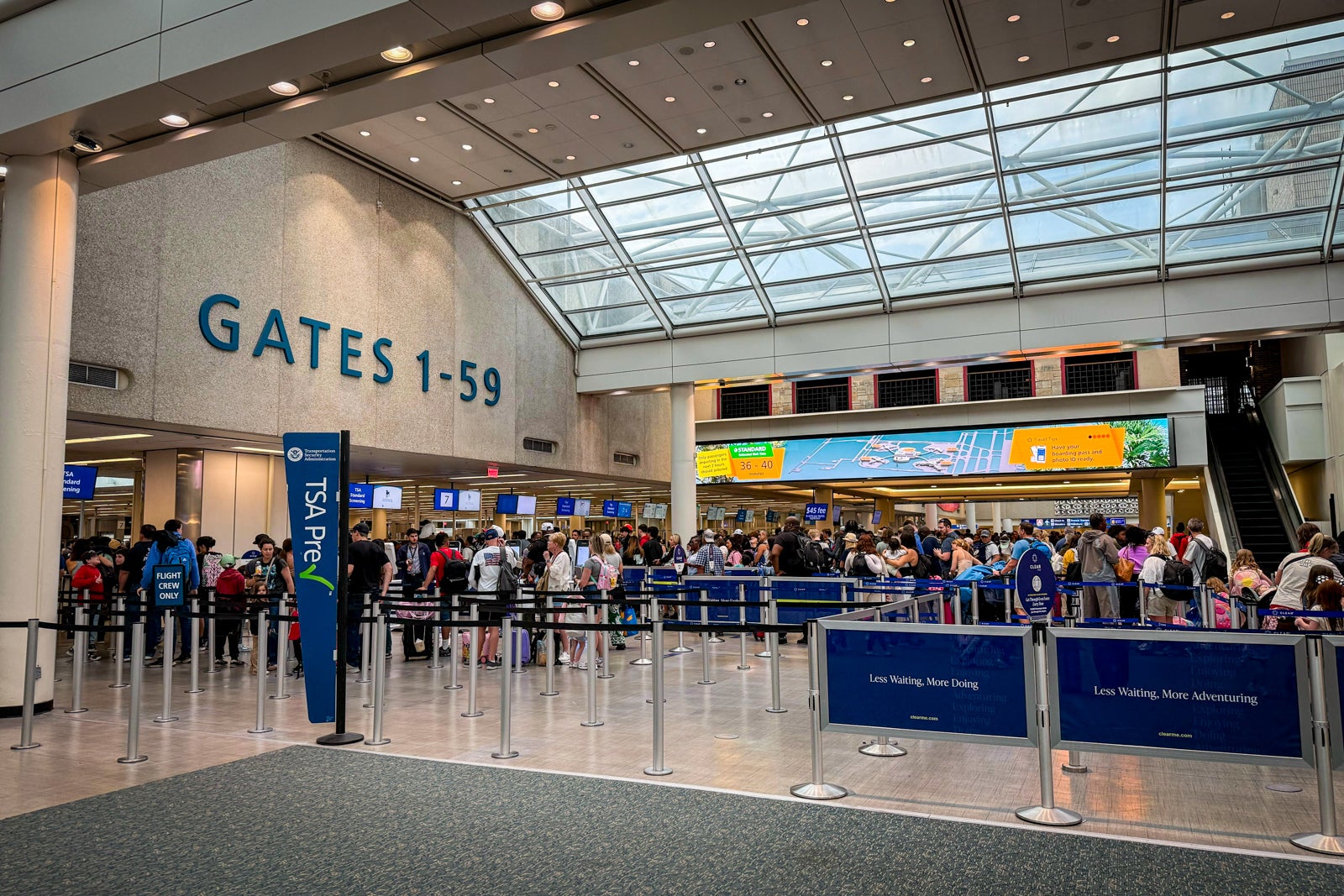
With the unofficial start of the summer travel rush less than a month away and World Cup matches scheduled to begin in June, the acting TSA administrator told Congress in March that this could create a “perfect storm” of staffing woes at airports.
For now, it’s generally business as usual if you head to the airport, especially if you’re a member of a fast-tracked program like TSA PreCheck or Clear.
But all eyes are (once again) on what Washington does next.
Related reading:

Stacie Harris is a local resident and reporter of the Maple Grove area. Stacie reports on medicine and science for the Maple Grove Report.






:max_bytes(150000):strip_icc():format(jpeg)/coffeevsenergydrink-738dcdca64dd44cf913c6acb21f2dc44.jpg "A cup of coffee and a metal can side by side with a VS icon in the middle")