Not All Protein Powders Are Equal—5 Tips to Choose the Right One


Medically reviewed by Kierra Brown, RD

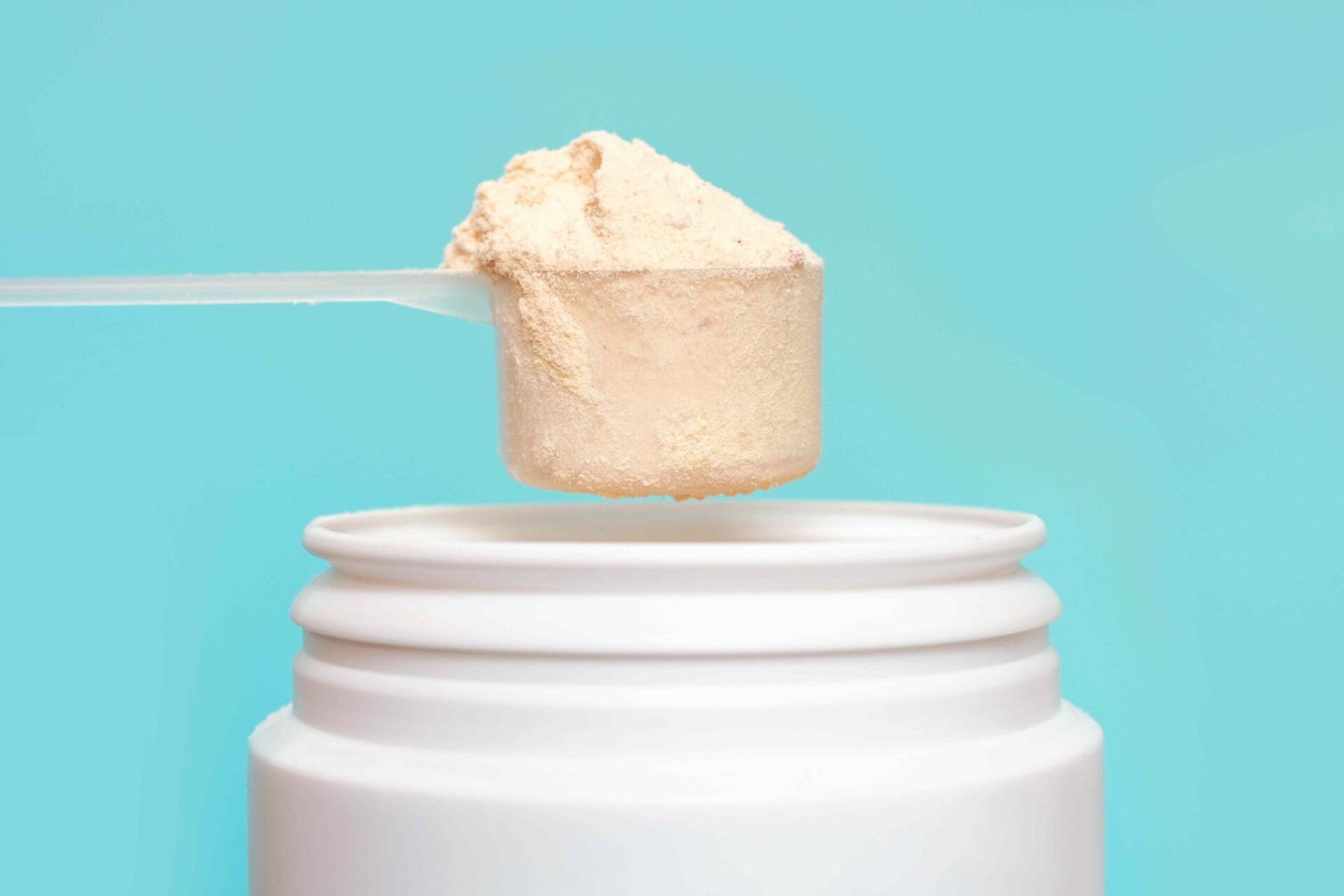
Prioritize low-sugar, independently-tested protein powders with pure ingredients.Credit: Tatiana / Getty Images
Prioritize low-sugar, independently-tested protein powders with pure ingredients.
Credit: Tatiana / Getty Images
  • Choose a protein powder with a strong amino acid profile, ideally a complete protein that supports muscle growth and recovery.
  • Limit added sugar and avoid artificial ingredients by selecting products with simple, recognizable components.
  • Check for third-party testing and avoid ingredients that may trigger sensitivities based on your individual health needs.

There are countless protein powders, including ones made from plant protein (pea, soy, hemp, brown rice) and ones made from animal products (whey, casein, egg white, collagen). The best option for you may depend on your individual goals, dietary restrictions, and health needs. However, certain factors may make some protein powders better than others.

1. Look for a Strong Amino Acid Profile

Protein is a vital macronutrient that provides the amino acids your body needs for processes like muscle growth, immune function, and hormone production. "Complete" proteins provide all nine essential amino acids your body can't make on its own, which are:

  • Histidine
  • Isoleucine
  • Leucine
  • Lysine
  • Methionine
  • Phenylalanine
  • Threonine
  • Tryptophan
  • Valine

Animal-based and soy-based protein sources are typically considered complete proteins. Most other plant-based protein sources are considered incomplete because they don't contain sufficient amounts of one or more of the nine essential amino acids. That said, some plant-based protein powder blends can provide a complete amino acid profile.

Bottom line: While complete protein powders may be best for muscle growth and recovery, incomplete proteins can also provide benefits. For example, collagen powder doesn't contain sufficient amounts of tryptophan to be considered complete, but it does contain other non-essential amino acids that support skin, joint, and bone health. Always check the label for amino acid content.

2. Limit Added Sugar

Many flavored protein powders contain added sugar. While your body needs a certain amount of sugar for energy, the United States Department of Agriculture (USDA) recommends limiting added sugar intake to no more than 10 grams per meal. Consuming too much sugar may lead to complications like increased risk of diabetes, cardiovascular disease, obesity, and tooth decay.

Bottom line: Look for protein powders that are low in added sugar.

3. Prioritize Pure Ingredients

Many protein powders contain dyes, artificial flavoring, thickening agents, emulsifiers, and other additives that don't occur in nature.

These artificial ingredients are often meant to enhance color and flavor, improve consistency, or increase shelf life. However, they offer no nutritional value and may even be harmful when consumed in large amounts.

For example, some artificial sweeteners have been shown to increase the risk of conditions like stroke, dementia, heart disease, obesity, and type 2 diabetes.

Bottom line: Choose products with purer ingredients. Be wary of unfamiliar ingredients with long, hard-to-read names. Instead, look for a short list of simple ingredients you might find at home.

4. Look for Products That Have Been Independently Verified

The U.S. Food and Drug Administration does not regulate supplements like protein powders, which means their quality and safety are not guaranteed. Various reports have found that some protein powders contain concerning levels of harmful metals, such as cadmium and lead. However, some products have been independently tested and verified as safe.

Bottom line: When buying a protein powder, check the packaging for seals from reputable organizations like NSF International, USP (United States Pharmacopeia), or ConsumerLab. These organizations verify that products are free of harmful ingredients. They also check to confirm that the ingredients listed on the label are accurate.

5. Avoid 'Problem' Ingredients

Some protein powder ingredients may trigger symptoms of certain health conditions. For example, whey is made from milk and can cause digestive upset for people with lactose intolerance or dairy sensitivities. And certain plant protein varieties may contain common allergens like soy or nuts.

Bottom line: The healthiest option for you depends on your specific health needs. Always check labels for ingredients that might trigger any sensitivities you have. A doctor can help you decide if a supplement is a good choice for you.

Tip: Whey protein isolate, a more purified whey variety, is lower in lactose and fat than whey protein concentrate and may be easier to digest.

 Next Steps

Always check the product label for ingredients and possible red flags. Some protein powders may interact with certain medications. Talk to a healthcare provider, such as a registered dietitian, before trying any dietary supplement. They can help you decide which protein powder is best for you based on your dietary needs, sensitivities, and health conditions.

Ultimately, the best protein powder for you comes down to your individual dietary preferences. For example, plant-based protein powders often contain more carbs and may not be suitable for people on low-carb diets. If you follow a vegetarian or vegan diet, a plant-based protein might be better than whey or collagen.




Source link

Leave a Reply

Subscribe to Our Newsletter

Get our latest articles delivered straight to your inbox. No spam, we promise.

Recent Reviews


Medically reviewed by Kierra Brown, RD

Canned sardines and anchovies are high in protein and healthy fats, plus they have a long shelf life.Credit: Design by Health; Getty Images
Canned sardines and anchovies are high in protein and healthy fats, plus they have a long shelf life.
Credit: Design by Health; Getty Images
  • The nutritional profiles of anchovies and sardines are very similar.
  • Compared to sardines, anchovies contain slightly more protein and omega-3 healthy fats.
  • However, sardines have higher concentrations of many vitamins and minerals, and usually have less added sodium.

Anchovies and sardines are both small, oily fish that are usually canned or jarred. Despite their similarities, anchovies and sardines do have some nutritional differences when it comes to protein, healthy fats, and micronutrient content.

Which Small Fish Has More Protein?

 While both fish are excellent sources of lean protein, anchovies have a slight edge:

  • Sardines, canned in oil: 6.97 grams in a 1-ounce serving
  • Anchovies, canned in oil: 8.19 grams in a 1-ounce serving

The amount of protein your body needs depends on a number of factors, including age, health status, and physical activity levels.

Healthy adults should consume 1.2-1.6 grams of protein per kilogram of body weight, according to updated federal dietary guidelines.

For example, if someone weighs 70 kilograms (or 155 pounds), they may want to consume at least 84 grams of protein every day. A 1-ounce serving of anchovies canned in oil would get them about 10% of the way toward that daily protein goal.

Protein is critical for cell development and repair, contributing to physical growth and development.

Is One a Better Source of Healthy Fats Like Omega-3s?

When it comes to healthy fats in general, sardines come out on top:

  • Sardines, canned in oil: 2.56 grams of unsaturated fat in a 1-ounce serving
  • Anchovies, canned in oil: 1.8 grams of unsaturated fat in a 1-ounce serving

But if you're looking to boost your levels of omega-3 fatty acids—a specific type of healthy unsaturated fat—anchovies are the better choice. A 1-ounce serving contains 594 milligrams of omega-3s, while the same amount of sardines has 278 milligrams.

Consuming more omega-3s and healthy fats in general may benefit multiple different aspects of your health:

  • Heart health: Omega-3s help reduce levels of triglycerides, or fats in the blood; high triglyceride levels are a risk factor for heart disease and stroke. In general, research has shown that eating unsaturated fats in place of saturated fats—the kind found in full-fat dairy, red meat, and tropical oils—reduces your risk of heart disease.
  • Brain health and cognitive function: Some research suggests that insufficient levels of omega-3s may increase the risk of brain health concerns, including Parkinson's disease, schizophrenia, attention deficit hyperactivity disorder (ADHD), and depression. Another study found that omega-3 supplements could improve mild cognitive impairment, a condition that causes memory and thinking issues that can develop into dementia.
  • Eye health: In some studies, people who ate fatty fish (and more omega-3s) had a lower risk of age-related macular degeneration, a condition that can blur vision. Similarly, there's evidence that diets higher in omega-3s could reduce the risk of dry eye disease. However, more research is needed.

How Do They Compare for Vitamin and Mineral Content?

Along with protein and healthy fats, sardines and anchovies are packed with essential micronutrients. However, they contain different amounts of these key vitamins and minerals:

  • Vitamin B12: Sardines have about 10 times more vitamin B12 than anchovies. This B vitamin supports nerve cell function, red blood cell formation, metabolism, and the creation of DNA.
  • Vitamin D: One sardine has the vitamin D content of about eight anchovies. Vitamin D helps the body absorb calcium and supports bone maintenance and growth.
  • Iron: As compared to sardines, anchovies contain about 60% more iron. This mineral helps form red blood cells, supports muscle and tissue function, and more.
  • Phosphorus: Sardines are nearly twice as rich in phosphorous than anchovies are. In fact, a 1-ounce serving of sardines contains about 20% of the daily recommended intake for adults. Phosphorus is key in creating structures in the body, including teeth, DNA, and cell membranes.
  • Calcium: As compared to anchovies, sardines are a better source of calcium, a mineral which helps support and maintain bone health.

Comparing Sardines and Anchovies

Nutritional content always varies based on packaging and other factors, but here's how a typical 1-ounce serving of anchovies compares to a 1-ounce serving of sardines:

Sardines, canned in oil Anchovies, canned in oil
Calories 59 60
Protein 6.97 grams (g) 8.10 g
Total fat 3.23 g 2.75 g
Carbohydrates 0 g 0 g
Calcium 108 milligrams (mg) 65.8 mg
Iron 0.828 mg 1.31 mg
Magnesium 11.1 mg 19.6 mg
Phosphorus 139 mg 71.4 mg
Potassium 113 mg 154 mg
Selenium 14.9 micrograms (mcg) 19.3 mcg
Sodium 87 mg 1,040 mg
Zinc 0.371 mg 0.692 mg
Vitamin B12 2.53 mcg 0.249 mcg
Vitamin D 1.36 mcg 0.482 mcg

In addition to their relatively similar nutritional profiles, sardines and anchovies share many other commonalities.

Both are considered forage fish, and they're often eaten by larger fish or marine mammals. Sardines are a bit bigger—they're 4-12 inches while anchovies are usually 7-8 inches—but both species' relative small size and low position on the food chain ensures they have low mercury levels.

Once they're harvested, anchovies and sardines are usually jarred or canned in water or oil to make them shelf stable. One difference is that canned anchovies are often salt-cured—this gives them a pink color and a salty flavor (as well as high amounts of sodium).

What To Know Before Adding These Small Fish to Your Diet

Anchovies and sardines aren't naturally high in sodium (or salt), but jarred or canned versions often have a lot of salt added.

For instance, a 1-ounce serving of anchovies canned in oil contains 1,040 milligrams of sodium, which is 45% of the recommended daily limit for adults.

Diets high in sodium raise your risk of developing high blood pressure, heart diseases, artery diseases, heart attack, and stroke.

When purchasing canned fish, check the nutrition label and try to find a product that has lower amounts of sodium.

Sardines and anchovies also usually contain bones. The canning process makes these bones safe to eat, though young children and people with swallowing concerns may want to avoid them.


Source link