Fact checked by Nick Blackmer
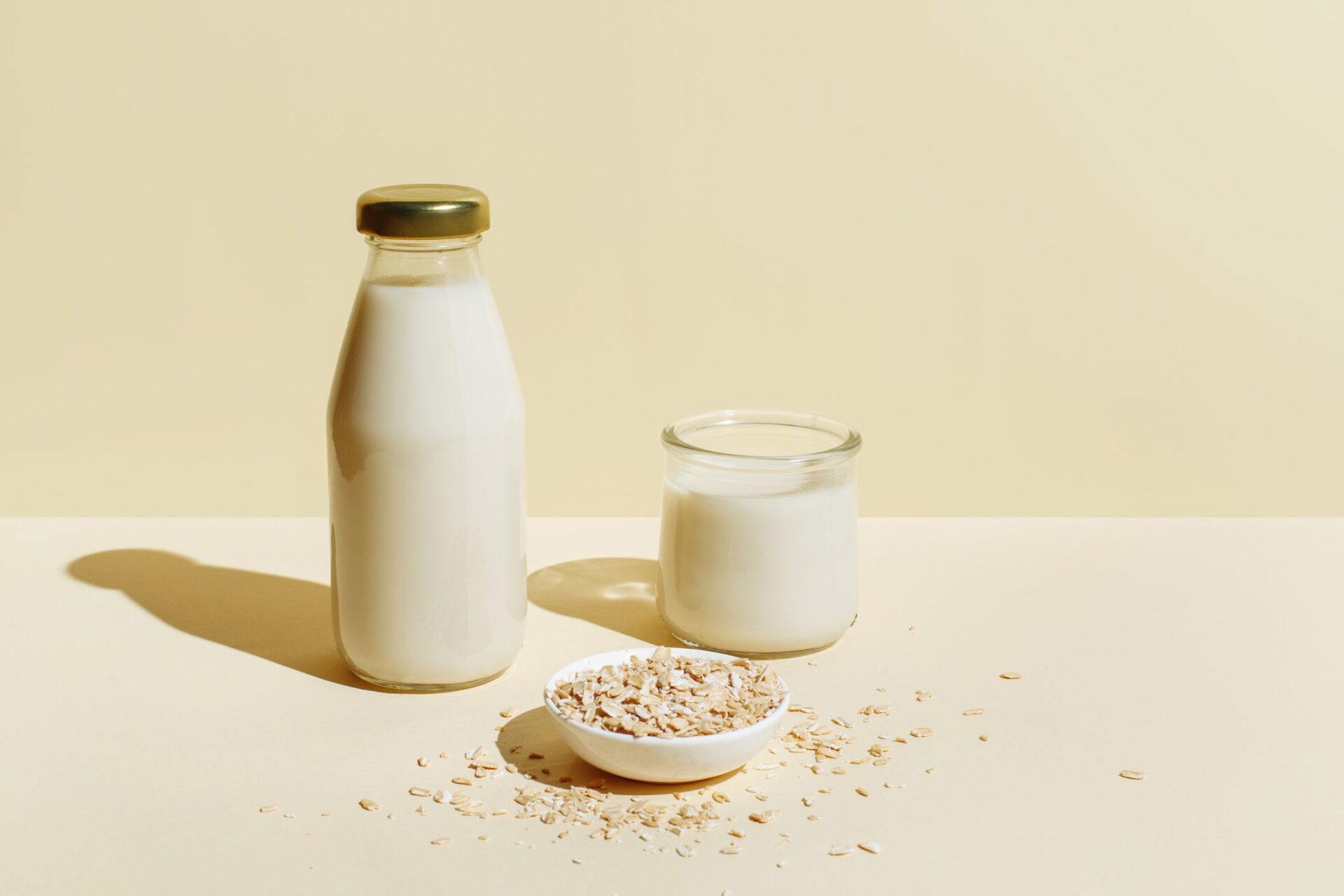
:max_bytes(150000):strip_icc():format(jpeg)/Health-GettyImages-DoesOatMilkSpikeBloodSugar-05c14100ab7e45f58845448b33c9a25b.jpg "Oat milk in glass bottle and glass, oatmeal in a white bowl on beige background.")
Credit: Tanja Ivanova / Getty Images
- Oat milk is a mildly sweet and creamy drink that is lactose-free and vegan-friendly.
- Drinking oat milk can raise your blood sugar moderately quickly.
- It’s best to enjoy unsweetened oat milk varieties and pair them with protein or fiber.
Oat milk contains more carbohydrates than almond or soy milk, and sweetened varieties can be high in added sugars. As a result, drinking oat milk may lead to a rise in blood sugar.
What Ingredients Make Up Oat Milk?
Oat milk is naturally lactose-free and vegan-friendly.
It is made by blending oats and water until the mixture is creamy and smooth. However, many commercially-produced oat milk products often contain additional ingredients to improve their texture, sweetness, and nutritional profile.
To create a smoother, creamier product, many commercial oat milk products use amylase enzymes, which break down the starch in oats into simpler sugars, like maltose. Simple sugars, like maltose, are easier for your body to absorb than complex sugars, like starches.
Oat milk can also contain emulsifiers, like lecithin, which are additives that help blend two substances that do not normally mix well, like oil and water, and prevent the mixture from separating over time.
Oils like canola and sunflower oil are also added to some oat milk products to prevent separation and improve texture and consistency. Additionally, many oat milks contain added sugars and flavorings to boost their taste.
Oat milk can also be fortified with vitamins and minerals like B12, vitamin D, and potassium to boost its nutritional value. Plain oat milk is not a good source of these nutrients.
Will It Spike Your Blood Sugar?
The glycemic index (GI) is a system that ranks foods with carbohydrates on a scale of 0–100 based on how quickly they raise blood sugar levels. Oat milk has a moderately high glycemic index (GI) of 59.6.
“This means that oat milk can cause a moderate rise in blood sugar, depending on the amount consumed,” Kimberley Rose-Francis, RDN, CDCES, LD, told Health.
However, this completely depends on how oat milk is consumed. “Depending on what you have with this beverage could change how your blood sugar responds,” Amanda Sauceda, MS, RD, creator of The Mindful Gut, told Health.
“If you were to have oat milk as part of a sweet drink, think something you get at Starbucks, then it’s very likely that your blood sugar will spike,” said Sauceda.
Oat milk alone is generally high in carbohydrates and low in nutrients that slow the absorption of sugar into your bloodstream, like protein and fiber. A cup of unsweetened oat milk contains 14 grams of carbohydrates, but only 1.9 grams of fiber and 4 grams of protein.
However, studies show that pairing high-carb items, like oat milk, with a source of protein can significantly lower their impact on blood sugar.
For example, if you are drinking an oat milk latte alongside a breakfast of eggs and avocado, you will have a slower and steadier rise in blood sugar than if you were to drink the oat milk latte alone.
How Does It Compare to Other Milks?
For most people, the glycemic impact of unsweetened oat milk is not a major concern, especially if oat milk is consumed as part of a healthy diet.
However, its high carbohydrate content may be an issue for individuals with high blood sugar, insulin resistance, or those following low-carb diets.
Oat milk contains 14 grams of carbohydrates per cup, while coconut, almond, and soy milk contain just 7, 3.4, and 3.2 grams per cup, respectively.
If you are trying to cut back on carbohydrates, you may want to opt for a lower-carb plant-based milk, like almond milk, instead of oat milk, especially if you are using it as an everyday milk. Additionally, oat milk is not a good option for people following low-carb diets, such as keto diets.
Oat milk products that contain added sugar are higher in carbohydrates than unsweetened products. Sweetened oat milks can contain more than double the amount of carbohydrates found in unsweetened oat milk.
Should You Avoid Oat Milk?
While you do not have to completely avoid oat milk, it’s best to opt for unsweetened varieties whenever possible, since many commercial brands add extra sugar to their products.
Choosing unsweetened oat milk helps minimize unnecessary added sugar intake, which can help you manage your blood sugar and lower your risk of heart disease.
However, people with high blood sugar, insulin resistance, and those following low-carb diets may want to think twice about using oat milk as a daily staple. Even without added sugars, oat milk tends to have a higher carbohydrate content than many other plant-based alternatives.
Lower-carb options like unsweetened almond milk or coconut milk often contain less than half the carbohydrates of oat milk.
If you do enjoy oat milk, you do not have to cut it out of your diet. Pair it with protein or fiber to help slow down digestion and blunt its impact on blood sugar.






:max_bytes(150000):strip_icc():format(jpeg)/coffeevsenergydrink-738dcdca64dd44cf913c6acb21f2dc44.jpg "A cup of coffee and a metal can side by side with a VS icon in the middle")