Waymo Eyes Portland for Robotaxi Expansion, With Testing Already Underway


Waymo continues to add self-driving robotaxis to more US cities. On Tuesday, the company announced its next location: Portland, Oregon. Portland will join Los Angeles, San Francisco, Miami, Orlando and a handful of other cities.

While Waymo hasn’t announced an official launch date, the company — which is owned by Google’s parent company, Alphabet — is sending human drivers out in its vehicles to familiarize its Waymo Driver technology with Portland’s streets.

The city’s mayor is on board. 

“We need every tool to help us meet our Vision Zero goals, and autonomous technology plays an increasingly important role in providing a safe, thriving, affordable multimodal transportation system,” said Keith Wilson, mayor of Portland, in Waymo’s press release. Vision Zero is a Portland program aimed at eliminating traffic deaths and serious injuries.

In the press release, Waymo said that it believes Portland’s independent spirit and sense of community make the city a fitting place for Waymo’s expansion. Some of those independent community members, though, have different opinions.

Opposition to Waymo in Portland

According to Oregon Live, opposition to Waymo’s plans centers on safety, accessibility, the potential for human ride-hailing drivers to lose income and the need for permits to drive autonomous cars on Portland streets. 

A Waymo representative told CNET that the company seeks a formal statewide regulatory system authorizing its technology before beginning public service. For this, the company will follow its own safety framework and must obtain the necessary permits. 

According to Waymo, its technology has a serious-injury crash rate about 13 times lower than that of human drivers in the cities where it operates.

Portland’s history with new transportation services

Oregon Live reports that city records show that Waymo spent thousands of dollars lobbying Portland city officials in late 2025. That may have smoothed the way for a proposed bill that would have allowed self-driving vehicles in Oregon without a license or permit. That bill failed to pass.

Uber’s 2014 entrance into Portland also met opposition.

According to Oregon Public Broadcasting, the Portland City Council is considering a measure that would raise pay for Uber and Lyft drivers, reducing the companies’ own profits. If that proposal passes, both companies have said they’d leave the city. 


Source link

Leave a Reply

Subscribe to Our Newsletter

Get our latest articles delivered straight to your inbox. No spam, we promise.

Recent Reviews


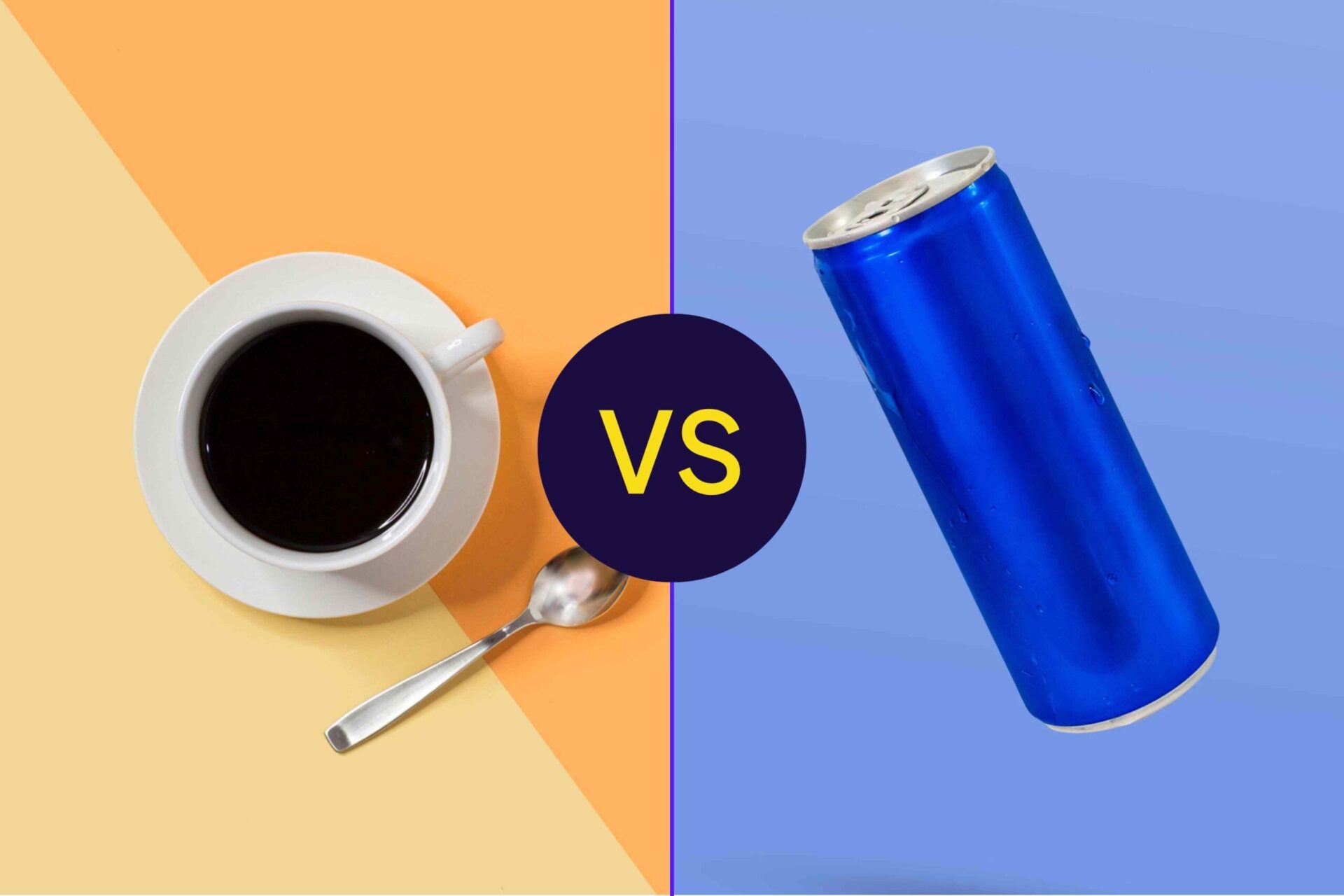
Coffee and energy drinks are popular sources of caffeine, but may have different health effects.Credit: Health / Getty Images
Coffee and energy drinks are popular sources of caffeine, but may have different health effects.
Credit: Health / Getty Images
  • Both coffee and energy drinks can vary in caffeine content.
  • Moderate caffeine consumption is recommended for reducing the risk to your heart.
  • Energy drinks have been shown to cause heart problems, but more research is needed.

Coffee and energy drinks are popular options for a quick energy boost. Both caffeinated beverages can support physical endurance, alertness, and reaction time. However, they can also increase heart rate, reduce steadiness, and increase your added sugar intake.

Which One Will Give You More Energy?

Coffee and energy drinks can both range in caffeine content, which can affect their impact on energy levels. Coffee drinks vary in caffeine based on the brew method and bean type, but on average, a cup (8 ounces) of coffee contains about 113-247 milligrams of caffeine.

Standard 16-ounce energy drinks can contain anywhere from 70 to 240 milligrams of caffeine. Concentrated 2-2.5 ounce energy shots pack about 113-200 milligrams of caffeine in a much smaller volume.

It's important to be aware of how much caffeine you’re consuming and check nutrition labels. However, energy drink manufacturers aren’t required to disclose the caffeine content.

Which Has a Greater Impact on Heart Health?

Research shows consuming high levels of caffeine can raise your blood pressure and heart rate, as well as affect your heart’s rhythm. This risk is especially high for children since their cardiovascular and nervous systems aren’t fully developed.

Coffee's effect on heart health is more widely researched than that of energy drinks. Evidence suggests that moderate coffee drinking can support heart health, while heavy consumption increases heart disease risk. How you prepare your coffee also affects the way it impacts your heart. Boiled coffee, like the kind you can make with a French press, can increase your cholesterol levels. High amounts of caffeine can also have negative effects on the heart, so many people with existing heart conditions choose decaf coffee out of caution.

Some case studies show that energy drink consumption can harm heart health, even in young people, but more research is needed to understand the mechanisms behind this. Some of the more severe cases include sudden death from drinking an energy drink.

What Other Ingredients, Besides Caffeine, Can Affect My Health? 

Coffee and energy drinks aren’t just pure caffeine. It’s important to consider their other ingredients when thinking about how they can impact your health. Early research suggests some of the cardiovascular effects of coffee and energy drinks may be more related to other ingredients than caffeine.

For example, energy drinks can contain a range of other ingredients, such as guarana (which contains additional caffeine), sugar, B vitamins, and other energy-boosting compounds. Both coffee drinks and energy drinks can contain high amounts of added sugar. Energy drinks can also interact with alcohol and prescription or illicit drugs, causing negative health effects.

Risks of Having Too Much Caffeine

Whether you choose coffee, an energy drink, or another caffeinated drink for your energy boost, it’s important to watch how much caffeine you’re consuming per day. Adults without underlying health conditions should limit their total caffeine intake per day to 400 milligrams. People who are pregnant or breastfeeding should stick to half of that limit, or about 200 milligrams. You can always check with your healthcare provider about your individual health status and their recommendations for your caffeine levels.

If you consume too much caffeine, you may notice:

  • A faster heart rate or a racing heart
  • High blood pressure
  • Trouble sleeping
  • Anxiety or jitters
  • Nausea or an upset stomach
  • Headache

If you’re choosing an energy drink, research suggests having only one drink at a time, with a max of two per day, for safer outcomes.


Source link