Google Is Paying Android Phone Owners $135 Million. Learn Why and Who’s Eligible


A class-action lawsuit alleging “Google caused Android mobile devices to transfer a variety of information to Google without users’ permission, consuming users’ cellular data,” is nearing its end. The two sides in Taylor v. Google LLC have agreed to a settlement and have begun resolving it. 

For years, Google has been accused of harvesting data from Android phones without users’ consent. A California lawsuit was settled for $314 million last year, and this new settlement could mean payouts for another 100 million people.

Without admitting fault, Google agreed to a preliminary settlement in the class action lawsuit Taylor v. Google LLC in January, committing to pay $135 million in damages. The official settlement website for the lawsuit is now live. 

The final approval hearing won’t occur until June 23, when the court will hear objections and consider whether Google’s settlement is fair. After that, the court will decide whether to approve the $135 million settlement. 

In the meantime, if you qualify and want to be paid as part of the settlement, you can select your preferred payment method on the official website. There, you can find information on speaking at the June 23 court hearing and on how to exclude yourself or write to the court to object by May 29.

As part of the settlement, Google will update its Google Play terms of service to clarify that certain data transfers do occur passively even when you’re not using your Android device, and that cellular data may be relied upon when not connected to Wi-Fi. This can’t always be disabled, but users will be asked to consent to it when setting up their device. 

Google will also fully stop collecting data when its “allow background data usage” option is toggled off. 

Who can be part of the Google data settlement?

In order to join the Taylor v. Google LLC settlement, you must meet four qualifications:

  1. Be a living, individual human being in the US.
  2. Have used an Android mobile device with a cellular data plan.
  3. Have used the aforementioned device at any time from Nov. 12, 2017, to the date when the settlement receives final approval.
  4. You’re not a class member in the Csupo v. Google LLC lawsuit, which is similar but specifically for California residents.

The final approval hearing is on June 23, so you can add your payment method until then. The hearing’s date and time may change, and any updates will be posted on the settlement website. 

If you choose to do nothing, you will still be issued a settlement payment, but you may not receive it if you don’t select a payment method.

Watch this: Your Phone is Disgusting: Let’s Fix That

How much could I get paid by Google?

It’s not currently known exactly how much each settlement class member will receive, but the maximum is $100. Payments will be distributed after final court approval and after the resolution of any appeals.

After all administrative, tax and attorney costs are paid, the settlement administrator will attempt to pay each member an equal amount. If any funds remain after payments are sent, and it’s economically feasible, they will be redistributed to members who were previously and successfully paid. If it’s not economically feasible, the funds will go to an organization approved by the court.


Source link

Leave a Reply

Subscribe to Our Newsletter

Get our latest articles delivered straight to your inbox. No spam, we promise.

Recent Reviews


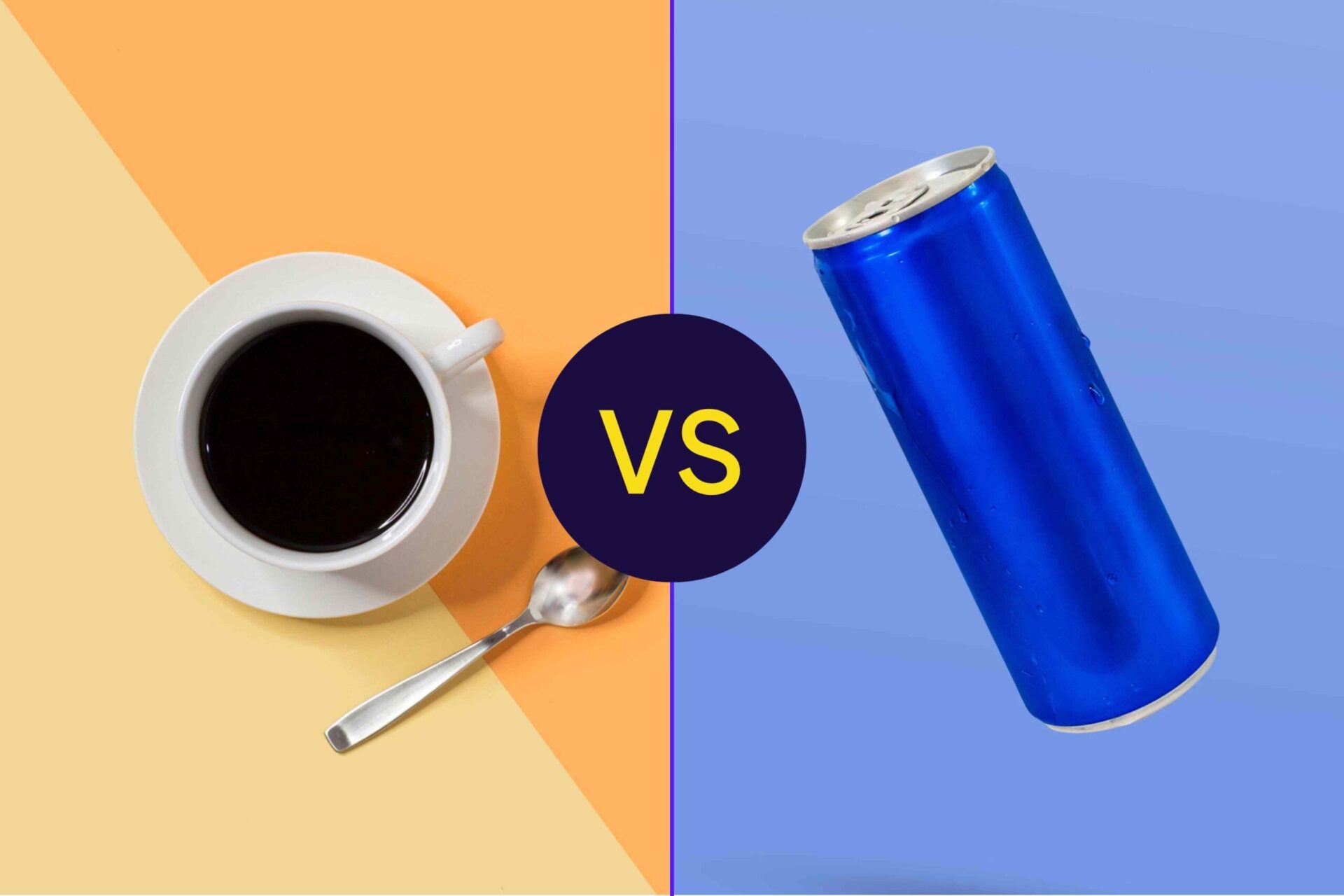
Coffee and energy drinks are popular sources of caffeine, but may have different health effects.Credit: Health / Getty Images
Coffee and energy drinks are popular sources of caffeine, but may have different health effects.
Credit: Health / Getty Images
  • Both coffee and energy drinks can vary in caffeine content.
  • Moderate caffeine consumption is recommended for reducing the risk to your heart.
  • Energy drinks have been shown to cause heart problems, but more research is needed.

Coffee and energy drinks are popular options for a quick energy boost. Both caffeinated beverages can support physical endurance, alertness, and reaction time. However, they can also increase heart rate, reduce steadiness, and increase your added sugar intake.

Which One Will Give You More Energy?

Coffee and energy drinks can both range in caffeine content, which can affect their impact on energy levels. Coffee drinks vary in caffeine based on the brew method and bean type, but on average, a cup (8 ounces) of coffee contains about 113-247 milligrams of caffeine.

Standard 16-ounce energy drinks can contain anywhere from 70 to 240 milligrams of caffeine. Concentrated 2-2.5 ounce energy shots pack about 113-200 milligrams of caffeine in a much smaller volume.

It's important to be aware of how much caffeine you’re consuming and check nutrition labels. However, energy drink manufacturers aren’t required to disclose the caffeine content.

Which Has a Greater Impact on Heart Health?

Research shows consuming high levels of caffeine can raise your blood pressure and heart rate, as well as affect your heart’s rhythm. This risk is especially high for children since their cardiovascular and nervous systems aren’t fully developed.

Coffee's effect on heart health is more widely researched than that of energy drinks. Evidence suggests that moderate coffee drinking can support heart health, while heavy consumption increases heart disease risk. How you prepare your coffee also affects the way it impacts your heart. Boiled coffee, like the kind you can make with a French press, can increase your cholesterol levels. High amounts of caffeine can also have negative effects on the heart, so many people with existing heart conditions choose decaf coffee out of caution.

Some case studies show that energy drink consumption can harm heart health, even in young people, but more research is needed to understand the mechanisms behind this. Some of the more severe cases include sudden death from drinking an energy drink.

What Other Ingredients, Besides Caffeine, Can Affect My Health? 

Coffee and energy drinks aren’t just pure caffeine. It’s important to consider their other ingredients when thinking about how they can impact your health. Early research suggests some of the cardiovascular effects of coffee and energy drinks may be more related to other ingredients than caffeine.

For example, energy drinks can contain a range of other ingredients, such as guarana (which contains additional caffeine), sugar, B vitamins, and other energy-boosting compounds. Both coffee drinks and energy drinks can contain high amounts of added sugar. Energy drinks can also interact with alcohol and prescription or illicit drugs, causing negative health effects.

Risks of Having Too Much Caffeine

Whether you choose coffee, an energy drink, or another caffeinated drink for your energy boost, it’s important to watch how much caffeine you’re consuming per day. Adults without underlying health conditions should limit their total caffeine intake per day to 400 milligrams. People who are pregnant or breastfeeding should stick to half of that limit, or about 200 milligrams. You can always check with your healthcare provider about your individual health status and their recommendations for your caffeine levels.

If you consume too much caffeine, you may notice:

  • A faster heart rate or a racing heart
  • High blood pressure
  • Trouble sleeping
  • Anxiety or jitters
  • Nausea or an upset stomach
  • Headache

If you’re choosing an energy drink, research suggests having only one drink at a time, with a max of two per day, for safer outcomes.


Source link